
Common Questions About TCM Approaches to Sleep Problems: Patterns, Formulas, and Usage Considerations

Sleep problems are very common among middle-aged and older adults. While many people seek Western medical perspectives, they also hope to gain some insights from traditional Chinese medicine (TCM). When searching for questions like “Which type of insomnia is Suan Zao Ren Tang suitable for?” or “What is the difference between Tian Wang Bu Xin Dan and Gui Pi Wan?”, one often finds scattered and confusing information.
This article attempts to compile the high-frequency questions that people care about, from how TCM views sleep and common pattern types to the characteristics and usage precautions of several common formulas, providing a relatively systematic overview to help you gain a clearer understanding when researching.
How does TCM generally understand sleep problems?

In traditional Chinese medicine, sleep is not an isolated event but a manifestation of the circulation of qi, blood, yin, and yang throughout the body. A common explanatory framework is “Yang entering Yin leads to sleep,” meaning that when daytime yang energy can smoothly submerge into the yin aspect at night, a person naturally falls asleep. If this process is disrupted for some reason, difficulties such as trouble falling asleep, light sleep, early waking, or excessive dreaming may occur.
Centered on this core idea, TCM often pays attention to the following aspects:
- Whether the heart spirit is disturbed: The heart houses the spirit (shen); if the spirit is unsettled, sleep will not be restful. Emotional fluctuations and excessive rumination can easily disturb the heart spirit, leading to difficulty falling asleep or unrefreshing sleep.
- The relationship between the liver and emotions: The liver governs the free flow of qi. Emotional stagnation or hyperactivity can easily affect liver function, in turn causing difficulty falling asleep, waking easily in the early morning, or still feeling tired even after sleep.
- The spleen and stomach’s role in generating qi and blood: The spleen and stomach are the source of qi and blood production. Irregular diet or weakness of the spleen and stomach can lead to insufficient qi and blood to nourish the heart spirit, potentially resulting in dream-disturbed sleep, frequent waking, and difficulty returning to sleep.
- Kidney depletion and deficiency fire: When kidney yin is insufficient or yin-yang is imbalanced, deficiency fire can easily flare upward, manifesting as nighttime vexing heat, palpitations with insomnia, or shallow sleep.
These aspects often intertwine with one another and are rarely caused by a single factor. Therefore, in traditional TCM practice, a comprehensive assessment is usually made by combining tongue and pulse diagnosis with accompanying bodily sensations, rather than merely targeting the single point of “not being able to sleep.”
Common TCM pattern types related to sleep problems
When discussing Chinese patent medicines or formulas, you may often hear terms like “heart-spleen dual deficiency” or “yin deficiency with exuberant fire.” Below are several commonly discussed pattern-type directions to help you understand the meaning behind the terminology, rather than for self-diagnosis comparison.
Heart-spleen dual deficiency pattern
This condition is often described as “excessive rumination damaging the heart and spleen.” According to traditional thinking, spleen deficiency leads to insufficient production of qi and blood, while insufficient heart blood fails to nourish the heart spirit.
Possible manifestations include:
- Dream-disturbed sleep with easy waking
- Obvious fatigue upon waking
- Decline in memory
- Poor appetite
- Sallow complexion
The corresponding formula direction often focuses on boosting qi, nourishing blood, fortifying the spleen, and calming the heart. Gui Pi Wan is a relatively common reference in this direction.
Yin deficiency with exuberant fire pattern
This generally refers to heart and kidney yin deficiency with internal stirring of deficiency fire. It may be related to irregular daily rhythms, long-term stress, or constitutional depletion.
Common descriptions include:
- Difficulty falling asleep
- Vexation, night sweats
- Heat sensations in the palms and soles
- Dry mouth, red tongue with little coating
Tian Wang Bu Xin Dan or Bai Zi Yang Xin Wan are mentioned with relatively high frequency in this direction, focusing on nourishing yin and blood, clearing deficiency heat, and calming the spirit.
Liver depression and blood deficiency pattern
People with large emotional swings or those prone to tension and anxiety may traditionally be understood from the perspective of “liver depression.” Liver qi constraint, over time, may affect the blood, leading to difficulty falling asleep, irritability, morning bitter taste, and distension in the chest and rib areas.
Jia Wei Xiao Yao Wan is one of the more common formulas for this direction, focusing on soothing the liver, resolving depression, nourishing blood, and fortifying the spleen. If obvious heat signs are present, the formula’s composition may be adjusted accordingly.
Liver fire disturbing the heart pattern
Different from liver depression and blood deficiency, this pattern leans toward excess fire. Short-term emotional agitation, spicy food, or staying up late may trigger it.
Typical manifestations include:
- Difficulty falling asleep
- Excessive dreaming, dry mouth and bitter taste
- Irritability and quick temper
- Red tongue with yellow coating
The treatment approach usually tends toward clearing the liver, purging fire, settling the heart, and calming the spirit. Care must be taken to differentiate this from deficiency fire due to yin deficiency.
Phlegm-heat internally disturbing pattern
Some people who sleep poorly also experience chest tightness, bitter and sticky taste in the mouth, thick greasy tongue coating, or tend toward a heavier body type and greasy diet. Traditional learning often considers “phlegm-heat” as a factor.
This type of problem is often closely linked to dietary structure and exercise habits. In treatment, the approach usually starts with clearing heat, transforming phlegm, harmonizing the middle burner, and calming the spirit, and one should not rashly use cloying yin-nourishing substances.
It is particularly important to note that a person’s actual condition may simultaneously present characteristics of multiple patterns, and patterns can also change over time, with seasons, or with lifestyle adjustments. Therefore, the above classifications are only for knowledge organization and cannot replace professional pattern differentiation and judgment.
What are the differences among several common calming Chinese patent medicines?
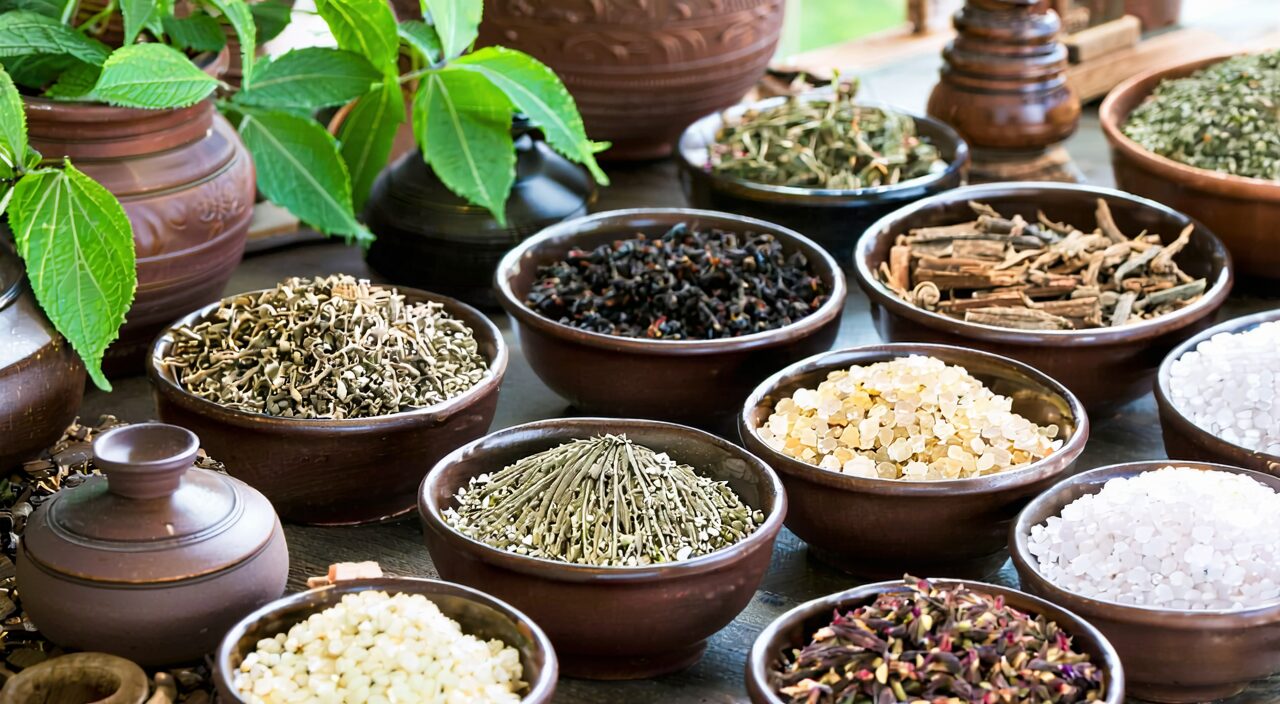
Many readers repeatedly compare Suan Zao Ren Tang, Tian Wang Bu Xin Dan, Gui Pi Wan, Bai Zi Yang Xin Wan, and Jia Wei Xiao Yao Wan when searching. Below is a quick table to understand their main differences, with detailed explanations for each formula following.
| Formula | Traditional Focus Direction | Common Reference Manifestations |
|---|---|---|
| Suan Zao Ren Tang | Nourishing blood to calm the spirit, clearing heat to relieve vexation | Vexing insomnia, agitation, dizziness, dry mouth and throat |
| Tian Wang Bu Xin Dan | Nourishing yin and blood, tonifying the heart to calm the spirit | Palpitations with poor memory, heat in palms and soles, red tongue with little fluid, dream-disturbed sleep |
| Gui Pi Wan | Boosting qi and nourishing blood, fortifying the spleen and calming the heart | Fatigue, tendency to tire easily, mediocre appetite, palpitations, pale complexion |
| Bai Zi Yang Xin Wan | Nourishing the heart, calming the spirit, benefiting intelligence | Heart qi deficiency, easily startled, mental confusion, deficiency-type palpitations |
| Jia Wei Xiao Yao Wan | Soothing the liver, resolving depression, nourishing blood, and fortifying the spleen | Worsening with emotional fluctuations, vexation and irritability, distension in the rib areas |
Suan Zao Ren Tang
Suan Zao Ren Tang is a formula recorded in the Jin Gui Yao Lue (Essential Prescriptions of the Golden Coffer) and is traditionally used for a state of “consumptive vexation and restless insomnia.” It tends to address sleep problems caused by liver blood insufficiency and internal disturbance of deficiency heat, with common descriptions including difficulty falling asleep, vexation, dizziness, and dry mouth and throat.
The entire formula focuses on nourishing blood to calm the spirit and clearing heat to relieve vexation. Many commercially available granules or oral liquids based on this formula also indicate the usage direction of “nourishing blood and calming the spirit.”
Tian Wang Bu Xin Dan
Tian Wang Bu Xin Dan leans more toward nourishing yin, nourishing blood, tonifying the heart, and calming the spirit. It is often used for conditions of heart and kidney yin deficiency and insufficient yin blood. If a person is prone to palpitations, forgetfulness, heat in the palms and soles, a red tongue with little moisture, along with difficulty falling asleep or excessive dreaming, this formula may traditionally be contemplated.
Overall, it is relatively nourishing and cloying in nature. People with phlegm-dampness constitution or poor spleen-stomach transportation should evaluate its use carefully.
Gui Pi Wan
Gui Pi Wan takes the heart-spleen dual deficiency route, emphasizing boosting qi, nourishing blood, fortifying the spleen, and calming the heart. For a state of “being unable to sleep yet having no strength” — easily tired upon movement, mediocre appetite, palpitations, and a pale complexion — Gui Pi Wan appears frequently in traditional applications.
Compared with Tian Wang Bu Xin Dan, it leans more toward boosting qi rather than emphasizing yin nourishment.
Bai Zi Yang Xin Wan
Bai Zi Yang Xin Wan shares similarities with Tian Wang Bu Xin Dan, both involving heart yin and heart blood insufficiency, but it emphasizes the direction of “nourishing the heart, calming the spirit, and benefiting intelligence.” Traditional descriptions include heart qi deficiency, being easily startled, and mental confusion.
For sleep problems characterized by deficiency-type palpitations and timidity with easy startle, it may be considered as one directional option.
Jia Wei Xiao Yao Wan
Jia Wei Xiao Yao Wan is a formula created by adding heat-clearing medicinals to the base of Xiao Yao San. It is often used for situations of liver depression and blood deficiency with depressive heat transformation. If sleep problems are closely tied to emotional fluctuations — such as worsening under stress, tendency toward vexation and irritability, rib-side distension, and premenstrual discomfort — it is traditionally one of the commonly chosen options for regulating the liver and spleen.
It leans more toward soothing the liver and resolving depression rather than directly calming the mind and aiding sleep, but indirectly helps restore stable sleep by improving emotional states.
Can calming Chinese patent medicines be taken long-term on one’s own?
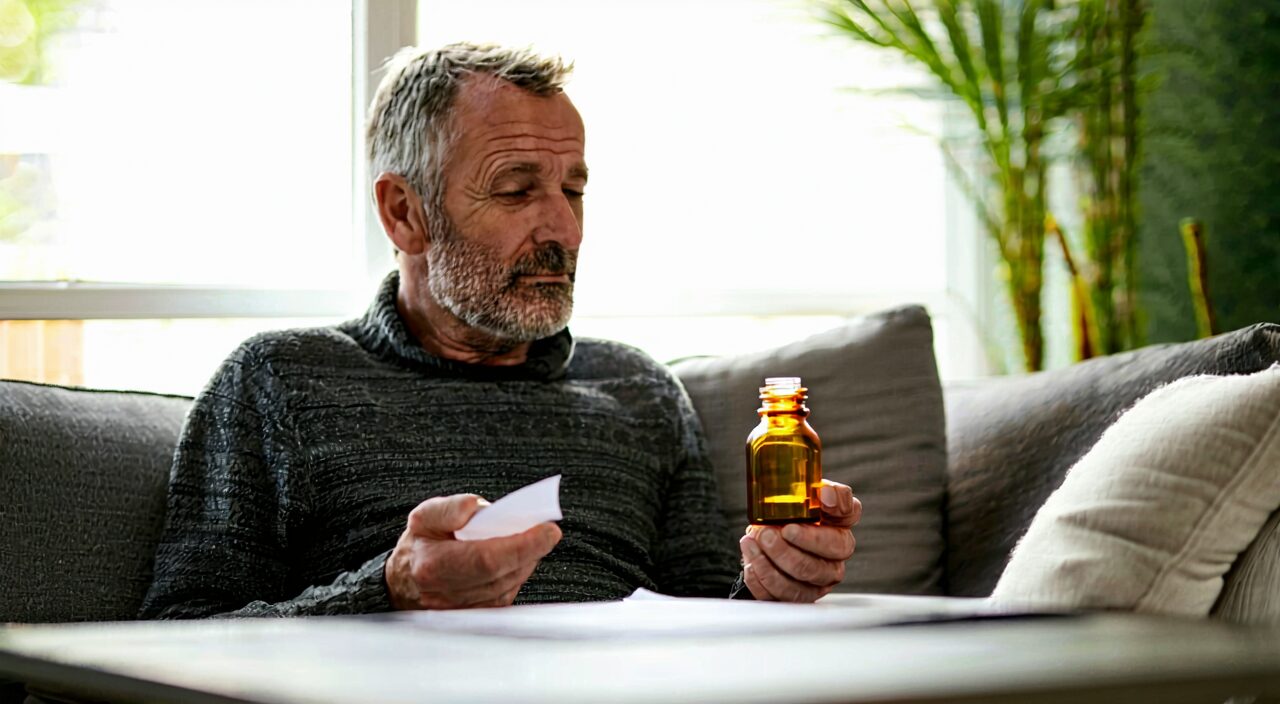
This is a question that many people care about but is easily overlooked. Some Chinese patent medicines may provide relief for certain sleep problems in the short term, but that does not mean they can be taken long-term without evaluation.
On one hand, the body’s state is dynamically changing. A person for whom Gui Pi Wan was suitable at one stage may, a few months later, develop an excess of dampness or upward-flaring deficiency fire due to changes in diet, emotions, or seasons. Continuing to use the original formula direction may no longer be appropriate and could even exacerbate discomfort.
On the other hand, products like Tian Wang Bu Xin Dan that lean toward nourishing yin are relatively cloying in nature. If spleen and stomach function is weak, long-term use can easily cause problems such as abdominal distension and loose stools.
Additionally, some Chinese patent medicines contain cinnabar ingredients (such as certain specific dosage forms of Bai Zi Yang Xin Wan or Tian Wang Bu Xin Dan). Although modern pharmaceutical processes have gradually standardized dosages, it remains a special component. Traditional applications have strict restrictions; it should not be taken in excess doses or continuously for long periods. Before use, be sure to carefully read the ingredients and precautions in the package insert.
Therefore, under normal circumstances, it is acceptable to regard calming Chinese patent medicines as a reference for phased regulation, but long-term self-administration carries relatively high risks. If longer-term use is needed, it is recommended to regularly assess bodily changes under the guidance of a professional, and integrate dietary, sleep routine, and other lifestyle adjustments rather than relying solely on a single product to solve all sleep problems.
When is it necessary to consult a doctor promptly?

Although sleep problems are common, some situations indicate that you should not attempt self-treatment and should prioritize consulting a doctor or a sleep specialist or psychosomatic medicine professional. This is not merely a TCM consideration but is directly related to overall health safety.
- Sleep problems persisting for several weeks or even months, accompanied by significant daytime functional decline, such as severe difficulty concentrating, memory loss, low mood, or irritability.
- Difficulty falling asleep or early waking accompanied by obvious anxiety, tension, panic, or recurrent depressed mood and loss of interest.
- Breathing pauses during sleep, waking with a choking sensation, nighttime chest tightness or chest pain, palpitations, or abnormal limb movements.
- Long-term use of Western sleep aids or other psychiatric medications, wishing to seek TCM-based treatment approaches — do not self-discontinue or mix medications without guidance, and adjustments should be made gradually under a doctor’s direction.
- Having chronic diseases (such as cardiovascular or cerebrovascular disease, abnormal liver or kidney function, or poorly controlled blood sugar) while planning to use Chinese patent medicines to regulate sleep — inform your doctor about all medications being used to avoid the risk of interactions.
In these situations, TCM thinking can still serve as a reference direction, but it should not precede or replace necessary medical evaluation.
What to pay attention to before purchasing and choosing Chinese patent medicines
If you already have a preliminary understanding of some formula directions and plan to purchase Chinese patent medicines through legitimate channels, the following points are worth noting in advance.
Check the package insert to understand the scope of application
Different preparations of Suan Zao Ren Tang or Tian Wang Bu Xin Dan from different manufacturers may have slight differences in the descriptions of their indications, functions, and applicable populations on the package insert. Before purchasing, take some time to read and confirm whether they match the general direction of your daily sensations, rather than judging solely by the product name.
Pay attention to ingredient and dosage form differences
The same traditional formula name may correspond to different dosage forms such as granules, oral liquids, large honey pills, or concentrated pills. Excipients and absorption characteristics will differ. When there are special dietary or constitutional needs (for example, diabetes requiring attention to sugar content), dosage form selection should be given extra attention.
Note contraindications and populations requiring caution
The package inserts of most calming Chinese patent medicines will clearly indicate precautions for special populations such as pregnant women, children, those with allergic constitutions, and those with liver or kidney insufficiency. These labels are not mere formalities but necessary safety prompts.
Insist on purchasing from legitimate channels
The quality of Chinese patent medicines is greatly affected by production processes and storage conditions. Choosing formal channels with strict quality inspection and distribution supervision is a basic guarantee for avoiding risks from inferior or unclear products.
Consult a professional before trying
Even for over-the-counter Chinese patent medicines that do not require a prescription, it is strongly recommended to consult a pharmacist or TCM practitioner before first use, especially when also taking other medications or nutritional supplements. Professionals can help sort out potential interactions and avoid risks arising from insufficient information.
Summary
TCM understanding of sleep problems emphasizes a holistic view, starting from multiple angles including qi, blood, yin, yang, and organ functions, rather than solely fixating on the result of “not being able to sleep.” Common patterns such as heart-spleen dual deficiency, yin deficiency with exuberant fire, and liver depression with blood deficiency are both related and distinct. When corresponding to formulas like Suan Zao Ren Tang, Tian Wang Bu Xin Dan, and Gui Pi Wan, their respective emphases clearly differ.
In terms of usage direction, these calming Chinese patent medicines can serve as a window to understanding traditional treatment approaches, but should not be blindly taken long-term on one’s own. An individual’s state changes over time, and constitutional factors, ingredient differences, and potential risks all need to be taken into account. When severe, long-term, or symptoms accompanied by emotional disorders, chest tightness, or abnormal breathing occur, timely professional evaluation is more important than self-directed attempts.
For readers who wish to further understand specific formula comparisons or safe usage details, you may continue to follow other sections of this website to help build a more comprehensive foundation of understanding.