
TCM Approaches to Excessive Dreaming and Frequent Waking: Common Causes and Key Considerations

Almost everyone dreams. Sometimes dreams feature daily trivialities, sometimes bizarre plots, and upon waking they may be clear or vague. But if you find yourself in a prolonged state where “you dream the moment you close your eyes,” “dreams go on all night,” or “you dream a lot and wake easily,” and you feel noticeably tired after waking, many people start to wonder: is something wrong with the body?
From a TCM perspective, excessive dreaming is not an isolated disease, but rather an external sign reflecting sleep quality. Traditionally, it is often understood in connection with the functional states of qi, blood, and the zang-fu organs.
This article summarizes common manifestations of excessive dreaming, the TCM approach to understanding dream-disturbed and restless sleep, possible related patterns, as well as daily care tips and directions for understanding traditional formulas. It should be stated in advance: excessive dreaming itself is not a signal to panic, but it may suggest that one’s physical and mental state needs attention—especially when it occurs repeatedly and noticeably affects daytime energy.
Frequent dreaming does not always equal poor sleep, but it is worth noting when accompanied by these conditions

Dreaming is a normal part of the sleep cycle. Most people dream several times each night; how much they remember depends on which sleep stage they are in when they wake. Some people recall their dreams very clearly and feel they have “dreamed the whole night,” but in reality they may not have been dreaming all night—rather, they woke more frequently, which allowed the dreams to be retained in memory. From this viewpoint, excessive dreaming sometimes reflects a decrease in sleep continuity rather than an abnormality in dreaming itself.
When excessive dreaming appears together with some of the following situations, it may be worth paying more attention from a holistic health perspective:
- Falling asleep is not particularly difficult, but dreams run continuously throughout the night, and on the next day the mind feels heavy and foggy, as if no sleep occurred
- Dream content is predominantly unpleasant, such as tension, being chased, or falling, and such dreams recur repeatedly
- Easily awakened by dreams, with palpitations, a somewhat fast heartbeat, or chest discomfort upon waking
- During the day, the mind tends to be restless, concentration is poor, and emotions are prone to fluctuation
- Accompanied by sensations such as hot palms and soles, dry mouth, easy sweating, or dizziness and tinnitus
If excessive dreaming only happens occasionally and mental state remains acceptable after waking, there is usually no need for excessive worry. But if it persists long-term and clearly affects daily life, it is appropriate to sort it out from aspects such as daily routines, emotions, and diet, and to combine these with TCM perspectives for further understanding.
How traditional Chinese medicine understands excessive dreaming and restless sleep
TCM has long linked dream cognition with the zang-fu organs, qi, blood, and the mind (shen). TCM generally holds that “the heart stores the shen (spirit),” “the liver stores the hun (ethereal soul),” and “the spleen houses the yi (thought/intellect).” Whether sleep is sound is closely related to the coordination among these organs. The generation and abnormalities of dreams are traditionally understood from angles such as “the heart spirit being unsettled” or “the hun not resting in its abode.”
Common approaches include the following directions:
The relationship between the heart and blood
The heart governs the blood vessels and also manages mental and conscious activities. If heart blood is insufficient, the heart spirit loses its nourishment, making it easy to have shallow sleep, dream a lot and wake easily, accompanied by palpitations, forgetfulness, and a lusterless complexion.
The relationship between the liver and the hun
The liver stores blood, and the blood houses the hun. When liver blood is insufficient or liver qi is hyperactive and liver fire stirs, the hun does not return to its dwelling, which may manifest as difficulty falling asleep, sleep talking, irritability during dreams, or chaotic and restless dreaming, sometimes also accompanied by irritability, dizziness, and dry eyes.
The relationship between the spleen and the yi
The spleen governs transportation and transformation and is the source of qi and blood production. If excessive thinking and irregular eating damage the spleen and stomach, the production of qi and blood becomes inadequate, and both the heart spirit and the liver hun may lose nourishment, leading to excessive dreaming, superficial sleep, and pronounced fatigue upon waking, often with poor appetite and lack of strength.
The balance between yin and fire
When kidney yin is insufficient and heart fire becomes hyperactive, the heart and kidney fail to communicate, which can also cause continuous dreaming after falling asleep, accompanied by “five-center heat” (heat in the palms, soles, and chest), dry mouth and throat, and night sweats—manifestations of deficiency heat.
These are some common TCM directions for understanding excessive dreaming, but in the same individual the situation often involves multiple interwoven factors rather than a single pattern. Therefore, comprehensive analysis of the tongue appearance, pulse condition, and overall body state is necessary; it is not recommended to simply match a symptom to a self-diagnosis.
Common patterns related to excessive dreaming and directions for consideration
From a care and management perspective, TCM often roughly classifies patterns based on overall manifestations, and the corresponding traditional approaches differ for each category. The following are some common directions, provided only as a framework for understanding, not as a diagnosis.
Direction of heart blood insufficiency and heart-spleen deficiency
If, in addition to frequent dreaming and easy waking, you also often experience palpitations, being easily startled, forgetfulness, easy fatigue, a not very strong appetite, and stools tending to be soft or unformed, traditionally one may consider approaches that tonify the heart and spleen, nourish blood, and calm the spirit.
In such cases, some traditional formulas like Gui Pi Wan (Restore the Spleen Pill) are often used within relevant approaches for heart-spleen deficiency and qi-blood insufficiency. Its formula design focuses on boosting qi and enriching blood, strengthening the spleen and nourishing the heart. When the heart and spleen are nourished and qi and blood gradually become replete, sleep quality and dream disturbances may gradually improve. Whether it is suitable still needs to be judged by combining individual constitution, symptomatic presentation, and professional advice.
Direction of yin-blood deficiency with internal stirring of deficiency heat
If excessive dreaming mainly manifests as vexation, dreaming a lot after falling asleep, easy waking, hot palms and soles, dry mouth, and night sweats, traditionally one may consider approaches that nourish yin and blood, clear the heart, and calm the spirit.
Tian Wang Bu Xin Dan (Emperor of Heaven’s Special Pill to Tonify the Heart) is a traditional formula often understood under this approach. It is commonly used for palpitations, insomnia, excessive dreaming and restlessness caused by yin-blood deficiency and upward disturbance of deficiency fire. Its composition emphasizes nourishing yin, descending fire, nourishing the heart, and calming the spirit. It should be noted that formulas of this type tend to be nourishing and cloying, and may not be suitable for those with obvious spleen-stomach weakness and dampness stagnation. One should understand it in light of product instructions and personal circumstances.
Direction of heart qi insufficiency and heart spirit malnourishment
If dreams are dominated by unease, being easily startled and waking easily, and at the same time the mind tends to be in a daze, the person is timid and easily frightened, and there is chest tightness and shortness of breath, traditionally one may consider approaches that supplement heart qi and calm the heart spirit.
Bai Zi Yang Xin Wan (Biota Seed Pill to Nourish the Heart) is often used in relevant directions for heart qi deficiency cold and heart spirit instability. Its composition focuses on warming and tonifying heart qi, settling the spirit, and stabilizing the mind. However, it may not be suitable for those with internal heat or exuberant phlegm-fire, and still needs to be chosen carefully based on specific constitution.
Direction of liver blood insufficiency and deficiency vexation causing insomnia
If excessive dreaming is accompanied by vexation, somewhat difficult falling asleep, being easily awakened, along with dizziness, dry and rough eyes, and a tendency to anxiety or irritability, traditionally one may consider approaches that nourish blood and soften the liver, clear heat, and eliminate vexation.
Suan Zao Ren Tang (Sour Jujube Decoction) is a representative formula under this approach. It is often used for deficiency vexation, inability to sleep, excessive dreaming and easy waking caused by liver blood insufficiency with internal stirring of deficiency heat. This formula centers on suan zao ren (sour jujube seed), emphasizing nourishing blood and calming the spirit, clearing heat and eliminating vexation. Because individual differences are large, whether it is appropriate must be judged by combining product instructions, personal constitution, and professional advice.
Supportive regulation through lifestyle
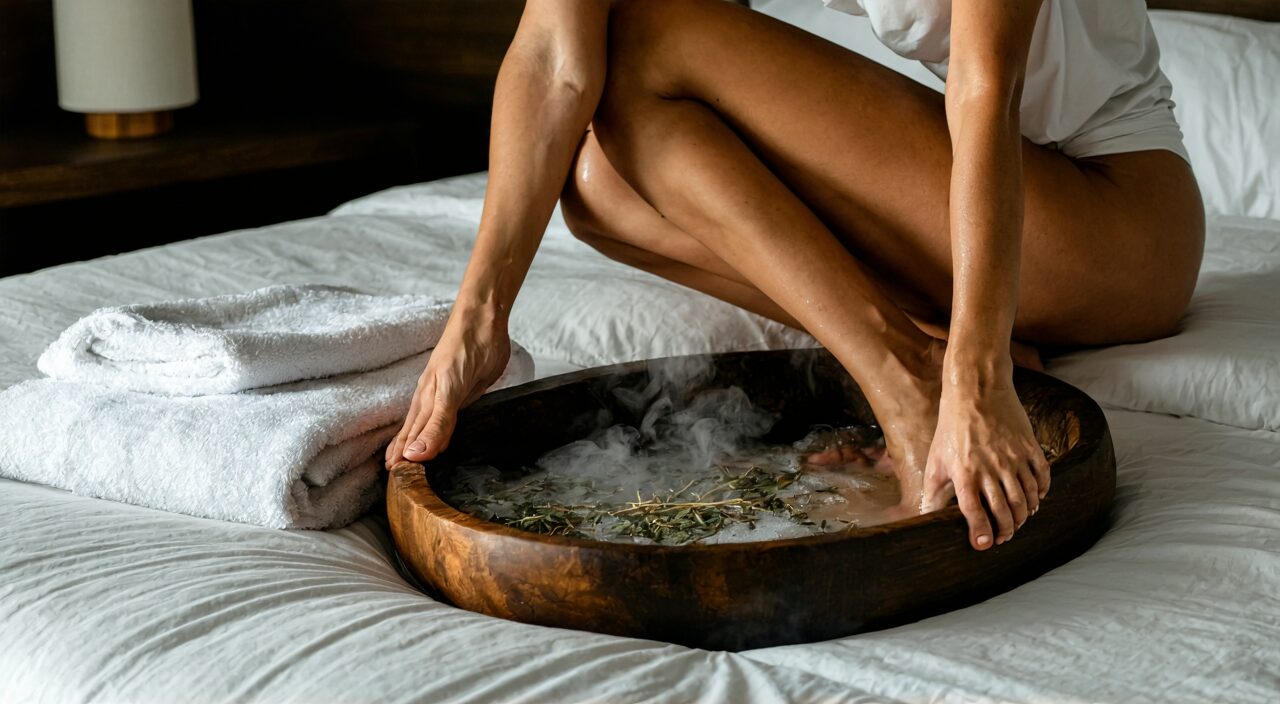
In addition to understanding the use of internal formulas, daily life adjustments deserve equal emphasis. Sleep does not exist in isolation; it is connected to daytime activities, diet, and emotional states. Below are some aspects that can be tentatively adjusted:
- Emotional and stress management: Long-term excessive thinking, tension, and anxiety are common factors that aggravate excessive dreaming. Appropriately engaging in relaxation practices during the day, such as diaphragmatic breathing, slow walks, or listening to soothing music, helps to smooth the overall qi dynamic and reduce mental disturbance at night.
- Reduce mental stimulation before sleep: Avoid watching intense, suspenseful, or stimulating content for a long time before bedtime, and minimize deep thinking work or arguments. One can establish a fixed pre-sleep rhythm, such as a warm foot soak, gentle stretching, or reading something light.
- Consider dietary choices and restrictions: Dinner should not be overly full or too greasy, and avoid eating large amounts right before sleep. TCM often advises that spicy, fried, and excessively sweet foods may contribute to heat and generate phlegm, which can be detrimental for many people with excessive dreaming. Caffeine and strong tea also need to be appropriately controlled according to individual tolerance.
- Create a stable sleep environment: Keeping the bedroom with soft lighting, a suitable temperature, quiet and comfortable, helps to improve sleep continuity, reducing night awakenings and the enhanced dream recall that comes with them.
- Moderate physical activity during the day: Regular and restrained exercise, such as traditional practices like Ba Duan Jin (Eight Section Brocade), Tai Ji Quan, or gentle stretching, benefits the circulation of qi and blood and the relaxation of the mind. However, strenuous exercise before bed is not advisable, as it may leave the body in an excited state and affect falling asleep.
What to pay attention to when choosing Chinese patent medicines and formulas
Many people seek to learn about traditional formulas like Gui Pi Wan, Tian Wang Bu Xin Dan, Bai Zi Yang Xin Wan, or Suan Zao Ren Tang because of excessive dreaming. These are indeed products commonly used in relevant approaches in traditional Chinese medicine, but some basic rational understanding is needed when using them.
First, the selection of Chinese patent medicines and formulas depends heavily on holistic pattern differentiation. The same “excessive dreaming” may stem from different bodily imbalances in different individuals—some lean toward deficiency, some toward heat, and some involve mixed deficiency and excess. If one chooses a formula based on just one or two symptoms, it may not fully correspond to their own constitution, and could even result in feeling “more uncomfortable after taking it.”
Second, the dosage forms, excipients, dosages, and precautions differ among products. For example:
- Tian Wang Bu Xin Dan contains some cloying and nourishing ingredients, so those with weaker digestive function may need to use it with caution
- Bai Zi Yang Xin Wan tends to be warming in nature, and is unsuitable for those with phlegm heat or excessive fire in the body
All of these remind us that when learning about traditional formulas we must make a comprehensive judgment by combining product instructions, personal constitution, and professional advice, rather than blindly following others’ recommendations.
Third, if excessive dreaming is accompanied by the following manifestations, it may involve sleep breathing disorders or other problems, and TCM herbal treatment needs to be carried out on the basis of a clear diagnosis; one should not rely solely on Chinese patent medicines:
- Obvious snoring and breathing pauses
- Extreme daytime sleepiness
- Palpitation and chest tightness
- Limb jerking
When to consult a doctor promptly
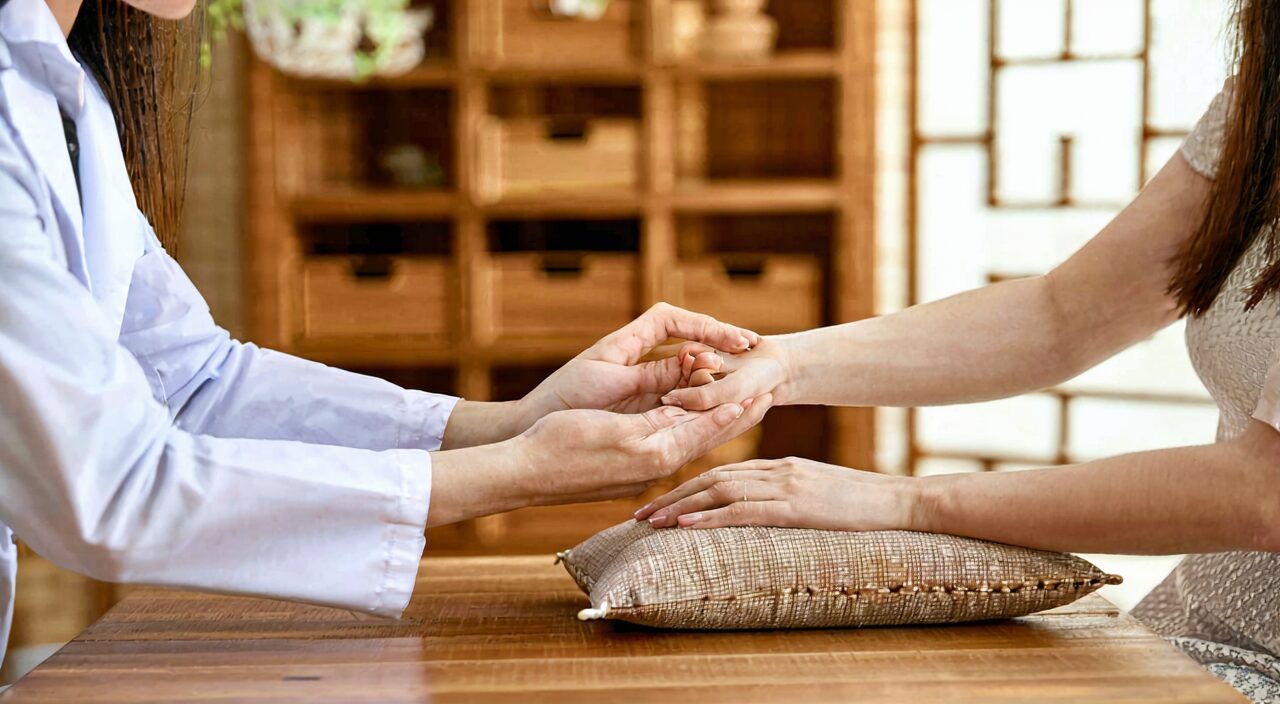
Although excessive dreaming is mostly related to body condition and lifestyle habits, there are still some situations that require more attention and where it is advisable to consult a medical professional as soon as possible:
- Excessive dreaming persists for more than several weeks and noticeably affects daytime energy, memory, and emotional stability
- Dream content is very frightening, similar plots recur repeatedly, and therefore the person becomes afraid to fall asleep
- Abnormal behaviors occur during sleep, such as shouting, kicking, punching, or falling out of bed
- Excessive dreaming is accompanied by marked anxiety, low mood, palpitations, chest tightness, breathing is not smooth, or a sensation of waking up with a smothered feeling at night
- During the use of certain medications, health supplements, or chronic disease treatment, excessive dreaming suddenly worsens or its nature changes significantly
In these cases, purely TCM-based approaches may not be sufficient to address the problem, and a more comprehensive medical evaluation is necessary. Traditional Chinese medicine can serve as one direction for subsequent adjunctive regulation, but cannot replace the diagnosis and treatment of the primary issue.
Summary
Excessive dreaming is part of the sleep experience, and in most cases does not represent a disease. But when it appears in a frequent, persistent form and is accompanied by post-waking fatigue and affected emotions, TCM often understands its causes from the perspective of the functions and qi-blood states of organs such as the heart, liver, spleen, and kidney.
Depending on different overall presentations, the following approaches may be relevant:
| Pattern direction | Common emphasis of manifestations | Examples of traditional formulas often referenced |
|---|---|---|
| Heart blood insufficiency, heart-spleen deficiency | Palpitations, forgetfulness, easy fatigue, poor appetite | Gui Pi Wan |
| Yin-blood deficiency, internal stirring of deficiency heat | Vexation, hot palms, dry mouth, night sweats | Tian Wang Bu Xin Dan |
| Heart qi insufficiency, heart spirit malnourishment | Easily startled and waking, timidity, chest tightness and shortness of breath | Bai Zi Yang Xin Wan |
| Liver blood insufficiency, deficiency vexation and insomnia | Vexation, dizziness, dry eyes, emotional anxiety | Suan Zao Ren Tang |
It is important to note that any formula or Chinese patent medicine has its scope of application and limitations. Individual differences are significant, and whether a formula is suitable still needs to be comprehensively judged by combining one’s specific constitution, product instructions, and professional advice. Never choose a formula based on a single symptom alone.
In daily life, cultivating stable daily routines and managing emotions and diet are equally important for improving sleep quality. If excessive dreaming continues unabated, severely affects daily life, or is accompanied by other worrying physical signals, it is advisable to seek medical attention promptly for a more comprehensive assessment and management.