
TCM Approaches for Light Sleep and Easily Waking: Common Manifestations and Considerations

Many people have experienced this: you are clearly asleep, yet it feels like you dream all night, waking at the slightest noise around you; or you open your eyes precisely at two or three in the morning and then struggle to fall back asleep. This kind of “light sleep” and “easily waking” may not always reach the level of severe insomnia, but over time it leaves you lacking energy during the day, irritable, and can even affect your overall condition.
In the traditional understanding of Chinese medicine, this sort of sleep that is never deep and easily interrupted is often related to certain internal imbalances. This article will help you systematically understand this topic through its manifestations, contributing factors, TCM interpretations, daily adjustments, and considerations when choosing herbal formulas.
Common Manifestations: More Than Just “Easily Waking”
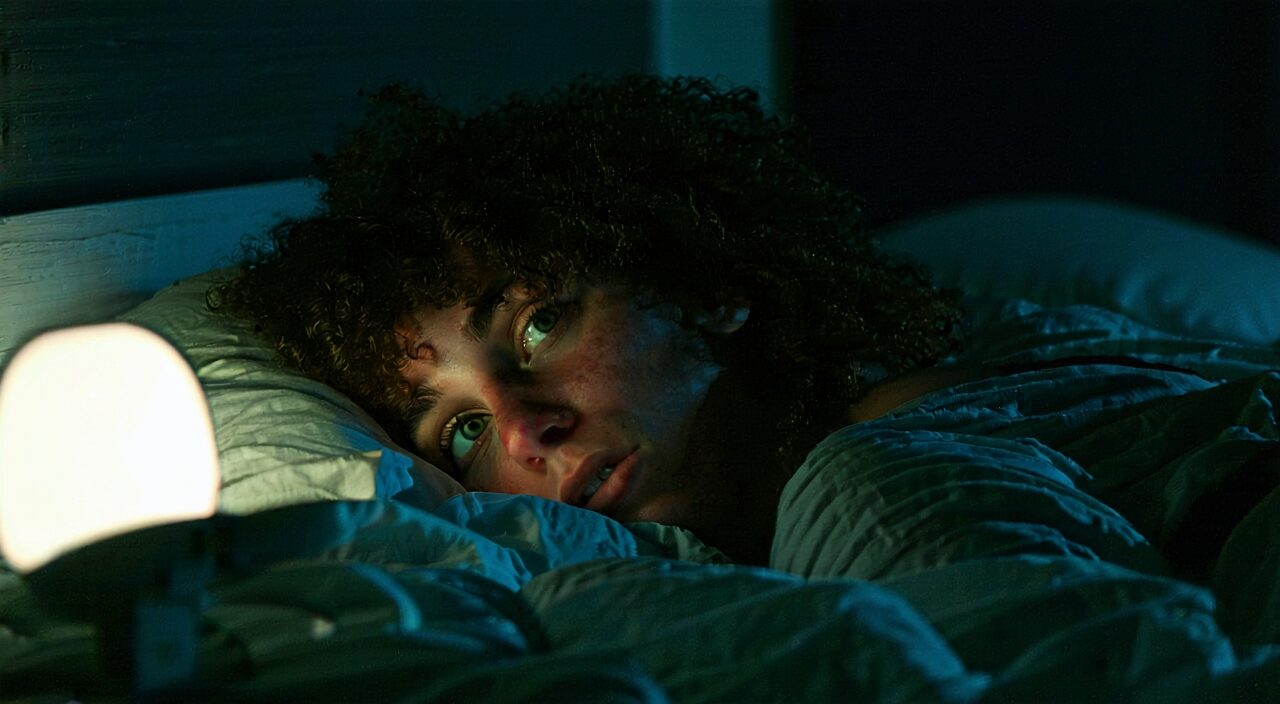
Even though it all falls under light sleep, each person’s experience can differ greatly. Sorting through the different types of experiences can help you describe your situation more clearly and also make it easier to communicate with a professional when needed.
Waking at slight sounds and struggling to fall back asleep
The first half of the night may be tolerable, but as the night deepens, sensitivity to outside sounds becomes extreme. A family member turning over, the sound of a door closing, wind outside the window—any of these can pull you out of sleep. Once awake, the mind quickly becomes alert, and it takes a long time to fall asleep again; sometimes you even remain awake until dawn.
Waking at a fixed time in the middle of the night
Many people wake without warning between one and three in the morning, often accompanied by mild palpitations, a dry mouth, or slight sweating. From a TCM perspective, this type of timed waking may be seen as a reflection of the meridian circulation and the state of the organs at different hours; it is not attributed to a single cause.
As if sleeping yet not sleeping all night, with many dreams and being easily startled
Sleep is so light that you seem aware of everything happening around you. You often have chaotic and tense dreams, and may even wake up startled. In the morning you feel unrested, your head and body feel heavy, and it is hard to concentrate.
Falling asleep easily but with highly fragmented sleep
Unlike the previous types, people in this category usually fall asleep quickly, but their sleep is extremely fragile and they wake many times throughout the night. Each waking episode is brief, but the deep sleep stages are frequently interrupted, leading to extreme fatigue the next day.
The above patterns are not mutually exclusive; they often appear in combination. In TCM, these different manifestations may correspond to different directions of imbalance and cannot be treated uniformly.
What These Sleep Phenomena May Be Related To
Many factors in daily life can make sleep lighter and more fragmented. In addition to the well-known stress and emotional tension, the following aspects deserve attention.
Irregular daily rhythms and circadian disruption
Staying up late for prolonged periods, shift work, or excessively long daytime naps can easily disturb the body’s inherent rhythms. Even if time spent in bed seems sufficient, the sleep structure can become loose, the proportion of deep sleep decreases, and it becomes easier to wake in the middle of the night.
Dietary influences
Overeating at dinner or consuming spicy, greasy foods may keep the stomach and intestines in a more active state at night. Drinking coffee, strong tea, or alcohol too late in the evening also easily disrupts sleep maintenance. From a TCM perspective, improper diet can generate phlegm and dampness or disturb stomach qi, indirectly affecting the depth of sleep.
Excessive rumination and emotional disharmony
Persistent rumination, worry, or suppressed emotions during the day—even if they have not reached the threshold of an anxiety diagnosis—may manifest as restless sleep at night. Traditionally it is believed that “the heart stores the spirit (shen).” Emotional fluctuations such as worry and anxiety can easily affect the tranquility of the heart spirit, making sleep unsettled, dream-filled, and easily interrupted.
Age and changes in qi and blood state
As people age, and especially for women around the perimenopausal transition, many feel that their sleep becomes lighter and they easily wake early. The internal adjustments during this stage may be accompanied by states such as insufficiency of yin and blood and internal disturbance from deficiency heat, which in turn affect the continuity of nighttime sleep. This is a common phenomenon during physiological transitions and does not necessarily indicate illness.
How TCM Understands Light Sleep and Easily Waking
Traditional Chinese medicine’s understanding of sleep often revolves around concepts such as “yin-yang,” “qi and blood,” and “organ functions.” The ideal state is “yang entering yin”—the active daytime energy smoothly returning to the quiet interior at night, allowing one to sleep peacefully. If this process is disturbed, difficulties in falling asleep, waking easily after sleep, or sleeping without feeling rested may occur.
If the “shen” (spirit) is unsettled, sleep is not deep
“The heart governs the shen” is an important theory in TCM. Peace of the heart spirit is key to deep sleep. If heart blood is insufficient and the spirit loses its nourishment, or if factors such as phlegm and heat disturb the heart spirit, it can lead to light sleep, abundant dreams, and being easily startled awake.
The accompanying manifestations differ according to different situations, for example:
- Heart blood insufficiency: often accompanied by forgetfulness and a lusterless complexion;
- Phlegm-fire disturbing the heart: may be accompanied by a bitter taste in the mouth and irritability.
The liver’s regulatory role and nighttime waking
The liver governs the free flow of qi and regulates the body’s qi mechanisms. If emotions are stuck, liver qi stagnates, and over time it turns into fire; the fire-heat rises and disturbs the heart spirit, making it easy to fall asleep initially but then wake in the middle of the night, especially around one to three o’clock in the morning. This cannot simply be reduced to a single pattern of “exuberant liver fire”; it requires a comprehensive assessment including whether there is distension in the rib cage, irritability, a bitter taste, and other signs.
The connection between the spleen-stomach and sleep
“If the stomach is not in harmony, sleep is not peaceful” is a classic statement in TCM. Weak spleen and stomach function or dietary stagnation can lead to the internal generation of dampness and turbidity, obstructing the qi mechanism and affecting the normal descent of qi from the upper jiao, which results in sleep that is not deep and restless nights. This type of situation is often accompanied by digestive manifestations such as abdominal bloating, belching, and irregular bowel movements.
The kidney’s function of storing essence and deep sleep
The kidney stores essence, essence produces marrow, and the brain is the sea of marrow. Old age, protracted illness, or excessive depletion can cause deficiency of kidney essence, leaving the sea of marrow under-filled. In this case, not only does sleep become light and easily interrupted, but there are often accompanying symptoms such as soreness and weakness of the lower back and knees, dizziness, tinnitus, and memory loss. Kidney yin deficiency may also lead to upward floating of deficiency fire, further disturbing the continuity of sleep.
It is especially important to note that the above directions often influence each other, and one person may exhibit two or three patterns at the same time. This is why TCM regulation emphasizes “pattern differentiation (bianzheng)” rather than mechanically applying a particular pattern type.
Daily Life Adjustments Worth Paying Attention To

Before seeking professional TCM pattern differentiation, there are some universally applicable adjustments in daily life that may help improve sleep depth.
Establish stable bedtime and wake-up times
Try to go to bed and get up at the same time every day. Even if sleep is interrupted during the night, avoid staying in bed for long periods to compensate. A stable rhythm helps the body gradually regain its order of deep sleep at night.
Create a quiet, dark sleeping environment
People with light sleep are often more sensitive to light and sound. Use blackout curtains and earplugs to reduce interference from early morning light and sudden noises. The bedroom temperature should not be too high, and the breathability and comfort of the bedding are also worth considering.
Pre-bed relaxation rituals
Avoid dealing with stressful matters at night; you can try:
- Soaking your feet in warm water
- Listening to music with a slow rhythm
- Doing gentle stretching or breathing exercises
These practices may help the spirit gradually withdraw from the excited state of the day.
Adjust evening diet and beverages
- Finish dinner about three hours before bedtime and avoid overeating, greasy foods, or excessive sweets.
- After midday, cut down on stimulating beverages such as strong tea and coffee.
- Some people fall asleep more quickly after alcohol in the evening but tend to wake in the second half of the night with restless sleep; this is also worth noting.
Moderate daylight exposure and exercise during the day
Appropriate activity and sunlight during the day help normal melatonin secretion at night and enhance sleep depth. The intensity of exercise can be chosen according to individual circumstances, and it is advisable to avoid overly vigorous exercise in the evening so that yang qi is not over-stimulated and impairs falling asleep.
Understanding Prescriptions and Chinese Patent Medicines
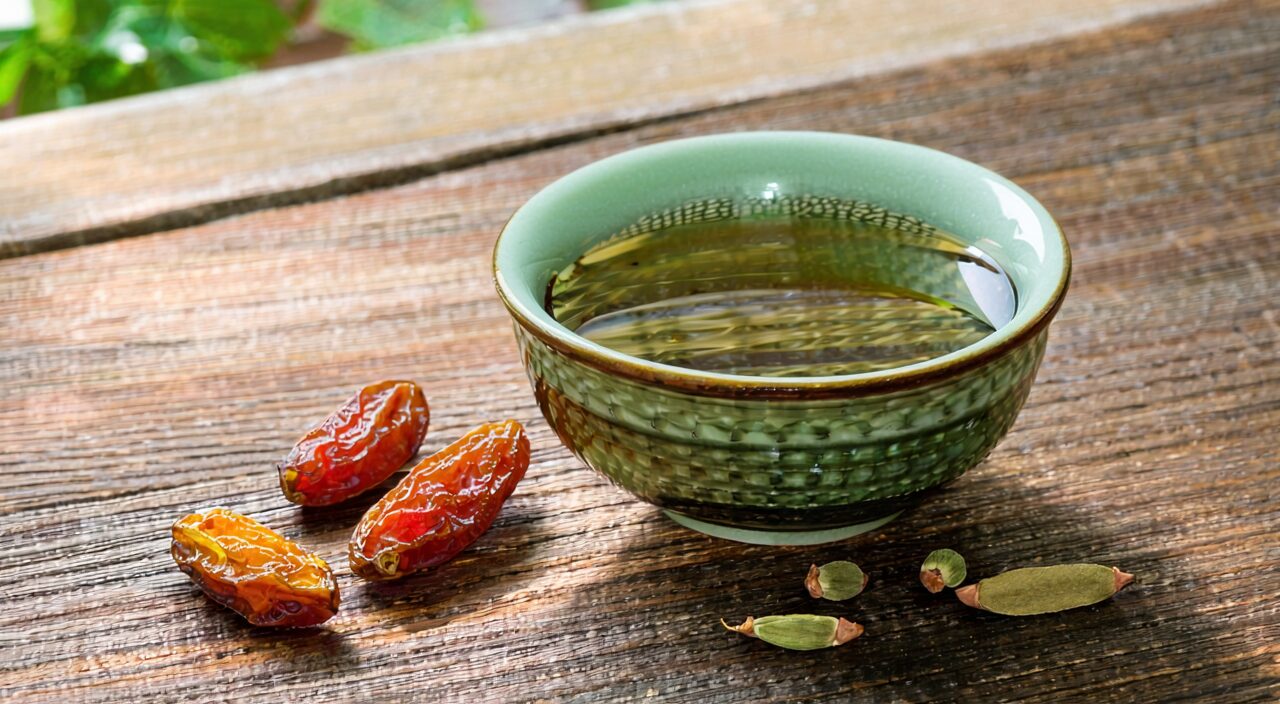
In traditional Chinese medicine practice, certain formulas and patent medicines are often used for regulatory directions corresponding to different manifestations such as light sleep and easily waking. Here are some common relevant formulas and their traditional contexts of use, offered only as informational directions and not as individual recommendations.
Suan Zao Ren Tang (Sour Jujube Decoction)
Suan Zao Ren Tang is commonly seen in the type of deficiency-vexation and inability to sleep caused by blood deficiency with internal heat. The classical description includes vexation in the heart, unsettled sleep, dizziness and heaviness of the head, a dry throat and mouth. For light sleep and easily waking due to insufficiency of heart blood and liver blood combined with slight disturbance of deficiency heat, this is traditionally one of the more commonly used directions. Whether it is suitable must be determined by combining individual tongue and pulse signs and specific symptoms.
Bai Zi Yang Xin Wan (Biota Seed Pill to Nourish the Heart)
Bai Zi Yang Xin Wan is more often seen in cases of heart qi deficiency and heart blood vacuity, especially for those who easily experience palpitations, forgetfulness, mental fatigue, and unsettled sleep. If sleep is easily interrupted along with chest oppression and shortness of breath, and being easily frightened, this can be an option for understanding. However, it should be noted that it is not suitable if manifestations of phlegm-heat or excess fire are obvious.
Tian Wang Bu Xin Dan (Celestial Emperor Heart-Supplementing Elixir)
Tian Wang Bu Xin Dan is commonly used for insomnia with abundant dreams, palpitations and forgetfulness, and deficiency vexation and restlessness arising from non-interaction between heart and kidney and insufficiency of yin and blood. If light sleep is accompanied by clear signs of yin deficiency such as heat in the palms and soles, a dry mouth, dry stools, and a red tongue with little coating, this direction is traditionally given more consideration. But this does not mean it is suitable for all cases of easily waking; it must be matched with the typical features of yin deficiency with internal heat.
Gui Pi Wan (Spleen-Restoring Pill)
Gui Pi Wan traditionally emphasizes dual deficiency of the heart and spleen, namely unsettled sleep caused by excessive rumination and taxation damaging the heart and spleen, with fatigue after waking, poor appetite, a sallow complexion, palpitations, and forgetfulness. If light sleep coexists with poor digestion, easy fatigue, scanty and pale menstruation, and the like, this can be a referenced object of understanding.
The formulas and patent medicines mentioned above have strict pattern indications in their specific application; they are not universal options for “light sleep.” People’s constitutions and states of cold, heat, deficiency, and excess vary greatly. Some situations may require adjustment of the combination, and some may not be suitable at all. Therefore, it is advisable to consult a TCM practitioner or professional based on an understanding of the product descriptions and to make judgments according to individual actual situations. Self-combination or long-term use without guidance is not recommended.
When It Is Advisable to Seek Medical Attention Promptly
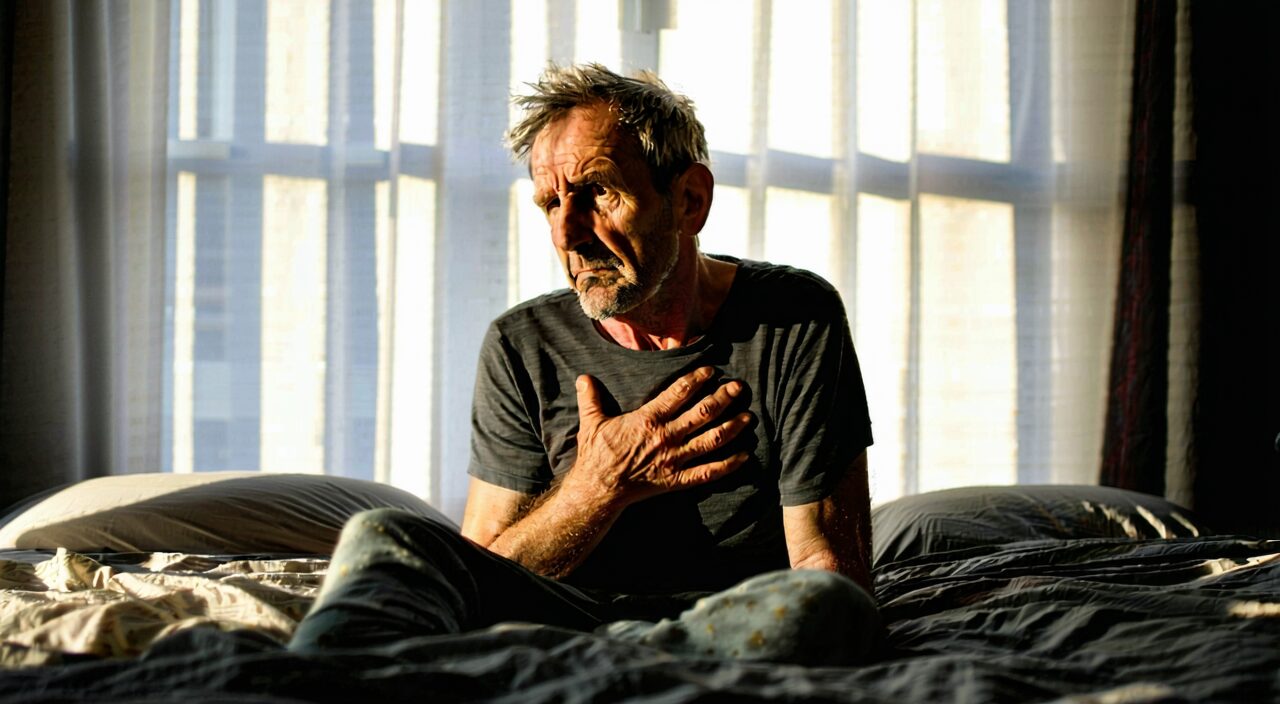
Some situations of light sleep and easily waking, if they persist or are accompanied by other noteworthy physical signals, may require more in-depth evaluation. The following circumstances warrant close attention:
- Severely fragmented sleep with more than three awakenings per night that lasts for several weeks, making it impossible to maintain normal work and life during the day;
- Waking at night accompanied by chest oppression, palpitations, difficulty breathing, chest pain, or abnormal sweating sensations;
- Light, non-restorative sleep and early waking together with persistently low mood, loss of interest, marked change in appetite, or a constant feeling of inexplicable tension and fear;
- Loud and irregular snoring with breathing pauses and a sensation of breathlessness, and extreme daytime drowsiness even though sleep time appears adequate;
- Long-term inability to return to sleep after a brief awakening, with significant weight changes, abnormal body temperature, or other systemic discomfort occurring simultaneously.
The above situations may go beyond the scope of pure sleep issues and require comprehensive assessment by a doctor or relevant professional. Although TCM regulation can serve as an auxiliary direction, it should not replace necessary medical examinations and diagnoses. In particular, severe sleep fragmentation accompanied by physical discomfort or emotional disorders must be prioritized for medical consultation.
Summary
Light sleep and easily waking are very common sleep complaints, with diverse manifestations and various underlying causes. From the perspectives of qi and blood, yin-yang, and organ functions, TCM provides a framework for understanding that allows us to more carefully identify the possible indications of different types of nighttime waking. Whether it is heart blood insufficiency, liver depression transforming into heat, spleen-stomach disharmony, or yin deficiency with internal disturbance, each has its corresponding traditional identification methods and regulatory approaches, but these all need to be judged in combination with the individual’s specific condition and cannot be simplistically matched to a set pattern.
In daily life, stabilizing your daily rhythm, optimizing the sleep environment, adjusting diet, and relaxing the mind can to some extent create favorable conditions for deep sleep. Traditional formulas such as Suan Zao Ren Tang, Bai Zi Yang Xin Wan, Tian Wang Bu Xin Dan, and Gui Pi Wan, though commonly mentioned for related directions, still require consideration of constitutional differences and professional pattern differentiation when actually selecting them; deciding to take them on your own is not recommended.
Most importantly, when light sleep and easily waking persist, or are accompanied by noticeable physical discomfort, mood changes, or abnormal breathing, you should promptly seek professional medical help rather than relying solely on self-regulation. May every reader, with a scientific and cautious attitude, gradually approach a state of peaceful and deep sleep.