
Still Tired After Waking Up? Sleep Quality and Daily Care from a TCM Perspective

Many people struggle with this: even after sleeping for seven or eight hours, they still feel tired upon waking, as if they hadn’t rested at all. This sensation of “waking up tired” or “still tired after sleep” is often more overlooked than difficulty falling asleep.
From a Traditional Chinese Medicine (TCM) perspective, sleep is not merely a period of “rest with eyes closed” measured by duration; it relates to the body’s internal restoration of qi, blood, yin, and yang. If you still feel fatigue, dizziness, and mental sluggishness after waking, it may indicate that sleep quality needs attention, or that the body failed to complete adequate self-repair during the night.
In TCM theory, the purpose of sleep is not simply stillness, but a state where yin and yang transition, and the circulation of qi and blood is regulated. At night, yin blood returns to be stored in the liver, yang qi enters the yin component, the heart spirit is calmed, and all organs are nourished. If this process is obstructed, even with sufficient sleep duration, you may wake up feeling unrested. This article will explore common signs, potential lifestyle factors, the TCM understanding of sleep quality and qi-blood status, and directions for daily care, helping you better understand this phenomenon.
Common Signs of Waking Up Tired and Possible Lifestyle Factors
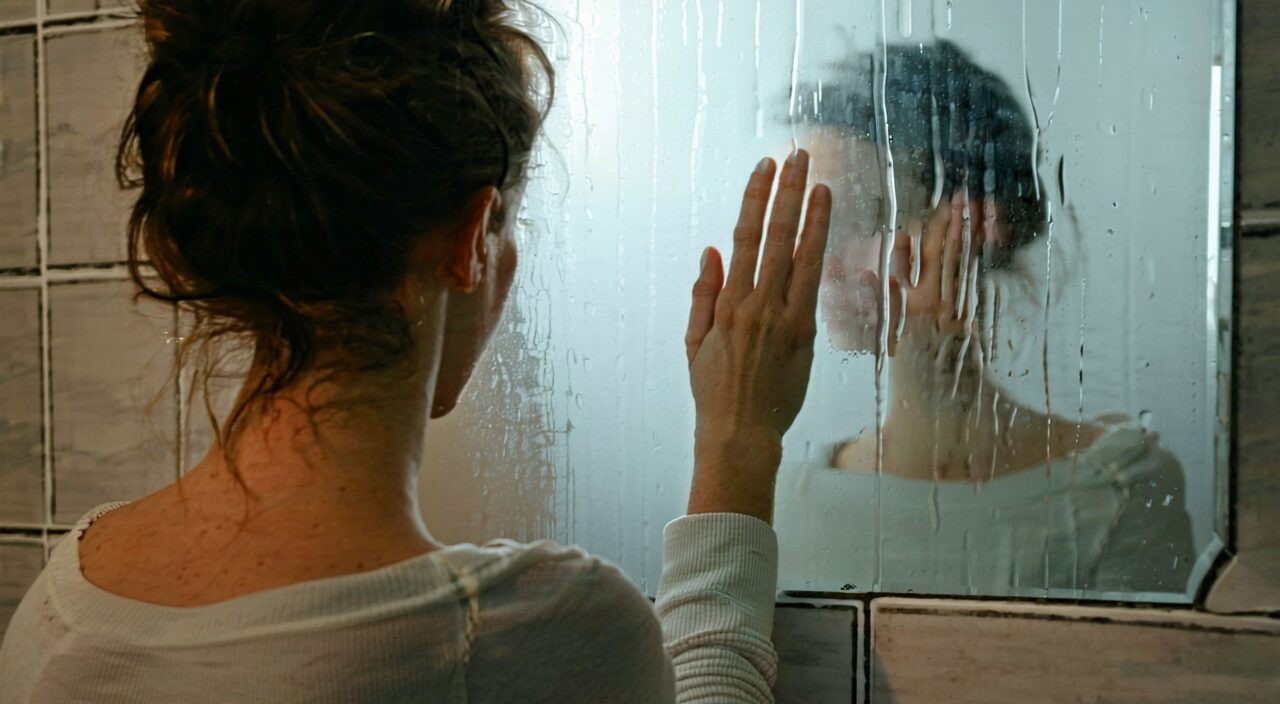
Many people assume that “tired” simply means not getting enough sleep, so they try to compensate with longer bed rest, only to find limited effectiveness. Waking up tired is often not just a single feeling of weariness but a cluster of physical signals, such as:
- A heavy, wrapped-up feeling in the head upon rising
- Heavy limbs and mental fogginess
- Difficulty concentrating
- Puffy eyelids, sticky mouth, or bitter taste
These signs may be more noticeable after holidays or rest days, easily giving the impression that “the more you sleep, the more tired you feel.”
Subtle lifestyle shifts often play an important role here:
- Improper eating rhythm: Overeating or eating too late at dinner forces the spleen and stomach to keep working during their resting time. TCM says, “When the stomach is disturbed, sleep is uneasy.” This uneasiness may not always manifest as insomnia but can lead to lighter sleep, more dreams, and post-sleep fatigue.
- Chronic late nights and rhythm disruption: Staying up late consumes yin blood and disrupts the circadian rhythm, so yang qi cannot enter yin on schedule. Even if you catch up on sleep during the day, you may still wake up groggy.
- Prolonged sitting and lack of movement: Inactivity easily leads to qi stagnation, which can affect the smooth circulation of qi and blood at night.
- Mental stress and excessive rumination: These tend to silently deplete heart blood, causing the heart spirit to lose nourishment and reducing the restorative power of sleep.
It’s also worth noting that if you experience persistent, recurrent extreme fatigue upon waking along with obvious low mood, anxiety, palpitations, chest tightness, or abnormal breathing, it may go beyond simply “not enough rest.” In such cases, it is advisable to consult a doctor or professional for a thorough evaluation.
How TCM Understands “Non-Restorative Sleep”
TCM’s focus on sleep quality is not limited to the outcome of “falling asleep” but places greater importance on the mental state upon waking. Traditionally, “lying down and being able to sleep, and waking up clear-minded” is considered the ideal state. If fatigue remains after waking, it is often attributed to the failure of qi, blood, yin, and yang to be effectively restored during sleep.
Below are several common directions; these are not single patterns, and an individual’s situation may involve overlapping factors.
Qi and Blood Deficiency: Insufficient Nourishment
Qi and blood are the material foundation for maintaining mental vitality. If the spleen and stomach are constitutionally weak and the production of qi and blood is insufficient, or if overwork and excessive worry consume blood, the yin blood at night is insufficient to nourish the heart spirit and the entire body. This leads to fatigue upon waking even after sleep, low energy, and a lusterless complexion. Such individuals may also experience shallow sleep, dream-disturbed sleep, and easy waking.
Traditionally, the approach of boosting qi, nourishing blood, strengthening the spleen, and calming the spirit is used to improve sleep quality and the post-waking state. Gui Pi Wan (Restore the Spleen Pill) is a commonly mentioned option within this approach, but whether it is suitable specifically needs to be determined based on individual constitution and symptoms.
Dampness Encumbering Spleen Yang: Clear Yang Fails to Rise
Some people sleep for a long duration but still wake up with a heavy head, body fatigue, and heavy limbs, as if wrapped in a wet cloth. This is often related to an excess of internal dampness. The damp pathogen encumbers the spleen yang, so the clear yang qi cannot ascend smoothly to the head and eyes, causing mental fogginess and lethargy.
Improper diet, a preference for raw, cold, and greasy foods, or a damp living environment can all worsen dampness encumbrance. For such individuals, care often needs to begin with strengthening the spleen and transforming dampness, rather than simply extending sleep duration.
Liver Qi Stagnation: Blocked Qi Flow
Emotional factors are also an important trigger for waking up tired. The liver governs the free flow of qi, regulating the smooth movement of qi throughout the body. Under prolonged high stress or emotional suppression, liver qi tends to stagnate, and qi flow becomes obstructed. At night, the liver’s blood-storing and regulating functions may be affected. Such individuals may experience light sleep, chaotic dreams, fatigue after waking, and even distension and oppression in the chest and hypochondrium, and frequent sighing.
Traditionally, the approach of soothing the liver, relieving depression, regulating qi, and calming the spirit is considered. For example, Suan Zao Ren Tang (Sour Jujube Decoction) is often used for deficiency irritability and sleeplessness caused by liver blood deficiency and internal disturbance of deficiency heat, along with related shallow sleep and easy waking. However, whether it suits a particular person with “waking up tired” still needs to be analyzed in the context of specific tongue and pulse signs and accompanying symptoms.
Yin Deficiency with Fire Hyperactivity: Internal Disturbance of Deficiency Heat
Some people may have insufficient yin fluids, leading to deficiency fire disturbing the heart spirit, causing difficulty falling asleep, dream-disturbed sleep, night sweats, dry mouth, etc. The drop in nighttime sleep quality naturally results in low energy after waking.
Formulas like Bai Zi Yang Xin Wan (Biota Seed Nourishing the Heart Pill) focus on nourishing the heart and calming the spirit, and are traditionally used for sleep issues possibly arising from heart deficiency, blood deficiency, and mental restlessness. However, if sleep problems are accompanied by severe palpitations, chest tightness, etc., self-selection is not recommended, and a doctor should first clarify the cause.
Thus, in TCM, “waking up tired” is not a single issue but is closely related to factors such as whether qi and blood are sufficient, whether dampness is obstructing, whether qi flow is smooth, and whether yin and yang are balanced. These need to be addressed holistically, not just by a single herbal formula.
Common Directions for Daily Care
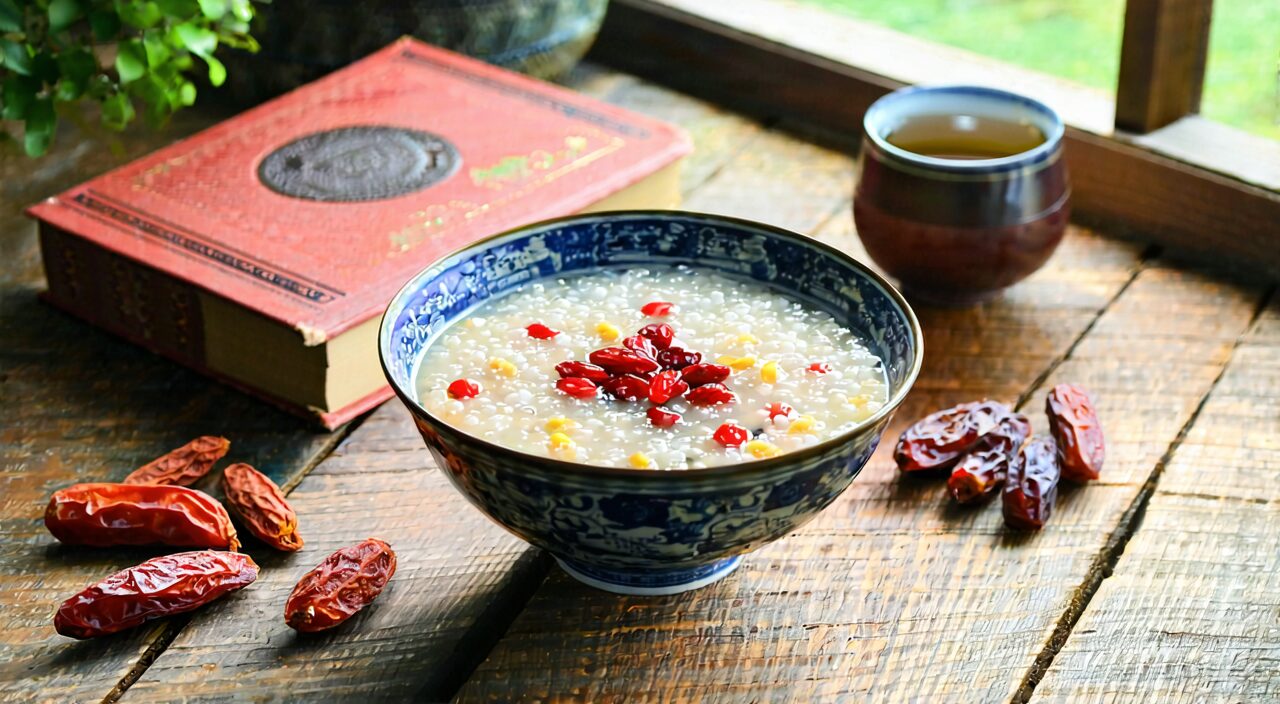
Improving post-sleep fatigue often requires working simultaneously on enhancing sleep quality and daily well-being. Below are some TCM-inspired lifestyle care ideas that can serve as directions to explore, but they still need to be flexibly adapted to individual circumstances.
Dietary Adjustments with a Focus
TCM advocates for “when the stomach is harmonious, sleep is peaceful.” Dinner should be light and easy to digest, avoiding going to bed either too full or hungry. Depending on constitutional types, daily diet can be adjusted:
- Tendency toward heavy dampness: If you are prone to morning puffiness or a heavy head like being wrapped, you may moderately reduce sweet, rich, and raw/cold foods, and include more spleen-strengthening and dampness-draining ingredients such as coix seed (yi yi ren), white hyacinth bean (bai bian dou), and poria (fu ling).
- Tendency toward qi and blood deficiency: If you have a sallow complexion and fatigue easily, you can include blood-nourishing and qi-boosting foods such as red dates (da zao), longan (gui yuan), and Chinese yam (shan yao), while being careful not to overdo or eat overly cloying foods.
- Tendency toward vexation and dry mouth: You can add a small amount of lily bulb (bai he) or lotus seed (lian zi) to clear and calm the spirit.
Dietary adjustments do not bring results in a day or two; they require consistent long-term practice aligned with your constitution.
Sleep-Wake Rhythm Aligned with Nature
TCM emphasizes the concept of the “Zi Wu sleep,” considering that zi hour (11:00 pm – 1:00 am) is when yin qi is at its peak and yang qi just begins to emerge; deep sleep during this time aids the storage of yin blood and the sprouting of yang qi. Chronic late nights and day-night reversal easily disrupt this rhythm, reducing the body’s repair efficiency.
Developing relatively fixed bedtimes and wake-up times, and avoiding prolonged daytime catch-up sleep, helps restore a normal sleep rhythm. If nighttime sleep is insufficient, a short period of resting the eyes can help during the day, but it should not exceed half an hour, so as not to reduce nighttime sleep drive.
Smooth Emotions and Moderate Activity
“When the spirit is calm, one can sleep.” Emotional stability is an important safeguard for good sleep and post-waking state. Before bed, try putting away electronic devices and using breathing exercises or quiet reading to gradually settle the spirit.
For those who tend to overthink and whose qi easily stagnates, maintaining moderate daytime activity such as walking, Ba Duan Jin (Eight Brocades Qigong), or Tai Chi can help qi flow, allowing nighttime qi and blood to return to the organs more smoothly. However, intense exercise before bed is not advisable, as it may overly excite yang qi and prevent it from entering yin.
Points to Note When Considering Related Chinese Patent Medicines
In traditional Chinese medicine care, there are indeed classic formulas and patent medicines targeting different aspects of sleep disturbance. For example:
- Gui Pi Wan (Restore the Spleen Pill): Often used for insufficient sleep depth and post-waking fatigue caused by heart-spleen deficiency and qi-blood deficiency;
- Suan Zao Ren Tang (Sour Jujube Decoction): Possibly used for shallow sleep, early waking, and irritability caused by liver blood deficiency with internal deficiency heat disturbance;
- Bai Zi Yang Xin Wan (Biota Seed Nourishing the Heart Pill): Commonly seen in patterns of heart blood and essence deficiency and mental restlessness that may involve palpitations and insomnia.
These are all traditional usage directions. Whether they are suitable for you personally still requires comprehensive judgment based on your constitution, symptom characteristics, tongue and pulse signs, and product instructions.
It is important to note that different constitutions may react differently to the same patent medicine. If waking up tired is accompanied by significant anxiety or depression, palpitations, chest tightness, breathing difficulties, or fails to improve over the long term, it is recommended not to self-medicate but to consult a doctor first in order to rule out other health concerns and receive professional guidance.
When to Seek Professional Help
While daily care has a positive effect on improving sleep quality and the post-waking state, the following situations deserve attention:
- Waking up tired persists for more than several weeks, affecting normal work and daily life
- Accompanied by noticeable mood swings, decreased interest, palpitations, chest tightness, or waking up breathless at night
- Symptoms show no improvement despite adequate rest, diet, and emotional adjustments
- Coexisting other health issues, such as chronic pain, severe snoring, or blood pressure fluctuations
When the above occurs, it is advisable to consult a doctor or sleep specialist in a timely manner for a thorough evaluation, so as to avoid complications from overlooking underlying issues.
Summary
Still feeling tired after waking does not necessarily mean you “didn’t sleep enough” but may indicate that sleep quality and the body’s repair process deserve attention.
TCM traditionally understands this phenomenon from multiple angles, such as whether qi and blood are ample, whether dampness is encumbering, whether qi movement is smooth, and whether yin and yang are in harmony, and emphasizes collaborative improvements through diet, sleep routine, and emotional regulation.
Some Chinese patent medicines such as Gui Pi Wan, Suan Zao Ren Tang, and Bai Zi Yang Xin Wan are traditionally used for relevant care directions, but individuals need to consider their constitution and symptoms, refer to product instructions, and seek professional advice when appropriate. If fatigue persists long-term or is accompanied by obvious discomfort, it is safer to consult a doctor first.