
What Is Anemarrhena? Medicinal Parts, Identification, and Common Formulas
Anemarrhena (Zhi Mu) is one of the commonly used heat-clearing herbs in traditional Chinese medicine, derived from the dried rhizome of Anemarrhena asphodeloides, a plant of the Liliaceae family. In TCM theory, Anemarrhena is bitter and sweet in taste, cold in nature, and enters the Lung, Stomach, and Kidney meridians. It is often used to address febrile disease with thirst, lung heat dry cough, bone-steaming tidal fever, and other conditions. Many overseas friends interested in TCM often ask, “What is Anemarrhena?”, “What does it look like?”, and “How to distinguish it from Phellodendron?” This article will introduce these aspects to help everyone understand this herb more systematically.
What Does Anemarrhena Look Like? How to Identify It?
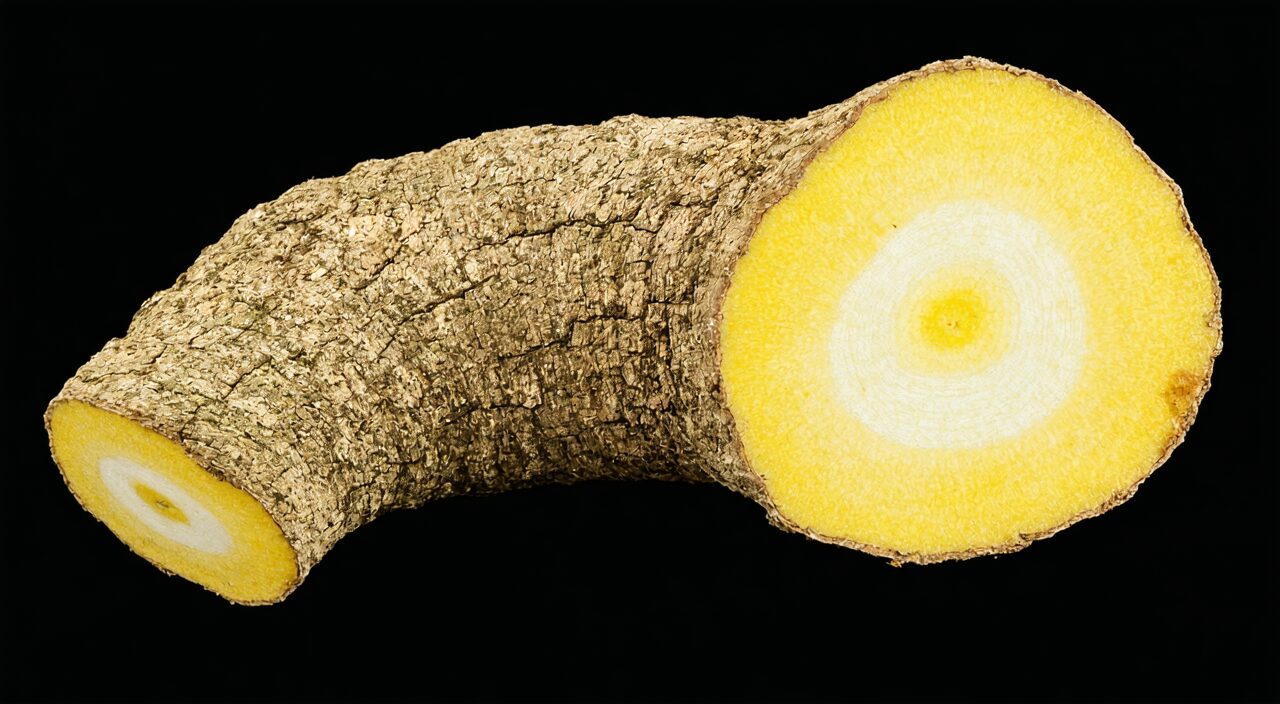
Anemarrhena medicinal slices and whole rhizomes have many recognizable features. Traditionally used Anemarrhena is mostly flattened cylindrical, slightly curved, sometimes branched, generally 3–15 cm long and about 0.8–1.5 cm in diameter. The surface color is mostly yellowish-brown to brown, with closely arranged annular nodes; on the nodes there are often yellowish-brown or brown scale leaf scars, which are the residual bases of leaves. Some Anemarrhena may still have stem scars or leaf scars at the top. When broken, the cross-section is yellowish-white, relatively dense, sometimes with scattered small vascular points. The odor is slight; when chewed, it tastes slightly sweet with a slight bitterness, and the saliva may be stained yellow.
When identifying, note the difference from herbs also with flattened cylindrical or cylindrical shapes, such as Belamcanda (She Gan) and Imperata (Bai Mao Gen). Anemarrhena has dense nodes and a yellowish-white cross-section without excessive fiber, which are important distinguishing points. In addition, the common “hairy Anemarrhena” (mao zhi mu) retains the outer skin and has a rougher surface with more obvious residual leaf bases; “Anemarrhena flesh” (zhi mu rou) is peeled, lighter in color. These appearance differences also help identification.
What Is the Medicinal Part of Anemarrhena?
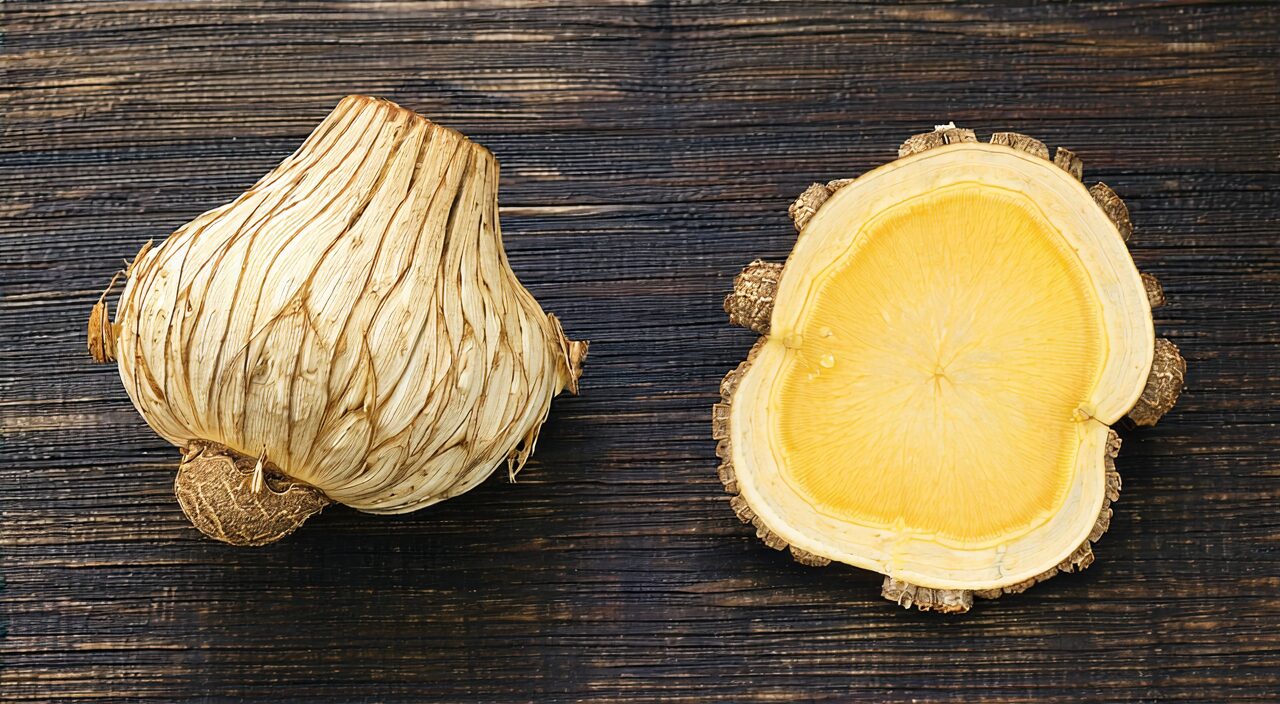
The medicinal part of Anemarrhena is the dried rhizome, commonly called “Anemarrhena rhizome.” It is harvested in spring or autumn; after removing rootlets and sediment, it is dried in the sun to become “mao zhi mu” (hairy Anemarrhena). If the outer bark is scraped off while fresh and then dried, it becomes “zhi mu rou” (Anemarrhena flesh). The two have similar effects, but traditionally Anemarrhena flesh excels at nourishing yin and moistening dryness, while hairy Anemarrhena has slightly stronger heat-clearing power. There is also a processed product called “salt-prepared Anemarrhena” (yan zhi mu), which is Anemarrhena slices stir-fried with salt water until dry. Salt-prepared Anemarrhena has a more prominent action on the Kidney meridian and is often used for yin deficiency with fire hyperactivity, bone-steaming tidal fever, etc. Therefore, Anemarrhena’s medicinal part is the rhizome; different harvesting and processing methods cause slight differences in characteristics and application emphasis. Understanding these differences helps clarify your needs when dealing with Chinese herbs.
How Does TCM Understand Anemarrhena?
Traditional Chinese medicine mainly views Anemarrhena as clearing heat, purging fire, and nourishing yin to moisten dryness. Its heat-clearing pathway involves the qi aspect as well as the Lung, Stomach, and Kidney meridians, making its action quite broad. During febrile diseases, if high fever, vexation and thirst, and surging pulse appear, it is often combined with Gypsum (Shi Gao), as in Baihu Tang (White Tiger Decoction), using Anemarrhena to help clear heat, relieve vexation, and stop thirst. In cases of lung heat dry cough with scanty, difficult-to-expectorate phlegm, Anemarrhena is often paired with Bulbus Fritillariae (Chuan Bei Mu) and Radix Trichosanthis (Tian Hua Fen) to moisten the lungs and clear heat. For yin deficiency with fire hyperactivity presenting as bone-steaming tidal fever, night sweats, and vexation, Anemarrhena is commonly used with Phellodendron, as in Zhibai Dihuang Wan (Anemarrhena and Phellodendron Rehmannia Pill), aiming to nourish yin and subdue fire. For wasting-thirst related conditions, Anemarrhena is traditionally used together with yin-nourishing and qi-tonifying herbs.
These applications are based on traditional TCM pattern differentiation. Whether they are suitable for an individual should be determined by a professional based on constitution and symptoms; one should not simply match symptoms and self-medicate.
What Have Modern Studies Discovered?
Modern pharmacological research has isolated various active constituents from Anemarrhena, including timosaponins, anemarrhena polysaccharides, mangiferin, etc. Relevant studies suggest that Anemarrhena extracts may exhibit activities in anti-inflammation, antioxidation, immune modulation, and hypoglycemic effects. For example, timosaponins are considered potentially helpful for improving memory and neuroprotection; mangiferin has anti-inflammatory and antioxidant potential; anemarrhena polysaccharides have some preliminary exploration in regulating blood sugar. These studies provide some modern perspectives for the traditional use of Anemarrhena, but most are still at the laboratory or animal experiment stage and far from clinical translation. Therefore, these findings are for reference and understanding only and should not be directly equated with therapeutic effects, nor should they replace medical advice.
How Does Anemarrhena Differ from Phellodendron and Trichosanthis Root?
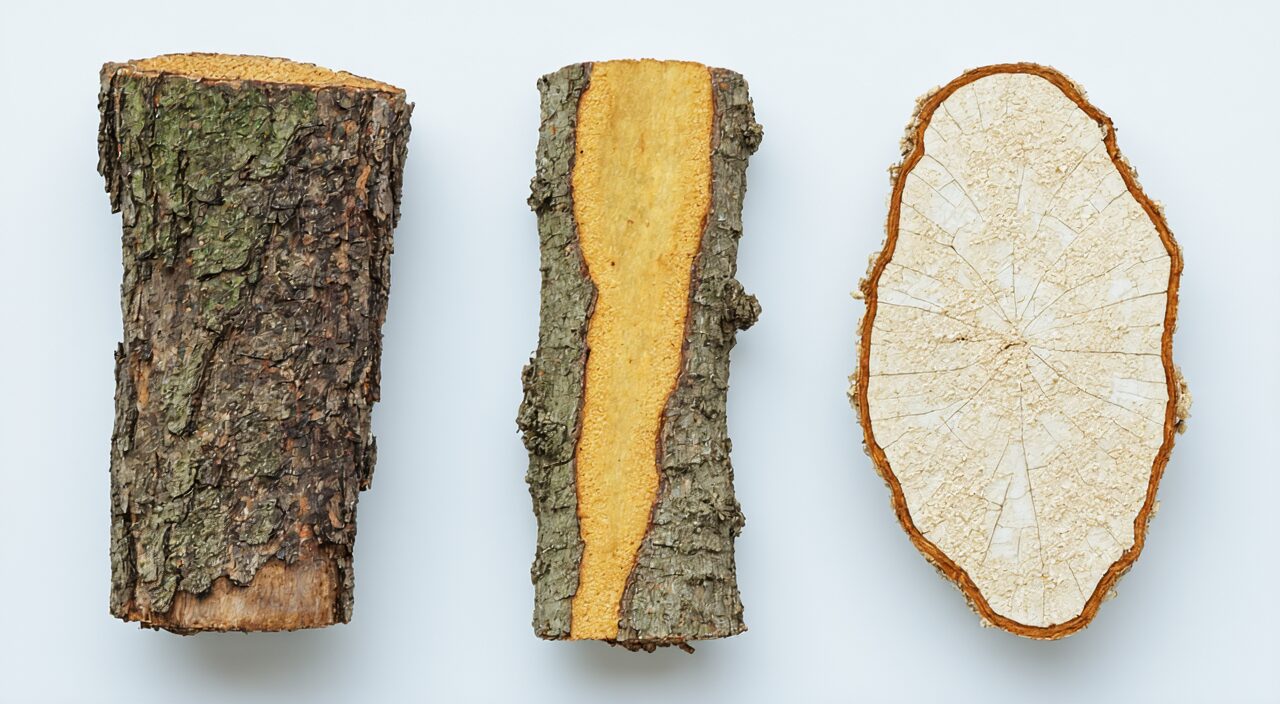
Anemarrhena is often mentioned together with Phellodendron (Huang Bai), but they are clearly different in plant source, medicinal part, and traditional application emphasis. In appearance, Anemarrhena is a rhizome, flattened cylindrical, yellowish-brown, with nodes; Phellodendron is the dried bark of the Rutaceae plant Phellodendron chinense, occurring in plate-like or slightly grooved pieces, outer surface yellowish-brown, inner surface dark yellow, cross-section strongly fibrous and yellow. Regarding medicinal parts, Anemarrhena uses the rhizome, while Phellodendron uses the bark. In traditional applications, Anemarrhena leans toward clearing heat and nourishing yin, whereas Phellodendron leans toward clearing heat and drying dampness, and especially excels at clearing damp-heat in the lower burner and reducing deficiency heat. When paired, as in Zhibai Dihuang Wan, they address yin deficiency with fire hyperactivity, but each has different emphasis.
Radix Trichosanthis (Tian Hua Fen) is the dried root of Trichosanthes kirilowii, irregularly cylindrical or spindle-shaped, surface yellowish-white to pale brown, cross-section white or pale yellow, starchy. Trichosanthis root is traditionally also used to clear heat, purge fire, promote fluid production, and alleviate thirst, especially suitable for febrile thirst, lung heat dry cough, and wasting-thirst. Compared with Anemarrhena, Trichosanthis root is more potent in promoting fluid production but weaker in nourishing yin, and lacks the typical application of entering the Kidney meridian to reduce deficiency heat. Therefore, Anemarrhena clears heat and nourishes yin, Phellodendron clears heat and dries dampness, and Trichosanthis root clears heat and generates fluids; the three have different directions and should be used according to specific situations and combinations.
Which Formulas Use Anemarrhena?
Anemarrhena appears in many classic formulas. Here are several representative ones to help you understand the direction of traditional formulas.
- Baihu Tang (White Tiger Decoction): Composed of Anemarrhena, Gypsum (Shi Gao), Honey-fried Licorice (Zhi Gan Cao), and rice (Jing Mi). It is a classic formula for treating exuberant heat in the yangming qi aspect. Traditionally used for high fever, profuse sweating, severe thirst, and surging pulse. Anemarrhena assists Gypsum in clearing heat while moistening dryness and relieving vexation.
- Zhibai Dihuang Wan (Anemarrhena and Phellodendron Rehmannia Pill): Based on Liuwei Dihuang Wan with Anemarrhena and Phellodendron added; often used for yin deficiency with fire hyperactivity, tidal fever, night sweats, dry mouth and sore throat, tinnitus, and seminal emission. Anemarrhena and Phellodendron together nourish yin and subdue fire, suitable for flaring deficiency fire.
- Qinghao Biejia Tang (Artemisia and Turtle Shell Decoction): Composed of Artemisia annua (Qing Hao), Turtle Shell (Bie Jia), Radix Rehmanniae (Sheng Di Huang), Anemarrhena, and Cortex Moutan (Mu Dan Pi). Mainly used for yin deficiency fever in the later stage of warm diseases, with night fever and morning coolness, fever abates without sweating. Anemarrhena in the formula nourishes yin and clears heat, cooperating with Artemisia and Turtle Shell to vent pathogens outward.
- Suanzaoren Tang (Sour Jujube Seed Decoction): Composed of Sour Jujube Seed (Suan Zao Ren), Anemarrhena, Poria (Fu Ling), Chuanxiong (Chuan Xiong), and Licorice (Gan Cao). Traditionally used for insomnia, palpitations, and dizziness caused by liver blood deficiency with internal disturbance of deficiency heat. Anemarrhena here acts to clear heat, relieve vexation, nourish yin, and calm the spirit.
These formulas all have specific indications and combination considerations, not targeting a single symptom. Actual use must be under the guidance of a TCM practitioner based on pattern differentiation; never self-prescribe.
What Precautions Should Be Taken When Using Anemarrhena?
Anemarrhena is cold in nature and moistening; for those with spleen-stomach deficiency cold, loose stools, or cold-damp constitution, traditionally it should be used cautiously or avoided. If you tend to have diarrhea, cold sensation in the abdomen, poor appetite, or obvious internal cold-damp phlegm-fluid retention, such as clear and thin phlegm, chest oppression, bland taste and no thirst, using Anemarrhena may aggravate discomfort. In addition, the raw and salt-processed products differ in traditional application: raw Anemarrhena leans toward clearing heat, purging fire, moistening the lung and stopping cough; salt-prepared Anemarrhena leans toward entering the Kidney to nourish yin and subdue fire. Therefore, when choosing Anemarrhena-containing herbs or formulas, one should pay attention to whether the processed type matches the individual constitution.
Especially for prolonged, recurrent, or obviously symptomatic conditions, such as persistent high fever, intractable insomnia with palpitations and chest tightness, severe diarrhea, black stools, or unexplained weight loss, one should first consult a doctor or TCM professional and should not rely on single herbs or formulas alone.
Summary
As a rhizome heat-clearing herb, Anemarrhena has distinct characteristics and usage ideas, from visual identification and medicinal parts to combination in traditional formulas. Understanding its flattened cylindrical, yellowish-brown appearance with nodes, clearly recognizing the differences in source and functional emphasis from Phellodendron and Trichosanthis root, as well as the role of Anemarrhena in formulas like Baihu Tang and Zhibai Dihuang Wan, can help overseas users more accurately understand this Chinese herb. Anemarrhena is cold in nature; those with spleen-stomach deficiency cold or loose stools should be particularly cautious. The choice between raw and salt-processed products should also be based on individual conditions. This article is for general reference only. For specific health issues, it is recommended to seek guidance from a professional physician.