
Baizi Yangxin Wan and Sleep Issues: Traditional Uses, Indications, and Precautions

After turning thirty, many people start to find that sleeping through the night is no longer as easy as it was in their younger years. Sometimes they wake up around two or three in the morning for no clear reason, turn over, and can go back to sleep; other times, once awake, it is hard to fall asleep again—the mind is not actively thinking about anything, but sleep remains shallow and fragmented until daybreak. This feeling of “having slept but not truly rested” gradually builds into daytime fatigue, difficulty concentrating, and emotional irritability.
When looking for ways to manage these issues, some readers come across a traditional Chinese patent medicine: Baizi Yangxin Wan. It is not as widely discussed as Suanzaoren Tang, but according to some TCM texts and traditional experience, it indeed is often used for people with unstable sleep and easy waking. This article does not aim to tell readers “what to take,” but rather, from a TCM perspective, to systematically introduce what Baizi Yangxin Wan is, what it is traditionally used for, what kinds of sleep manifestations it may be associated with, and what should be considered before use.
What Is Baizi Yangxin Wan?
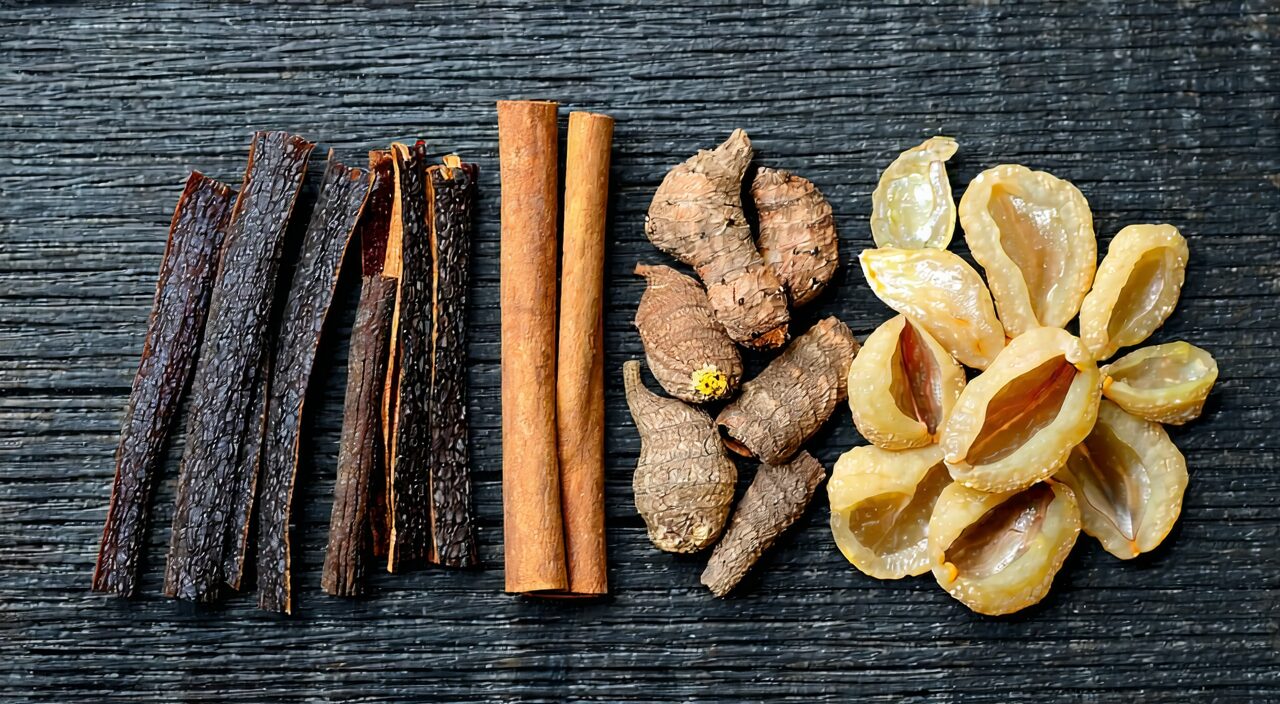
Baizi Yangxin Wan is a traditional formula for nourishing the heart and calming the mind, included as a prepared prescription in the Pharmacopoeia of the People’s Republic of China. Its composition typically includes Baiziren (Platycladi Semen), Suanzaoren (Ziziphi Spinosae Semen), Huangqi (Astragali Radix), Danggui (Angelicae Sinensis Radix), Chuanxiong (Chuanxiong Rhizoma), Banxia (Pinelliae Rhizoma), Fuling (Poria), Gancao (Glycyrrhizae Radix), Dangshen (Codonopsis Radix), Yuanzhi (Polygalae Radix), Wuweizi (Schisandrae Chinensis Fructus), and Rougui (Cinnamomi Cortex). The overall approach is not simply to “sedate the brain,” but to combine herbs based on the relationships among qi, blood, the heart and spleen, and the mind (Shen).
In traditional TCM theory, the Heart stores the Shen (mind) and governs the blood vessels. If a person has prolonged excessive thinking, is easily startled, or has a constitution tending toward qi and blood deficiency, a state of “heart-mind malnourishment” can occur. This state does not necessarily mean complete sleeplessness; more often it manifests as insufficient sleep depth, easy waking, many dreams that cannot be recalled, and a persistent sense of unease. The formulation principle of Baizi Yangxin Wan is built around two directions: “supplementing qi and nourishing blood” and “calming the heart and settling the mind.” It has traditionally been used to address this type of pattern.
It is worth noting that this formula also includes Rougui (cinnamon bark). The inclusion of Rougui is not intended to strongly supplement fire and assist yang, but rather serves the purpose of gently warming and invigorating the blood vessels and guiding fire back to its source, helping the other heart-nourishing and mind-calming herbs work better. This is why Baizi Yangxin Wan differs somewhat in indication from formulas centered primarily on Suanzaoren.
Which Sleep Manifestations Is Baizi Yangxin Wan Traditionally Associated With?

Within the framework of TCM pattern differentiation, the choice of formula is generally based not on the name of a disease, but on a comprehensive assessment of a group of signs and constitutional characteristics. Traditionally, Baizi Yangxin Wan is more often oriented toward the following types of “restless sleep” presentations.
Easy to Fall Asleep but Light Sleep and Easy Waking
Some people can fall asleep shortly after lying down, but their sleep throughout the night feels like “drifting on the surface of water.” Any slight sound or a family member turning over can wake them. Although they can go back to sleep after waking, the overall sleep continuity is very poor. The next morning they often feel groggy and foggy, as if they haven’t been fully recharged.
For such cases, if the person also tends to experience palpitations easily or feels heart flustered after slight exertion, traditional thought may consider it related to Heart blood insufficiency and heart-mind malnourishment. Baizi Yangxin Wan has quite a few records in this direction.
Easily Startled During the Night
Another noteworthy sleep manifestation is suddenly feeling a surge of palpitations while asleep—like falling from a height or being startled by something—jerking awake with a racing heartbeat. This does not necessarily happen every night, but if it occurs frequently over a period and the person is also generally timid, easily startled, and prone to nervousness during the day, in traditional Chinese medicine it is often thought to be related to “heart and gallbladder qi deficiency” or “heart-mind restlessness.”
Baizi Yangxin Wan contains Yuanzhi, Baiziren, and Suanzaoren, which are traditionally considered helpful in settling the mind. Therefore, this type of sleep manifestation is also considered by some clinical experience to potentially fall within its scope of adjustment.
Excessive Dreaming with Unclear Dream Content
The tendency to dream a lot is addressed by many mind-calming formulas. Baizi Yangxin Wan is more suited not to intense nightmares of fighting or being chased, but to dreams that are vague, fragmented, and forgotten upon waking. The person only remembers dreaming a lot but can hardly recall any specifics, feeling that the mind was never at rest all night.
This state of “excessive dreaming disturbing sleep,” when accompanied by tendencies like easy fatigue, poor appetite, and a pale complexion, may traditionally be categorized under dual deficiency of the heart and spleen with insufficient qi and blood. The composition of Baizi Yangxin Wan addresses both qi supplementation and blood nourishment, which differs from approaches focused solely on nourishing yin or purely on calming the mind.
It must be made clear that the above sleep manifestations are not specific indicators; they can also be seen in many conditions. Whether someone is truly suited to use Baizi Yangxin Wan needs to be evaluated together with the overall constitution, tongue appearance, pulse condition, etc., by an experienced TCM practitioner or pharmacist. This section merely provides a traditional understanding perspective, not a basis for self-diagnosis.
Differences from Other Common Calming Formulas
When choosing Chinese patent medicines, readers often encounter similar names: Baizi Yangxin Wan, Tianwang Buxin Wan, Anshen Buxin Wan, Suanzaoren Tang related preparations, etc. Although their names sound alike, there are indeed differences in formulation philosophy and traditional indications. Understanding these differences helps to make a more cautious judgment.
| Formula | Main Direction | More Typical Presentations | Main Differences from Baizi Yangxin Wan |
|---|---|---|---|
| Tianwang Buxin Wan | Nourish yin, clear heat, nourish heart and calm mind | Difficulty falling asleep, heat sensation in palms and soles, dry mouth, red tongue with little coating, etc. | Leans towards nourishing yin and clearing heat, suitable for yin blood insufficiency with deficiency fire rising; Baizi Yangxin Wan leans towards warm supplementation, suitable for those with deficiency-cold tendency or qi and blood deficiency without obvious heat signs |
| Suanzaoren Tang | Nourish blood, calm mind, clear heat and relieve restlessness | Insomnia with irritability, inner vexation, tossing and turning, accompanied by dizziness and vertigo | Targets liver blood deficiency and deficiency restlessness causing insomnia; Baizi Yangxin Wan more targets dual deficiency of heart-spleen qi and blood, easy startle and palpitations with sleep easy waking |
| Anshen Buxin Wan | Nourish yin, nourish blood and calm mind | Dizziness, palpitations, tinnitus, insomnia, with not obvious deficiency heat but yin blood relatively depleted | Nature leans to nourishing yin and blood; Baizi Yangxin Wan also has yang-warming and qi-boosting aspects, suitable for yang deficiency and qi deficiency tendency |
Safety Considerations Before Using Baizi Yangxin Wan
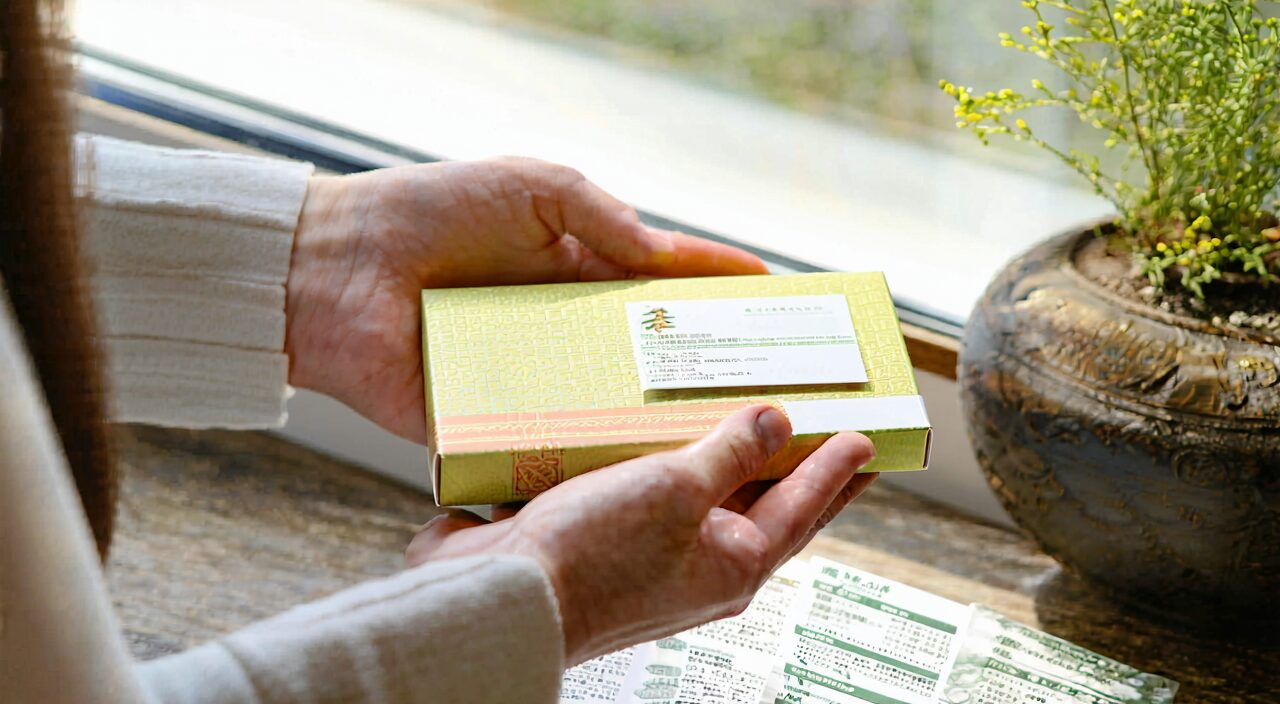
Any Chinese patent medicine should be regarded as a medication with clear indications and contraindications, not a daily health supplement. The same applies to Baizi Yangxin Wan.
Do Not Extend the Duration of Use on Your Own
Traditionally, Baizi Yangxin Wan is used for a period as a phased approach, not as a long-term supplement taken year after year. If symptoms improve, or if there is no significant change in sleep after a period of use, the necessity of continued use should be reevaluated. Long-term use may affect digestive function and alter the body’s cold-heat balance; it is not appropriate to independently decide to “take it a while longer and see.”
Specific Populations Require Special Caution
- Individuals with a heat constitution: The formula contains warming ingredients such as Rougui, so people with a heat constitution, frequent dry mouth, constipation, excess fire, or pronounced damp-heat are generally not advised to use it.
- Pregnant women, breastfeeding women, and children: These groups have special physiological conditions; use of this product must be based on a physician’s judgment, not on general informational content.
- Those with unstable blood pressure or edema tendency: Baizi Yangxin Wan contains Gancao (licorice), which, when used long-term or in large doses, may affect water-salt metabolism and blood pressure in some individuals. Therefore, people whose blood pressure is not well-controlled or who are prone to edema need to be particularly cautious.
Avoid Combining with Other Sedative and Calming Products
Some people may take other sleep aids alongside Baizi Yangxin Wan, including Western sedative-hypnotics, anti-anxiety drugs, or dietary supplements containing melatonin, valerian extract, etc. Such concurrent use can carry unpredictable risks, especially without medical supervision. If you are already using other medications or supplements, you should inform your doctor or pharmacist to assess suitability.
Sleep Problems May Mask Conditions That Require Attention
Many factors in daily life can affect sleep, including emotional stress, irregular schedules, and environmental conditions. However, if problems like light sleep, easy waking, or difficulty falling asleep persist for a long time, or are accompanied by noticeable chest tightness, palpitations, labored breathing, persistent low mood, loss of interest, significant weight changes, etc., one should not merely rely on a single Chinese patent medicine, but should seek professional medical help to investigate whether there are underlying physical or psychological issues requiring targeted treatment. Chinese patent medicines can only serve as a supplement to a traditional regulating approach, not as a substitute for necessary medical evaluation.
How to Consider Baizi Yangxin Wan Under Professional Guidance

If, after understanding the above information, readers find that some of their conditions resemble the traditional indication of Baizi Yangxin Wan, the more appropriate approach is not to purchase and take it directly, but first to undergo a comprehensive evaluation at a formal medical institution’s TCM internal medicine department or a sleep specialty clinic.
During the consultation, you can proactively describe your sleep characteristics, such as:
- Whether the main problem is difficulty falling asleep or staying asleep
- At what time in the early morning you tend to wake
- Whether obvious symptoms like rapid heartbeat, sweating, or dry mouth occur upon waking
- How your mental state is during the day
- Whether you have other physical discomforts or mood swings
Also, provide your doctor with a list of other medications or health products you are currently using.
If, after pattern differentiation, the TCM practitioner considers qi and blood deficiency and heart-mind malnourishment as the main disease mechanism, and there are no obvious excess heat or contraindications, they might consider Baizi Yangxin Wan as one of the options. Even so, the specific dosage form, dose, and duration should be determined by a professional and dynamically adjusted based on subsequent response.
Precautions When Purchasing

In China, Baizi Yangxin Wan is available as an over-the-counter medicine, but this does not mean it can be purchased and used casually. When buying, pay attention to the following points:
- Choose authorized channels: Purchase from licensed pharmacies or qualified online drug sales platforms, and check the approval number on the packaging. Different manufacturers’ versions of Baizi Yangxin Wan may differ slightly in excipients and dosage forms; before use, carefully read the instructions regarding ingredients, indications, dosage, and contraindications.
- Avoid unqualified sources: Do not buy products of unknown origin claiming to be “ancient secret recipes” or “handcrafted.” The quality standards and safety of Chinese patent medicines rely on standardized production processes. Pills made by individuals or small workshops cannot guarantee safety and consistency, and may carry risks such as heavy metal contamination, microbial contamination, or adulteration with Western drug ingredients.
- Do not blindly follow others’ experiences: Do not follow others just because someone you know “felt pretty good” after using it. The causes of sleep problems are highly individual. What suits another person may not suit you and could sometimes worsen existing imbalances.
Summary
As a traditional formula for nourishing the heart and calming the mind, Baizi Yangxin Wan is commonly used in TCM theory for conditions related to qi and blood deficiency and heart-mind malnourishment, manifesting as shallow sleep, easy waking, and nighttime palpitations. It differs from Tianwang Buxin Wan and Suanzaoren Tang in formulation philosophy and traditional indications. Understanding these differences can help view its role more rationally.
However, the use of any Chinese patent medicine must be based on pattern differentiation and individualized assessment. This article only provides traditional knowledge for general education and cannot serve as specific medication advice. If sleep problems persist or significantly affect your daily life, please first go to a formal medical setting and seek professional help, rather than repeatedly trying different calming products on your own. After all, good sleep can never be simply solved by a single pill; it requires comprehensive lifestyle adjustments and careful health management.