
Tianwang Buxin Dan and Sleep Problems: Traditional Use, Applicable Approaches, and Precautions

When faced with difficulty falling asleep, frequent dreaming and easy waking, or restlessness, many people may come across the traditional Chinese patent medicine “Tianwang Buxin Dan.” As a classic calming formula, it holds a certain place in the Chinese medical approach to regulating sleep.
This article, from a traditional Chinese medicine perspective, introduces the fundamentals of Tianwang Buxin Dan, the sleep-related manifestations it may address, the common pattern types, and key considerations for selection and use. It is designed to help you build a more rational understanding before using this formula.
Tianwang Buxin Dan: Historical Origins and Core Composition
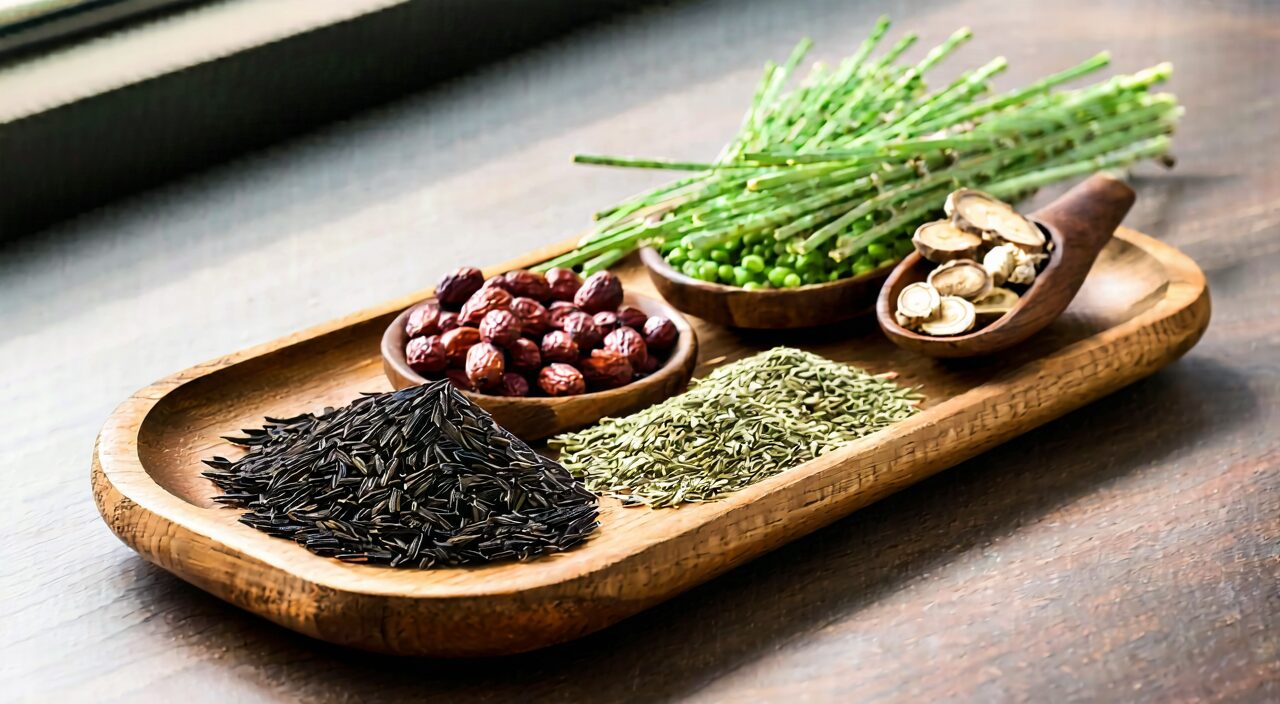
The name Tianwang Buxin Dan first appears in medical texts of the Ming Dynasty and is generally regarded as a representative formula for nourishing yin, enriching the blood, tonifying the heart, and calming the spirit. Its composition is relatively rich, typically including sheng di huang (Rehmannia root), ren shen (ginseng), fu ling (poria), yuan zhi (Polygala root), shi chang pu (Acorus rhizome), xuan shen (Scrophularia root), bai zi ren (Biota seed), suan zao ren (Ziziphus seed), mai dong (Ophiopogon root), tian dong (Asparagus tuber), dang gui (Angelica root), wu wei zi (Schisandra fruit), and jie geng (Platycodon root).
From the perspective of traditional formulation strategy, these herbs each have their own emphasis:
- Sheng di huang, xuan shen, mai dong, tian dong: nourish yin fluids and clear deficiency fire
- Suan zao ren, bai zi ren, yuan zhi, fu ling: nourish the heart and calm the spirit
- Ren shen, dang gui: tonify qi and blood
- Wu wei zi: astringe the heart qi
- Jie geng: guides the medicine upward, helping the formula act better on the heart and chest
Such a combination means that, in traditional use, Tianwang Buxin Dan is frequently applied to patterns characterized by “insufficient heart yin with deficiency fire stirring internally.” It should be noted that this is merely one interpretation based on Chinese medical theory and does not cover all sleep problems.
How Tianwang Buxin Dan Relates to Sleep from a Chinese Medical Perspective
Traditional Chinese medicine’s understanding of sleep is closely related to the functions of the heart, kidneys, liver, and other organs. As early as the Yellow Emperor’s Inner Canon, there are statements such as “the heart stores the spirit” and “the kidneys store the essence,” holding that the interaction between heart and kidneys – the balance of water and fire – is an important foundation for normal sleep. When kidney yin is insufficient and cannot rise to support the heart, heart fire may become hyperactive and disturb the heart spirit, leading to difficulty falling asleep, frequent dreaming, easy waking, and even palpitations and forgetfulness.
The traditional approach of Tianwang Buxin Dan is precisely built around this mechanism, providing a regulatory idea for sleep disturbances caused by heart-kidney disharmony and yin deficiency with fire hyperactivity, through nourishing yin, clearing heat, and calming the heart spirit.
However, this does not mean it is suitable for all types of sleep issues. For example, insomnia stemming from liver fire flaming upward, phlegm-heat disturbing the heart, or dual deficiency of heart and spleen often requires completely different treatment methods, and Tianwang Buxin Dan may not be appropriate.
Sleep-related Manifestations That May Be Considered
Within the traditional pattern differentiation system, Tianwang Buxin Dan is more likely to be considered for individuals with the following sleep characteristics:
- Difficulty falling asleep, with racing thoughts after lying down and a pronounced sensation of heat in the chest
- Superficial sleep, frequent and chaotic dreaming, and still feeling tired upon waking
- Early waking, especially around 1–3 a.m., accompanied by dry mouth and palpitations
- Daytime irritability, forgetfulness, difficulty concentrating, and occasional warm sensations in the palms and soles
If these manifestations are also accompanied by markedly red tongue with little coating, and a thin, rapid pulse, they may traditionally be categorized as heart yin deficiency or yin deficiency with fire hyperactivity. But this is only one reference dimension in Chinese pattern differentiation; individual circumstances vary greatly, and one should not self-diagnose based on just one or two symptoms.
Common Pattern Directions: Yin Deficiency with Fire Hyperactivity and Insufficient Heart Yin
People with yin deficiency and fire hyperactivity often present with dry mouth and throat, night sweats, warm palms and soles, irritability, and sleep characterized by difficulty falling asleep or easy waking at night. Insufficient heart yin leans more toward palpitations, vague restlessness, and a red tongue lacking moisture. In traditional application, Tianwang Buxin Dan usually covers both of these deficiencies, with roles in nourishing both kidney yin and heart yin.
However, if the sleep complaints mainly involve frequent dreaming with fright, chest oppression and profuse phlegm, quick temper and irritability, or a sallow complexion, poor appetite, and post-waking fatigue and weakness, there may be involvement of phlegm-heat, liver fire, or heart-spleen dual deficiency—other pattern types—and one should be especially cautious before choosing Tianwang Buxin Dan.
Brief Comparison Between Tianwang Buxin Dan and Other Calming Formulas
Among formulas used in Chinese medicine for regulating sleep, Tianwang Buxin Dan, Suanzaoren Decoction, Cinnabar Sedative Pill, and Baizi Yangxin Wan are often mentioned together, but their emphases differ:
| Formula | Emphasis | Common Indications |
|---|---|---|
| Tianwang Buxin Dan | Nourishes yin, enriches blood, clears deficiency fire | Insufficient heart yin, obvious deficiency fire; irritability, dry mouth, red tongue with little coating |
| Suanzaoren Decoction | Nourishes liver blood, clears mild deficiency heat | Insufficient liver blood, deficiency-type restlessness insomnia; dizziness, dry mouth and throat (milder heat) |
| Cinnabar Sedative Pill | Heavily settles and calms, clears heat | Hyperactive heart fire, unsettled heart spirit; chest heat, insomnia with frequent dreams and palpitation (contains cinnabar, not for long-term use) |
| Baizi Yangxin Wan | Nourishes heart, calms spirit, and warm-supplements | Heart qi deficiency with cold, malnourished heart spirit; insomnia, forgetfulness, aversion to cold, shortness of breath |
Even among “calming” type Chinese patent medicines, the corresponding body constitutions and pattern types differ significantly. In practice, one should not substitute based on name or a single symptom; instead, the choice must be integrated with the overall constitution and symptoms, and carried out under professional guidance.
Precautions for Selecting and Using Tianwang Buxin Dan
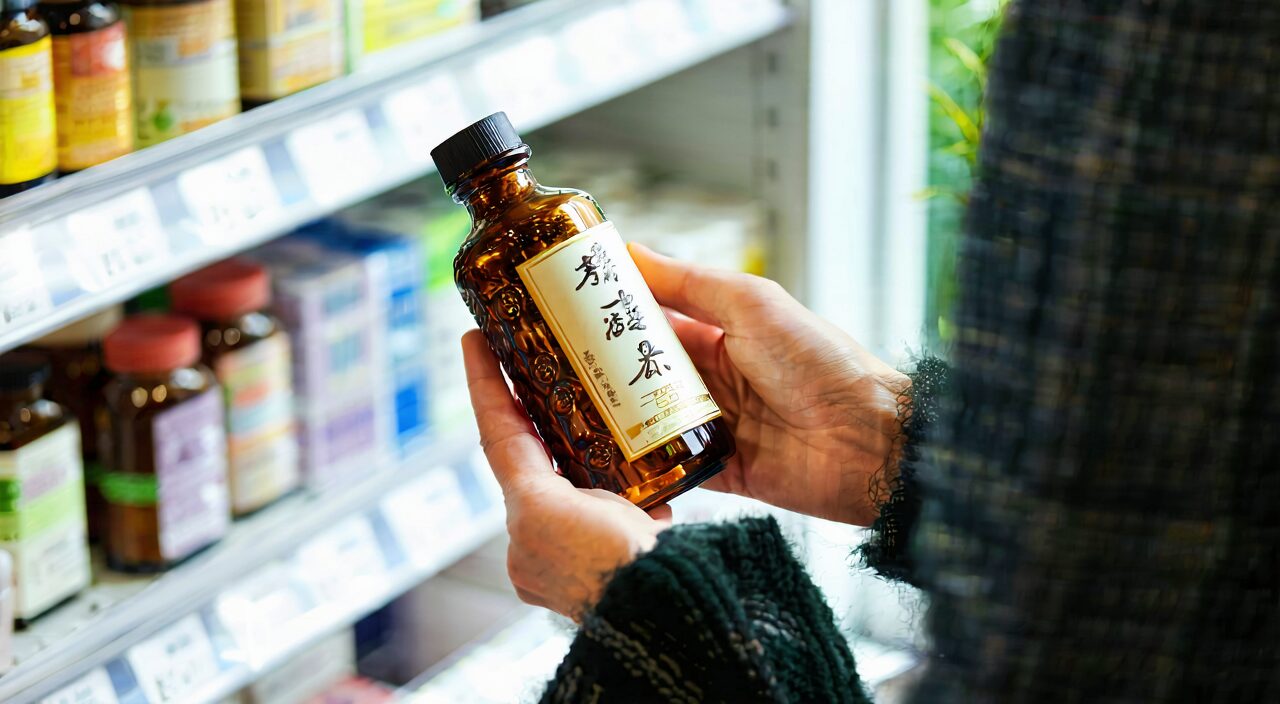
When considering Tianwang Buxin Dan as one avenue of understanding, the following points deserve special attention:
- Verify product information
Choose products sold through regular channels with clear manufacturing serial numbers and approval codes. Read the label carefully to understand the described effects, ingredients, dosage and administration. Different manufacturers’ forms (e.g., water-honey pill, concentrated pill) may vary; take according to instructions.
- Assess pattern tendencies
Tianwang Buxin Dan traditionally targets yin deficiency and fire hyperactivity, and insufficient heart yin patterns. If your presentation tends toward cold, with fear of cold, loose stools, and a pale, puffy tongue with teeth marks, you may have a deficient-cold constitution and generally would not be suitable. If self-assessment is unclear, consult a Chinese medicine practitioner for pattern differentiation.
- Observe short-term effects; do not take blindly over a long period
Chinese patent medicines are not health supplements and should not be taken casually for extended periods. If sleep quality shows no change within a few weeks, or if discomfort appears, discontinue use and reassess the direction.
- Be alert to individual reactions
Although a traditionally common formula, any medicinal ingredient can cause individual discomfort. Should gastrointestinal upset, skin rash, nausea, or other reactions occur, stop immediately and consult a professional.
- Avoid self-combining with certain western medications
In particular, for those already taking sedative-hypnotic western drugs or antidepressants, do not combine Tianwang Buxin Dan on your own without consulting a physician, to avoid potential interactions.
- Special populations require extra caution
During pregnancy, lactation, those planning pregnancy, children, and individuals with chronic liver or kidney function problems must be evaluated by a doctor before use.
- Seek prompt medical care for severe sleep problems
If sleep problems persist for weeks or more and noticeably affect daytime function, or are accompanied by chest tightness, chest pain, breathing pauses, severe low mood, loss of interest, panic attacks, etc., you should not continue to rely on Chinese patent medicines for self-regulation. Seek help from a specialist in psychiatry, neurology, or sleep medicine as soon as possible.
Frequently Asked Questions (FAQ)
Q1: Can Tianwang Buxin Dan improve my insomnia? A: Traditional Chinese medicine is based on pattern differentiation and treatment determination. Tianwang Buxin Dan is commonly used for yin deficiency with fire hyperactivity or insufficient heart yin type sleep issues, but it is not suitable for all types of insomnia. Whether it will help you depends on your individual constitution and symptom presentation; it is recommended to consult a Chinese medicine practitioner.
Q2: How long does it take to see effects when taking Tianwang Buxin Dan? A: Onset time and duration of use vary from person to person. In traditional application, a few weeks is often taken as an observation period, but the specifics depend on individual circumstances; one should not expect immediate results. If there is no improvement within 2–4 weeks, reassess.
Q3: Can it be used together with western sleeping pills? A: Combined use of Chinese and western medicines may cause interactions and must be decided under a doctor’s guidance; never combine them on your own.
Q4: I only occasionally sleep poorly. Can I buy Tianwang Buxin Dan by myself? A: Occasional short-term sleep problems may be caused by life stress, disrupted routines, etc. Adjusting your schedule and improving the sleep environment are often more crucial. Whether a Chinese patent medicine is needed should be evaluated first for the presence of clear yin deficiency signs; do not use blindly.
Q5: Does Tianwang Buxin Dan have side effects? A: Any medicinal ingredient can cause individual discomfort. If gastrointestinal upset, skin rash, etc. occur, discontinue use and consult a professional. Although traditional formulas have a long history of use, this does not mean they are free of adverse reactions.
Q6: Is Tianwang Buxin Dan suitable for all age groups? A: Constitutional differences vary greatly across age groups. Children are often characterized by immature yin and immature yang, while the elderly frequently present with mixed deficiency and excess; they cannot simply apply the same method. A professional should assess before use.
Summary
As one of the classic representative calming formulas, Tianwang Buxin Dan is mainly used in traditional Chinese medical theory for sleep problems caused by insufficient yin and blood with deficiency fire stirring internally. Those it may be suitable for often present with signs of yin deficiency such as irritability, dry mouth, warm palms and soles, and a red tongue with little coating; it is not a universal remedy for all sleep difficulties.
Before choosing and using it, understanding your own constitutional tendencies, carefully reading product information, and integrating the pattern differentiation opinions of Chinese medicine professionals are important prerequisites for avoiding wasted effort.
For sleep problems that have seriously affected quality of life, or are accompanied by significant emotional disturbances or physical discomfort, it is advisable to first seek help from a physician rather than relying on a single Chinese patent medicine.
Viewing the supportive role of traditional formulas in sleep regulation rationally, and putting personal safety and scientific assessment first, is the truly responsible approach.