
Jiawei Xiaoyao Wan and Sleep Problems: Emotional Stress, Liver Qi Stagnation Perspective, and Precautions

Many people have had this experience: after a tense day, emotional upset, or something weighing on their mind, they lie in bed at night with their thoughts racing like a movie, tossing and turning. Or they may fall asleep, but dream heavily all night, wake up easily, and still feel tired when they get up.
From a modern lifestyle perspective, this is often related to stress and mood swings. In traditional Chinese medicine (TCM) observations, sleep disturbances caused by emotional imbalance are often understood within the framework of “liver qi stagnation.”
Jiawei Xiaoyao Wan is a relatively common traditional Chinese patent medicine, frequently used for regulation related to emotions and stress. This article will elaborate on this perspective, but will not simply equate it with a “sleep aid,” nor suggest it can treat insomnia, anxiety, or depression. The aim is to help readers develop a calmer, more safety-conscious understanding.
What Is Jiawei Xiaoyao Wan
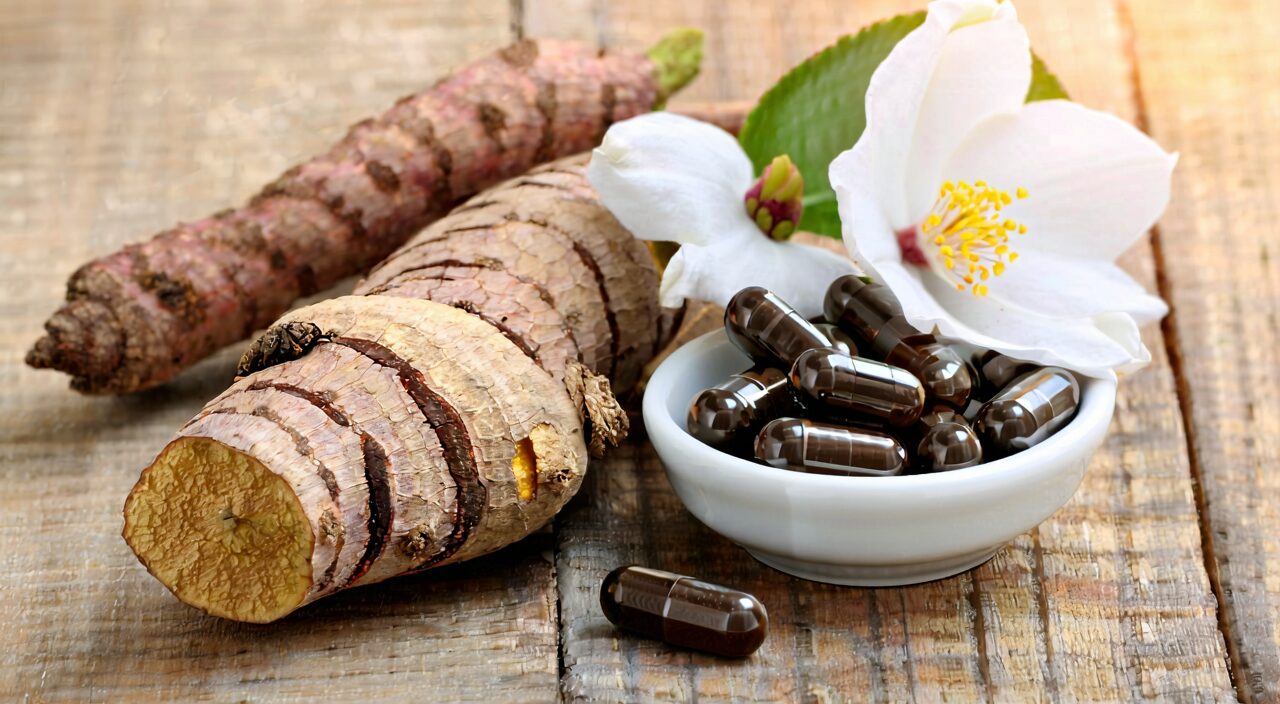
Jiawei Xiaoyao Wan is a traditional formula derived by adding herbs to the base of “Xiaoyao Wan.”
The composition of Xiaoyao Wan originates from the Xiaoyao San formula in the Taiping Huimin Heji Ju Fang, primarily containing bupleurum, angelica, white peony root, atractylodes, poria, and licorice. Traditionally, it is used for harmonizing the liver and spleen and soothing qi movement. Jiawei Xiaoyao Wan typically adds heat-clearing herbs such as moutan bark and gardenia fruit. Therefore, in usage habits, it leans more towards presentations where liver qi stagnation is accompanied by “heat,” such as irritability, dry mouth, and being easily agitated.
It is important to note that the ingredients and dosage forms of “Xiaoyao Wan” and “Jiawei Xiaoyao Wan” may vary between different manufacturers and regions. Some are water pills, others concentrated pills. Before use, always read the product instructions carefully, paying attention to the ingredients, usage, and precautions.
TCM Understanding of Emotional Stress and Sleep

A Perspective Taking the “Liver” as the Starting Point
TCM theory often mentions that “the liver governs free flow of qi,” meaning the liver helps keep the body’s qi movement smooth and is closely related to emotional regulation.
If a person experiences prolonged emotional repression, excessive stress, or frequent irritability and anger, it is traditionally considered possible to develop “liver qi stagnation,” commonly called liver depression. When qi movement is not smooth, it may subsequently affect the tranquility of the mind (shen), manifesting as difficulty falling asleep, light sleep, and excessive dreaming.
This line of thinking does not mean all stress-related sleep problems stem from liver qi stagnation, but it is a traditional framework used to explain a common pattern: when emotions are stuck, it is hard for a person to relax and fall asleep. This is different from modern medical concepts like neurotransmitters and stress hormones; it is a cognitive framework based on traditional experience, offering a way of thinking rather than the sole explanation.
Liver Depression Transforming into Fire and Sleep Disturbances
If a state of liver qi stagnation persists for a long time, it sometimes comes with a tendency to “transform into fire.” Ancient TCM texts often mention that “excessive qi becomes fire,” meaning long-term qi stagnation can generate heat manifestations.
In such cases, the person may not only feel bad-tempered and stressed but also experience pronounced sensations of heat and vexation, dry mouth, bitter taste, a quick temper, an inability to stop racing thoughts before sleep, and waking up easily in the middle of the night.
These manifestations overlap to some extent with the indications for which Jiawei Xiaoyao Wan is traditionally used—because it adds heat-clearing herbs like moutan bark and gardenia fruit, it is often used for people who have both liver qi stagnation and some heat signs. Yet precisely because this seems like a “matching symptom” logic, extra caution is needed: whether the body truly fits this pattern cannot be determined based on just one or two superficial sensations.
Possible Connections Between Jiawei Xiaoyao Wan and Emotion-Stress-Related Sleep Issues
What Directions It Is Traditionally Used For
In TCM clinical practice, Jiawei Xiaoyao Wan is often used for manifestations related to liver qi stagnation with blood deficiency and concurrent stagnant heat. Specifically regarding sleep, traditional experience leans more toward addressing situations where “irritability, emotional constraint, and chest and rib-side distension” affect sleep quality, and it is not universally applicable to all insomnia.
For example, some people may experience the following when under high stress, after arguments, or during prolonged low moods:
- Difficulty falling asleep
- Early morning waking
- Accompanied by bitter taste, vexation, and orbital distension and pain
If the presentation generally aligns with this direction, Jiawei Xiaoyao Wan may traditionally be considered as one short-term option. However, this still needs to be done on the basis of professional pattern differentiation and should not be self-matched based on simple symptoms.
Possible Related Scenarios
In TCM categorization of sleep problems, besides the pattern of liver depression transforming into fire, there are many other patterns such as heart-spleen deficiency, yin deficiency with fire flourishing, and phlegm-heat disturbing the interior.
Jiawei Xiaoyao Wan is more oriented toward the category involving emotional constraint and heat signs, and may have some overlap with problems like difficulty falling asleep and early waking, but it cannot replace the judgment of other patterns.
For instance, some people have difficulty falling asleep mainly characterized by palpitations and racing thoughts when lying down, accompanied by:
- Dry mouth and bitter taste
- Premenstrual breast distension and pain
- Irascible temperament
In these cases, Jiawei Xiaoyao Wan may appear in discussions of relevant regulation strategies. However, if the manifestation is early waking caused simply by qi and blood deficiency, or sleep problems with obvious yang deficiency and aversion to cold, it often does not fall within the common coverage range of this formula.
Precautions and Situations Requiring Caution
Cannot Be Equated with “Sleeping Pills”
Jiawei Xiaoyao Wan is not a sleeping pill, nor is it a formula specifically targeting sleep problems.
Its traditional use is more focused on harmonizing the liver and spleen and clearing heat to relieve stagnation. If the sleep problem does not stem from emotional constraint and stagnant heat, one may not feel any change after using it, and may even experience stomach discomfort or loose stools because the medicinal nature is cooling.
Therefore, it is not recommended to try it on your own simply because “I haven’t been sleeping well lately.” There are many reasons for poor sleep, some related to emotions, others to irregular routines, diet, environment, or other physical conditions. Only when the overall constitution and tendencies align relatively well with the formula’s approach might it be considered as an option for understanding.
Who Needs to Be Especially Cautious
The following groups should be particularly careful when using Jiawei Xiaoyao Wan:
- Those with spleen-stomach deficiency cold: people who normally fear cold, tend to have diarrhea, poor appetite and unformed stools; the cooling nature of the medicine may worsen discomfort.
- Pregnant or breastfeeding women, children, and people with chronic diseases: should be evaluated for suitability under the guidance of experienced professionals.
- Those taking other medications: need to be aware of the possibility of overlapping ingredients or interactions.
Short-Term Trial and Observation
Even if your condition seems to fit the liver depression transforming into fire pattern, it is advisable to observe from the perspective of a low-frequency, short-term trial while closely monitoring your body’s response.
If after a period of use sleep does not improve, or new discomfort appears, you should stop promptly and reassess, rather than continuously increasing the dose or extending the duration of use.
When to Seek Medical Attention Promptly

Although many people experience temporary difficulty falling asleep or sleep interruptions during high stress or emotional fluctuations, some sleep problems may be beyond the scope of self-regulation. The following situations suggest consulting a doctor or professional as a priority:
- Insomnia persisting for several weeks or more and increasingly severe, significantly affecting daytime energy, work, or mood.
- Sleep problems accompanied by noticeable chest tightness, palpitations, dizziness, or difficulty breathing.
- Frequent nighttime awakenings with inability to fall back asleep, combined with persistently low mood, loss of interest, or even negative thoughts.
- Long-term reliance on alcohol, excessive coffee, or self-directed use of multiple products to try to regulate sleep.
- Loud snoring, nighttime breathing pauses, or extreme daytime sleepiness.
These situations may indicate the presence of sleep disorders, mood disorders, or other physical problems that require professional evaluation and should not be managed by relying on a single Chinese patent medicine.
How to Rationally View the Relationship Between Jiawei Xiaoyao Wan and Sleep
Jiawei Xiaoyao Wan is a time-honored traditional formula with its specific use direction under the TCM theoretical framework.
For sleep troubles related to emotional stress, the traditional approach may indeed involve soothing the liver and clearing heat, which overlaps to some extent with Jiawei Xiaoyao Wan’s main indications. But overlap does not mean universality, let alone that it can handle all stress-related insomnia.
The rational way to view it is to place it within the broader TCM understanding of the relationship between emotions and sleep, rather than treating it as a simple correspondence of “if you are stressed and can’t sleep, take it.” If you are interested in this kind of traditional regulation approach, you can take it as a starting point for understanding, and make a judgment suitable for the present based on your own specific manifestations, product instructions, and professional opinions.
Summary
Jiawei Xiaoyao Wan is traditionally used in TCM for manifestations related to liver qi stagnation with blood deficiency and concurrent stagnant heat, and some sleep troubles linked to emotional stress may fall within this direction. However, sleep issues caused by stress have diverse causes and forms, and Jiawei Xiaoyao Wan is not universally applicable to all situations.
Before use, read the product instructions carefully, pay attention to whether your constitution tends toward cold and whether there are other underlying conditions, and avoid directly treating it as a sleep solution just because you’ve seen partial information. Any trial of a Chinese patent medicine should proceed with a full understanding of your own status and, if necessary, after consulting professionals. Especially when sleep problems persist unrelieved or are accompanied by significant physical discomfort, it is even more important to prioritize seeking professional medical judgment.