
Difficulty Falling Asleep? A TCM Understanding and Approach

At night, lying in bed, your body already very tired, but your brain is like a radio that can’t be turned off; counting sheep, adjusting breathing, swapping pillows, tossing and turning for an hour or two, but sleepiness only moves further away.
Once or twice may be accidental, but if “lying down unable to sleep” becomes the norm, your daytime energy, mood, and overall condition can all be affected. When searching for ways to help with sleep, many people turn to traditional Chinese medicine.
This article will explore, from a TCM perspective, the ways of understanding difficulty falling asleep, common constitutional directions, lifestyle adjustments, and the selection considerations for traditional formulas, helping readers build a more holistic understanding.
Friendly reminder: This article is for health education purposes and should not replace a doctor’s diagnosis or professional advice. If difficulty falling asleep persists or worsens, please seek medical attention promptly.
Common Manifestations and Possible Triggers of Difficulty Falling Asleep

The core feature of difficulty falling asleep is: even with an appropriate sleep environment and sleepiness, it still takes a long time to fall asleep. Experiences vary slightly from person to person, but common ones include:
- Once lying down, the mind is full of racing thoughts that are hard to quiet
- Some parts of the body feel tense or uncomfortable, without clear pain
- Becoming unusually sensitive to the sleep environment, such as feeling disturbed by mild light or sound
- The more anxious you are to sleep, the more awake you become, forming a vicious cycle of “the more you want to sleep, the more you can’t”
- Occasionally accompanied by palpitations, warm palms, or waves of heat sensation
From a lifestyle perspective, short-term difficulty falling asleep is often related to the following factors:
- Stressful events or emotional fluctuations
- Sudden changes in daily routine
- Consuming too much coffee or strong tea
- Prolonged screen time right before bed
If difficulty falling asleep persists for a long time, it may involve a more complex internal balance state. TCM does not simply equate difficulty falling asleep to a single “disease,” but tends to explore the signals sent by the body as a whole.
How TCM Understands Difficulty Falling Asleep
Traditional Chinese medicine has long observed “inability to sleep” and “insomnia.” For difficulty falling asleep, special attention is paid to whether the basic process of “yang entering yin” goes smoothly.
Yin-Yang Balance and the Rhythm of Sleep and Wakefulness
According to TCM, the human state of wakefulness and sleep corresponds to the natural cycle of day and night:
- Daytime: Yang qi dominates externally, and the person is awake and active
- Nighttime: Yang qi gradually enters and hides in the yin aspect, allowing the person to fall asleep peacefully
Difficulty falling asleep is often understood as yang qi failing to return and hide smoothly at night, resulting in a state where “yang floats on the outside.” In such a state, a person may feel tired but still mentally alert, with a mind that cannot quiet down.
The Heart Spirit Governs Sleep
Sleep quality is closely related to the tranquility of the “heart spirit” (shen). The heart stores the spirit; when the spirit is at ease, one can sleep. If there is excessive thinking, emotional disturbance, or other internal factors that interfere with the peace of the heart spirit, difficulty falling asleep, light sleep, and easy waking easily occur. Therefore, many regulation approaches revolve around “calming the spirit.”
Associations with Organ Functions
Difficulty falling asleep is not a problem of a single organ; it often involves multiple aspects:
| Organ System | Possible Connection to Difficulty Falling Asleep |
|---|---|
| Liver | Emotional stress, depression, irritability can easily cause constrained liver qi, which over time transforms into fire; the heat rises to disturb the heart spirit |
| Heart | Directly linked to the heart spirit; insufficient heart blood, deficient heart yin, or an overactive heart fire can all make it hard for the spirit to settle |
| Spleen | Excessive thinking and irregular eating damage the spleen and stomach, leading to insufficient generation of qi and blood, which then fails to nourish the heart |
| Kidney | Kidney yin deficiency cannot ascend to support the heart, leading to disharmony between the heart and kidney, with yang qi floating upward |
| Gallbladder | People with deficient gallbladder qi are easily startled by small matters and feel uneasy when trying to sleep |
Understanding these connections helps explain why people with the same complaint of difficulty falling asleep may require completely different directions in regulation.
Common Related Patterns and Direction of Regulation
TCM’s approach to difficulty falling asleep emphasizes “pattern differentiation,” that is, inferring the underlying imbalance type based on individual manifestations. Here are a few commonly seen pattern directions for reference; actual assessment requires more comprehensive information.
Liver Depression Transforming into Fire Disturbing the Heart Spirit
People with this pattern often experience high stress in daily life, and tend to be emotionally tense or easily agitated. Common manifestations include:
- Racing thoughts when trying to sleep, becoming more awake the more they think
- Sometimes accompanied by dry mouth, bitter taste, and temporal headache
- Distending sensation in the rib cage, increased eye discharge in the morning
- Tongue body slightly red with thin yellow coating
The regulation approach generally focuses on soothing the liver and relieving depression, clearing the heart and calming the spirit, while also paying attention to emotional regulation and daily routines.
Yin Deficiency with Fire Hyperactivity, Internal Heat Disturbance
Commonly seen in those who stay up late, overwork, or have a constitution leaning toward yin deficiency. Typical manifestations include:
- After lying down, feeling heat in the palms, soles, and chest, with a sensation of restlessness
- Needing to put hands and feet outside the quilt to feel comfortable
- Difficulty falling asleep accompanied by night sweating, dry mouth and throat
- Red tongue with scanty coat or thin yellow coat
The regulation direction for this type often centers on nourishing yin fluids, clearing deficiency heat, and calming the spirit.
Heart-Spleen Deficiency, Blood Failing to Nourish the Heart
Predominantly seen in those who overthink, engage in heavy mental work, have poor appetite, or weak digestive function. Characteristics include:
- A feeling of “exhausted but unable to sleep soundly” (different from the irritability of the liver fire type)
- Often accompanied by palpitations and forgetfulness
- Pale complexion, lack of taste for food
- Pale tongue with thin white coating
The key to regulation lies in tonifying the heart and spleen, nourishing blood and calming the spirit, along with appropriately reducing the mental load.
Heart-Gallbladder Qi Deficiency, Easily Startled and Hard to Sleep
Individuals with this pattern may be more introverted and easily frightened. Specific manifestations include:
- Abnormal sensitivity to sounds and light when trying to fall asleep
- A slight disturbance triggers a racing heart, taking a long time to calm down
- Tendency to be timid and indecisive in daily life
- Light sleep with many dreams; pale tongue, wiry-thin pulse
Treatment usually focuses on boosting qi, calming fright, and settling the spirit.
Phlegm-Heat Internal Disturbance, Impaired Stomach Qi Harmony
Closely related to dietary habits. Eating too heavily or too late at dinner, or a preference for greasy, sweet foods, easily generates phlegm-dampness, which over time transforms into heat, disturbing the heart spirit. This type of difficulty falling asleep is often accompanied by:
- Epigastric distension and fullness, belching
- Bitter taste in the mouth
- Yellow, greasy tongue coating
Regulation, besides calming the spirit, also requires harmonizing the stomach and clearing phlegm-heat. This also suggests that dinner habits significantly affect sleep onset.
It must be emphasized that in practice, it is rare to see a single pure pattern; often two or even multiple factors are mixed. Therefore, the traditional formulas and patent Chinese medicines mentioned below are only entry points for understanding different approaches and should not be taken directly on one’s own.
Lifestyle Adjustments and Self-Observation

Before learning about professional regulation, some daily adjustments may have a positive effect on difficulty falling asleep. These suggestions are not “treatments” but rather regulation methods based on TCM health-preservation thinking.
1. Establish a relatively fixed daily routine
Try to go to bed and get up at the same time to help the body establish a stable sleep-wake rhythm. Even if you didn’t sleep well the night before, it’s best to get up on time the next day to avoid disrupting the rhythm of yang qi movement.
2. Let the body and mind gradually “wind down” before bed
In the hour before sleep, try the following:
- Reduce use of screens such as phones and computers
- Avoid strenuous exercise or exciting conversations
- Try a warm foot soak, slow abdominal breathing
- Listen to gentle sounds to help yang qi slowly sink inward
3. Pay attention to diet and burden on the spleen and stomach
- Dinner should not be too full or too late; ideally finish eating three hours before bedtime
- Reduce spicy, fried, and greasy-sweet foods
- Cut down on coffee, strong tea, and other drinks that easily generate fire and phlegm
- Some people are sensitive to alcohol; although it may help them fall asleep initially, they may wake up later in the night, so it’s important to observe your own constitution
4. Release emotions, avoid going to bed with emotional burdens
Anxiety, anger, or depression accumulated during the day can easily turn into “fire” or “stagnation” that disturbs the heart spirit at night. Cultivating suitable ways of expression, such as writing, taking a walk, talking to someone, or practicing Baduanjin, yoga, etc., can to some extent help smooth the flow of liver qi.
5. Simple acupressure as an aid
Points like Shenmen (HT7), Neiguan (PC6), and Yongquan (KI1) can be gently massaged before sleep; traditionally, they are believed to help settle the spirit. However, this can only serve as a daily relaxation method and cannot replace necessary medical evaluation.
In this process, everyone can act as their own observer: when does difficulty falling asleep worsen, when does it ease, what body sensations and emotional states accompany it. This information can be very helpful for choosing a later regulation direction or communicating with a professional.
Selection Considerations for Related Formulas and Patent Chinese Medicines
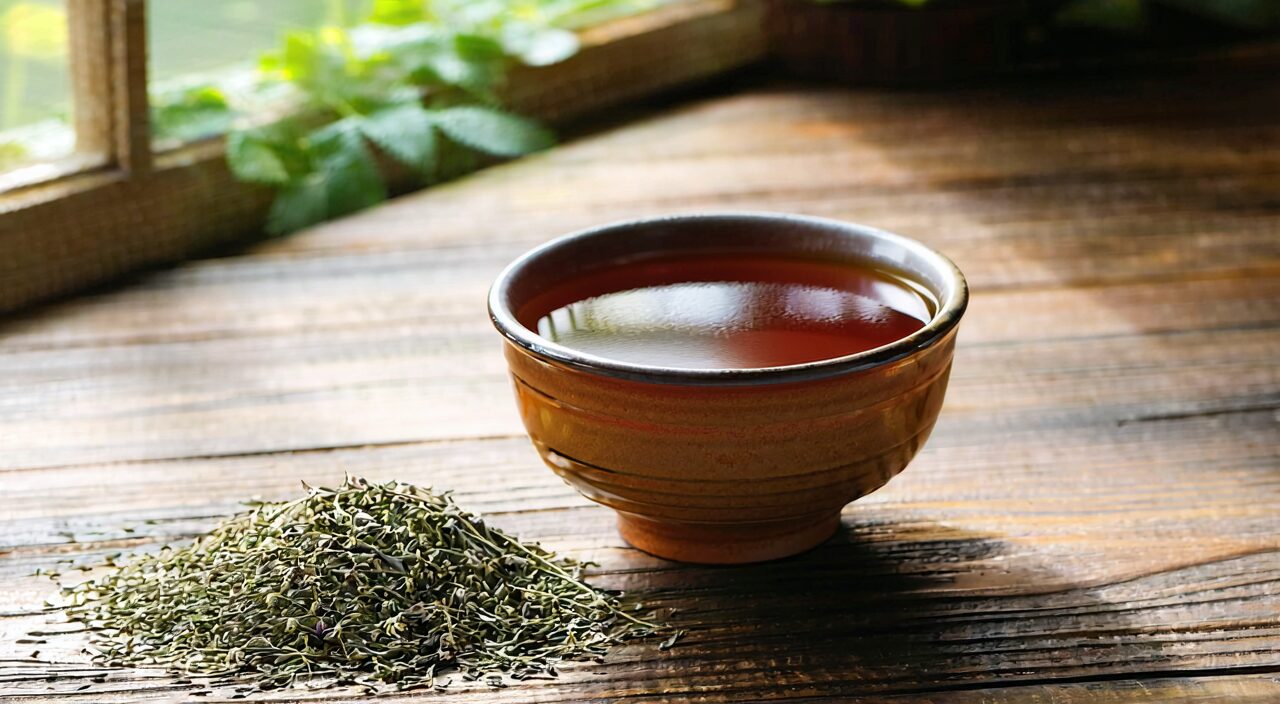
When using TCM to regulate difficulty falling asleep, some classical formulas or patent Chinese medicines based on them are often used. Here are a few common directions to help understand which formulas might correspond to certain constitutions and patterns; it is by no means recommended that readers self-diagnose and self-medicate.
Traditional Application Direction of Suanzaoren Tang (Sour Jujube Decoction)
Suanzaoren Tang originates from the “Essential Prescriptions from the Golden Cabinet,” with suanzaoren (sour jujube seed) as the core herb. Traditionally, it is often used for “deficient restlessness with inability to sleep,” i.e., insomnia caused by liver blood insufficiency and internal deficiency heat disturbance.
- Possible corresponding manifestations: Difficulty falling asleep, light sleep, easy waking, tiredness upon waking, accompanied by mild restlessness and dry mouth, not obvious night sweats but a slight feeling of heat in the chest
- Relatively suitable constitutional tendencies: Those with a pale or sallow complexion, prone to dizziness, scanty menstrual flow in women, or those who have long-term mental overstrain
- Situations requiring caution: Those with obvious phlegm-dampness signs such as thick greasy tongue coating and abdominal fullness may not be suitable
Traditional Application Direction of Tianwang Buxin Dan (Heavenly King Heart-Supplementing Pill)
Tianwang Buxin Dan is more oriented toward nourishing yin and blood, supplementing the heart and calming the spirit. Traditionally it is used for insomnia due to yin-blood deficiency and heart-kidney disharmony.
- Possible corresponding manifestations: Difficulty falling asleep, restlessness and palpitations, heat in the palms and soles, mouth or tongue sores, relatively dry stools, forgetfulness
- Overall characteristic: Mainly belongs to “deficiency fire” rather than excess fire
- Situations requiring caution: The composition is somewhat cloying; those with weak spleen and stomach or internal phlegm-dampness need to be particularly careful
Traditional Application Direction of Guipi Wan (Spleen-Returning Pill)
Guipi Wan is based on the concept of “heart-spleen dual deficiency,” supplementing qi and nourishing blood, fortifying the spleen and nurturing the heart.
- Possible corresponding manifestations: Many dreams with easy waking or difficulty falling asleep, accompanied by pronounced poor appetite, physical fatigue, sallow complexion, forgetfulness, menstruation that comes early and is pale—signs of insufficient qi and blood
- Difference from Suanzaoren Tang: Guipi Wan leans more toward “qi and blood deficiency” with internal heat not being obvious
- Situations requiring caution: Those with dampness obstructing the middle burner and abdominal distension are not well-suited
Traditional Application Direction of Jiawei Xiaoyao Wan (Supplemented Free Wanderer Pill)
Jiawei Xiaoyao Wan is based on Xiaoyao San with the addition of moutan cortex (mudanpi) and gardenia fruit (zhizi), emphasizing soothing the liver and fortifying the spleen, clearing heat and resolving constraint.
- Possible corresponding manifestations: Restlessness and irritability, distension and pain in the chest and rib-sides, dry mouth and bitter taste, premenstrual breast distension, red tip and edges of the tongue
- Applicable direction: Difficulty falling asleep caused by emotional repression, anxiety, irritability, and other manifestations of liver depression transforming into fire
- Situations requiring caution: Those with a cold constitution, aversion to cold, or long-term loose stools need re-evaluation
Requires Comprehensive Assessment, Not to Be Arbitrarily Chosen
Under the same formula name, different manufacturers and different dosage forms may have variations in ingredient proportions, excipients, and dosages; the applicable directions are not entirely identical. More importantly, a person often presents with two or more pattern combinations—for example, yin deficiency with concurrent phlegm-dampness, or liver fire plus spleen deficiency—which makes selecting a formula based on the symptom of “insomnia” alone relatively risky.
Therefore, before considering using any patent Chinese medicine, it is advisable to:
- Read the product insert carefully to understand its functions and main indications
- Assess based on your actual constitution and specific symptoms
- Consult a TCM practitioner or pharmacist if necessary
- Have a basic understanding of the product’s source and safety
When to Consult a Doctor or Professional

Many cases of difficulty falling asleep can be alleviated through self-regulation and short-term observation, but certain situations may indicate the need for a more professional assessment rather than self-treatment.
If the following situations exist, it is recommended to seek medical attention promptly:
- Difficulty falling asleep lasts for weeks or months, clearly affecting daytime mental state, work efficiency, or interpersonal relationships
- Accompanied by persistent low mood, loss of interest, excessive worry, palpitations, chest oppression, headache, or other physical discomfort
- Frequent breathing pauses, wheezing, or sensations of choking and waking up during sleep, possibly indicating a sleep breathing disorder
- Long-term dependence on alcohol, medications, or health supplements to fall asleep, with gradually weakening effectiveness
- Increasing anxiety while in bed, even beginning to dread the arrival of night
- Children, adolescents, pregnant or breastfeeding women with significant long-term difficulty falling asleep
Modern medicine has relatively comprehensive methods for evaluating sleep problems; necessary examinations or specialist advice can help rule out some health issues that need prioritized management. TCM-based regulation can serve as a complementary direction once a definite diagnosis is made, but should not replace necessary Western medical assessment.
Summary
Difficulty falling asleep cannot simply be summed up as “can’t sleep”; it may involve imbalances across multiple levels, including emotions, daily habits, diet, and constitution. TCM understands this process from the holistic perspective of yin-yang, heart spirit, and organs, emphasizing whether “yang enters yin” smoothly and whether there is internal interference from fire-heat, phlegm-dampness, or insufficiency of qi and blood.
The patterns mentioned in this article—such as liver depression transforming into fire, yin deficiency with fire hyperactivity, heart-spleen deficiency—and the traditional application directions of formulas like Suanzaoren Tang, Tianwang Buxin Dan, Guipi Wan, and Jiawei Xiaoyao Wan, are meant only to help readers build a rough conceptual framework, and by no means serve as diagnostic criteria or medication guides. A formula suitable for someone else may not be suitable for you. The key to regulation lies in accurately distinguishing your own manifestations and constitution, and relying on a professional’s judgment when needed.
Starting from the level of daily life—adjusting routines, diet, pre-sleep habits, and emotional state—can often provide the body with a buffer to self-recover. If difficulty falling asleep persists, is severe, or is accompanied by pronounced emotional and physical discomfort, seeking timely medical help is the choice that truly takes responsibility for oneself.