
What Is Bi Xie (萆薢)? Medicinal Parts, Identification, and Common Formulas
Bi Xie (萆薢) is a medicinal ingredient with a long history of use in Chinese medicine. Many people encounter names like “Bi Xie Fen Qing Yin” when learning about traditional approaches to health. However, there is often confusion regarding what plant Bi Xie comes from, what it looks like, and how it differs from common herbs like Tu Fu Ling (Smilax glabra) or Shan Yao (Chinese yam). This article will discuss the botanical origin, dried slice identification, medicinal parts, traditional understanding, relevant formulas, and precautions for use, helping readers gain a clearer understanding of Bi Xie.
What does Bi Xie look like? How to identify it?
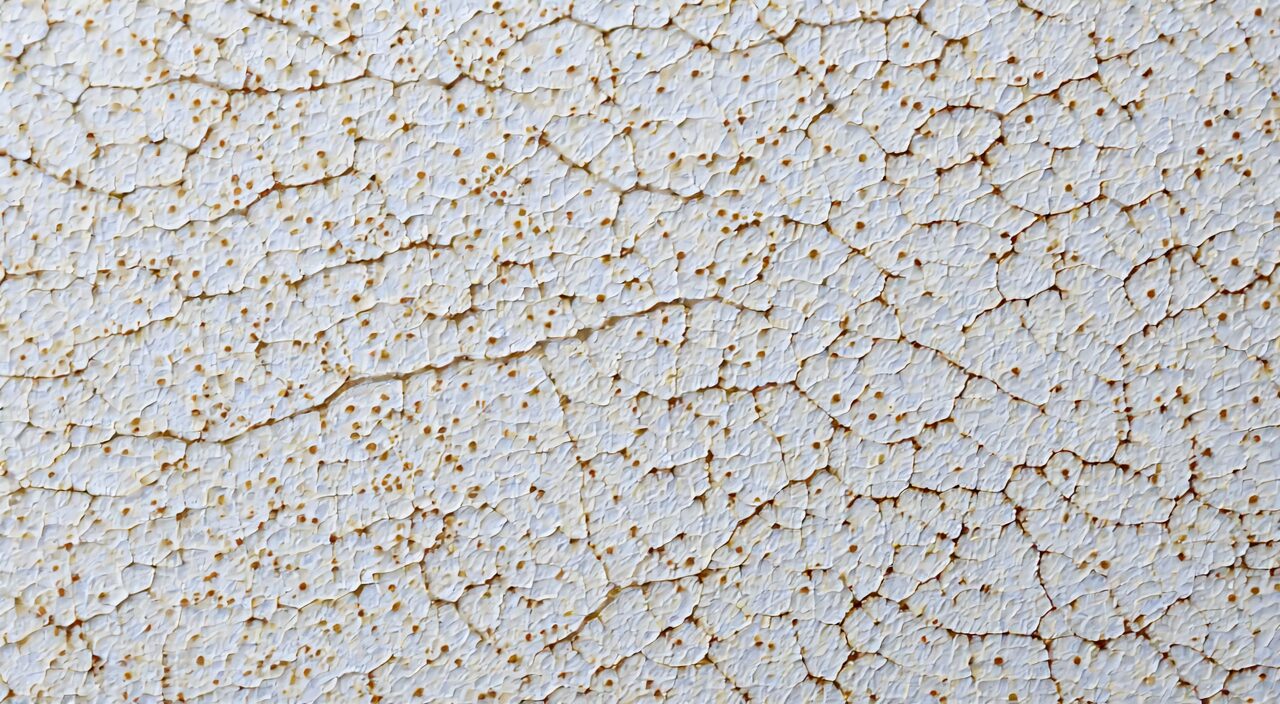
In herbal markets or Chinese pharmacies, Bi Xie is usually seen as pre-cut dried slices. The slices are mostly irregular thin pieces with uneven edges, varying in size and thickness. The surface color is mostly yellowish-white or grayish-white, and the cut surface is fine-textured with a certain degree of mealiness. When touched gently, a slight powdery sensation can occasionally be felt.
A relatively characteristic identification point is the scattered yellowish-brown dot-like vascular bundles visible on the cut surface. These dots are unevenly distributed—denser in some areas and sparser in others. The slices are rather brittle and break easily, usually with an uneven fracture surface. In terms of odor, Bi Xie has a weak smell and a slightly bitter taste; after prolonged chewing, a slight sticky and slippery sensation develops. If you see slices that are extremely white, highly starchy, but lack dot-like vascular bundles, you should suspect whether it might be another rhizome herb like Shan Yao.
What is the medicinal part of Bi Xie?
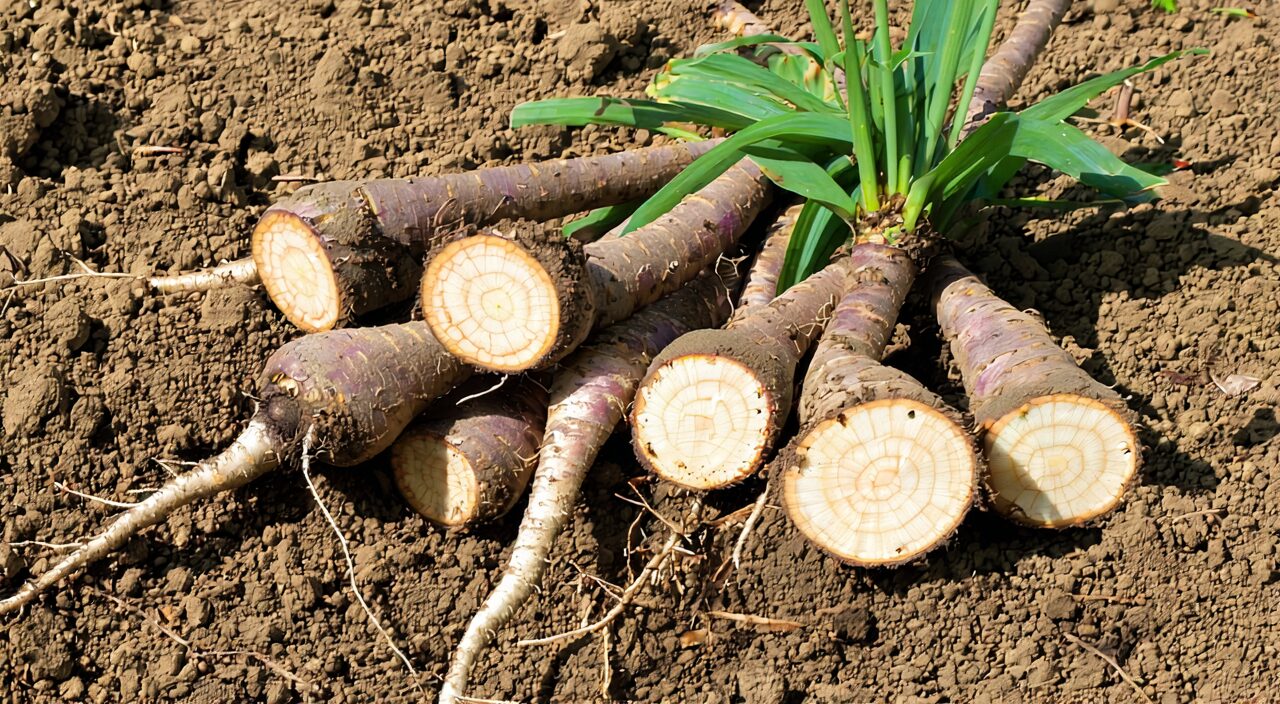
The medicinal part of Bi Xie is the rhizome, mainly derived from the dried rhizomes of Dioscorea species such as Dioscorea hypoglauca, Dioscorea septemloba, or Dioscorea futschauensis. These plants typically grow on mountain slopes, at forest edges, or in shrub thickets and are traditionally harvested in autumn and winter. After harvesting, the fibrous roots and mud are washed away, the rhizome is cut into thick slices or small chunks, and then dried in the sun or at low temperatures to become the common raw Bi Xie slices.
It is worth noting that Bi Xie from different botanical origins can vary somewhat in appearance and chemical composition. Commercial products are often distinguished as Mian Bi Xie (soft type) or Fen Bi Xie (starchy type). While learning about the medicinal part, it is also necessary to pay attention to the accuracy of the source and the processing method, which will be further addressed in the precautions section later.
How does Chinese medicine understand Bi Xie?
From the perspective of traditional Chinese medicine, Bi Xie is bitter in flavor and neutral in nature, entering the Kidney and Stomach meridians. Ancient herbal texts often summarize its actions as “draining dampness and discharging turbidity, dispelling wind and relieving impediment.” This can be understood to mean that Bi Xie is often used for conditions involving internal retention of damp-turbidity and lack of clarity in the lower burner.
For example, traditionally, if the body exhibits conditions such as turbid urine, chyluria-like disorders, or excessive leukorrhea caused by damp-turbidity pouring downward, some practitioners may consider approaches incorporating Bi Xie. At the same time, for rheumatic pain with impaired joint movement associated with pathogenic dampness, Bi Xie is also used as one of the reference herbs to dispel wind and relieve impediment, often combined with ingredients like Fu Ling (Poria), Bai Zhu (Atractylodes), Fu Zi (Aconite), and Du Huo (Angelica pubescens) with appropriate modifications. However, whether Bi Xie is suitable must be determined according to individual constitution, symptom presentation, and professional judgment; one should not choose a single herb based solely on one symptom.
What are the differences between Bi Xie, Tu Fu Ling, and Shan Yao?
In daily life, Bi Xie is easily confused with Tu Fu Ling (Smilax glabra) and Shan Yao (Chinese yam), because all three are commonly used rhizome herbs and their sliced surfaces are all white or off-white. But the differences among them are still quite clear.
First, in terms of plant origin, Bi Xie comes from Dioscoreaceae plants, Tu Fu Ling is the dried rhizome of Smilax glabra (Liliaceae), and Shan Yao is the rhizome of Dioscorea opposita (Dioscoreaceae). In slice morphology, the cut surface of Tu Fu Ling is off-white to pale reddish-brown, with stronger starchiness than Bi Xie, and dotted vascular bundles plus numerous small shiny spots can be seen; it becomes sticky and slippery when moistened. The cut surface of Shan Yao is white and also very starchy, but generally lacks distinct yellowish-brown dot-like vascular bundles, and the texture is relatively finer. The cut surface of Bi Xie is yellowish-white or grayish-white, slightly less starchy, and its key feature is scattered yellowish-brown dot-like vascular bundles.
Their traditional applications also differ. Tu Fu Ling is more oriented toward resolving toxicity, eliminating dampness, and freeing the joints, commonly used for damp-heat sores, syphilis-related conditions, and strangury with turbidity. Shan Yao emphasizes supplementing the Spleen and Stomach, generating fluids and benefiting the Lungs, and tonifying the Kidneys to astringe essence. Bi Xie mainly focuses on draining dampness, discharging turbidity, dispelling wind, and relieving impediment. Because the therapeutic directions are quite different, careful distinction is needed when purchasing and dispensing to avoid affecting the specificity of treatment due to confusion.
Which formulas contain Bi Xie?
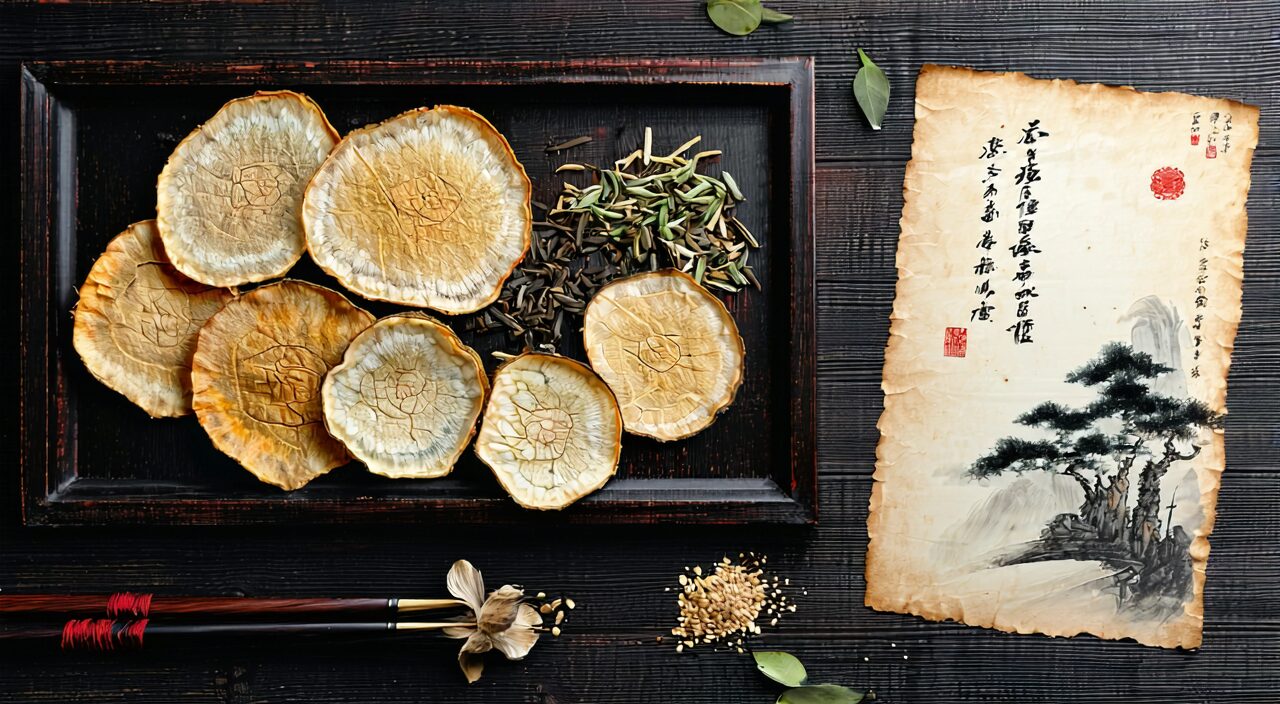
Bi Xie appears in many classical formulas, and the most representative ones are related to separating the clear from the turbid. The earliest and most well-known Bi Xie Fen Qing Yin comes from the Yang Family’s Collected Formulas (Yang Shi Jia Zang Fang), composed of Bi Xie, Wu Yao (Lindera), Yi Zhi Ren (Alpinia oxyphylla), Shi Chang Pu (Acorus), and other ingredients, traditionally used for chyluria-like disorders and white turbidity caused by deficiency-cold in the lower burner with damp-turbidity not transforming.
Another version, Cheng’s Bi Xie Fen Qing Yin from Medical Insights (Yi Xue Xin Wu), combines Bi Xie with Huang Bai (Phellodendron), Shi Chang Pu, Fu Ling, Bai Zhu, and other herbs, leaning toward clearing heat and draining dampness, often applied to damp-heat white turbidity. There is also Bi Xie Shen Shi Tang from A Collection of Insights on External Disorders (Yang Ke Xin De Ji), mostly used for skin-related issues such as eczema of the lower limbs and shank sores due to damp-heat pouring downward, demonstrating the application of Bi Xie in external medicine.
These formulas have different emphases—some tend toward warming, some toward cooling, and some simultaneously address damp skin lesions. Therefore, when using them, a comprehensive judgment based on constitution, pattern identification, and product instructions is still required, and they should not be applied mechanically on one’s own.
What precautions should be taken when using Bi Xie?
Although Bi Xie is a relatively mild herb, there are still a few points worth noting. First, according to traditional understanding, people with Kidney yin deficiency and marked spermatorrhea should generally use it with caution, because the draining and dispersing nature of Bi Xie may be unsuitable for such individuals. Second, there are multiple botanical origins for Bi Xie on the market, and Fen Bi Xie and Mian Bi Xie may differ in appearance and therapeutic direction; it is best to confirm the source and variety when choosing.
If symptoms such as recurrent turbid urine, abnormal urination, lower back pain, perineal discomfort, or accompanying marked anxiety and weight loss occur, one should not rely solely on single-herb Bi Xie or related formulas but should seek timely medical attention for professional diagnosis and treatment. Additionally, those allergic to plant materials should also exercise caution.
Summary
Bi Xie is a traditional herb whose dried rhizome is used medicinally. It can be identified by features such as a yellowish-white cut surface with scattered yellowish-brown dot-like vascular bundles, and care should be taken to distinguish it from similar-looking Tu Fu Ling and Shan Yao. Traditional Chinese medicine mainly applies Bi Xie in two directions: draining dampness and discharging turbidity, and dispelling wind to relieve impediment. Although the related classical formulas are widely known, whether they are suitable still depends on individual conditions and professional advice. Finally, a reminder: any persistent or complex physical discomfort should first be addressed through standard medical care. The content of this article is provided only as an objective popular science reference.