
What Is Gou Ji? Identification, Medicinal Part, and Common Formulas
Gou Ji (Cibotium rhizome) is a medicinal that many people first associate with animals when hearing the name, but it actually comes from a fern, Cibotium barometz, and the main part used is its dried rhizome. For overseas Chinese readers, understanding what Gou Ji looks like, how its medicinal part is processed, how it differs from Drynaria rhizome (Gu Sui Bu) and Dipsacus root (Xu Duan), and how it is used in traditional formulas is key to building a basic understanding. Commercially available Gou Ji is commonly seen in two forms: raw Gou Ji and sand-fried Gou Ji. Raw Gou Ji usually retains the golden-yellow fuzz on the surface and traditionally often needs to have the fuzz removed before use; sand-fried Gou Ji has a puffed surface after sand frying, with most of the fuzz charred and a more brittle, crisp texture. These aspects are explained separately below.
What Does Gou Ji Look Like? How to Identify It?
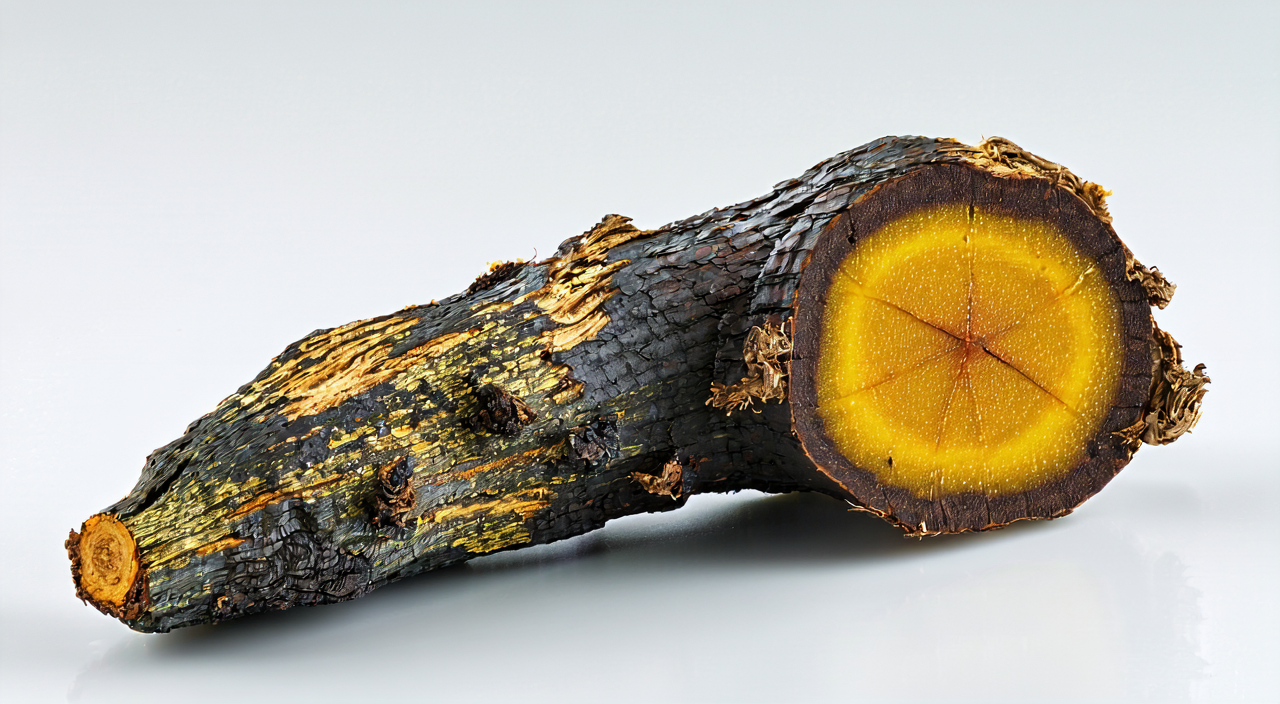
From its macroscopic features, Gou Ji is often irregularly long-block-shaped or long-cylindrical, mostly 10 to 30 cm in length and about 2 to 10 cm in diameter. The surface is dark brown or brown, densely covered with a layer of golden-yellow or yellowish-brown soft hairs, some with luster, and petiole remnants are sometimes visible at the top. This golden-yellow fuzz is an important feature for identifying Gou Ji, but different batches and processing methods may cause differences in how intact it is.
Sliced Gou Ji is usually nearly round or roundish; the outer ring is brownish brown, and the inner part is mostly yellowish-white or light brown, sometimes with scattered small dots. Sand-fried Gou Ji slices often have a brown or burnt-yellow cut surface, a puffed surface, and a relatively brittle texture. It should be noted that Gou Ji is not the same as the rhizomes of ordinary ferns, and non-professionals should not judge its source based only on surface details.
What Is the Medicinal Part of Gou Ji?
The medicinal part of Gou Ji is the dried rhizome of Cibotium barometz, a plant of the Dicksoniaceae family. Traditional harvesting is mostly carried out in late autumn to early winter. After digging, the sediment, petioles, and fibrous roots are removed. Because the rhizome surface has fine, dense golden-yellow fuzz, traditional processing before use includes scraping, singeing, brushing, or other methods to reduce irritation of the throat and stomach. Modern decoction pieces are commonly seen in two forms: raw Gou Ji and sand-fried Gou Ji. Raw Gou Ji is more oriented toward dispelling wind-dampness and benefiting the joints; sand-fried Gou Ji, after sand frying, is more oriented toward supplementing the liver and kidneys and strengthening sinews and bones, and it is more often used in approaches for soreness and weakness of the lower back and knees. Whichever form is used, one should choose materials with clear sourcing and standardized processing, and avoid collecting and processing them casually.
How Does Traditional Chinese Medicine Understand Gou Ji?
In traditional Chinese medicine theory, Gou Ji is bitter and sweet in nature and warm in property, and it enters the liver and kidney meridians. TCM usually understands the actions of Gou Ji from the perspectives of dispelling wind-dampness, supplementing the liver and kidneys, and strengthening the lower back and knees. For lower back and spinal pain, difficulty bending forward and backward, and soreness and weakness of the lower limbs caused by wind-cold-damp obstruction, Gou Ji is often used as one of the regulating directions, combined with herbs such as Eucommia bark, Dipsacus root, Achyranthes root, and mulberry mistletoe (Sang Ji Sheng).
It should be noted that these are traditional understandings and do not mean that a single medicinal can resolve related problems on its own. Whether Gou Ji is suitable depends on a comprehensive assessment of individual constitution, symptom presentation, and professional advice. In particular, lower back and leg discomfort may involve the bones, joints, nerves, internal organs, or other factors, so it should not be used on one’s own as a replacement treatment.
What Are the Directions of Modern Research?
Modern research on Gou Ji mostly focuses on its phenolic compounds, tannins, flavonoids, and other constituents. Some experimental studies have attempted to explore its potential roles in bone metabolism, anti-inflammatory activity, analgesia, and other aspects. At the same time, changes in constituents before and after processing have also attracted attention, and some studies suggest that sand frying may affect the physicochemical properties and mouthfeel of Gou Ji.
However, most of these studies are still at an exploratory stage. They cannot simply be equated with clinical effects, nor can they replace standard treatment. For consumers, modern research should only be one aspect of understanding the medicinal, and it should not be used as a reason to increase the dosage or use it long term on one’s own.
What Are the Differences Between Gou Ji, Drynaria Rhizome, and Dipsacus Root?
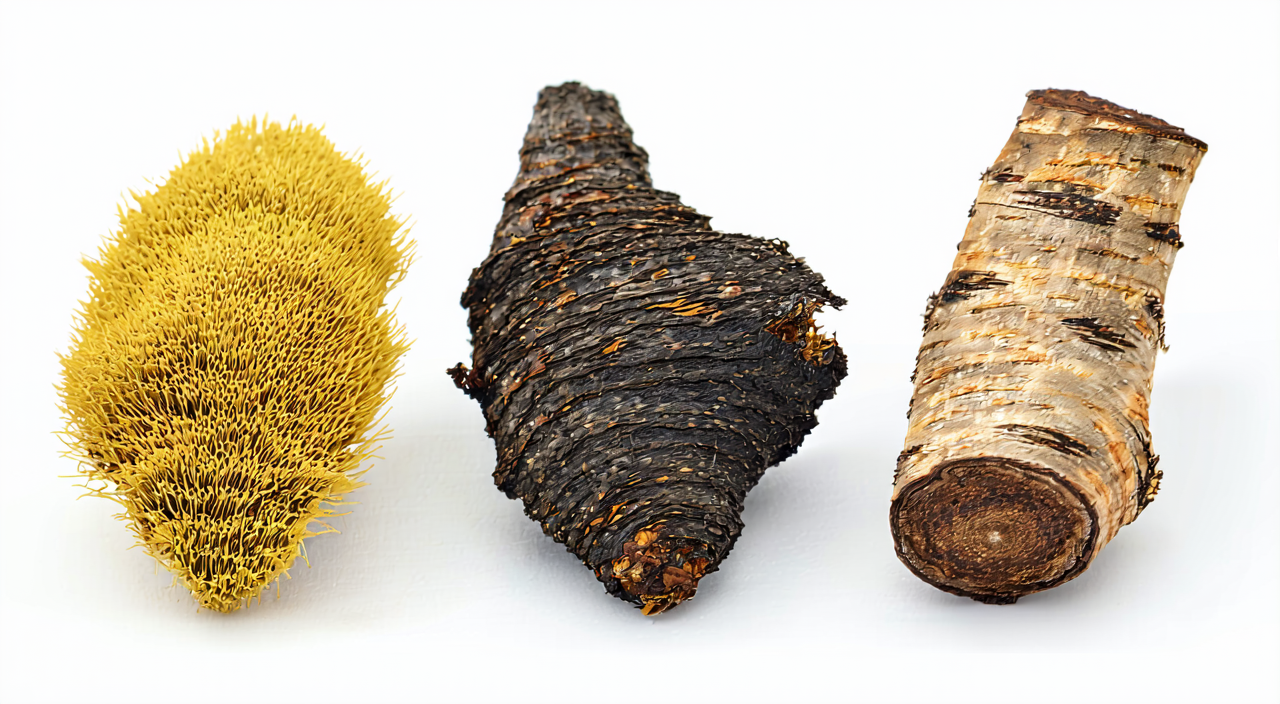
Gou Ji, Drynaria rhizome (Gu Sui Bu), and Dipsacus root (Xu Duan) are often mentioned together in formulas for strengthening the lower back and knees and regulating sinews and bones, but they differ in source, appearance, and traditional emphasis of actions.
In terms of source, Gou Ji comes from the rhizome of Cibotium barometz; Drynaria rhizome comes from the rhizome of Drynaria fortunei, Drynaria sinica, or related species; and Dipsacus root comes from the root of Dipsacus asper. In terms of appearance, the surface of Gou Ji often bears golden-yellow fuzz, and its cut surface is yellowish-white or light brown. Drynaria rhizome has a darker brown to blackish-brown surface, often with raised round leaf scars, and a reddish-brown or light brown cut surface. Dipsacus root is a long cylindrical root with longitudinal grooves and transverse striations on the surface, and its cut surface is blackish-brown or brown, with a relatively tough texture.
In traditional actions, Gou Ji is more oriented toward supplementing the liver and kidneys, strengthening the lower back and knees, and dispelling wind-dampness. Drynaria rhizome is more oriented toward healing injuries, reconnecting bone, supplementing the kidneys, and strengthening bone. Dipsacus root is more oriented toward supplementing the liver and kidneys, reconnecting sinews and bone, and regulating blood and vessels. The three can be distinguished individually and are often combined with each other according to the specific situation. When purchasing or using them, source confusion is a relatively common problem, so it is recommended to choose decoction pieces clearly labeled as Gou Ji through formal channels.
Which Formulas Use Gou Ji?
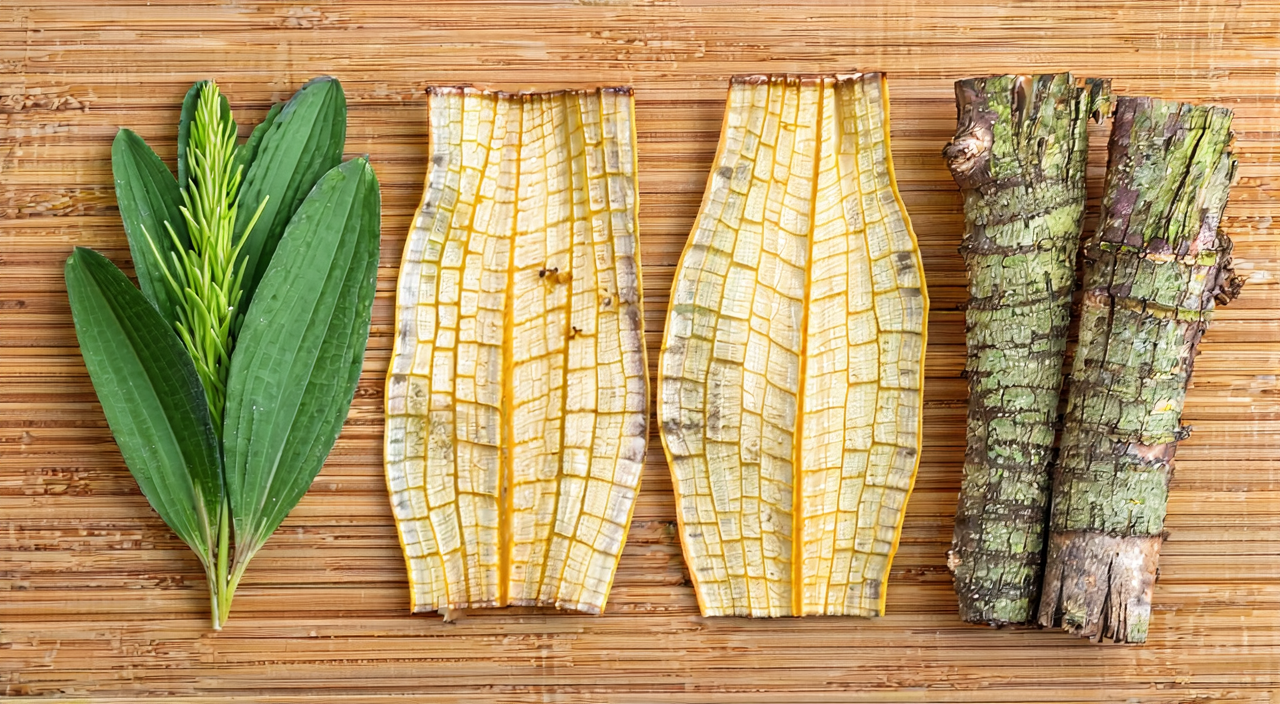
In traditional formulas, formulas containing Gou Ji are not uncommon. The versions and compositions of “Gou Ji Wan” (Gou Ji Pill) and “Gou Ji Yin” (Gou Ji Decoction) vary in different medical texts. A common combination direction is to pair Gou Ji with Eucommia bark, Achyranthes root, Chaenomeles fruit, Acanthopanax bark, Dipsacus root, Angelica sinensis, and others, for auxiliary regulation of presentations such as soreness and pain in the lower back and knees, weakness of the lower limbs, and wind-cold-damp obstruction. Formulas for strengthening sinews and bones may also include Gou Ji according to the specific situation, to emphasize the approach of supplementing the liver and kidneys and strengthening the lower back and knees.
It should be explained that these formulas belong to traditional use directions. The specific composition and usage need to be judged according to individual circumstances, and one should not apply them mechanically based only on formula names. Before use, it is recommended to check product instructions and consult a Chinese medicine practitioner, pharmacist, or relevant professional. In particular, do not confuse different versions of formulas.
What Precautions Should Be Taken When Using Gou Ji?
Although Gou Ji is common, it is not suitable for everyone. Traditionally, people with kidney deficiency with heat, difficult urination, or predominant internal damp-heat should use it with caution. Because Gou Ji is warm in nature, people with yin deficiency with heat may experience worsened dry mouth, irritability, and other manifestations if it is used improperly. Pregnant women, breastfeeding women, and people with chronic diseases should consult a professional before use.
The golden-yellow fuzz on the rhizome surface is somewhat irritating to the throat and stomach, so raw Gou Ji usually needs to have the fuzz removed before use, or one may choose standardized processed sand-fried Gou Ji. If self-processing is incomplete, it may cause discomfort. More importantly, Gou Ji is similar in appearance to Drynaria rhizome and some fern rhizomes, so non-professionals may easily misidentify it. Self-digging and processing are not recommended.
If lower back and leg pain persists, repeatedly worsens, or is accompanied by lower limb numbness, weakness, trauma, obvious swelling, fever, weight loss, or other conditions, seek medical attention promptly. Do not delay diagnosis by trying a single medicinal.
Summary
Gou Ji is a Chinese medicinal derived from the dried rhizome of Cibotium barometz. Identification mainly relies on the golden-yellow fuzz on the surface and the nearly round cut surface. When using it, raw Gou Ji and sand-fried Gou Ji should be distinguished. Traditional Chinese medicine generally understands it from the perspectives of dispelling wind-dampness, supplementing the liver and kidneys, and strengthening the lower back and knees, and it is often used separately from herbs such as Drynaria rhizome and Dipsacus root. Because processing, constitution, and source can all affect safety and suitability, it should be used with caution and under professional advice. This article is for educational reference only and cannot replace professional diagnosis or treatment advice.