
What Is Qin Pi? Medicinal Parts, Identification Methods, and Common Formulas
In the world of Chinese medicine, Qin Pi (Fraxinus bark) is a highly identifiable tree bark medicinal. Many beginners who start exploring Chinese herbal medicine wonder what Qin Pi is, what it looks like, and how it differs from the similar-looking Huang Bai (Phellodendron bark). Qin Pi is derived from the branch bark or trunk bark of various Fraxinus species. It has distinctive physical characteristics—such as the fluorescence phenomenon when soaked in water—and plays an important role in traditional formulas. Below is a systematic introduction to the key identification points, medicinal parts, traditional understanding, common formulas, and precautions regarding Qin Pi.
What does Qin Pi look like? How to identify it?
Typical Qin Pi pieces are quilled (rolled into tubes) or trough-shaped, with some appearing as semi-curled flat plates. The outer surface is mostly grayish-brown, grayish-white, or grayish-black, often scattered with grayish-white dot-like lenticels, and sometimes fine longitudinal wrinkles can be seen; the inner surface is yellowish-white or light brown, relatively smooth, with fine longitudinal striations.
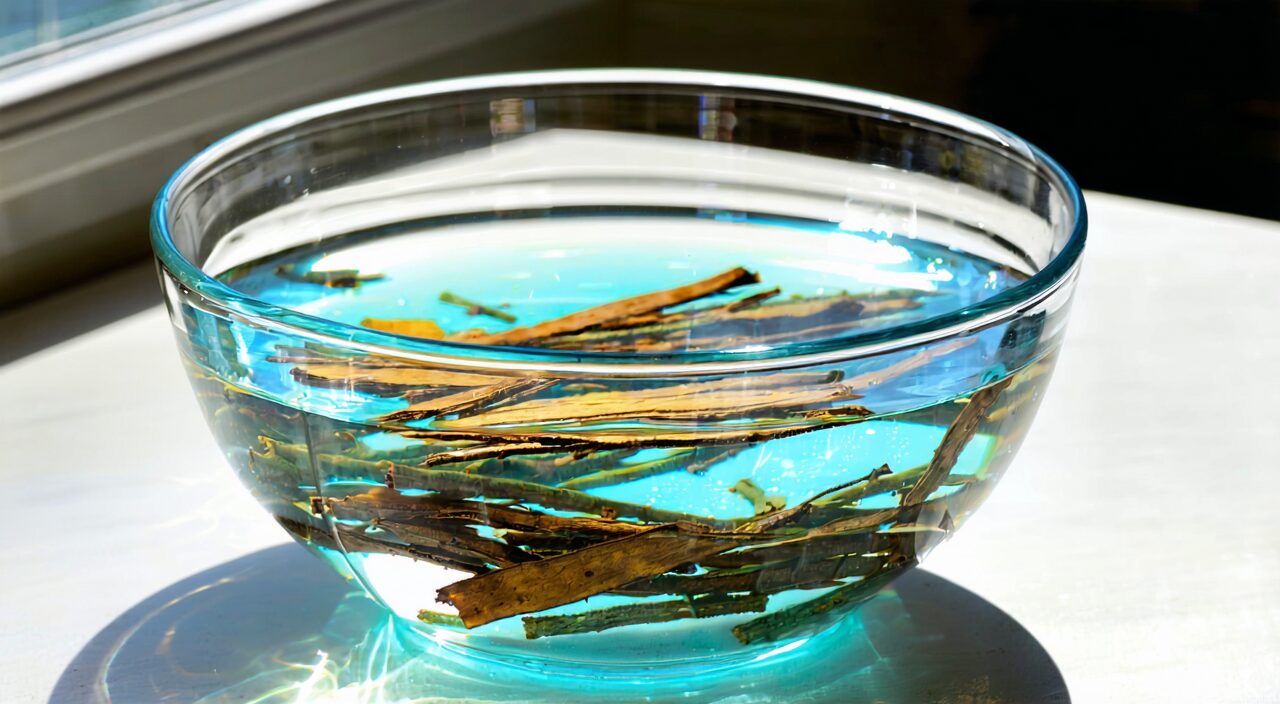
In terms of texture, Qin Pi is hard and brittle; when broken, it tends to produce a dusty sensation, and the fracture is relatively rough, fibrous, and easily delaminates. A very distinctive identification method is the water immersion test: place Qin Pi in clean water and soak it; the resulting infusion will show a distinct bluish-blue fluorescence under sunlight. This phenomenon is due to coumarin compounds contained in Qin Pi, such as aesculin and aesculetin, and serves as an important basis for distinguishing it from some similar-looking barks. In daily self-identification, if conditions permit, you can soak a small amount of Qin Pi in water and observe it by a window; the blue fluorescence will be relatively obvious.
What is the medicinal part of Qin Pi?
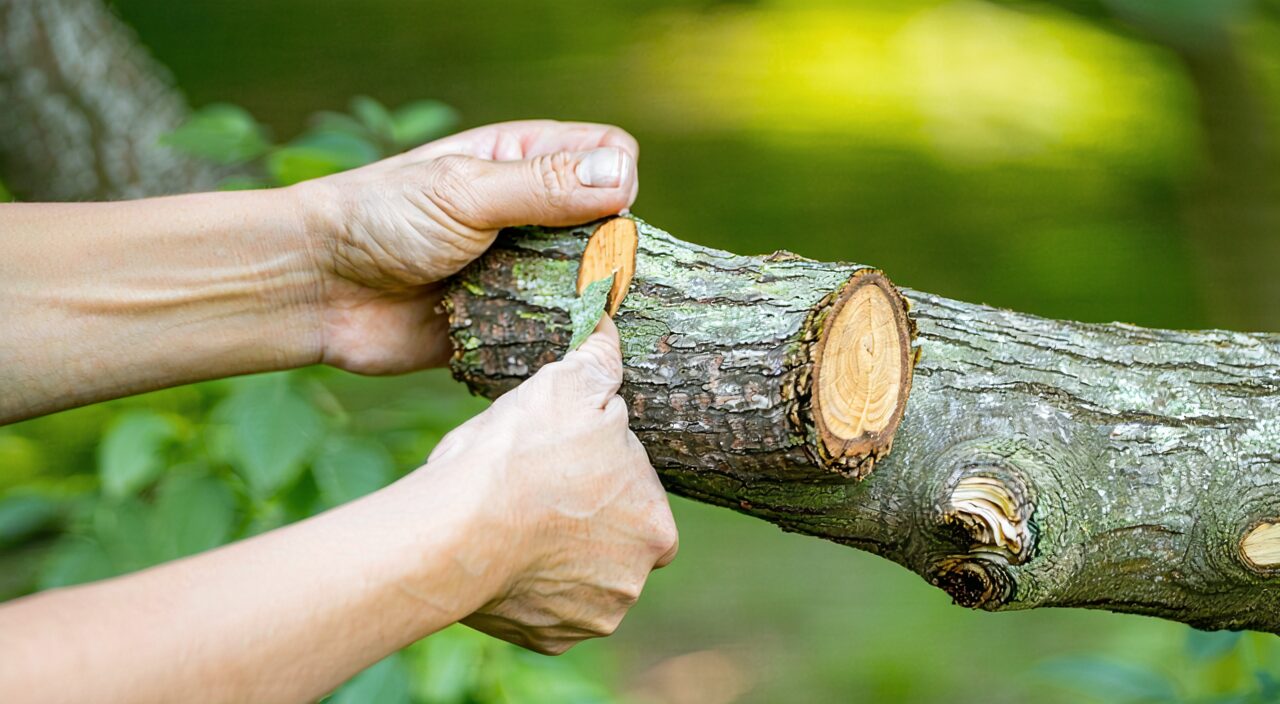
The medicinal part of Qin Pi is the dried branch bark or trunk bark of Fraxinus rhynchophylla, Fraxinus chinensis, Fraxinus szaboana, or Fraxinus stylosa, all belonging to the Oleaceae family. In other words, the part used in medicine is mainly the bark of these Fraxinus species, not the root, flower, or fruit.
Traditional harvesting and processing usually take place in spring and autumn. Herbalists strip the bark from branches of suitable thickness or from the trunk, remove the rough cork layer on the outer surface, and then dry it in the sun or at low temperatures. In the final commercial medicinal material, branch bark is mostly quilled or trough-shaped, while trunk bark appears as irregular pieces; both are considered authentic sources of Qin Pi in traditional use. Understanding the medicinal part helps distinguish Qin Pi from other substitutes and more accurately grasp its properties.
How does Chinese medicine understand Qin Pi?
In traditional Chinese medicine theory, Qin Pi is bitter and astringent in taste and cold in nature; it mainly enters the liver, gallbladder, and large intestine meridians. Its core actions are generally understood from the perspectives of clearing heat and drying dampness, astringing to stop diarrhea, checking leukorrhagia, and brightening the eyes.
When damp-heat lingers in the intestines, causing diarrhea, dysentery, and tenesmus, Qin Pi is often combined with Huang Lian (Coptis) and Bai Tou Weng (Pulsatilla) to help clear the damp-heat. For damp-heat presenting as excessive, yellow, or sticky vaginal discharge, Qin Pi is also frequently employed in related therapeutic approaches to help astringe and stop the discharge. Moreover, because Qin Pi enters the liver meridian, it is traditionally used to address red, swollen, and painful eyes, increased eye discharge, and even blurred vision caused by liver fire flaring upward. This differs from other herbs that purely clear damp-heat, as Qin Pi’s astringent and eye-brightening tendency makes it a consideration in many damp-heat conditions accompanied by incontinence.
However, it must be emphasized that these are only traditional summaries of Qin Pi’s functions; whether it is suitable for an individual depends on their constitution, specific symptoms, and the judgment of a qualified professional.
What has modern research discovered?
From the perspective of modern research, Qin Pi mainly contains a class of compounds called coumarins, such as aesculin, aesculetin, and fraxetin. Some experimental studies have found that these components exhibit certain antibacterial, anti-inflammatory, and antioxidant activities under in vitro conditions. For example, some research has observed that Qin Pi extracts inhibit certain intestinal bacteria, offering a modern perspective on traditional understanding.
However, most of these studies are still at the basic experimental stage and cannot be directly equated to clinical effects in humans. Information of this kind can serve as a reference for further attention but cannot replace standardized medical advice.
What are the differences between Qin Pi, Huang Bai, and Bai Tou Weng?
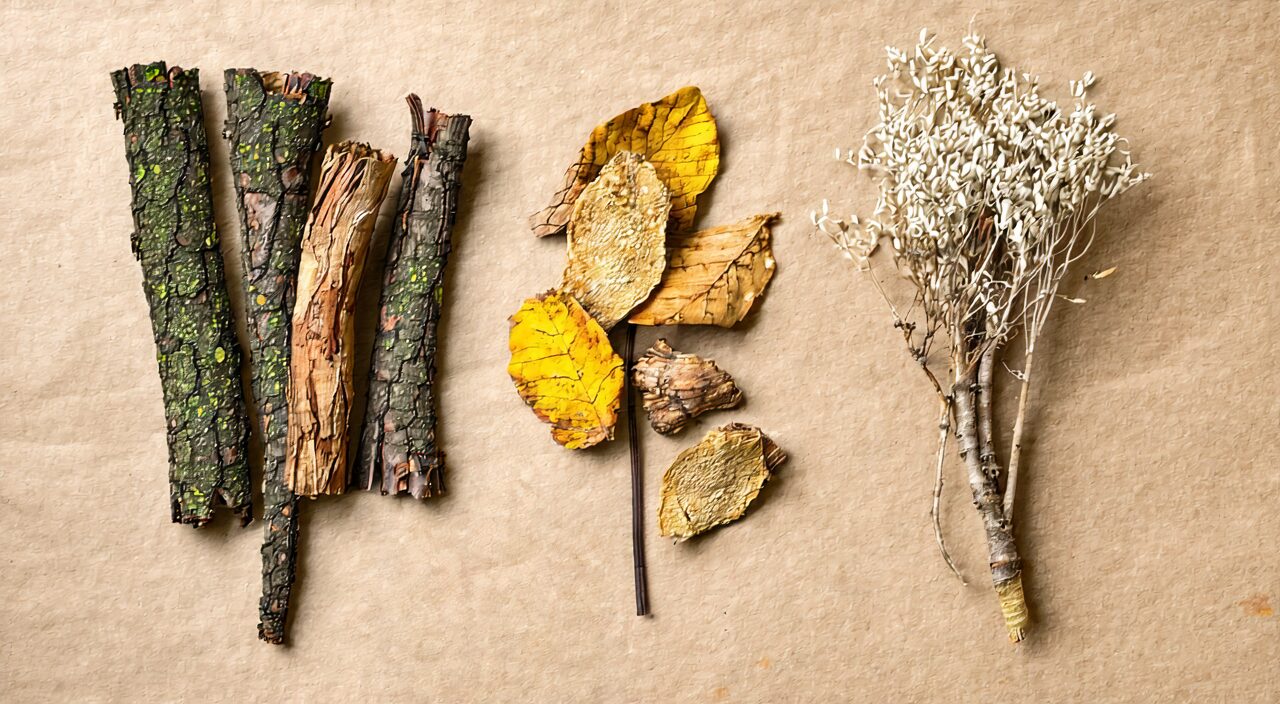
Qin Pi, Huang Bai, and Bai Tou Weng are all medicinal materials commonly used for damp-heat related conditions and sometimes appear in the same formula, but their origins and emphases differ.
As detailed earlier, Qin Pi comes from the bark of Fraxinus species. Huang Bai is the dried bark of Phellodendron chinense or Phellodendron amurense (Rutaceae family). Its outer surface is usually yellowish-brown or deep yellow, and the texture is relatively hard, but the fracture tends to be more granular, and it generally lacks the blue fluorescence of Qin Pi after water immersion. In traditional application, Huang Bai is more skilled at clearing damp-heat from the lower burner, draining fire, and resolving toxins, often appearing in treatments for damp-heat strangury, leukorrhagia, and steaming bone tidal fever.
Bai Tou Weng is different; its medicinal part is the dried root of Pulsatilla chinensis (Ranunculaceae family), not bark. The root head of Bai Tou Weng often shows white woolly hairs, a typical feature. Traditionally, Bai Tou Weng focuses on clearing heat, resolving toxins, cooling the blood, and stopping dysentery, especially used for presentations of heat-toxin bloody dysentery with prominent tenesmus.
In the classic formula Bai Tou Weng Tang, Qin Pi, Huang Bai, and Bai Tou Weng are used together: Bai Tou Weng cools the blood and resolves toxins, Huang Bai clears lower burner damp-heat, and Qin Pi astringes to stop diarrhea and supports eye health. This combination addresses different aspects of heat-toxin dysentery. Understanding the differences among the three helps grasp the rationale behind the formula more effectively.
Which formulas use Qin Pi?
Qin Pi appears in a number of traditional formulas; representative ones include Bai Tou Weng Tang, Bai Tou Weng Jia Gan Cao E Jiao Tang, Qin Pi San, and Qin Pi Tang.
Bai Tou Weng Tang consists of Bai Tou Weng, Huang Bai, Huang Lian, and Qin Pi. It is a classic formula for treating conditions primarily characterized by damp-heat toxin—diarrhea, bloody purulent stools, and tenesmus. In this formula, Qin Pi mainly assists with astringing and clearing heat. Bai Tou Weng Jia Gan Cao E Jiao Tang adds Gan Cao (licorice) and E Jiao (donkey-hide gelatin) to the base of Bai Tou Weng Tang. Traditionally, it is considered to not only clear heat and stop dysentery but also nourish blood and support the upright qi, making it more suitable for complex conditions such as postpartum recovery or deficiency with intermingled heat.
Qin Pi San and Qin Pi Tang are also formulas that feature or heavily use Qin Pi; in some texts, they are applied to red, swollen, and painful eyes or damp-heat attacking the eyes. However, the specific application of these formulas is highly dependent on pattern differentiation. Whether they are suitable and how to modify them must be determined by an experienced practitioner based on the actual situation. It is not advisable to blindly apply them based on just one or two symptoms.
What precautions should be taken when using Qin Pi?
Qin Pi tends to be cold and astringent in nature, so several aspects merit attention during use.
First, those with spleen-stomach deficiency cold should be especially cautious. If you usually experience cold abdominal pain, loose stools, poor appetite, or discomfort after eating even a little raw or cold food, you should not use Qin Pi on your own without a clear diagnosis of mixed cold and heat, to avoid aggravating gastrointestinal discomfort.
Second, it is not recommended to use Qin Pi for a long time or in large amounts on your own, especially for chronic intestinal problems or persistent leukorrhagia. If symptoms recur or remain unrelieved for a long period, the root cause should be identified before considering a treatment approach.
Third, for eye discomfort such as red, swollen, painful eyes, blurred vision, or excessive discharge—although traditionally Qin Pi is considered beneficial for the eyes—eye problems require standard medical evaluation. These symptoms can involve various conditions such as keratitis, conjunctivitis, or glaucoma. Relying solely on Qin Pi washes or internal use cannot replace professional ophthalmic diagnosis, and delaying proper treatment may pose unnecessary risks.
Furthermore, pregnant and breastfeeding women, as well as children, should fully consult a professional before using Qin Pi or related formulas and avoid making decisions on their own.
Summary
As a tree bark medicinal with a clear origin, Qin Pi has notable identification features: quilled appearance, yellowish-white inner surface, and the blue fluorescence that emerges after water immersion. Traditionally, it is used to clear heat and dry dampness, astringe to stop diarrhea, check leukorrhagia, and brighten the eyes, often combined with Huang Bai and Bai Tou Weng in classic formulas like Bai Tou Weng Tang. However, Qin Pi is cold and astringent; when using it, full consideration must be given to one’s constitution. Those with spleen-stomach deficiency cold or chronic/recurrent symptoms should differentiate and make choices under professional guidance. This article is intended solely as a popular science reference on Chinese medicine and cannot replace professional diagnosis or treatment advice.