
Gardenia (Zhi Zi): What It Is, Medicinal Parts, Identification, and Common Formulas
When people mention gardenia, the first thing that comes to mind is often the fragrant white flowers of early summer, but readers with some exposure to Chinese herbal formulas may be more familiar with its use as a medicinal substance. What exactly is gardenia, where does it come from, what does it look like, and what should one watch for when using it? These are common questions for beginners in Chinese medicine. This article systematically sorts through the herb gardenia, covering its identification, medicinal parts, traditional understanding, common formulas, and precautions, in order to provide an objective, clear reference for overseas readers.
What does gardenia look like? How to identify it
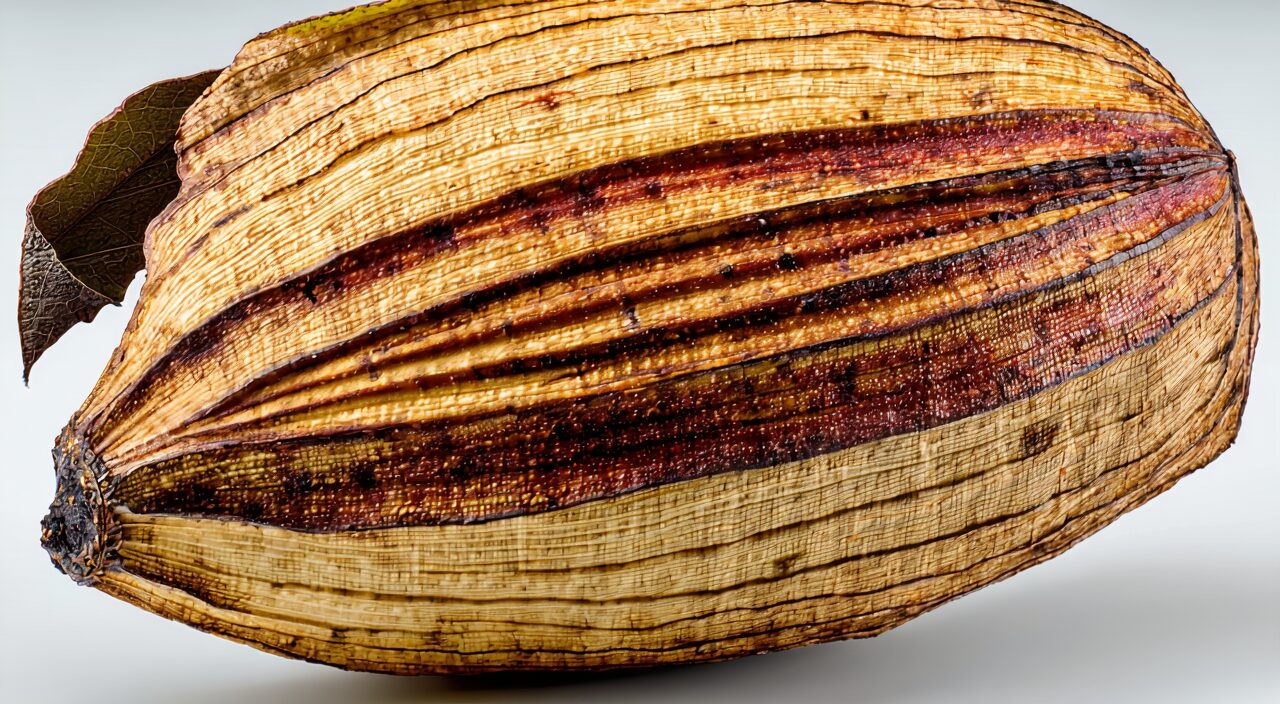
The gardenia used in herbal medicine is not the fresh flower, but the fruit of the plant. The fruit is typically oblong-ovoid or elliptical, not very large, mostly between 1.5 and 3 cm in length. After drying, the surface is yellowish-red, reddish-brown, or tinged with orange-red. The color is not uniform, and dark spots are sometimes visible.
One of the more recognizable features is the 5 to 9 longitudinal ridges running from one end to the other on the fruit surface. Between the ridges are slight depressions, giving the whole fruit a noticeably ridged and grooved appearance. At the tip of the fruit, remnants of the persistent calyx can sometimes be seen, while the base bears a short fruit stalk. Although many stalks fall off during processing, a small depression usually remains.
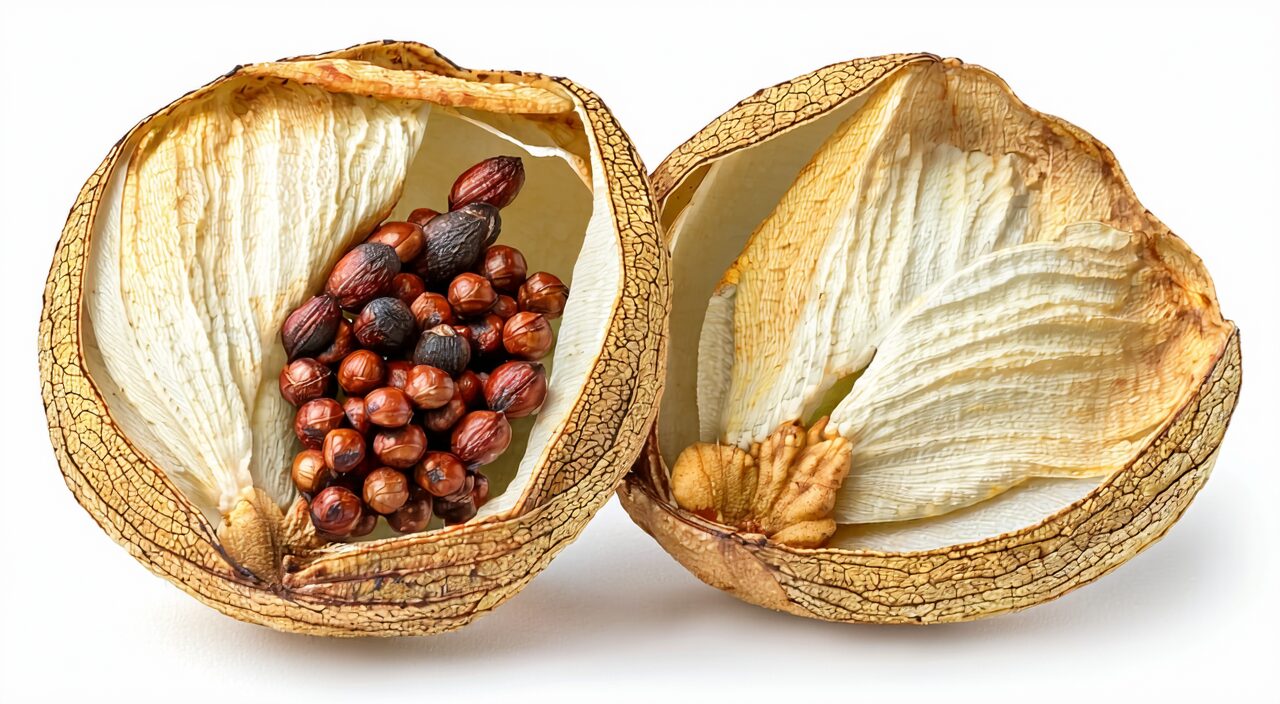
Cutting the fruit open reveals a relatively thin pericarp, inside which are numerous tiny seeds. The seeds are clustered together, often coated with a layer of orange-red or yellowish-red fleshy tissue, characteristic of the outer seed coat. The color of the seeds is related to the ripeness of the fruit; when ripe they are mostly reddish-brown, with a faint, distinct odor and a slightly bitter taste. Overall, gardenia fruit can be identified quite easily by its oblong-ovoid shape, distinct longitudinal ridges, and the many seeds inside.
What is the medicinal part of gardenia?
The medicinal part of gardenia is its dried ripe fruit. Harvesting usually takes place in autumn when the fruit matures and the peel turns reddish-yellow. After harvest, the fruit stalks and impurities are removed, and the fruits are dried in the sun or at a low temperature. Sometimes they are briefly steamed before drying to reduce bitterness and cold nature.
In traditional use, gardenia is divided into raw gardenia and various processed products. Raw gardenia is the dried fruit used directly after harvesting and processing; it has a strong cold nature and its fire-clearing action tends to be more directed toward the upper burner. A common processed form is scorched gardenia (Jiao Zhizi), which is made by stir-frying raw gardenia over medium heat until charred brown on the surface with scorch marks and a deepened internal color. Scorched gardenia has a relatively milder cold nature and is more suited to the blood aspect, being applicable to certain conditions caused by blood heat. Besides this, there are also stir-fried gardenia, charred gardenia, and other processed forms. Which one to use depends on the individual’s constitution and the direction of treatment. Therefore, when learning about gardenia, one must pay attention not only to its source but also to whether the raw or processed product is being used.
How does Chinese medicine understand gardenia?
In traditional Chinese medicine theory, gardenia is commonly understood from the perspectives of draining fire and relieving restlessness, clearing heat and draining dampness, and cooling blood and resolving toxicity.
Draining fire and relieving restlessness is one of gardenia’s more prominent applications. When fire-heat internally harasses the body, causing restlessness, agitation, inability to sit or lie still, and a feeling of heat in the chest, gardenia is often considered. It does not directly target a single zang-fu organ but can clear diffuse fire-heat from all three burners, so it may have value in regulating heart spirit disturbance caused by various fire-heat conditions. Traditionally, when febrile disease leads to vexation and difficulty lying down comfortably, gardenia is frequently added to formulas.
In terms of clearing heat and draining dampness, gardenia is thought to guide damp-heat out through urination. This is typically exemplified in the direction of jaundice caused by damp-heat accumulation. Since gardenia enters both the qi and blood aspects and can clear liver-gallbladder damp-heat, it is often combined with herbs like yinchen (Artemisiae Scopariae Herba) and rhubarb (Da Huang), forming an important approach for damp-heat jaundice. When used alone its strength is relatively limited, so it is commonly seen in compound formulas.
Cooling blood and resolving toxicity is another common application direction for gardenia. Traditionally, gardenia is believed to cool blood and stop bleeding, possibly providing some supportive action in certain bleeding tendencies due to reckless blood heat, such as coughing blood, blood in the urine, or skin rashes and patches. Externally, gardenia powder mixed into a paste is also used for local redness, heat, and swelling after sprains and bruises, but this is an auxiliary nursing method and cannot replace basic trauma management.
It is important to note that these understandings of gardenia are mainly based on traditional experience and long-term clinical observation. The mechanisms of action are still being explored in modern research, and it does not mean that using gardenia alone can resolve complex problems.
Modern research on gardenia
Modern research has shed some light on the constituents of gardenia. Active substances that have drawn considerable attention include geniposide, crocins, and chlorogenic acid. In vitro experiments and animal studies suggest that geniposide may have certain anti-inflammatory and antioxidant effects, while crocin-type compounds are thought to be associated with liver protection and choleretic effects, possibly helping to improve cholestasis by influencing bilirubin metabolism. In addition, some studies have observed that gardenia extracts show a calming, sedative-like tendency on the nervous system, which might partially correspond to the traditional direction of “relieving restlessness.”
However, most of these studies are still at the experimental stage, and there is a long way to go before direct translation into clinical application. The effects vary greatly under different extraction methods and dosages, and in fact, high-dose use has even been observed to show certain hepatotoxic tendencies in some animal experiments. Therefore, these modern findings can serve as background knowledge for understanding gardenia, but should not be interpreted directly as universally applicable or as having definitive therapeutic effects. Decisions regarding the use of gardenia products still require careful judgment.
How is gardenia different from coptis and scutellaria?
Although gardenia, coptis (Huang Lian), and scutellaria (Huang Qin) are all involved in “clearing fire,” they clearly differ in source, plant part used, and emphasis of application.
Gardenia comes from the fruit, coptis from the rhizome, and scutellaria from the root—completely different plants. In terms of nature, gardenia tends to clear fire from all three burners, direct heat downward, and promote dampness and relieve jaundice. It can clear heat from the qi aspect and also enter the blood aspect to cool blood, giving it a relatively broad scope. Coptis is more suited to clearing heart and stomach fire, particularly damp-heat in the middle burner affecting the spleen and stomach, as well as restlessness and insomnia due to heat harassing the heart spirit; its bitter-cold nature is rather strong and it can easily impair the stomach. Scutellaria is more appropriate for clearing upper burner lung fire and is more commonly used for patterns like lung-heat cough, sore throat, and chest oppression with heat.
Thus, although all three belong to the bitter-cold, heat-clearing category, the specific emphases of use are not the same. Whether they can be substituted or combined requires assessment based on a person’s constitution and specific presentation, and should not be swapped casually on one’s own.
Which formulas use gardenia?
As a commonly used Chinese herb, gardenia appears in many classic formulas. The following introduces several representative formulas for reference and general understanding only; it does not mean one can use these formulas directly on their own.
Gardenia and Sojae Semen Decoction (Zhi Zi Chi Tang): This is a small formula from the Treatise on Cold Damage (Shang Han Lun), composed of gardenia and light fermented soybean (Dan Dou Chi). It is often used for a state of heat stagnating in the chest and diaphragm, with vexation and inability to sleep. Traditionally, gardenia is considered to clear and vent constrained heat, while light fermented soybean disperses depressed qi; together they help resolve oppressive heat in the chest and diaphragm, providing a reference for patterns such as deficiency vexation and insomnia during the later stages of febrile disease, along with feelings of anguish and distress.
Gentianae Liver-Draining Decoction (Long Dan Xie Gan Tang): This formula uses gentian (Long Dan Cao) as the sovereign herb, combined with gardenia, scutellaria, alisma, plantago seed, and others. It is often used in patterns of liver-gallbladder excess fire or damp-heat harassing the upper body, such as bitter taste in the mouth, hypochondriac pain, dark yellow urine, and yellow, thick leukorrhea. Gardenia assists in clearing liver fire and draining dampness, serving as an important adjunct herb.
Artemisiae Scopariae Decoction (Yin Chen Hao Tang): This is a classic formula for damp-heat jaundice, composed of yinchen (Artemisiae Scopariae Herba), gardenia, and rhubarb. In this formula, gardenia helps yinchen clear heat and drain dampness and promote the expulsion of damp-heat, thereby reducing jaundice. This formula still embodies the direction of clearing and draining, rather than directly eliminating jaundice itself.
Coptis Toxin-Resolving Decoction (Huang Lian Jie Du Tang): Composed of coptis, scutellaria, phellodendron (Huang Bai), and gardenia, this is a representative formula for draining fire and resolving toxicity. It is traditionally used for intense fire toxin and heat flourishing in all three burners, with high fever, vexation, dry mouth, sore throat, and skin sores. Gardenia’s role in this formula is to drain fire from the three burners overall while also cooling the blood, acting in synergy with the other bitter-cold herbs.
All these formulas have rigorous requirements for pattern differentiation and meticulous ratios of ingredients. Their use must be adjusted according to the individual’s current constitution and symptoms; they should never be applied casually without differentiation.
What are the precautions when using gardenia?
Although gardenia is a common medicinal herb, it is not suitable for every situation. Several points deserve particular attention.
First of all, gardenia is cold in nature and can easily affect the spleen and stomach’s transportation and transformation functions. People with spleen-stomach deficiency cold, weak digestion, or a tendency to loose stools may experience worsened abdominal discomfort or diarrhea when using gardenia. In compound formulas, spleen- and stomach-protecting herbs are often added to moderate its cold nature, but if used alone or over a long term, the risk increases accordingly.
Second, raw and processed gardenia differ in their action tendencies. Raw gardenia has a strong heat-clearing power and tends to clear fire and relieve restlessness; scorched gardenia is milder in coldness and is more frequently used for blood-heat patterns. These two should not be casually interchanged, especially for individuals who need to limit the degree of coldness. Choosing which processed product to use requires careful judgment.
Furthermore, long-term, high-dose self-administration of gardenia is not recommended. Isolated modern studies have reported potential effects of high-dose gardenia extracts on the liver, and although the risk is very low at commonly used dosages, blindly exceeding the dose or prolonging the duration of use should still be avoided. If symptoms such as decreased appetite, bloating, loose stools, or skin rashes occur while using gardenia-containing products, it is advisable to discontinue use temporarily and observe changes, and consult a professional if necessary. In cases of recurrent severe vexation, insomnia, or when accompanied by marked palpitations, chest oppression, weight loss, persistent abdominal pain, and similar presentations, a comprehensive medical evaluation should be sought first rather than relying on a single herb for self-regulation.
Summary
Gardenia is a heat-clearing medicinal substance derived from ripe fruit. Its oblong-ovoid shape, longitudinal ridges, and numerous seeds are the more intuitive identification points. Traditional Chinese medicine mainly understands it from the angles of draining fire and relieving restlessness, clearing heat and draining dampness, and cooling blood and resolving toxicity. Although modern research has discovered some active constituents, it is still in an exploratory stage. Classic formulas such as Gardenia and Sojae Semen Decoction and Gentianae Liver-Draining Decoction often include it as an important ingredient, but the use of these formulas cannot be separated from individual pattern differentiation. Overall, gardenia can serve as a reference for understanding heat-clearing approaches, but one should view its actions rationally, should not self-medicate with it in large doses over long periods, and should seek professional diagnosis and guidance when truly necessary.