
TCM Understanding of Alopecia Areata (Ghost Shaving) and Common Approaches to Regulation

One day while combing or washing your hair, you suddenly notice a small patch of hair missing on the scalp—with clear boundaries and smooth skin, without redness, swelling, pain, or itching. This “sudden” change often causes unease.
This is alopecia areata, also commonly called “ghost shaving” in folk terms. It may appear as a single patch, or multiple patches may occur simultaneously; in severe cases, it can even progress to total scalp hair loss or total body hair loss. In the face of this phenomenon, modern medicine often analyzes it from perspectives such as immunity and genetics, while traditional Chinese medicine has a way of understanding based on the overall state, with particular attention to the interrelationships between internal qi and blood, emotions, and wind-heat.
This article organizes the common TCM perspectives on alopecia areata to help friends troubled by this problem establish a relatively clear cognitive framework.
Typical Manifestations and Characteristics of Alopecia Areata
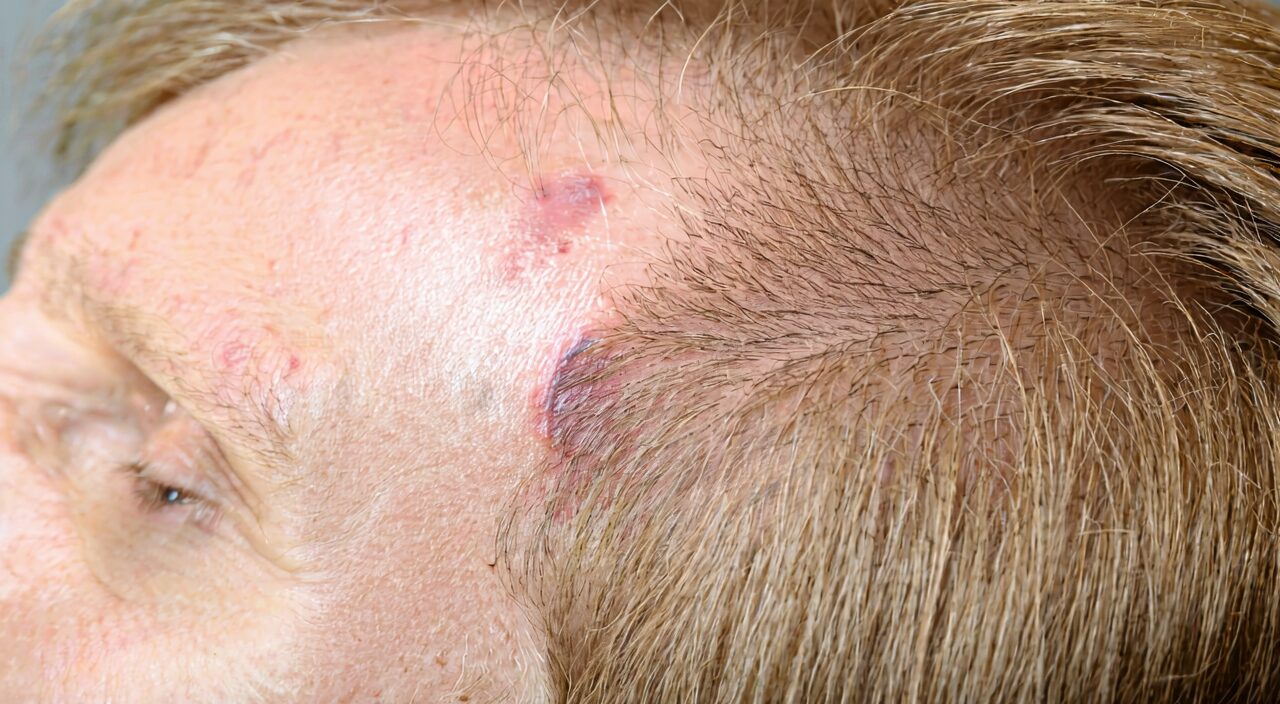
The most obvious characteristic of alopecia areata is the sudden appearance of one or more clearly demarcated round or oval hair loss areas on the scalp. The skin in the affected area is usually smooth, without visible inflammation, scarring, or scaling. Some people may see “exclamation mark” hairs at the edge of the bald patch—short hairs that easily fall out with gentle pulling, which often indicates that the hair loss is still in an active phase.
In addition to the scalp, areas such as the eyebrows, beard, and armpit hair may also be affected.
For most people, hair in alopecia areata may spontaneously regrow within several months to a year, but there are also cases of recurrent episodes, expanding areas, or even prolonged failure to heal. It is precisely because of this “sudden” and “recurrent” nature that TCM often understands it from the characteristics of “wind”—wind tends to be mobile and changeable, with variable locations and rapid onset, similar to the clinical course of alopecia areata. At the same time, the obvious individual differences also remind us that we need to analyze each person’s unique constitution and internal state, rather than treating all cases of alopecia areata as the same.
How TCM Views Alopecia Areata
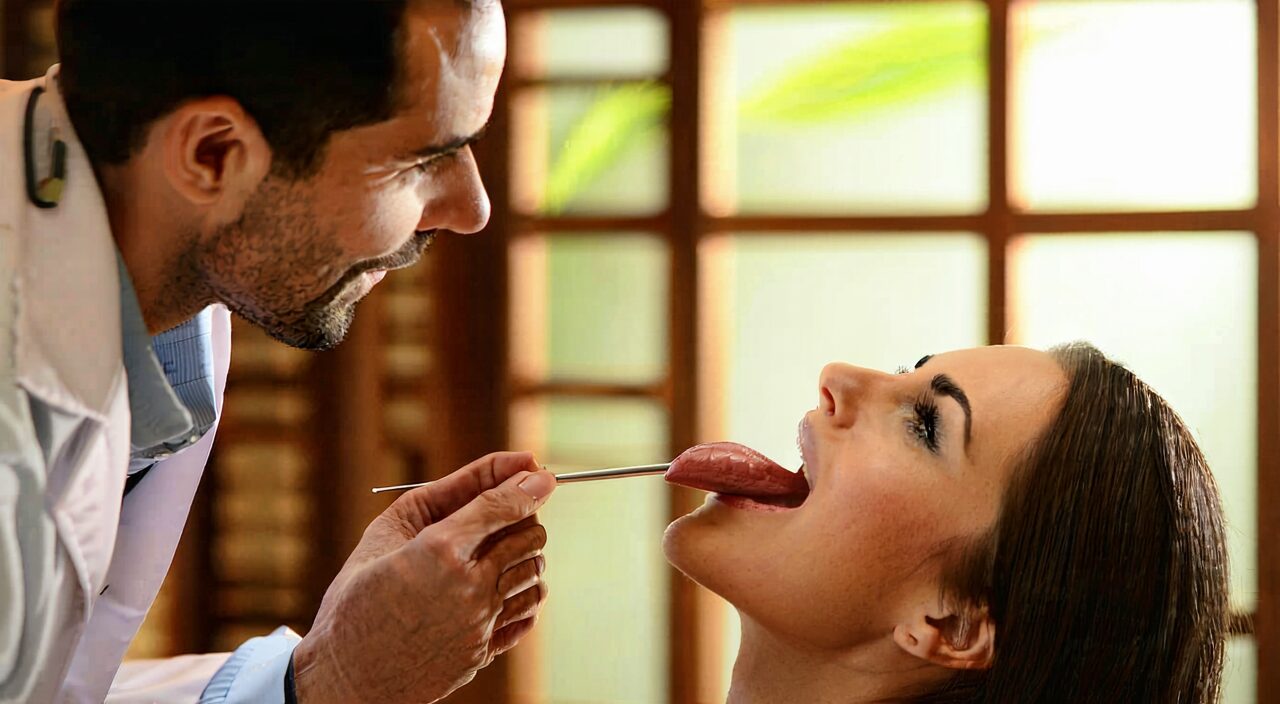
Traditional Chinese medicine does not have the disease name “alopecia areata.” Based on its manifestations, it is often classified under categories such as “oil wind,” “ghost licking head,” “biting hair tinea,” and so on. In terms of etiology and pathogenesis, TCM often holds that “whatever is inside will manifest outside.” The prosperity and withering of hair are closely related to the liver, kidneys, qi, and blood. Hair is the surplus of blood; the liver stores blood, and the kidneys manifest their essence in the hair. Therefore, the occurrence of alopecia areata is often not merely a local scalp problem but an external signal of the internal organ qi-blood state. Common perspectives are described below.
Blood Heat Generating Wind: Wind-Heat Disturbing the Scalp
Some people, before an episode of alopecia areata, often experience a period of work stress, staying up late, excessive consumption of spicy foods, or emotional irritability, showing an overall “heat” tendency. TCM believes that blood heat easily generates wind; when wind and heat struggle and ascend to the head, they may disturb the hair roots, causing hair to fall out suddenly in patches, just like wind uprooting grass and trees.
In addition to hair loss, this type of condition often presents with:
- Restlessness and dry mouth
- Yellowish urine
- Reddish tongue body with thin yellow coating
For this direction, the traditional approach tends toward regulating by cooling blood, clearing heat, and expelling wind, with the aim of calming the internal heat-wind force and providing a relatively “quiet” environment for the hair follicles.
Liver Qi Stagnation: Emotions Preceding Hair Loss
Many people notice that alopecia areata often appears during periods of intense emotional fluctuation, long-term repression, or excessive mental stress. In TCM, the liver is regarded as an important organ that regulates the smooth flow of qi throughout the body. Unresolved emotions and sustained stress easily lead to liver qi stagnation, causing impeded qi movement. Over time, qi stagnation may transform into fire, which flares upward to disturb the head; on the other hand, it may affect the normal production and distribution of qi and blood, so that the hair does not receive adequate nourishment and falls out in patches.
This type of people often experience:
- Distension and oppression in the chest and hypochondrium
- A tendency to sigh (frequent sighing)
- Depressed mood or irritability and quick temper
- Women may experience irregular menstruation and breast distension before periods
This perspective explains why alopecia areata is so closely related to emotions and stress, and also reminds us that during regulation, we cannot just focus on the scalp; adjusting the mental state and easing emotions is often a crucial step.
Qi and Blood Deficiency: Hair Roots Losing Nourishment
For people with weak constitutions, chronic illness, excessive fatigue, postpartum conditions, or long-term dieting, alopecia areata may be more related to qi and blood deficiency. Qi and blood are the fundamental substances for hair growth; when they are depleted, the hair roots are like seedlings that do not receive sufficient irrigation and easily wither and fall out.
This type of hair loss patch usually develops relatively slowly; the scalp color in the hair loss area may be paler, and the hair itself appears thin, soft, dry, and brittle, accompanied by:
- Sallow or pale complexion
- Fatigue and lack of strength
- Palpitations and insomnia
- Dizziness and blurred vision
Traditionally, the core approach for this direction is to nourish qi and blood and strengthen the liver and kidneys, making the body’s “soil” fertile so that hair has a chance to regrow.
In addition, in clinical practice, several conditions often coexist, such as liver stagnation combined with blood heat, or qi and blood deficiency accompanied by wind pathogen. This also explains why, although everyone’s alopecia areata looks similar, the underlying “pattern” may be completely different and requires specific analysis.
Emotions and Stress: A Key Factor That Cannot Be Ignored
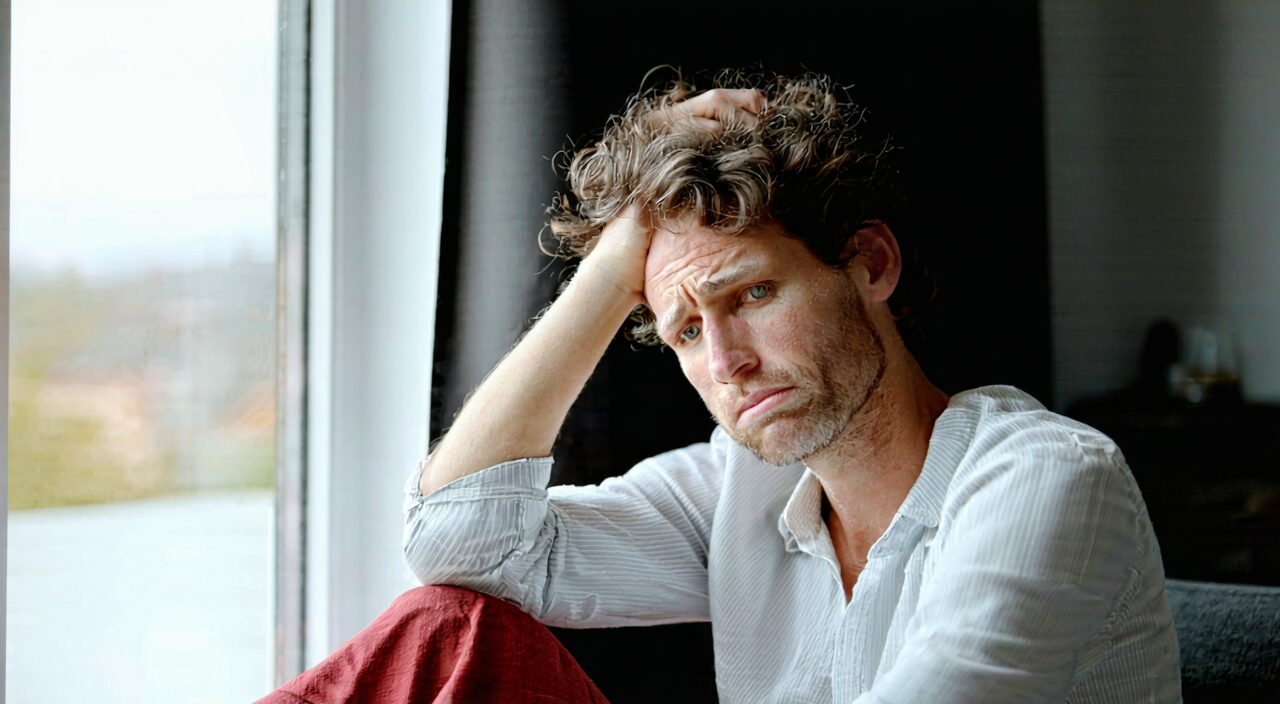
In TCM, emotions are not merely psychological experiences; they can directly affect the body by influencing the movement of qi. Fright, anxiety, depression, and excessive worry all disrupt the ascending, descending, exiting, and entering of qi, thereby affecting the circulation and generation of blood. Many patients with alopecia areata, when recalling, can point to a period of particular tension or emotional low before the hair loss. This connection is not coincidental; it reminds us that attention to alopecia areata should include adjustment of the mental state.
If one only relies on topical medications or unilateral regulation without addressing long-term emotional stress or sleep problems, the effectiveness of the treatment may be greatly reduced. Therefore, after developing alopecia areata, calmly accepting this signal, trying to adjust life rhythm, learning relaxation methods, and ensuring adequate sleep are just as important as seeking professional help.
Reference Directions for Chinese Patent Medicines and Traditional Application Ideas
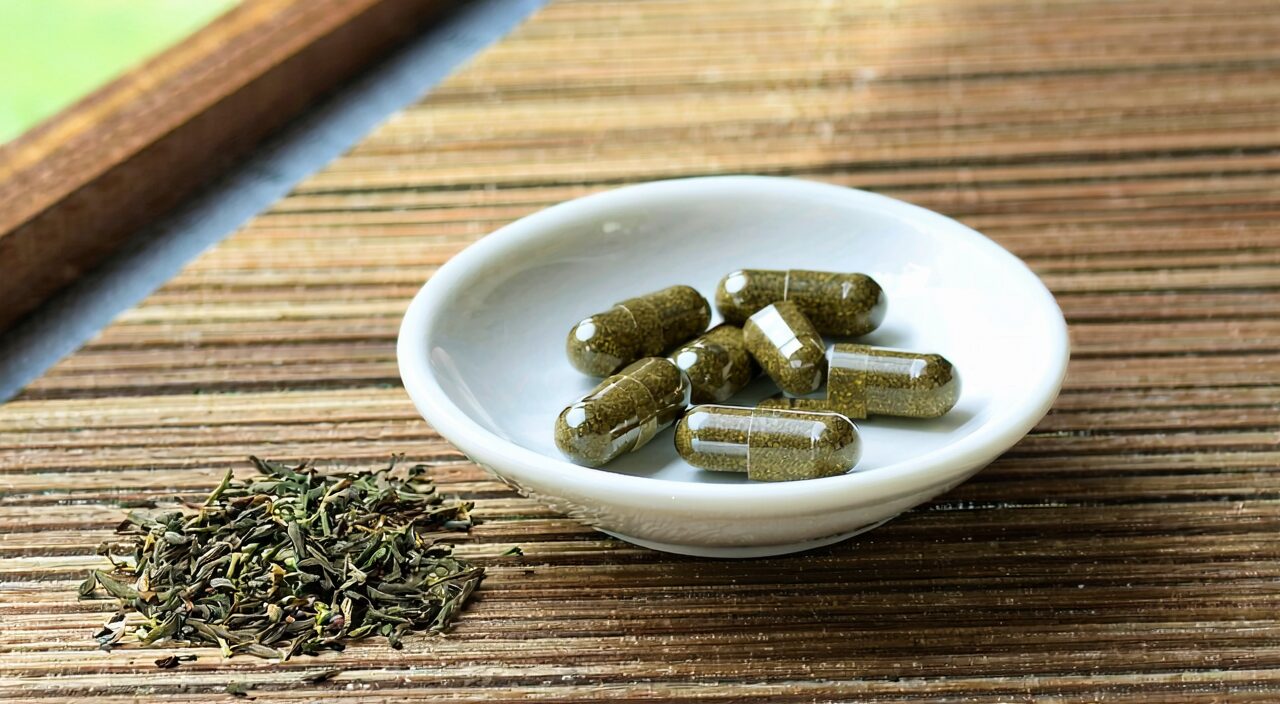
In the process of TCM regulation for alopecia areata, corresponding Chinese patent medicines are often selected as a reference according to different pattern types. The following formulas are traditional common choices for the corresponding types; whether they are suitable for an individual needs to be determined by a professional based on symptoms and constitution, and should not be self-combined casually.
Xiaoyao Wan: Soothing the Liver and Regulating Qi, Harmonizing Emotions
Xiaoyao Wan is a classic formula for soothing the liver and regulating qi. For alopecia areata accompanied by emotional fluctuations, chest and hypochondriac distension, restlessness and irritability, or with menstrual irregularities, premenstrual breast distension and pain, and a constitution tending toward liver depression and spleen deficiency, this direction is often considered traditionally.
Its approach lies in soothing liver qi, strengthening the spleen, and nourishing blood, by restoring the free flow of qi to allow qi and blood to ascend smoothly to the head. When the liver qi is harmonized and emotions are relatively stable, the heat depression and blood deficiency tendencies caused by qi stagnation may also be relieved. It is particularly important to confirm that one indeed has a tendency of liver depression and spleen deficiency, rather than simple blood heat or yin deficiency fire exuberance, otherwise the direction may be inappropriate.
Yangxue Shengfa Capsule: Nourishing the Liver and Kidneys, Enriching Blood and Filling Essence
Yangxue Shengfa Capsule focuses on tonifying the liver and kidneys, nourishing essence and blood, and is suitable for people with long-standing hair loss accompanied by soreness and weakness of the lower back and knees, dizziness, tinnitus, insomnia, and dream-disturbed sleep—signs of essence and blood deficiency. This type of hair loss generally recovers slowly and requires a longer period of patient regulation; at the same time, attention should be paid to the absorption capacity of the spleen and stomach to avoid excessive cloying that affects digestion.
For clearer comparison, the applicable directions of the two common Chinese patent medicines are briefly summarized below:
| Chinese Patent Medicine | Indicated Pattern Tendency | Common Accompanying Manifestations | Core Regulatory Approach | Special Notes |
|---|---|---|---|---|
| Xiaoyao Wan | Liver depression and spleen deficiency, qi stagnation | Depressed or irritable mood, chest and hypochondriac distension, menstrual irregularities, premenstrual breast distension and pain | Sooth liver and regulate qi, strengthen spleen and nourish blood | Suitable for liver depression tendency; not for blood heat or yin deficiency fire exuberance |
| Yangxue Shengfa Capsule | Liver and kidney insufficiency, essence and blood deficiency | Soreness and weakness of lower back and knees, dizziness and tinnitus, insomnia and dreaminess, fine, soft, dry and brittle hair | Tonify liver and kidneys, nourish blood and fill essence | Recovery is slow, requires patience; monitor spleen and stomach digestion, prevent excessive cloying |
It must be especially pointed out that the above Chinese patent medicines are only two representatives among many regulatory tools, not the only choices, and they do not mean they are suitable for all types of alopecia areata. Before actual use, one should carefully read the applicable pattern indications in the product manual, combine with one’s current state, and consult a TCM practitioner or pharmacist when necessary.
Why It Is Recommended to Seek Professional Judgment Early
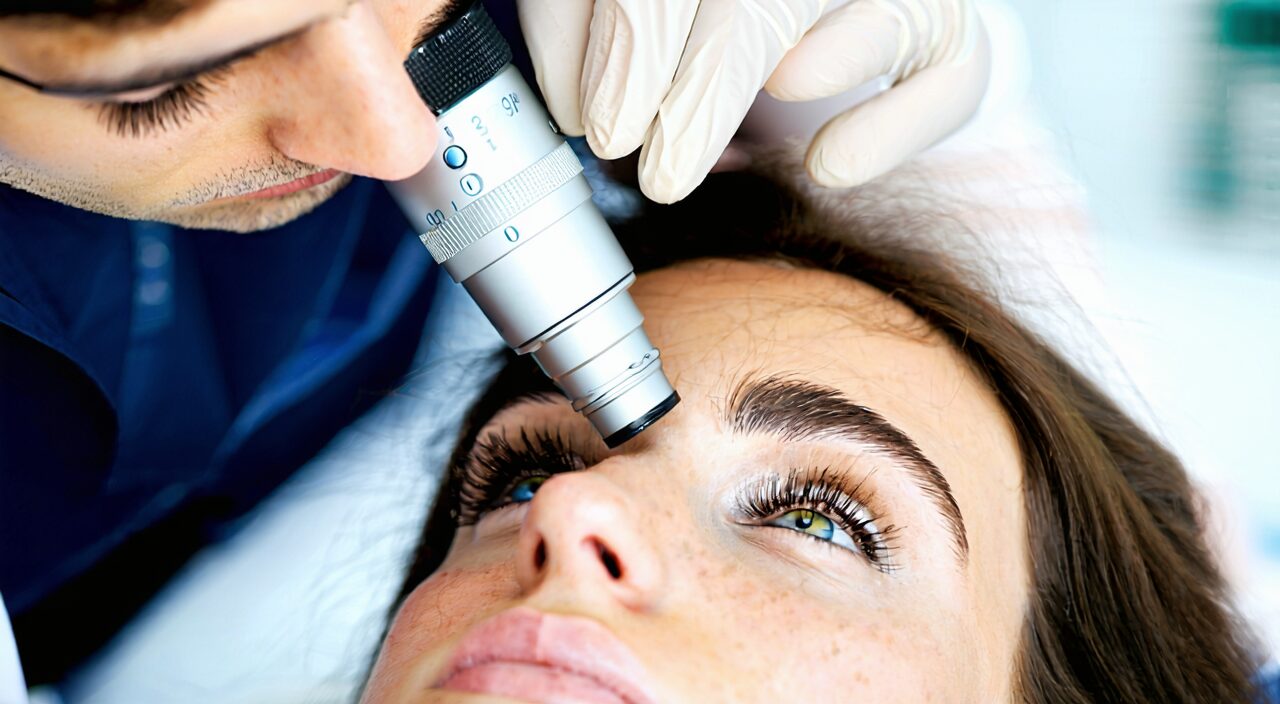
Although most alopecia areata follows a benign course, hair loss can sometimes be a symptom of other systemic diseases, such as thyroid dysfunction, autoimmune diseases, nutritional metabolic disorders, or fungal infections. In addition, some lesions that appear to be alopecia areata may need to be differentiated from tinea capitis, cicatricial alopecia, etc. Therefore, when a hair loss patch of unknown cause is found, it is recommended to first visit a dermatologist for necessary examinations and a clear diagnosis.
After confirming alopecia areata, if one wishes to combine TCM regulation, it is also essential to select formulas based on pattern differentiation under the guidance of a TCM practitioner, not simply self-prescribe by matching the article. Especially in the following situations, a more systematic assessment is needed to avoid delay:
- Large or continuously expanding hair loss area
- Long duration of hair loss, recurrent episodes
- Accompanied by obvious systemic symptoms (such as severe fatigue, fever, joint discomfort, etc.)
At the same time, if the hair loss is accompanied by obvious anxiety, depression, palpitations, chest tightness, or severe sleep disorders, these should also be communicated to the doctor for more comprehensive support.
Summary
Alopecia areata is a sudden hair loss closely related to the internal state. TCM understanding often revolves around core ideas such as blood heat generating wind, liver qi stagnation, and qi and blood deficiency, with emotions and stress playing an important role. Whether from the perspective of soothing the liver and regulating qi or nourishing blood and tonifying the kidneys, knowledge of traditional formulas and Chinese patent medicines can provide references for understanding regulatory directions, but cannot replace professional diagnosis.
When facing a sudden “ghost shaving,” maintaining calm, reducing blind anxiety, promptly clarifying the condition with a dermatologist, and then combining TCM pattern differentiation to determine whether it is suitable to use Chinese patent medicines such as Xiaoyao Wan and Yangxue Shengfa Capsule is a relatively reliable path. This article is intended to provide popular science information and does not constitute medical advice; specific plans should be carried out based on individual actual situations under the guidance of professionals.