
Who Is Yin Chen Hao Tang Suitable For? Composition, Benefits, and Contraindications

When learning about traditional Chinese herbal formulas, many people ask: Who exactly is Yin Chen Hao Tang suitable for? This is indeed a crucial question to clarify before use. Yin Chen Hao Tang is a long-standing representative formula for clearing heat, draining dampness, and resolving jaundice. Traditionally, it is often used for jaundice patterns related to damp-heat, but it is not suitable for all types of jaundice nor can it be applied casually. Below, we examine the composition, suitable characteristics, contraindications, and comparisons with similar formulas to help structure the understanding of this formula.
Composition and Formulation Approach of Yin Chen Hao Tang
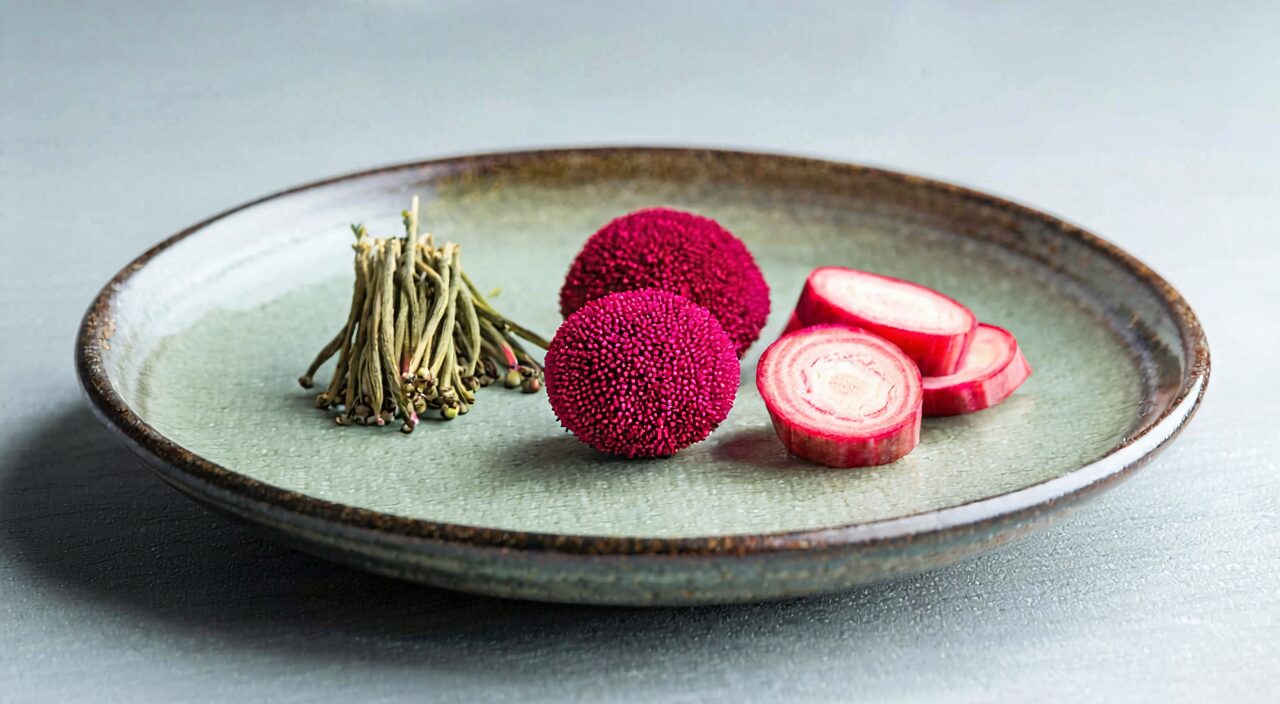
Yin Chen Hao Tang originates from the Treatise on Cold Damage. The combination of three herbs has a very clear direction, focusing on clearing and draining damp-heat and providing an exit path for pathogens.
| Medicinal Component | Traditional Action Direction | Brief Explanation |
|---|---|---|
| Yin Chen (Artemisia scoparia/Artemisia capillaris) | Clears heat, drains dampness, promotes bile flow and resolves jaundice | As the sovereign herb, it excels at clearing damp-heat from the liver and gallbladder, guiding damp-heat out through urination; it is the core herb for resolving jaundice. |
| Zhi Zi (Gardenia fruit) | Clears heat, drains dampness, cools blood and resolves toxicity | As the minister herb, it clears constrained heat from the Triple Burner, assisting Yin Chen in strengthening heat-clearing and damp-draining effects while also cooling the blood. |
| Da Huang (Rhubarb root and rhizome) | Drains heat, expels stasis, and promotes bowel movement | As the assistant herb, it unblocks the bowels to drain heat, allowing stasis-heat to resolve through defecation. It works with Yin Chen and Zhi Zi to dispel damp-heat from both front and rear orifices. |
The three herbs work synergistically to expel damp-heat through urine and stool, thereby improving the yellowing of skin and eyes caused by bile overflow. Traditionally, this jaundice-resolving approach is not directly targeting a disease name but is based on the pathomechanism understanding of “damp-heat steaming and bile overflow.”
Characteristics of People Potentially Suited to Yin Chen Hao Tang
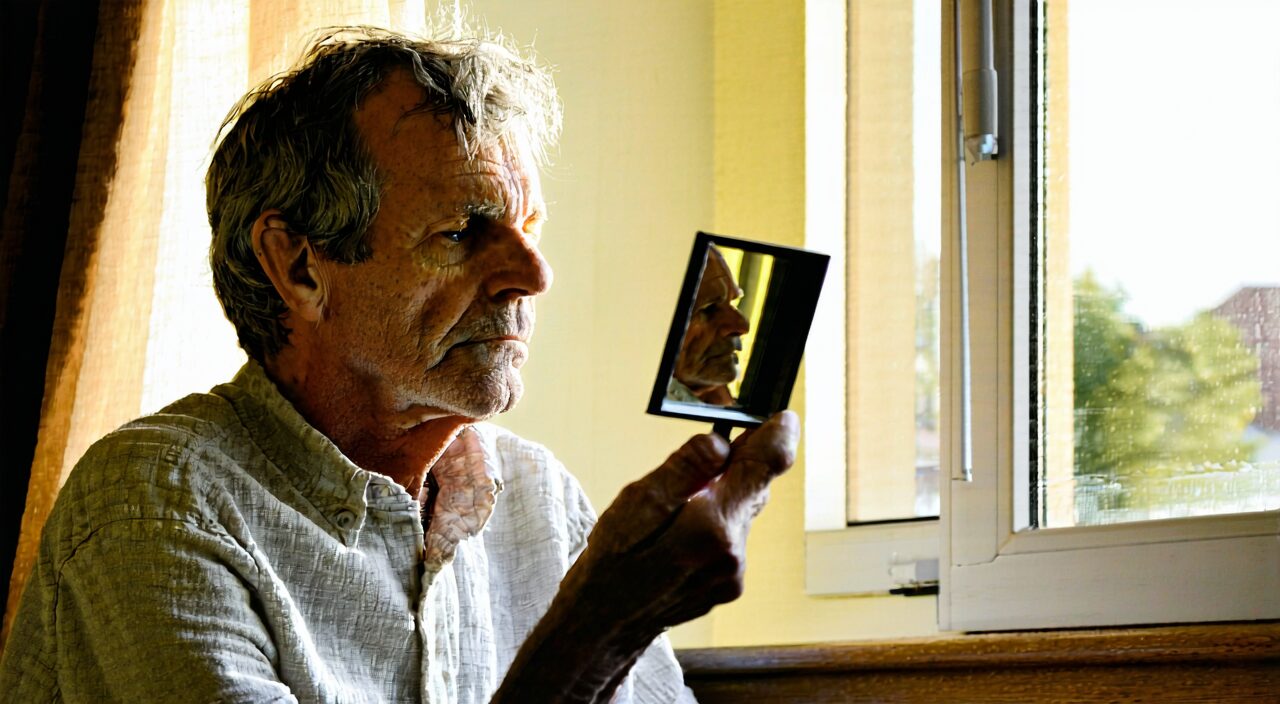
Yin Chen Hao Tang is not a broad-spectrum jaundice formula. Its traditional application is highly concentrated on jaundice patterns where damp-heat is internally lodged. The following manifestations can serve as indicators for understanding, but must be combined with tongue, pulse, and overall assessment:
- Yellowing of skin and sclera that appears bright and vivid, like the color of an orange
- Urine that is deep yellow, even as dark as strong tea
- Often accompanied by dry mouth, bitter taste, and a sticky sensation in the mouth
- Sensation of body heat or a tendency toward feverishness
- Distension and discomfort in the chest, hypochondrium, or upper abdomen, sometimes nausea and desire to vomit
- Stools that are dry or difficult to pass, or sticky and foul-smelling
- Tongue body often reddish with a yellow, greasy coating
Such presentations are often categorized in traditional pattern identification as “liver-gallbladder damp-heat” or “damp-heat steaming.” In conditions such as acute icteric hepatitis, cholecystitis, or cholelithiasis, if the above damp-heat characteristics are clearly present, Yin Chen Hao Tang may traditionally be considered as a direction for treatment. However, it must be emphasized that even if symptoms appear similar, modern medical investigations are necessary to clarify the cause, and one should not self-diagnose based on visual observation alone.
Who Should Not Use Yin Chen Hao Tang
Yin Chen Hao Tang overall tends toward cold and cathartic properties. Using it without proper syndrome differentiation may damage spleen-stomach yang qi or delay the illness. The following conditions are generally unsuitable and require special attention:
- Cold-Damp Jaundice
Jaundice where the yellow color is dull and smoky, accompanied by aversion to cold, cold extremities, loose stools, and a pale tongue with a white, greasy coating. This is caused by cold-dampness encumbering the spleen, which is entirely different from the damp-heat jaundice treated by Yin Chen Hao Tang. Using a cold formula would worsen the cold-dampness.
- Spleen-Stomach Deficiency Cold Constitution
People who often experience cold and pain in the abdomen that prefers warmth, poor appetite, and long-term loose or unformed stools have poor tolerance for cold herbs like Da Huang and Zhi Zi. They may experience worsened diarrhea and abdominal bloating.
- When the Cause of Jaundice Is Unclear
Jaundice can be a signal of various diseases, including viral hepatitis, drug-induced liver injury, biliary obstruction, or even tumors. Before a clear diagnosis is made, it is not advisable to directly apply Yin Chen Hao Tang, lest it masks or delays the condition.
- Special Populations
Pregnant women, breastfeeding women, infants and young children, the elderly and frail, and those with multiple chronic diseases require extra caution when using this formula. Even if damp-heat jaundice signs appear, whether and how to use it must be decided by an experienced professional after careful evaluation.
- Those with Pronounced Yin Damage
If there are already obvious signs of yin-fluid depletion such as severe dry mouth and throat, and a red tongue with little coating, using a formula like Yin Chen Hao Tang that drains dampness and clears heat alone may exacerbate yin damage.
In summary, the core contraindications for Yin Chen Hao Tang are “not damp-heat, body deficient and cold, and undiagnosed condition.” When encountering severe, long-lasting, or recurrent jaundice, or when accompanied by significant right upper abdominal pain, fever and chills, vomiting, intense skin itching, weight loss, and so on, it is especially important to consult a doctor early rather than self-prescribing a formula.
Directional Comparison Between Yin Chen Hao Tang and Similar Formulas
Many people may confuse Yin Chen Hao Tang with other heat-clearing or water-draining formulas. The following comparison with several common formulas can help clarify their respective emphases.
Yin Chen Hao Tang vs. Long Dan Xie Gan Tang Both can clear liver-gallbladder damp-heat. However, Long Dan Xie Gan Tang focuses on clearing liver-gallbladder excess fire along with damp-heat, often targeting patterns with more prominent fire signs such as headache, red eyes, hypochondriac pain and bitter taste, tinnitus and ear swelling, and painful urinary dribbling. Yin Chen Hao Tang, on the other hand, primarily aims to resolve jaundice; its core goal is to eliminate jaundice caused by bile overflow. Its heat-fire manifestations are relatively concentrated in the middle and lower burners, and its special feature is promoting bowel movements and urination.
Yin Chen Hao Tang vs. Wu Ling San Wu Ling San emphasizes promoting urination to drain dampness and warming yang to transform qi. It is suitable for edema, difficult urination, and vexatious thirst due to impaired bladder qi transformation. The disease location is biased toward lower-burner water-dampness, generally without obvious heat signs, and jaundice is not its typical indication. Yin Chen Hao Tang, in contrast, specifically targets damp-heat jaundice and applies both heat-clearing and damp-draining.
Yin Chen Hao Tang vs. Zhu Ling Tang Zhu Ling Tang has the action of promoting urination, preserving yin, and clearing heat. It is often used when water and heat bind together and damage yin, leading to painful urinary tract, difficult urination, and thirst, as it can drain water without injuring yin. Yin Chen Hao Tang resolves jaundice by expelling damp-heat through front and rear, and generally does not consider yin damage. In fact, it should be used with caution when yin damage is pronounced.
Yin Chen Hao Tang vs. Huang Lian Jie Du Tang Huang Lian Jie Du Tang is purely adept at clearing heat, draining fire, and detoxifying, targeting exuberant fire toxin in the Triple Burner, such as high fever with irritability, dry mouth and throat, sores and carbuncles. Resolving jaundice is not its core direction. Although Yin Chen Hao Tang also clears heat, its emphasis is on draining dampness and resolving jaundice, specifically addressing damp-heat steaming in the liver and gallbladder.
From these comparisons, we can see that even though some formulas involve “damp-heat” or “clearing and draining,” the specific disease location, pathomechanism, and main symptoms differ. Whether a formula is appropriate still depends on the individual’s overall condition.
Several Aspects to Note When Using Yin Chen Hao Tang-Type Formulas
No matter which direction is chosen, there are several points worth noting when using heat-clearing and damp-draining formulas like Yin Chen Hao Tang:
- Syndrome Differentiation as the Premise: Under the guidance of TCM theory, it must be confirmed that the pathogenesis belongs to damp-heat internally lodged and bile overflow, without obvious deficiency cold or yin damage signs.
- Not Suitable for Long-Term Use: The formula contains cathartic substances like Da Huang that may affect spleen-stomach function. Traditionally, it is advocated to “stop once the disease is cured,” meaning the treatment should be adjusted promptly after symptom relief.
- Monitor Spleen-Stomach Reactions: If significant diarrhea, decreased appetite, or cold abdominal pain occur during administration, the formula should be paused and reevaluated.
- Cannot Replace Etiological Treatment: Yin Chen Hao Tang improves the syndrome pattern of damp-heat jaundice. The root causes of jaundice are varied and require integration with modern medical diagnosis for comprehensive management.
Whether Yin Chen Hao Tang is suitable ultimately depends on the individual, considering their constitution, symptoms, medical history, and professional judgment to reach a safer conclusion.
Summary
Yin Chen Hao Tang is a commonly used traditional formula for treating damp-heat jaundice, primarily aimed at people with distinct damp-heat signs such as bright yellow skin and eyes, dark yellow urine, bitter taste in the mouth, and a yellow greasy tongue coating. It is not suitable for cold-damp jaundice, spleen-stomach deficiency cold, undiagnosed jaundice, or special populations like pregnant women.
Before using any herbal formula, distinguishing between cold and heat, deficiency and excess is more critical than memorizing the specific herbs. This article is only a discussion from the perspective of traditional formulas, aiming to help readers build a more holistic understanding. However, any health decision should be made under professional guidance, and self-prescribing is not recommended. When faced with signals like jaundice that may involve multi-system issues, seeking a clear diagnosis from a doctor promptly is always the first and foremost step.