
Who is Dao Chi San suitable for? Composition, efficacy and contraindications

Many people first hear about Dao Chi San because of recurrent mouth ulcers, irritability, or dark yellow and burning urine. In traditional Chinese medicine, these manifestations are sometimes linked to the concept of “heart fire” or “heart fire descending to the small intestine,” and Dao Chi San is a classic formula in that line of thought. So who exactly is Dao Chi San suitable for? Why is it composed this way? And what should you pay attention to when using it? This article will analyze it from the perspective of traditional formulas to help readers make judgments based on their understanding and personal conditions.
Traditional Positioning of Dao Chi San: Clearing Heart Fire and Promoting Urination to Guide Heat out through Urine
Dao Chi San originated from Xiao Er Yao Zheng Zhi Jue by Qian Yi in the Song Dynasty. It was originally designed for children but was later widely used for all ages. The name “Dao Chi” means guiding the heat evil in the heart meridian out through urination. “Chi” corresponds to the heart and the color red in the five-element theory, so “Dao Chi” means directing heart fire downward.
Understanding from the Relationship between Heart Fire and Small Intestine
Traditional organ theory holds that “the heart and the small intestine are interior-exteriorly related.” When heart fire is excessive, the heat can descend along the meridian to the small intestine, further affecting the bladder’s qi transformation function, leading to urinary abnormalities.
Therefore, if a person simultaneously experiences irritability, mouth and tongue sores, and scanty, dark, painful urination, traditional Chinese medicine often considers it from the perspective of “excessive heat in the heart meridian moving into the small intestine.” In this case, the method of clearing heart fire and promoting urination may be mentioned, and Dao Chi San is one of the representative formulas of this approach.
Composition of Dao Chi San and the Actions of Each Herb
Dao Chi San has a very simple composition, with only four herbs, yet it embodies the concept of combining “clearing heart fire, nourishing yin, and promoting urination.”
| Herb | Traditional Effect Direction | Role in the Formula |
|---|---|---|
| Sheng Di Huang (Rehmannia) | Clears heat, cools blood, nourishes yin, generates fluids | Targets heat in the heart meridian without damaging yin, also addresses potential yin damage from excessive heat |
| Mu Tong (Akebia) | Clears heart fire, promotes urination | Guides heat out through urine, key herb for directing heat downward |
| Sheng Gan Cao Shao (Licorice root tip) | Clears heat, resolves toxins, relieves urinary pain, harmonizes other herbs | The tip of licorice tends to promote urination and can also relieve urgency and pain |
| Zhu Ye (Bamboo leaf) | Clears heart fire, relieves irritability, promotes urination | Clears heart heat from the upper energizer, assists in guiding heat out through urine |
It should be noted that in modern use, there are safety differences depending on the species of Mu Tong. The Mu Tong referred to in traditional formula books is mostly from the Akebia plant family, not Guan Mu Tong (Aristolochia manshuriensis), which may cause kidney damage. When using related products, special attention should be paid to the source of the ingredients and their processing, and this must be based on product instructions and professional advice.
Who is Dao Chi San Suitable For? Typical Manifestations Reference
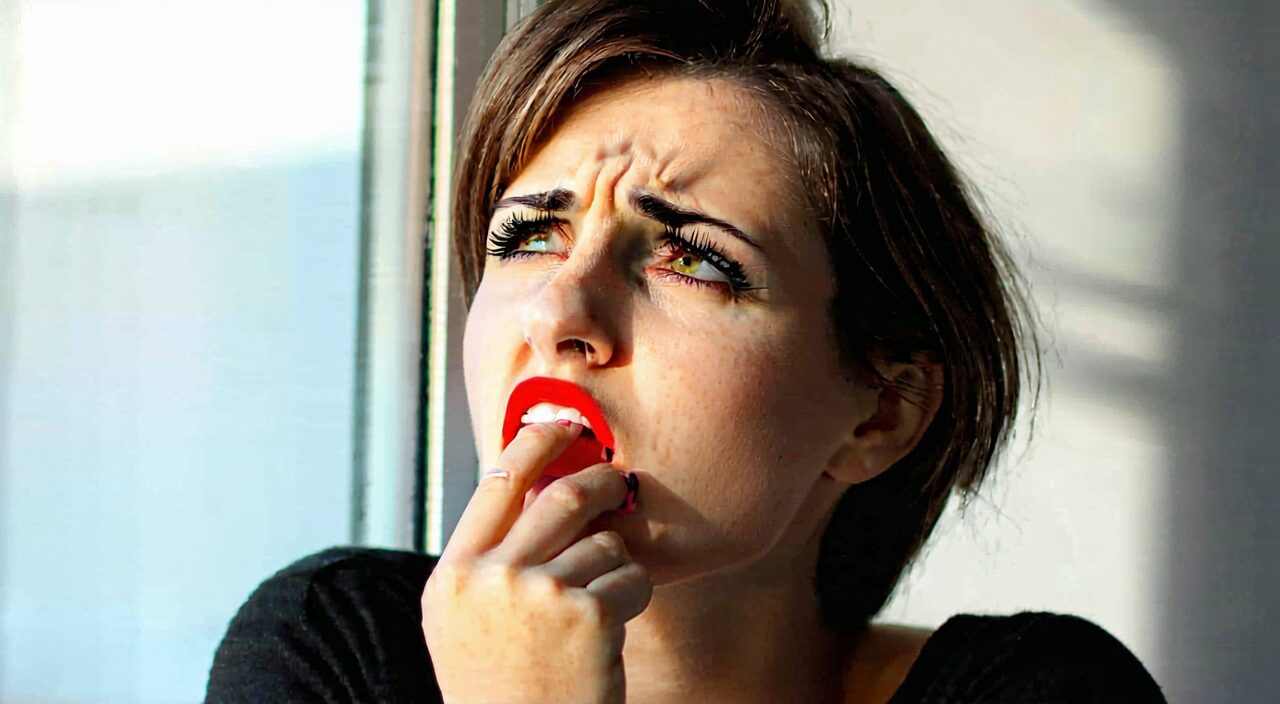
Dao Chi San is not a “specific remedy” for a particular disease, but targets a specific direction of body condition. In traditional applications, it may be more suitable for those who manifest signs of “heart meridian heat with heat moving into the small intestine.”
Possible Body Signals
The following situations, when occurring together, are often considered by traditional Chinese medicine to be related to heart fire and can serve as a reference for understanding Dao Chi San:
- Mouth and tongue sores, especially ulcers, redness, swelling, and pain on the tip or edges of the tongue
- Feeling of heat and irritability in the chest, easily agitated, restless, even affecting sleep
- Thirst with a desire for cold water, and the sensation of irritability and heat may temporarily subside after drinking
- Urine that is dark yellow or scanty and reddish, possibly with a burning sensation or painful voiding
- Redness of the face or eyes, tendency to develop small red bumps
- Urinalysis shows no obvious infection, but there is a subjective feeling of urinary tract discomfort
It is important to emphasize that these manifestations are only reference clues in traditional diagnosis; not everyone will have all of them, and having them does not necessarily mean that Dao Chi San is suitable.
In reality, there are also complex situations such as heart fire with dampness or yin deficiency with fire flourishing, requiring comprehensive judgment based on tongue signs (e.g., red tongue tip, thin yellow coating) and pulse signs (e.g., rapid pulse). If accompanied by significant fever, severe pain, hematuria, or recurrent symptoms that do not resolve, medical help should be sought promptly rather than self-treatment.
Populations Unsuitable for Dao Chi San and Contraindications

Dao Chi San primarily clears heat and promotes urination, with a cooling nature, so it is not suitable for everyone with mouth ulcers or yellow urine. The following groups are generally considered unsuitable:
Those with Spleen-Stomach Yang Deficiency
If you are usually prone to feeling cold, have cold hands and feet, poor appetite, loose stools or unformed bowels, and even develop stomach pain or diarrhea when exposed to cold, these are mostly signs of middle jiao yang deficiency. Sheng Di Huang in Dao Chi San is cooling and moistening, while Mu Tong and Zhu Ye are slippery and draining, which may further damage the spleen and stomach yang qi, leading to weakened digestion, abdominal pain, or worsening diarrhea.
Those with Yin Deficiency and Body Fluid Depletion without Excess Heat
Some people may have dry mouth and irritability, but do not feel like drinking water, or only want small amounts of warm water, accompanied by a red tongue with little or no coating, hot palms and soles, and night sweats. This is often yin deficiency causing deficient fire, not excess fire. Dao Chi San’s diuretic effect may damage body fluids, worsening yin deficiency; in this case, the direction should be nourishing yin and generating fluids, not clearing heat and promoting urination.
Those with Obvious Cold Signs
If urine is scanty and yellow but there is general aversion to cold, soreness and weakness of the lower back and knees, frequent nighttime urination, or no thirst and a preference for hot drinks, this mostly indicates lower jiao yang deficiency or insufficient kidney yang. Using Dao Chi San may worsen the condition.
People in Special Physiological Stages
Pregnant women, breastfeeding mothers, infants, young children, and the elderly or physically weak have different tolerance and reactions, and should not use any formulas arbitrarily. Related products must be assessed under the guidance of a physician or professional.
In summary, the “cooling” and “draining” properties of Dao Chi San are its characteristics, but they are precisely why it is unsuitable for people with cold, deficiency, or yin damage conditions. Whether it is appropriate still requires judgment based on individual constitution, symptoms, and professional advice.
Differences between Dao Chi San and Several Similar Formulas
In the regulation of issues related to heart fire, mouth, and urination, formulas often mentioned are Long Dan Xie Gan Tang, Huang Lian Jie Du Tang, Qing Wei San, and Zhu Ling Tang. They all seem to be related to “heat” or “dampness/water,” but the focus differs significantly.
Dao Chi San vs. Long Dan Xie Gan Tang
Long Dan Xie Gan Tang primarily clears excess fire from the liver and gallbladder and drains damp-heat. It is commonly used for headaches, rib-side pain, bitter taste in the mouth, ear swelling, strangury with turbid urine, genital itching, and other liver meridian damp-heat manifestations. Its difference from Dao Chi San is: Dao Chi San focuses on the heart and small intestine, with symptoms mostly in the upper body (mouth, tongue, heart); Long Dan Xie Gan Tang focuses on the liver and gallbladder, often involving the head, eyes, ribs, external genitalia, and other lower jiao damp-heat issues.
If mouth and tongue sores are accompanied by irritability, anger, red eyes, bitter taste in the mouth, and dampness or itching in the genital area, this may be more attributed to liver meridian damp-heat rather than simple heart fire.
Dao Chi San vs. Huang Lian Jie Du Tang
Huang Lian Jie Du Tang is composed of Huang Lian (Coptis), Huang Qin (Scutellaria), Huang Bai (Phellodendron), and Zhi Zi (Gardenia). It is intensely bitter and cold, directly attacking fire toxin in all three jiaos. Traditionally, it is used for high fever with irritability, dry mouth and throat, skin eruptions, vomiting blood, sores and furuncles, and other conditions with raging heat and deep toxic fire, and its nature is very strong. Dao Chi San, on the other hand, uses fewer and lighter herbs, characterized by clearing heart fire and promoting urination, and is used when there is heat in the heart meridian but not to the degree of blazing toxic fire.
Dao Chi San vs. Qing Wei San
Qing Wei San is mainly used for stomach fire toothache, facial heat, gum ulceration, and bleeding gums, with the approach of clearing the stomach and cooling the blood. Although toothache and oral problems overlap with Dao Chi San’s mouth and tongue sores, Qing Wei San focuses on stomach meridian fire, with typical manifestations in the gums and cheeks; Dao Chi San focuses on heart meridian fire, with emphasis on the tongue and urination.
If mouth ulcers are concentrated on the gums and around the lips, accompanied by bad breath, tendency to feel hungry, and constipation, this may be more inclined to stomach fire.
Dao Chi San vs. Zhu Ling Tang
Zhu Ling Tang is a formula that equally emphasizes promoting urination and nourishing yin, used for water-heat intermingling, urinary difficulty, thirst with desire to drink, etc. The disease location is more in the lower jiao urinary system, often accompanied by yin deficiency. It can also promote urination like Dao Chi San, but Dao Chi San emphasizes clearing heart fire and guiding heat downward, while Zhu Ling Tang focuses more on promoting urination without damaging yin, making it more suitable for yin deficiency with water-heat intermingling without obvious heart fire flaring upward.
Understanding these formulas is not for self-judgment to choose which one to use, but to recognize the differences in different directions. When facing complex situations, having a general reference framework first and then combining professional judgment will be more prudent.
Summary
Dao Chi San is a traditional formula centered on “clearing heart fire and promoting urination,” commonly used for conditions caused by heart meridian heat moving into the small intestine, such as mouth and tongue sores, irritability, and scanty, dark, burning urine. Its suitable population typically has relatively typical signs like red tongue tip, thirst, and yellow, hot urine, and it is not suitable for all oral discomfort or urinary abnormalities.
Because the herbs in the formula are cooling and draining, people with spleen-stomach yang deficiency, yin deficiency with fluid depletion, cold syndromes, and those in special physiological stages need to be particularly cautious and are not advised to try it blindly. Furthermore, although Dao Chi San, Long Dan Xie Gan Tang, Huang Lian Jie Du Tang, Qing Wei San, and Zhu Ling Tang are all related to “heat” or “dampness/water,” the disease locations and natures are significantly different and should not be used interchangeably.
This article is for informational purposes on traditional Chinese medicine knowledge only and cannot replace professional diagnosis or treatment advice. If related symptoms persist, recur, or worsen, it is recommended to consult a doctor or relevant professionals in a timely manner and choose a reasonable approach based on individual conditions.