
Who Is Zhen Wu Tang Suitable For? Composition, Effects, and Contraindications

Many people encounter the name Zhen Wu Tang when learning about traditional Chinese medicine (TCM) treatment approaches. It appears with notable frequency especially when symptoms such as edema, aversion to cold, abnormal urination, or palpitations and dizziness recur.
Zhen Wu Tang is considered a representative formula for warming yang and promoting diuresis in classical TCM, but it is not suitable for all water-dampness conditions, nor is it appropriate for everyone. This article will discuss, from a traditional TCM perspective, the composition rationale of Zhen Wu Tang, its commonly suitable user profile, contraindications, and how it differs from formulas such as Wu Ling San and Ling Gui Zhu Gan Tang, serving as a reference for understanding this classical formula.
Traditional Origin and Core Principle of Zhen Wu Tang
Zhen Wu Tang originates from the Treatise on Cold Damage (Shang Han Lun). It was originally designed for yang deficiency and water flooding caused by impaired yang qi after diaphoresis in greater yang disease. In later expanded applications, its use traditionally centers around the pathogenesis of spleen-kidney yang deficiency and internal retention of water qi.
Internal water retention can be understood as a weakened ability to transform and transport body fluids, causing water-dampness to fail to metabolize properly and easily accumulate in different parts of the body, leading to a series of manifestations related to “cold” and “water.”
The core action of the formula is to warm yang, transform qi, and promote diuresis to drain dampness. The focus of warming yang here is to warm and supplement spleen and kidney yang, especially kidney yang.
The kidneys govern water; if kidney yang is insufficient, the qi transformation of water fails. The spleen governs the transportation and transformation of water-dampness; if spleen yang is insufficient, water-dampness accumulates internally. Therefore, the composition rationale of Zhen Wu Tang is not simply to promote urination, but rather to restore the propelling and qi-transforming functions of yang qi, so that stagnant fluids can be reused or smoothly discharged.
Overview of Zhen Wu Tang Composition
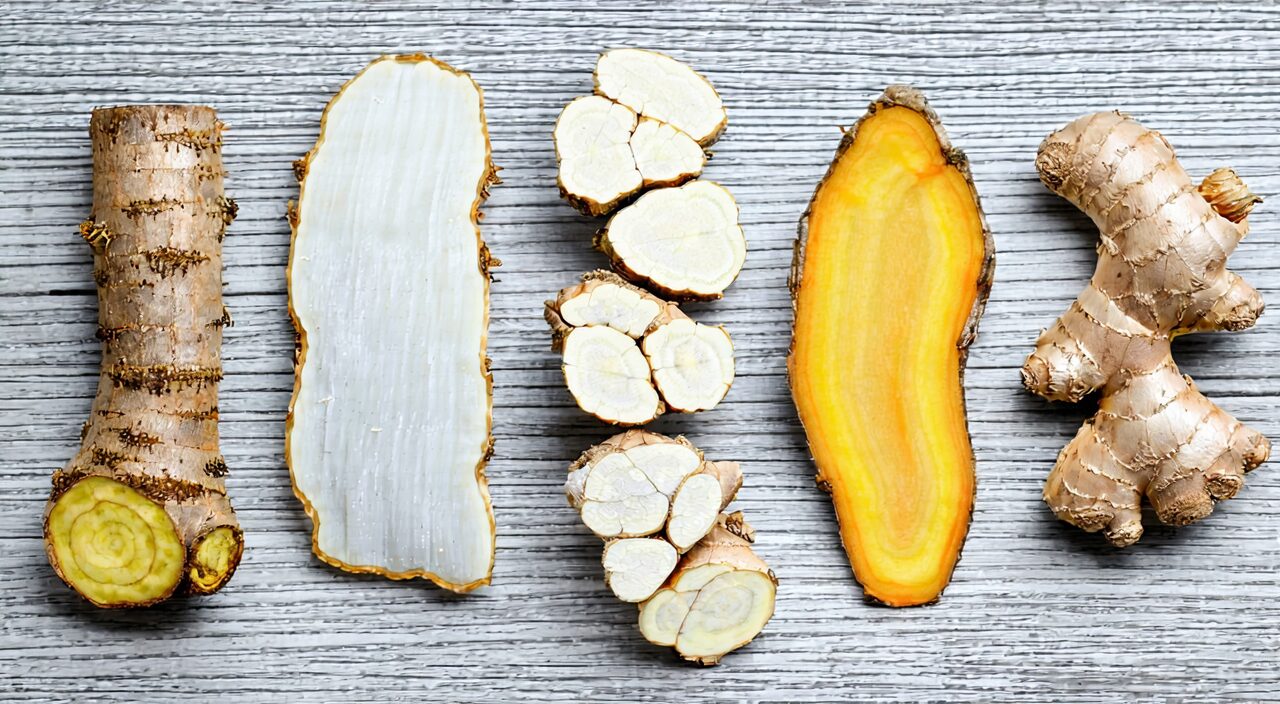
Zhen Wu Tang consists of five medicinal substances, each with a clear interactive role in the formula. The traditional reference composition is shown in the table below (specific dosages must be adjusted by a professional TCM practitioner based on individual conditions):
| Herb | Role in the Formula |
|---|---|
| Fu Zi (Aconiti Radix lateralis praeparata) | Warms and strengthens kidney yang, assists qi transformation to move water; the core herb for warming yang in this formula |
| Fu Ling (Poria) | Strengthens the spleen, drains dampness, and promotes urination, guiding water-dampness out through the urine |
| Bai Zhu (Atractylodis macrocephalae Rhizoma) | Strengthens the spleen and dries dampness, enhances the ability to transport and transform water-dampness, eliminating the source of dampness generation |
| Bai Shao (Paeoniae Radix Alba) | Nourishes yin, harmonizes the nutritive qi, relaxes spasms and relieves pain, while restraining the acrid and drying nature of Fu Zi and Sheng Jiang |
| Sheng Jiang (Zingiberis Rhizoma recens) | Warmly disperses water qi, assists Fu Zi in warming yang, and can also redirect rebellious qi and arrest vomiting |
Fu Zi is acrid and hot, and has certain usage specifications; traditionally it needs to be processed and decocted for an extended time. Under professional guidance, for clearly diagnosed yang deficiency with water retention, practitioners will make a comprehensive judgment on whether it is suitable and how to use it.
Who May Be More Suitable for the Zhen Wu Tang Approach
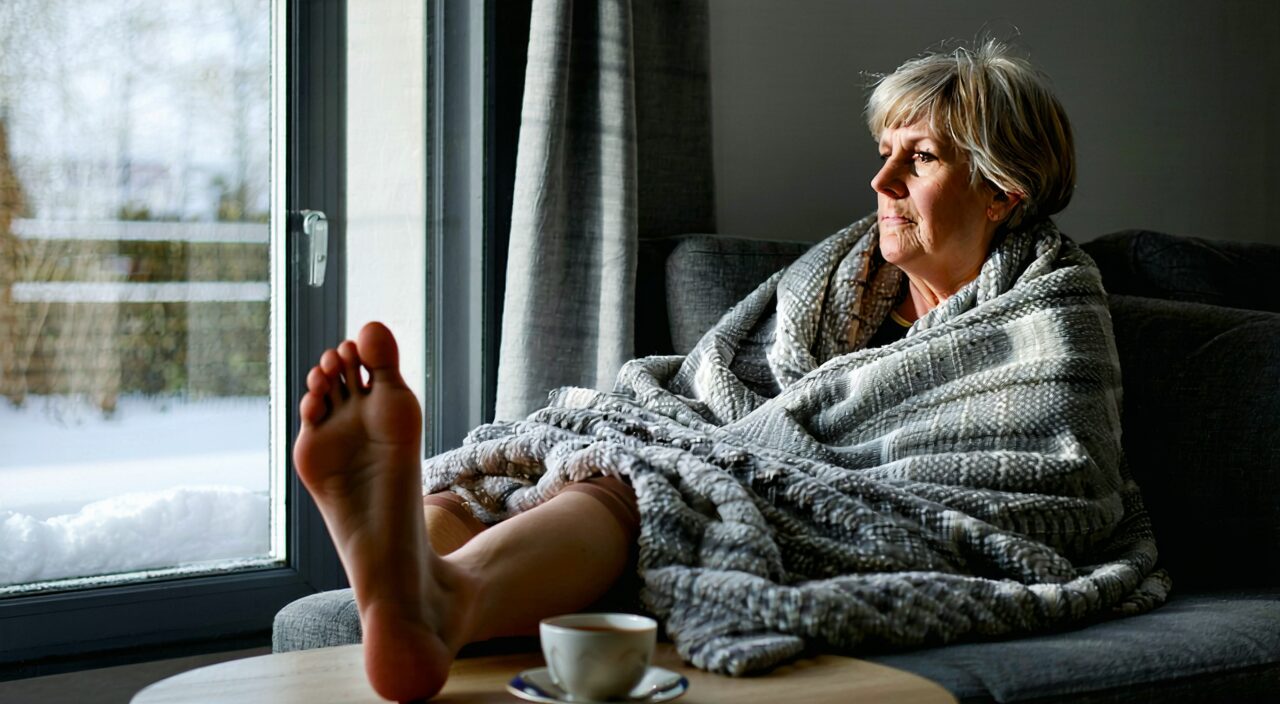
Zhen Wu Tang is not a “symptom-targeted” treatment based on a single complaint; it requires comprehensive pattern differentiation. When the following characteristics appear in combination, the approach of warming yang and promoting diuresis with Zhen Wu Tang may traditionally be considered for treatment, but this must be integrated with tongue and pulse examination findings and other comprehensive information:
- Marked aversion to cold, cold extremities: Especially a frequent cold sensation in the lower back and knees; more sensitive to cold than average, preferring warmth and disliking cold.
- Tendency to edema: Commonly pitting edema in the lower limbs, ankles, or eyelids, which worsens in the morning or after prolonged standing, with relatively reduced urine output.
- Difficult or profuse clear urination: Strained, scanty urination, or increased nighttime urination with clear, pale urine.
- Palpitations and dizziness: Frequently feeling flustered or dizzy when standing up, traditionally associated with yang deficiency and water qi surging upward.
- Abdominal distension, loose stools: A sense of stuffiness and fullness in the abdomen; unformed stools or even diarrhea, aggravated by cold weather or cold food.
- Tongue presentation for reference: Pale, enlarged tongue body with tooth marks on the edges; tongue coating is white, slippery, or white and greasy.
If these manifestations appear separately, it does not necessarily indicate Zhen Wu Tang as the approach. It is when aversion to cold, edema, abnormal urination, and low digestive function coexist, and the overall constitution tends toward deficiency cold and internal water-dampness stagnation, that the traditional application scenario of Zhen Wu Tang is more closely matched. It is recommended to comprehensively assess under professional guidance together with other constitutional information.
When Zhen Wu Tang Is Not Suitable
Zhen Wu Tang tends toward warm and drying properties with relatively strong diuretic action. The following situations are generally not recommended for its use:
- Damp-heat edema: Edema accompanied by dry mouth, bitter taste, dark yellow urine, yellow greasy tongue coating, and other damp-heat signs. The warming and hot nature of Zhen Wu Tang may aggravate accumulated heat.
- Yin deficiency with effulgent fire constitution: Often experiencing hot palms and soles, dry mouth and throat, night sweats, red tongue with scant coating. Indiscriminate warming of yang may damage yin fluids.
- Acute severe conditions without a clear diagnosis: For example, sudden severe edema with breathing difficulty, chest pain, or edema related to serious heart, liver, or kidney diseases. These should be evaluated by modern medicine as a priority; self-administration of a yang-warming diuretic formula is inadvisable.
- Pregnant or breastfeeding women, and individuals with specific underlying diseases: The use of herbs such as Fu Zi requires extreme caution; any medication direction must be decided under strict professional monitoring.
- Long-term or recurrent palpitations, dizziness, or diarrhea: If accompanied by marked anxiety, chest tightness, weight loss, or black stools, consult a physician first to rule out organic problems. It is inappropriate to self-manage solely from the perspective of yang deficiency and water retention.
Differences Between Zhen Wu Tang and Similar Formulas
Among TCM formulas that warm yang, promote diuresis, or dispel dampness and reduce edema, Zhen Wu Tang is frequently compared alongside Wu Ling San, Ling Gui Zhu Gan Tang, Fang Ji Huang Qi Tang, and Jin Gui Shen Qi Wan. Each has its own emphasis and cannot be used interchangeably.
Comparison with Wu Ling San
| Comparison Aspect | Zhen Wu Tang | Wu Ling San |
|---|---|---|
| Core Action | Warms yang, transforms qi, drains dampness; stronger yang-warming force | Transforms qi and promotes water flow, focusing on regulating water pathways |
| Applicable Pathogenesis | Spleen-kidney yang deficiency, cold water internally retained | Bladder qi transformation impaired, water-dampness internal, cold signs from yang deficiency not prominent |
| Typical Manifestations | Aversion to cold, cold extremities, cold and sore lower back and knees, lower limb edema | Difficult urination, thirst with desire to drink, vomiting immediately after drinking, headache and fever |
Simply put: Wu Ling San emphasizes regulating water pathways, while Zhen Wu Tang emphasizes warming and transforming cold water.
Comparison with Ling Gui Zhu Gan Tang
| Comparison Aspect | Zhen Wu Tang | Ling Gui Zhu Gan Tang |
|---|---|---|
| Disease Location Emphasis | Spleen-kidney yang deficiency, water flooding the whole body | Spleen yang insufficiency, water-rheum surging upward predominantly |
| Typical Manifestations | Lower limb edema, profuse clear urine, severe aversion to cold | Palpitations, dizziness, fullness and distension in the chest and flanks |
| Herbal Characteristics | Contains Fu Zi to warm kidney yang; strong diuretic and damp-draining power | Contains Gui Zhi and Gan Cao; focuses on warming yang to transform rheum and strengthen the spleen |
If only middle-jiao water-rheum is present, without obvious kidney yang deficiency manifestations, Ling Gui Zhu Gan Tang may be more appropriate.
Comparison with Fang Ji Huang Qi Tang
| Comparison Aspect | Zhen Wu Tang | Fang Ji Huang Qi Tang |
|---|---|---|
| Core Pathogenesis | Interior deficiency cold water, yang deficiency with water retention | Exterior deficiency insecurity, qi deficiency with damp excess; wind edema or wind-dampness |
| Typical Manifestations | Aversion to cold, scanty sweating, lower limb edema, cold and painful lower back and knees | Sweating with aversion to wind, heavy body, fatigue; edema related to qi deficiency |
| Herbal Characteristics | Warms yang and promotes urination, using Fu Zi, Bai Zhu, etc. | Supplements qi, dispels wind, and promotes urination, using Huang Qi, Fang Ji, etc. |
Zhen Wu Tang targets interior deficiency cold water, often with aversion to cold and scanty sweating, rather than the sweating with aversion to wind targeted by Fang Ji Huang Qi Tang.
Comparison with Jin Gui Shen Qi Wan
| Comparison Aspect | Zhen Wu Tang | Jin Gui Shen Qi Wan |
|---|---|---|
| Emphasis | Tends toward purging; stronger diuretic and damp-draining force | Tends toward tonifying; warms and supplements kidney qi while also nourishing kidney yin |
| Applicable Scenario | Water-dampness stagnation relatively obvious, yang deficiency water flooding | Kidney yang insufficiency accompanied by kidney yin deficiency; water retention usually mild |
| Main Manifestations | Obvious edema, difficult urination, aversion to cold | Consumptive fatigue, lower back pain, difficult or frequent profuse urination |
In short, Jin Gui Shen Qi Wan tends toward tonification, while Zhen Wu Tang tends toward purging, each with different emphasis.
When choosing among various formulas, one cannot simply look at edema as a single symptom; it is necessary to synthesize cold-heat, deficiency-excess, the depth of disease location, and accompanying symptoms. If modern preparations of classical formulas are involved, it is also essential to consult product instructions and individual conditions, and make judgments under professional advice; self-substitution or stacking of formulas is inadvisable.
Summary
Zhen Wu Tang is a quintessential yang-warming and diuresis-promoting formula in traditional Chinese medicine. Its essence lies in warming and supplementing spleen and kidney yang to restore normal water metabolism. It may be more suitable for individuals who simultaneously present with aversion to cold with cold extremities, edema, difficult urination, palpitations, dizziness, and diarrhea with loose stools—a cluster of signs indicating yang deficiency with water retention. However, it is not appropriate for damp-heat edema, yin deficiency with effulgent fire, or acute severe conditions.
To understand Zhen Wu Tang, one must also recognize its differences from formulas such as Wu Ling San, Ling Gui Zhu Gan Tang, Fang Ji Huang Qi Tang, and Jin Gui Shen Qi Wan. Although all these formulas involve water-dampness, they differ in the strength of yang-warming, the disease location targeted, and the emphasis on deficiency versus excess. If the differentiation is inaccurate, it may not only fail to achieve results but could also push the body further away from balance.
This article is solely for TCM classical formula knowledge popularization and cannot replace professional diagnosis or treatment advice. For any specific health concerns, especially persistent or worsening symptoms, consult a physician or a qualified TCM professional first.