
Who is Danggui Sini Tang Suitable For? Composition, Benefits, and Contraindications

Many people, especially women, easily experience cold hands and feet or limb numbness when the weather turns cool or the environment is slightly chilly. When traditional Chinese medicine understands these issues, it often pays attention to whether there is a tendency of “blood deficiency and cold congealing.” A frequently mentioned classic formula in such cases is Danggui Sini Tang. So, who is Danggui Sini Tang suitable for? What herbs does it contain? What are its contraindications? How does it differ from other similar formulas? This article provides some clarification and reference from the perspective of traditional formulas.
Formula Composition: Warming and Dispelling with Blood Nourishment
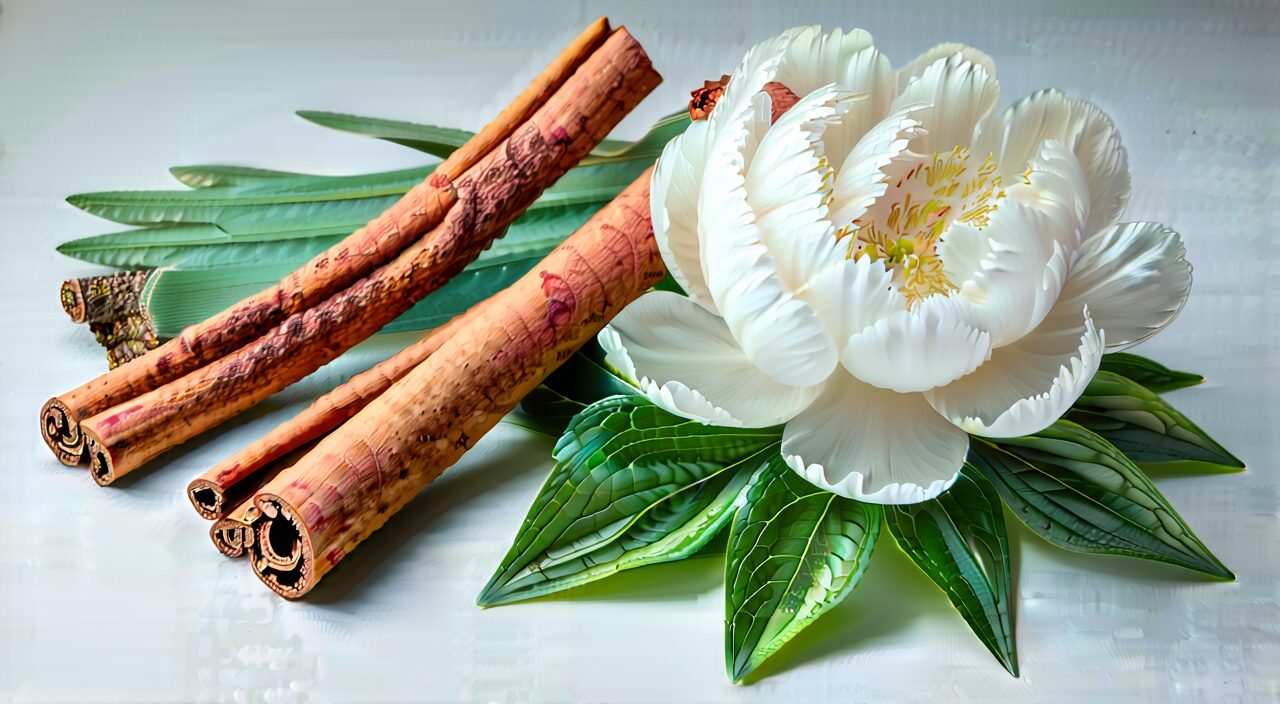
Danggui Sini Tang originates from the Shang Han Lun (Treatise on Cold Damage). The original formula is mainly used for cold hands and feet, limb pain, and other issues caused by blood deficiency with cold invasion and cold congealing in the channels. Its approach is to warm the channels, disperse cold, nourish blood, and unblock the vessels. It can be understood as simultaneously supplementing the material basis of blood while helping yang qi circulate to the extremities.
Its composition includes the following herbs, with common reference dosages as follows (specific dosages must be determined by a professional TCM practitioner based on individual conditions):
| Medicinal Herb | Traditional Action Direction |
|---|---|
| Dang Gui (Angelica sinensis) | Nourishes and invigorates blood, also warms and unblocks |
| Gui Zhi (Cinnamomum cassia twig) | Warms the channels and disperses cold, assists yang and unblocks vessels |
| Shao Yao (Paeonia lactiflora root) | Nourishes blood and harmonizes the ying (nutritive) level, relaxes tension and stops pain |
| Xi Xin (Asarum sieboldii) | Warms the channels and disperses cold, reaches up and down |
| Tong Cao (Tetrapanax papyrifer) | Unblocks and promotes blood circulation, directs the formula downward |
| Gan Cao (Glycyrrhiza uralensis) | Harmonizes all herbs, also supplements the middle |
| Da Zao (Ziziphus jujuba) | Supplements the middle and boosts qi, nourishes blood and calms the spirit |
These herbs are combined so that Dang Gui and Shao Yao nourish blood and fill the vessels, Gui Zhi and Xi Xin warm and disperse cold pathogens, and Tong Cao unblocks stagnation. This allows cold in the blood vessels to dissipate and qi and blood to smoothly warm the four limbs.
It should be noted that the herb quantities and proportions listed above may be adjusted in traditional applications based on symptom emphasis and cannot simply be copied for self-use.
Who Is It Suitable For? Blood Deficiency with Cold Congealing Is the Core Direction

According to the pattern differentiation approach of traditional Chinese medicine, the direction of Danggui Sini Tang mainly revolves around two factors: “blood deficiency” and “cold congealing.” If a person’s blood is inherently insufficient and then affected by external or internal cold pathogens, leading to impeded flow of qi and blood in the channels, a series of manifestations may appear. Based on ancient texts and modern TCM references, the following situations can serve as a directional understanding, but they do not necessarily mean the formula is suitable:
- Markedly cold hands and feet with limited relief from warmth: Many people have cold hands and feet in winter. However, if they remain cold for a long time despite adding warm clothing, or even feel cold beyond the wrists and ankles, it may suggest not only insufficient yang qi but also inadequate blood nourishment, requiring consideration from the perspective of nourishing blood and unblocking the vessels.
- Limb numbness, tingling, or cramping sensations: Cold congealing in the channels tends to prevent qi and blood from smoothly reaching the extremities, leading to numbness, a crawling sensation, or mild pain, especially aggravated after exposure to cold.
- Menstrual issues leaning toward blood deficiency with cold: For example, delayed periods, scanty and dark-colored flow, menstrual abdominal pain relieved by heat, accompanied by cold hands and feet and a pale complexion. Traditionally, the direction of regulating blood deficiency with cold congealing may be considered.
- Cold joint pain worsening with cold exposure: Unlike wind-damp impediment pain, this type of pain often presents as cold pain that is fixed and unchanging, with locally low skin temperature. TCM often categorizes it as cold congealing in the channels with impeded blood circulation.
It is particularly important to remind that these manifestations are for reference only. The presence of cold hands and feet does not immediately warrant the use of Danggui Sini Tang. Whether it is suitable requires a comprehensive assessment combining the overall tongue and pulse presentation, constitution, and other accompanying symptoms, and it is advisable to be evaluated by a professional.
Which Situations Are Not Suitable? Note These Contraindications
As with the application of traditional formulas, Danggui Sini Tang has clear ranges of cautious use and even contraindications. If the direction is wrong, not only will it fail to achieve a regulating effect, but it may also cause discomfort. The following situations require special attention:
- Persons with internal heat signs or obvious damp-heat: Manifestations such as bitter mouth, dry mouth, red face and eyes, dry stools, red tongue with yellow coating, etc., are not suitable for formulas that warm and unblock the vessels.
- Yin deficiency with effulgent fire constitution: Heat sensation in palms and soles, night sweats, dry mouth preferring cold drinks, red tongue with scant coating, etc., belong to insufficient yin fluids with internal disturbance of deficiency fire. Using warm and drying substances would aggravate the condition.
- External pathogen invasion transforming into heat stage: For example, if an initial common cold has transformed into symptoms like sore throat, high fever, yellow sputum, etc., it is not appropriate to use.
- Pregnancy and special physiological periods: Herbs such as Dang Gui and Xi Xin require extreme caution during pregnancy and must be used only under strict supervision by a physician. Never self-medicate.
- Persons with obvious bleeding tendencies: Although Dang Gui can nourish blood, it also has a blood-invigorating effect. Caution is needed in cases of hemorrhagic diseases or excessive menstrual flow.
Furthermore, if chronic or severe cold hands and feet are accompanied by chest tightness, palpitations, pallor or purplish skin color, intense pain, or significant anxiety and depression, one should first seek modern medical examination to rule out vascular diseases, metabolic disorders, or other systemic problems.
Distinction from Similar Formulas
When mentioning Danggui Sini Tang, many people think of formulas such as Sini Tang, Wen Jing Tang, Xiao Jian Zhong Tang, and Gui Zhi Tang, as they may share similarities in names or certain symptoms. Below is a brief comparison from the perspective of traditional Chinese medicine to outline their core directions and avoid confusion.
Danggui Sini Tang vs. Sini Tang
- Sini Tang: Composed of Fu Zi (Aconitum carmichaelii), Gan Jiang (Zingiberis rhizoma), and Zhi Gan Cao (Glycyrrhiza uralensis processed with honey), it is a typical formula for restoring yang and rescuing from counterflow. It mainly targets severely weakened yang qi, cold extremities, and even spiritual debilitation with desire to sleep. The disease location tends to be interior, and the condition is often acute and severe.
- Danggui Sini Tang: Emphasizes blood deficiency with cold congealing, primarily manifesting as cold hands and feet accompanied by blood deficiency signs. The pulse is often thin and weak or thready and faint.
- In short: Sini Tang leans toward an emergency direction for major yang depletion, while Danggui Sini Tang leans toward a gentle regulation direction for blood deficiency with cold invasion.
Danggui Sini Tang vs. Wen Jing Tang
- Wen Jing Tang: From the Jin Gui Yao Lue (Essential Prescriptions of the Golden Cabinet), it is often used for gynecological issues caused by chong-ren deficiency cold and blood stasis, such as irregular menstruation, uterine bleeding, and prolonged inability to conceive. Its composition includes herbs that warm the channels, disperse cold, nourish blood, and dispel stasis, with a focus on the lower jiao uterus.
- Danggui Sini Tang: While warming the channels and dispersing cold, it places more emphasis on unblocking vessels and dispersing cold to relieve coldness and numbness in the limbs. The disease location tends to be more superficial, related to the channels and limbs.
- Key distinction: Wen Jing Tang more deeply regulates the reproductive system, while Danggui Sini Tang primarily targets cold congealing in the channels of the four limbs.
Danggui Sini Tang vs. Xiao Jian Zhong Tang
- Xiao Jian Zhong Tang: Derived from Gui Zhi Tang with modifications, doubling Shao Yao and adding Yi Tang (maltose). Its purpose is to establish middle jiao spleen-stomach qi and regulate deficiency-cold patterns of the middle jiao such as consumptive disease with abdominal urgency, abdominal pain, and palpitations.
- Danggui Sini Tang: Acts on the limbs and unblocks blood vessels; the focus of regulation is different.
- Clues for selection: If cold hands and feet are combined with dull abdominal pain that prefers warmth and pressure and insufficient middle qi, the traditional approach may lean toward Xiao Jian Zhong Tang; if cold hands and feet are prominent with no significant abdominal symptoms, the direction may lean more toward Danggui Sini Tang.
Danggui Sini Tang vs. Gui Zhi Tang
- Gui Zhi Tang: Primarily harmonizes the ying and wei (nutritive and defensive) levels and releases the exterior by resolving muscle tension. It is typically used for external wind-cold attack with exterior deficiency (fever, sweating, aversion to wind, etc.).
- Danggui Sini Tang: Can be seen as a variation on the Gui Zhi Tang framework, removing Sheng Jiang (Zingiberis rhizoma recens) and adding Dang Gui, Xi Xin, and Tong Cao, shifting the harmonizing power toward nourishing blood, unblocking vessels, dispersing cold, and freeing the network vessels. It is no longer used for exterior patterns but for chronic regulation of blood deficiency with cold congealing.
Each of these formulas has its own emphasis. The specific choice requires a professional practitioner to determine based on the full bodily condition, and one must not self-diagnose and select.
Additional Precautions Before Use
If there is indeed a corresponding tendency and one wishes to explore Danggui Sini Tang under professional guidance, several points are worth noting:
- Traditionally, this formula may be prepared primarily as a decoction, but the specific form and dosage must be determined by a licensed TCM practitioner and cannot be self-compounded based on general information.
- Mild and early-stage cold hands and feet can first be observed with lifestyle adjustments such as dietary modifications, moderate exercise, and keeping warm; medication may not be immediately necessary.
- There are many causes of cold hands and feet, such as hypothyroidism, anemia, Raynaud’s phenomenon, etc. Modern medical examination helps clarify the etiology, and relying solely on a single traditional approach should be avoided.
Summary
Danggui Sini Tang, as a classic formula in the Shang Han Lun, is regarded in traditional Chinese medicine as one of the representative approaches for warming the channels, dispersing cold, nourishing blood, and unblocking vessels. It may be suitable for individuals who present with blood deficiency and cold congealing, cold hands and feet, limb numbness and pain, without obvious heat signs. Its core lies in the simultaneous presence of “blood deficiency” and “cold congealing,” which determines its distinction from other yang-warming or blood-nourishing formulas.
However, determining suitability requires not only checking whether surface symptoms match but also integrating the tongue and pulse presentation, constitution, and other accompanying signs, as well as excluding organic diseases. Therefore, it is recommended to seek assessment under the pattern differentiation of a professional TCM practitioner and never self-prescribe or take it long-term. This article is for traditional knowledge education only and does not constitute any medical advice.