
Who Is Da Bu Yin Wan Suitable For? Composition, Benefits, and Contraindications Explained

Many people, after reaching a certain age or experiencing long-term stressful lifestyles, begin to experience issues such as heat in the palms and soles, dry mouth and throat, easy sweating, and waking up suddenly from sleep feeling hot. In the context of traditional Chinese medicine (TCM), these manifestations are often classified as “yin deficiency with fire hyperactivity.” Da Bu Yin Wan is a classic formula traditionally used to address such conditions. This article systematically reviews its composition, potential suitable indications, usage contraindications, and differences from similar formulas, providing a reference for understanding its direction of use.
How Da Bu Yin Wan Is Commonly Understood in TCM
Da Bu Yin Wan originates from Danxi Xinfa and is traditionally regarded as a representative formula for “nourishing yin and subduing fire.” It is not merely a yin-nourishing remedy; it also clears and descends deficiency fire, making it suitable for conditions of pronounced yin deficiency accompanied by significant deficiency fire.
In TCM, “yin deficiency” refers to an insufficiency of the body’s moistening and calming material foundation, leading to relative excess of yang qi and the appearance of heat signs. This heat is not true excess fire but rather “deficiency fire.” Typical manifestations include tidal fever, night sweats, bone-steaming sensation with vexing heat, heat in the palms and soles, dry mouth and throat, red tongue with scanty coating, etc. Da Bu Yin Wan is formulated to work simultaneously from both directions: nourishing kidney yin and clearing descending deficiency fire.
Composition and Formulation Strategy of Da Bu Yin Wan
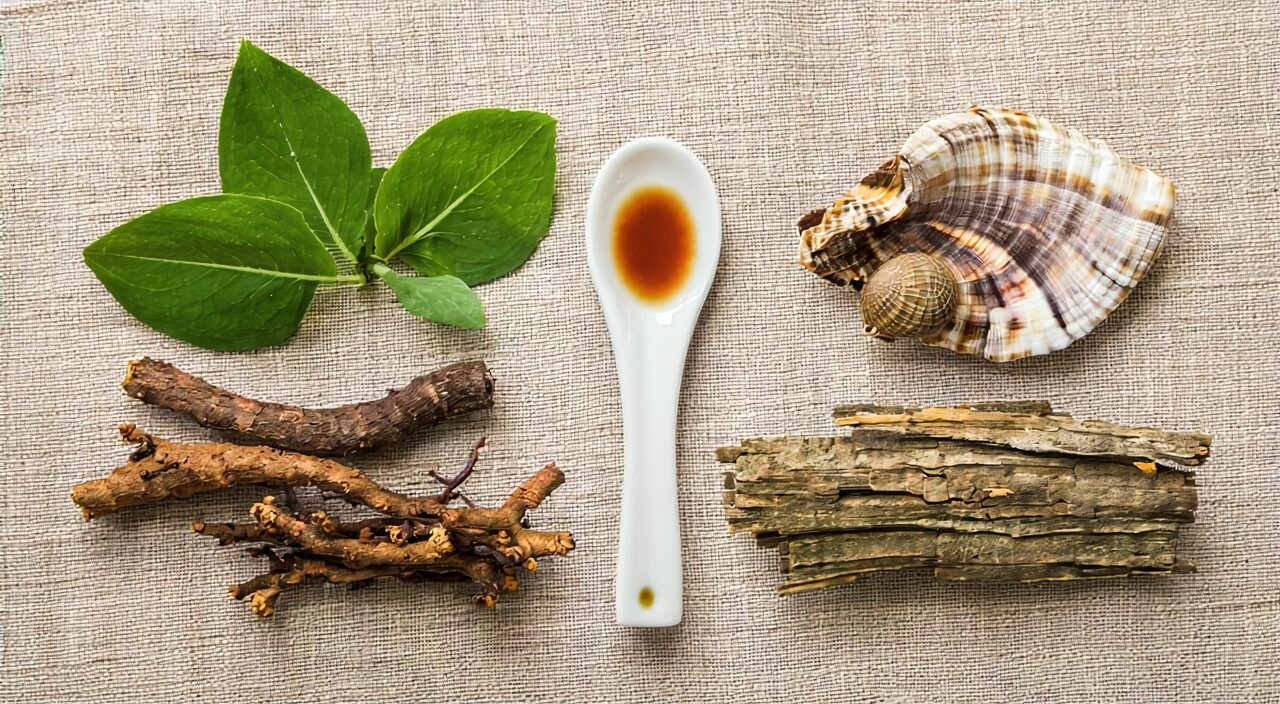
Understanding a formula often begins with its composition. The original composition of Da Bu Yin Wan is not complex, but its combination is well-layered, as follows:
| Herb | Approximate Role in the Formula |
|---|---|
| Prepared Rehmannia root (Shu Di Huang) | Nourishes kidney yin, replenishes essence and marrow |
| Turtle shell (Gui Jia) | Nourishes yin, subdues yang, benefits the kidneys and strengthens bones |
| Phellodendron bark (Huang Bai) | Clears heat, dries dampness, drains fire and eliminates steaming |
| Anemarrhena rhizome (Zhi Mu) | Clears heat, drains fire, nourishes yin and moistens dryness |
| Pig spinal cord (used in traditional preparation) | Supplements essence and marrow, strengthens the yin-nourishing effect |
From the formulation structure, it can be seen that prepared Rehmannia root and turtle shell primarily nourish yin and replenish essence, addressing the root; Phellodendron bark and Anemarrhena rhizome clear and descend deficiency fire, addressing the branch. The original formula also includes pig spinal cord, which aids yin nourishment and acts as a substance of flesh and blood with strong tonifying effects. The entire formula addresses both root and branch with concentrated medicinal strength, and is traditionally considered suitable for relatively severe yin deficiency with fire hyperactivity.
Who May Be Suitable for Da Bu Yin Wan

Here we only discuss, from the perspective of traditional pattern differentiation, which constitutions or symptom types might be a direction for Da Bu Yin Wan, which does not mean they can be directly applied. Each person’s situation is different; suitability must be judged based on individual specific conditions.
People with Pronounced Tidal Fever and Night Sweats
If you sweat profusely after falling asleep at night that stops upon waking, accompanied by a sensation of body heat in the afternoon or evening, this combination of “night sweats” and “tidal fever” is a classic manifestation of yin deficiency with fire hyperactivity. Traditionally, formulas like Da Bu Yin Wan that nourish yin and subdue fire are often considered.
People with Dry Mouth and Throat, and Heat in the Palms and Soles
Frequently feeling dry mouth and throat that doesn’t improve much after drinking water, heat in the palms and soles, even wanting to stick feet out from under the quilt to feel comfortable—this state of five-center heat is a manifestation of internal disturbance by deficiency fire. When yin nourishment alone is insufficient, formulas that also address fire reduction are traditionally preferred.
People with Bone-Steaming Sensation, Vexing Heat, and Upward Flaring of Deficiency Fire
“Bone-steaming” refers to a sensation as if heat is steaming out from the bones, a description often seen in menopausal women or those with chronic illness that has consumed yin fluids. When accompanied by vexation, irritability, facial flushing that is not true excessive heat, tinnitus, etc., it is often categorized under the approach of nourishing kidney yin and descending deficiency fire.
It must be emphasized that the above are only reference clues from the perspective of TCM pattern types; it does not mean that just meeting one condition warrants use. A comprehensive assessment of tongue appearance, pulse, and overall condition is essential.
Who Is Generally Not Suitable for Da Bu Yin Wan

Any formula has its scope of application and unsuitable directions. Da Bu Yin Wan is overall cloying and cold in nature; the following populations generally need to be particularly cautious or avoid it:
- Yang deficiency constitution: If you usually fear cold, have icy hands and feet, a pale and bright complexion, cold pain in the lower back and knees, and loose stools, this is mostly yang deficiency or dual deficiency of yin and yang leaning toward yang deficiency. The yin-nourishing and fire-subduing direction of Da Bu Yin Wan may further weaken yang qi and is not suitable for use.
- Spleen-stomach deficiency cold: People with poor appetite, easy bloating, discomfort after eating cold foods, unformed stools or diarrhea. The formula’s prepared Rehmannia root and turtle shell are quite cloying, and Phellodendron bark and Anemarrhena rhizome are cold; this can easily burden the spleen and stomach and is generally not recommended for self-use.
- Excess damp-heat pattern: When there is heavy internal dampness, yellow greasy tongue coating, dark turbid urine, heavy body sensation, and obvious damp-heat accumulation, it is unsuitable to simply nourish yin; one must first clear and disinhibit damp-heat or combine with other herbs. Self-use of Da Bu Yin Wan may worsen symptoms.
- Pregnant women, children, and special populations: Pregnant women, those preparing for pregnancy, breastfeeding women, and children have special constitutions and are sensitive to herbal reactions. They are groups that require extra caution and should not self-refer to such formulas.
If physical discomfort persists, recurs, or is accompanied by noticeable palpitations, chest tightness, weight loss, black stools, persistent vomiting or other abnormal signs, one should promptly consult a physician for a comprehensive examination rather than merely adjusting the formula direction.
Differences Between Da Bu Yin Wan and Several Similar Formulas
Many people find it difficult to distinguish between Da Bu Yin Wan, Zhi Bai Di Huang Wan, Liu Wei Di Huang Wan, Zuo Gui Wan, and Tian Wang Bu Xin Dan. Below is a brief comparison from the perspective of traditional positioning to help clarify the selection direction.
Difference Between Da Bu Yin Wan and Zhi Bai Di Huang Wan
Both can clear deficiency heat, but they differ in strength and focus:
- Zhi Bai Di Huang Wan: Based on the “three supplements and three drains” structure of Liu Wei Di Huang Wan, it nourishes yin while providing moderate clearing and draining, with relatively balanced strength. It is more suitable for milder yin deficiency with fire hyperactivity or long-term regulation.
- Da Bu Yin Wan: With prepared Rehmannia root and turtle shell as the main ingredients, combined with Phellodendron and Anemarrhena, its yin-nourishing and fire-subduing powers are stronger. It traditionally leans toward more severe yin deficiency with fire hyperactivity or stages where deficiency fire flares up significantly over a short period.
Difference Between Da Bu Yin Wan and Liu Wei Di Huang Wan
- Liu Wei Di Huang Wan: A relatively gentle foundational formula for nourishing kidney yin, composed of prepared Rehmannia root, cornus, dioscorea, alisma, poria, and moutan cortex. It supplements with draining, emphasizing kidney yin nourishment with weaker fire-clearing power. It is more suitable for simple kidney yin insufficiency without obvious deficiency fire, such as only having soreness and weakness of the lower back and knees, dizziness and tinnitus, without pronounced tidal fever, night sweats, or five-center heat.
- Da Bu Yin Wan: Nourishes yin while specifically targeting deficiency fire, so attention must be paid to the severity of deficiency fire when selecting.
Difference Between Da Bu Yin Wan and Zuo Gui Wan
- Zuo Gui Wan: Composed of prepared Rehmannia root, dioscorea, cornus, goji berry, cyathula root, cuscuta seed, deer antler glue, and turtle shell glue, it leans toward pure yin nourishment and essence replenishment, containing almost no herbs to clear and descend deficiency fire. It suits those with true yin insufficiency and essence-marrow depletion but without strong deficiency fire.
- Da Bu Yin Wan: Addresses both clearing and descending deficiency fire. If there is significant internal heat, bone-steaming, and night sweats, Zuo Gui Wan’s fire-clearing strength may be insufficient, making Da Bu Yin Wan a more suitable consideration.
Difference Between Da Bu Yin Wan and Tian Wang Bu Xin Dan
- Tian Wang Bu Xin Dan: Its focus is on heart yin insufficiency and unsettled mind, mostly used for yin deficiency and blood deficiency with palpitations, forgetfulness, insomnia, dry stools, etc. Nourishing yin and calming the mind is its core direction.
- Da Bu Yin Wan: Its main focus is on liver-kidney yin deficiency and prevailing deficiency fire; although it may indirectly affect sleep, the disease location and key symptoms differ. When selecting, consider whether vexation and insomnia predominate or bone-steaming and tidal fever predominate.
Overall, these formulas each have their own emphasis and are not interchangeable at will. The direction to consider should be determined by comprehensively evaluating symptoms, constitution, and professional advice, rather than assuming a match based on one or two manifestations alone.
Understanding Daily Care for Yin Deficiency with Fire Hyperactivity from a TCM Perspective
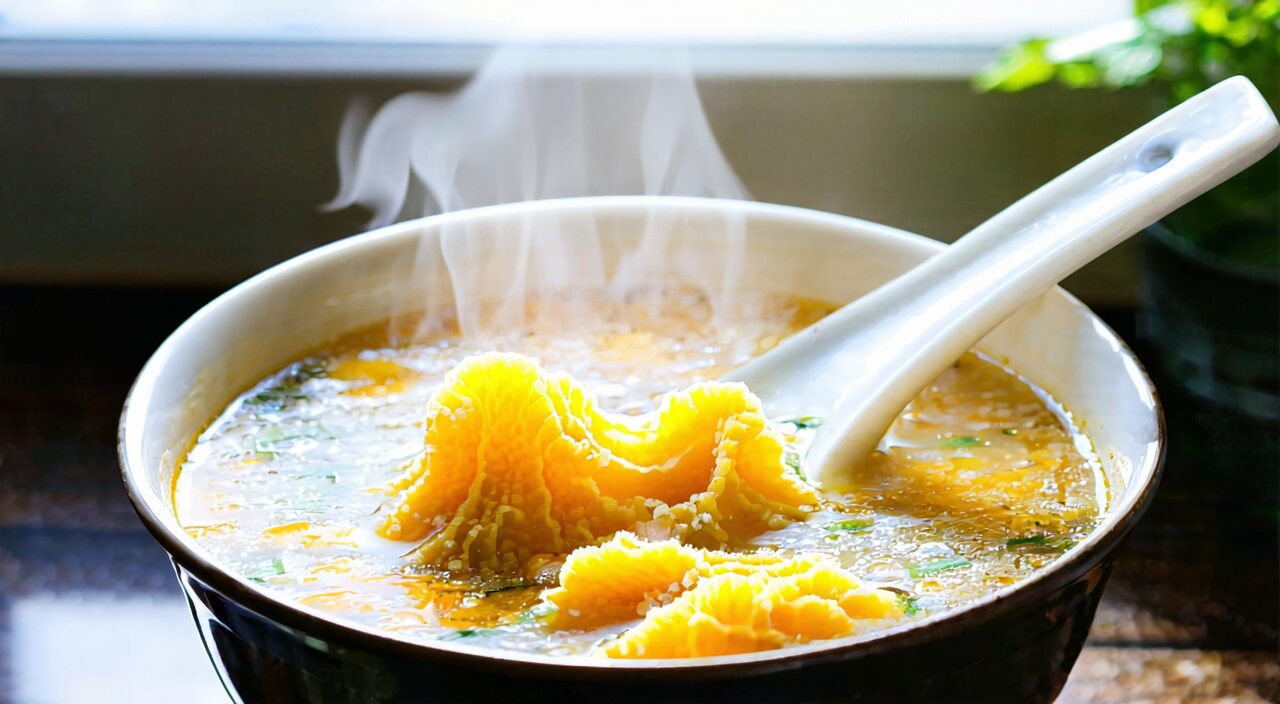
Understanding formulas is one aspect, but daily regulation cannot be neglected. Traditional Chinese medicine places great emphasis on the coordination of diet and daily routine. Common principles include:
- Avoid staying up late and overwork, as staying up late easily consumes yin fluids;
- Reduce spicy, hot, and drying foods as well as overly warming tonic foods;
- Appropriately supplement yin-moistening and dryness-moistening foods such as tremella, lily bulb, snow pear, black sesame, etc.
- Emotional management is equally important; long-term irritability and anxiety disturb the ministerial fire and may further aggravate yin deficiency.
These adjustments in daily habits are often an important foundation for the formula to take effect. One must not rely solely on a formula while ignoring the overall coordination of lifestyle.
Summary
As a classic formula for nourishing yin and subduing fire, Da Bu Yin Wan is often used in the regulation approach for relatively severe yin deficiency with fire hyperactivity presenting with tidal fever, night sweats, bone-steaming vexing heat, dry mouth and throat, and heat in the palms and soles. Its formulation uses prepared Rehmannia root and turtle shell to nourish yin and replenish essence as the root, and Phellodendron bark and Anemarrhena rhizome to clear and descend deficiency fire as the branch, thus its potency is relatively concentrated and not suitable for everyone.
For people with yang deficiency, spleen-stomach deficiency cold, excess damp-heat pattern, as well as special populations such as pregnant women and children, Da Bu Yin Wan is usually not suitable for self-use. Compared to similar formulas like Zhi Bai Di Huang Wan, Liu Wei Di Huang Wan, Zuo Gui Wan, and Tian Wang Bu Xin Dan, their respective emphases are markedly different, requiring differentiation based on the severity of yin deficiency and deficiency fire, as well as the accompanying symptoms.
Due to the complexity of individual constitutions and specific conditions, the content of this article is provided solely as a popular science reference on traditional Chinese medicine knowledge and cannot replace professional diagnosis or specific treatment plans. Before actual selection and use, it is recommended to combine product instructions, personal actual conditions, and professional advice for comprehensive judgment, especially in long-term or complex situations, and to remain cautious.