
Who Should Use Wu Wei Xiao Du Yin? Composition, Benefits, and Precautions

When the skin suddenly becomes red, swollen, burning hot, and painful, or when small boils begin to appear, many people think of certain heat-clearing and detoxifying herbal formulas in Chinese medicine. Wu Wei Xiao Du Yin (Five-Ingredient Toxin-Removing Beverage) is one of them. However, it is not a one-size-fits-all “anti-inflammatory” formula, and it cannot be directly applied to every skin problem. Understanding what conditions it mainly addresses, what herbs it contains, who should avoid it, and how it differs from other heat-clearing formulas helps clarify its proper scope of use.
From Excess Heat Toxin to Dispersing Heat Toxin
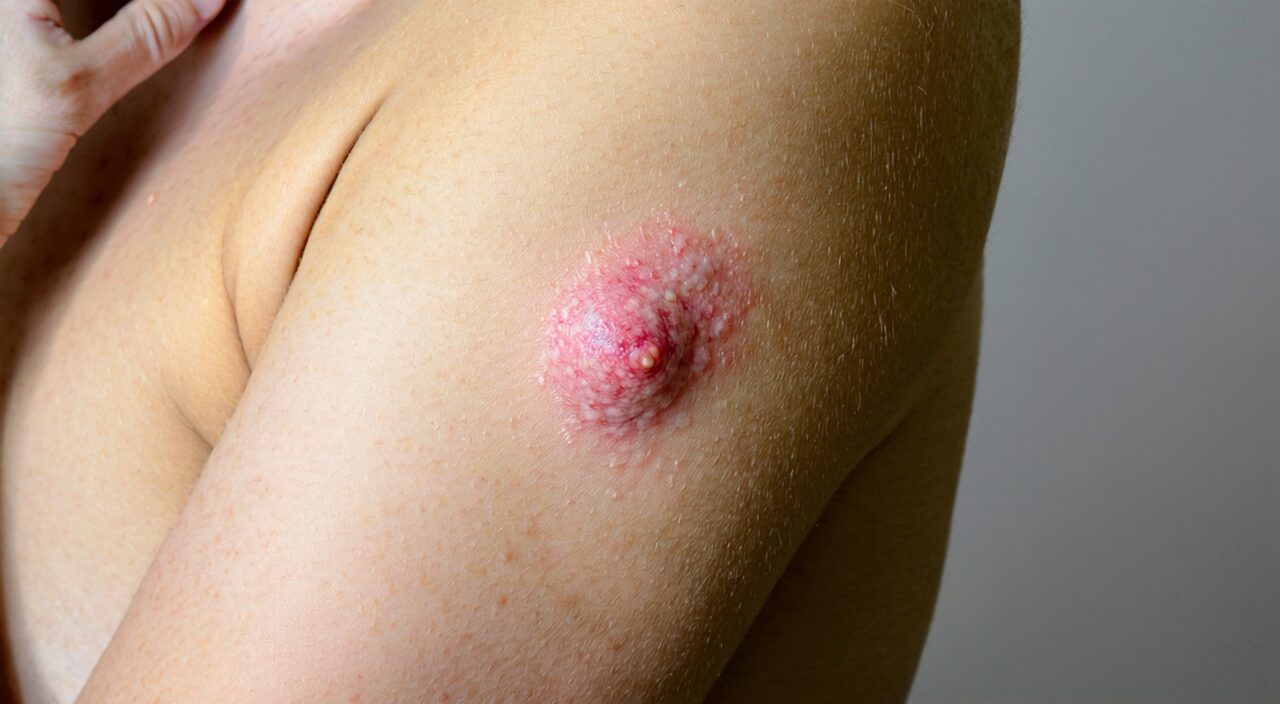
In traditional Chinese medicine, acute redness, swelling, heat, and pain of the skin and soft tissues are often understood from the perspective of “heat toxin” or “fire toxin” stagnation. The term heat toxin does not refer to viruses or bacteria as in modern medicine, but describes a pathological state of heat generated when local qi and blood circulation is obstructed.
This state often presents with:
- Local skin redness, swelling, burning sensation, and pain
- Possible mild fever, thirst, and irritability
- Tendency toward a red tongue body with yellow coating, and a rapid pulse
Wu Wei Xiao Du Yin is formulated around the principle of “clearing heat, resolving toxins, and dispersing sores.” It focuses on eliminating heat toxin and restoring the smooth flow of stagnant qi and blood. Therefore, it has traditionally been used more for cases where heat toxin is just beginning to accumulate in the skin or superficial areas.
Composition of Wu Wei Xiao Du Yin
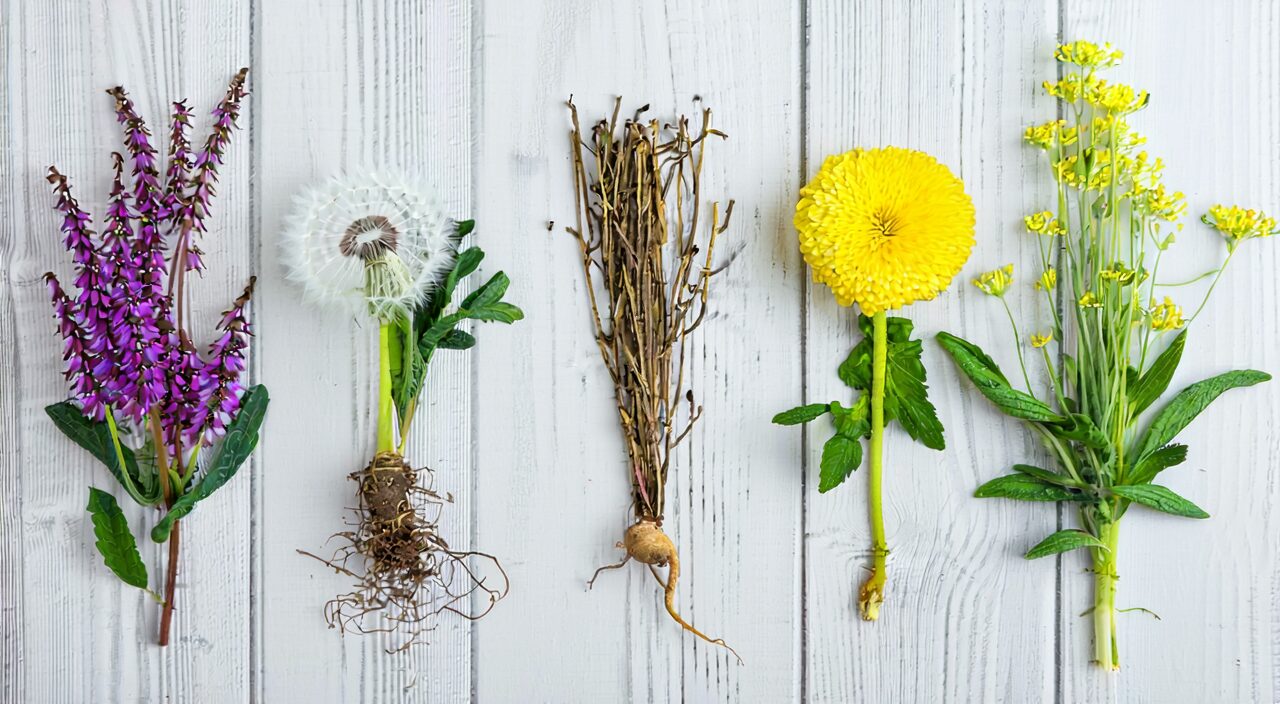
Understanding the role of each herb in the formula helps to view its function more objectively. The classic composition of Wu Wei Xiao Du Yin is as follows:
| Herb | General Function in the Formula |
|---|---|
| Jin Yin Hua (Lonicera Flower) | Clears heat and resolves toxins, disperses wind-heat, excels at venting superficial heat toxin |
| Ye Ju Hua (Wild Chrysanthemum Flower) | Clears heat and resolves toxins, particularly used for sores, abscesses, and swellings |
| Pu Gong Ying (Dandelion) | Clears heat and resolves toxins, reduces abscesses and dissipates nodules, also promotes diuresis |
| Zi Hua Di Ding (Viola) | Cools blood and resolves toxins, disperses abscesses and swellings |
| Zi Bei Tian Kui (Begonia Fimbristipula) | Clears heat and resolves toxins, cools blood and reduces swelling |
These five herbs are all relatively cold in nature and together target the redness, swelling, heat, and pain caused by heat toxin congestion. Particularly when the heat toxin is still superficial and has not yet formed extensive suppuration or caused severe systemic symptoms, this formula is more often considered as a reference for early-stage intervention.
What Conditions Might Wu Wei Xiao Du Yin Be Suitable For?

Wu Wei Xiao Du Yin is not suitable for all skin problems. Based on traditional applications, it is more often considered for conditions presenting with the following “heat toxin” manifestations:
- Obvious redness, swelling, heat, and pain with early-stage sores
For example, when one or several furuncles have just appeared, with local skin that is red, swollen, hot, and painful, firm in texture, and without obvious fluctuation indicating pus formation.
- Heat toxin manifesting on the body surface
Such as folliculitis or small abscesses on the face, back of the neck, or back, accompanied by a local burning sensation.
- Skin problems accompanied by heat signs
Such as a red tip of the tongue, thirst, yellowish urine, and dry stool.
- Acute stage without obvious damage to the body’s vital qi
The overall physical condition is still relatively good, without signs of long-term depletion or qi and blood deficiency.
It is important to note that these are only summaries of traditional usage directions. Whether the formula is suitable still requires a comprehensive judgment based on individual constitution, specific symptoms, and professional pattern differentiation.
Who Should Use It with Caution or Avoid It?
As a formula that is relatively cold and clearing in nature, Wu Wei Xiao Du Yin is generally considered less appropriate in the following situations:
- Sores that have already ruptured, with thin and clear pus, and the local area is neither red nor hot
At this stage, heat signs are not obvious, and the condition is more likely due to qi and blood deficiency or yang qi deficiency, so simply clearing heat is not advisable.
- Local swelling and pain without color change or heat
This may be due to cold congealing or phlegm-dampness accumulation; using cold-natured herbs may actually worsen local stagnation.
- Constitution with qi and blood deficiency
People with a pale complexion, easy fatigability, aversion to cold, and poor appetite may experience worsened deficiency after using heat-clearing herbs.
- Severe infections not managed in time
If the abscess area rapidly expands, with high fever and chills, severe pain, or signs of sepsis spreading, comprehensive treatment under medical supervision is required at this point, and it is not suitable to rely solely on this formula.
- Pregnant women, breastfeeding women, children, and the elderly or debilitated
These groups are more sensitive to the properties of herbs and require even more discernment and guidance from a professional.
- Long-term recurrent episodes accompanied by pronounced systemic symptoms such as anxiety, palpitations, chest tightness, and mental cloudiness
A medical consultation to investigate other potential problems is necessary first; self-administration is not advisable.
Differences Between Wu Wei Xiao Du Yin and Formulas Like Huang Lian Jie Du Tang
Many people confuse Wu Wei Xiao Du Yin with other heat-clearing formulas. Clarifying the differences helps to more accurately understand the characteristics of each formula.
Wu Wei Xiao Du Yin vs. Huang Lian Jie Du Tang
Huang Lian Jie Du Tang (Coptis Toxin-Resolving Decoction) is mainly composed of Huang Lian (Coptis), Huang Qin (Scutellaria), Huang Bai (Phellodendron), and Zhi Zi (Gardenia). Its action of clearing heat and drying dampness to resolve toxins is stronger, and it is more inclined to purge fire toxin from the triple burner. It is often used for cases with more exuberant systemic heat toxin, high fever, irritability, dry mouth and throat, and even abnormal mental states. In contrast, Wu Wei Xiao Du Yin focuses more on dispersing superficial sores and swellings. Its herbs are lighter and more outward-directing, making it suitable for heat toxin stasis limited to the skin or superficial areas.
Wu Wei Xiao Du Yin vs. Pu Ji Xiao Du Yin
Pu Ji Xiao Du Yin (Universal Benefit Toxin-Removing Beverage) is often used for head and facial redness and swelling, and sore throat caused by contracting wind-heat epidemic toxins, such as in erysipelas-like conditions. It simultaneously dispels wind, scatters pathogenic factors, clears heat, and resolves toxins. Wu Wei Xiao Du Yin lacks significant wind-dispersing components and focuses purely on clearing heat, resolving toxins, and eliminating sores. Therefore, when the problem is concentrated on the head and face and accompanied by distinct wind-heat exterior symptoms, Pu Ji Xiao Du Yin is more commonly considered.
Wu Wei Xiao Du Yin vs. Yin Qiao San
Yin Qiao San (Lonicera and Forsythia Powder) is a classic formula for treating wind-heat exterior syndrome, commonly used for external contraction symptoms such as fever, slight aversion to wind and cold, sore throat, and thirst. Its nature is light and promoting out-thrust. Although Wu Wei Xiao Du Yin can also vent heat toxin, its focus is on sores and swellings, and it does not treat exterior syndromes. If skin redness and swelling are accompanied by obvious cold symptoms, it may be necessary to first distinguish whether the exterior syndrome or the heat toxin accumulation is dominant.
Wu Wei Xiao Du Yin vs. Long Dan Xie Gan Tang
Long Dan Xie Gan Tang (Gentian Liver-Draining Decoction) mainly clears excess fire from the liver and gallbladder and drains damp-heat. It is used for problems caused by damp-heat pouring downward along the liver channel or liver-gallbladder excess fire flaring upward, such as bitter taste, hypochondriac pain, ear swelling, and painful urinary dripping. Wu Wei Xiao Du Yin does not directly address liver and gallbladder channel issues but focuses on heat toxin in the skin and muscles. If the skin problem is accompanied by obvious liver-gallbladder damp-heat signs, a comprehensive pattern differentiation is needed rather than a simple substitution.
Summary
As a classic formula for clearing heat, resolving toxins, and dispersing sore toxins in Chinese medicine, Wu Wei Xiao Du Yin is often used for conditions characterized by exuberant heat toxin such as redness, swelling, heat, pain, and early-stage sores. Its action tends to be superficial and dissipating, making it suitable for stages where the heat toxin has not yet penetrated deeply or caused ulceration, and the body’s vital qi is still relatively intact.
However, its cold and dispersing characteristics also mean it cannot be directly applied to all types of skin swelling and pain. Extra caution is needed, especially in cases of deficiency cold, qi and blood insufficiency, or when infection has progressed to a severe stage. Whether to choose Wu Wei Xiao Du Yin or different formulas such as Huang Lian Jie Du Tang, Pu Ji Xiao Du Yin, Yin Qiao San, or Long Dan Xie Gan Tang ultimately depends on a specific assessment of constitution, symptoms, and the nature and location of the disease.
This article is for informational reference only and cannot replace professional diagnosis or treatment advice. If skin redness, swelling, heat, and pain persist, expand, or are accompanied by severe systemic symptoms, it is recommended to consult a doctor or healthcare professional promptly.