
Who Is Peony and Licorice Decoction Suitable For? Composition, Effects, and Precautions

Many people’s impression of Peony and Licorice Decoction stops at “treating cramps” or “relieving spasms and pain.” Before actually using it, many want to clarify: What type of constitution is it truly suitable for? What herbs does it consist of? What needs special attention? How does it differ from formulas like Minor Center-Fortifying Decoction and Cinnamon Twig Decoction? This article sorts out these directions from the perspective of traditional Chinese medicine to help readers establish a relatively complete framework of understanding.
Formula Origin and Traditional Understanding
Peony and Licorice Decoction originates from the Treatise on Cold Damage. The original formula consists of only two herbs, recorded in a clause concerning the therapeutic approach for “leg cramping.” In later development, this formula gradually came to be categorized under “softening the liver and relieving spasms” and “relieving spasms and stopping pain.”
Traditional Chinese medical theory holds that the liver governs the sinews. When liver qi is disharmonious or yin-blood is insufficient, the sinews and vessels lack nourishment, readily leading to manifestations such as spasm, contraction, and twitching. Peony and Licorice Decoction is precisely designed around the goal of “relieving spasms.”
Composition and Common Reference Ratios
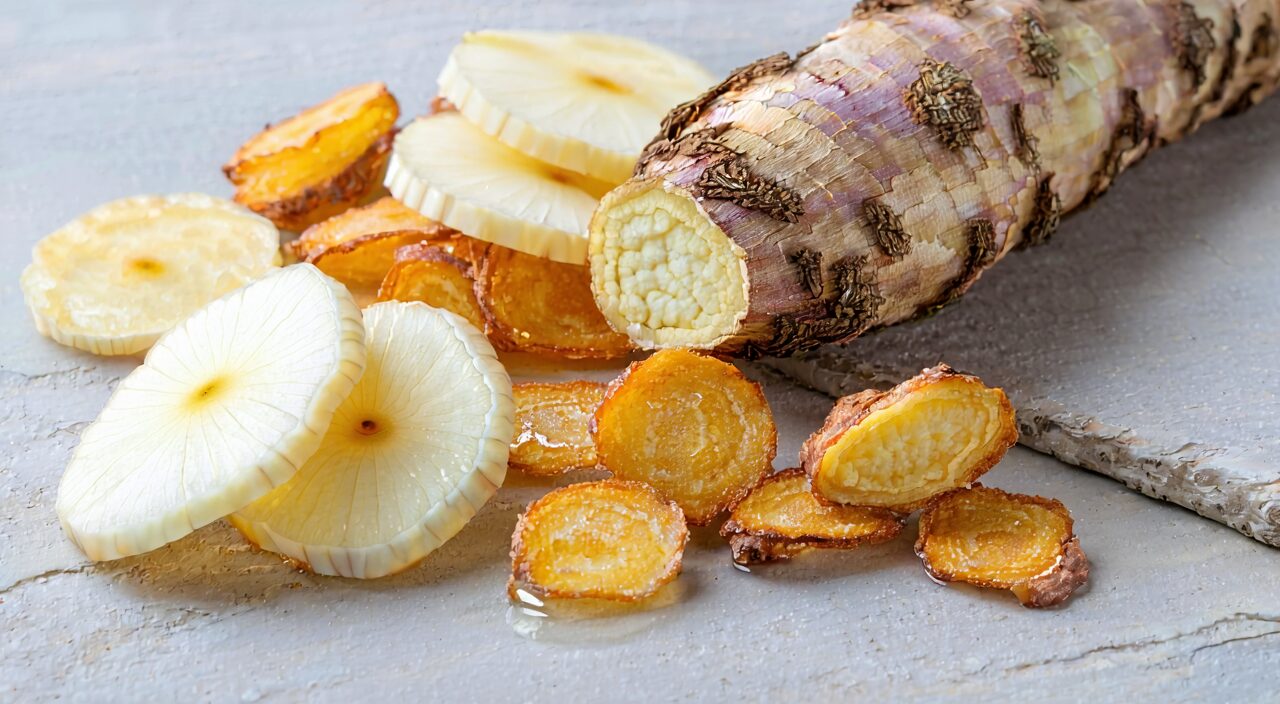
The composition of Peony and Licorice Decoction is very concise. Traditionally, white peony and honey-fried licorice are the main ingredients, the two working together to produce the effect of sour and sweet transforming into yin, softening the sinews, and relieving spasms. Below are common reference ratios; specific dosages need to be determined based on individual circumstances and professional judgment.
| Medicinal Herb | Traditional Reference Action | Common Reference Ratio |
|---|---|---|
| White Peony (Bai Shao) | Nourishes blood, softens the liver, relieves spasms and pain | Larger amount, commonly 12–30 g |
| Honey-Fried Licorice (Zhi Gan Cao) | Supplements the center, relieves spasms, harmonizes medicinal properties | Smaller amount, commonly 6–12 g |
It is generally considered that when the dosage ratio of white peony to licorice is approximately 2:1, the spasm-relieving strength is relatively ideal. It should be noted that this is only a reference range within traditional formula studies, not a fixed, invariable dosage.
Traditional Effects: Softening the Liver, Relieving Spasms, and Stopping Pain
The core traditional effects of Peony and Licorice Decoction can be summarized as “softening the liver and relieving spasms” and “relieving spasms to stop pain.” It does not directly confront a specific disease cause but rather adjusts the tense state of “sinew and vessel spasm,” providing some relief from bodily discomfort.
- Softening the liver and relieving spasms: In Chinese medicine, the “liver” is closely related to the activity of sinews and vessels. White peony tends toward sour, licorice toward sweet; the combination of sour and sweet can nourish yin fluids, helping to moisten and nurture the sinews and vessels, thereby easing the state of spasm and tension.
- Relieving spasms to stop pain: The essence of many pain conditions is “lack of relaxation, lack of smooth flow,” such as sudden muscle tightness or waves of abdominal cramping. By alleviating this sense of “urgency,” Peony and Licorice Decoction may help reduce spasmodic pain, rather than directly blocking pain sensation like common analgesics.
Therefore, this formula focuses more on “relaxation” and “softness,” not on forcibly sedating or stopping pain.
Who Might Be Suitable to Learn About Peony and Licorice Decoction?

In traditional usage, the following types of sinew and vessel spasm manifestations are often considered within the applicability range of Peony and Licorice Decoction. However, whether it is specifically appropriate must still be determined by combining the individual’s overall condition.
Recurring muscle spasms or cramps
For example, nocturnal leg cramps (gastrocnemius spasm), or leg muscle spasms occurring after prolonged walking or exposure to cold. Traditionally, such conditions are related to lack of nourishment to the sinews, and Peony and Licorice Decoction may offer a spasm-relieving approach.
Abdominal spasmodic pain
If abdominal pain presents as paroxysmal spasm or pulling, with the abdominal muscles feeling relatively tight, slightly relieved by pressure or massage, and the location is not fixed. At the same time, acute abdominal signs must be excluded, such as persistent, severe, tearing pain, board-like abdominal rigidity, high fever, vomiting, etc. When these conditions are met, such “spasmodic abdominal pain” may more closely match the focus of Peony and Licorice Decoction.
Other manifestations related to “sinew spasm”
In cases of some recurring eyelid twitching, masticatory muscle tension, or muscle stiffness accompanying emotional stress, after excluding organic diseases, some practitioners also consider these within the category of “sinew and vessel spasm.” However, such cases often involve other contributing factors, and comprehensive differentiation under professional guidance is advisable.
It must be emphasized again: the above are only traditional directional indications for the formula and do not mean anyone in these situations can directly take it. If pain is severe, of unknown origin, or persistently unrelieved, priority must be given to seeking medical diagnosis.
When Is Extra Caution Required?
The following situations generally advise against self-administration of Peony and Licorice Decoction, or require weighing under professional evaluation.
Acute pain without a clear diagnosis
When sudden severe abdominal pain, chest pain, headache occurs, or it is accompanied by symptoms such as fever, vomiting, blood in stool, or altered consciousness, one should not rely on a single Chinese herbal formula for self-treatment; emergency assessment should be sought promptly.
Risk of heart or kidney disease or abnormal potassium metabolism
Licorice and its preparations may affect potassium metabolism in the body, carrying a potential risk of inducing hypokalemia or aggravating edema. If there is a history of hypertension, heart failure, renal insufficiency, hypokalemia, or concurrent use of diuretics, digitalis drugs, etc., the prescribing physician must be informed before using licorice-containing formulas, and professional advice should be followed.
Special physiological periods and individual circumstances
During pregnancy, lactation, childhood, and in elderly or frail individuals, drug reactions may differ from those in typical adults, and corresponding safety data are limited. Therefore, when considering such formulas, the judgment of a professional should take precedence. Individuals with a history of allergy to licorice or white peony should also avoid them.
Furthermore, if other medications are being used long-term, especially diuretics, cardiac glycosides, glucocorticoids, etc., one must be mindful of potential interactions and not neglect overall medication safety for the sake of “relieving spasms.”
Distinctions from Several Common Formulas
Many readers easily confuse Peony and Licorice Decoction with other formulas. Below is a brief comparison from the perspective of traditional primary indications.
Peony and Licorice Decoction vs. Minor Center-Fortifying Decoction (Xiao Jian Zhong Tang)
| Formula | Main Composition | Traditional Primary Indication | Key Difference from Peony and Licorice Decoction |
|---|---|---|---|
| Minor Center-Fortifying Decoction | Cinnamon twig, white peony, honey-fried licorice, fresh ginger, jujube, malt sugar | Warms the center, supplements deficiency, relieves spasms and pain; suitable for deficiency-cold type abdominal spasmodic pain, often accompanied by preference for warmth and pressure, fatigue, and lusterless complexion | Focuses on warming and supplementing the middle burner, targeting deficiency-cold; Peony and Licorice Decoction purely softens the liver and relieves spasms, without warming-supplementing action |
| Peony and Licorice Decoction | White peony, honey-fried licorice | Softens the liver, relieves spasms, improves sinew and vessel spasm state | Focuses purely on relieving spasm, no warming-supplementing component |
A detailed introduction to Minor Center-Fortifying Decoction can serve as extended comparative reference; the above provides only directional distinction.
Peony and Licorice Decoction vs. Cinnamon Twig Decoction (Gui Zhi Tang)
| Formula | Main Composition | Traditional Primary Indication | Key Difference from Peony and Licorice Decoction |
|---|---|---|---|
| Cinnamon Twig Decoction | Cinnamon twig, white peony, honey-fried licorice, fresh ginger, jujube | Releases muscle layer, relieves exterior, harmonizes ying and wei; suitable for exterior deficiency pattern due to external contraction, with manifestations such as sweating, aversion to wind, and body aches | Targets exterior patterns, disperses external pathogens; Peony and Licorice Decoction targets interior sinew and vessel spasm without exterior-releasing action |
| Peony and Licorice Decoction | White peony, honey-fried licorice | Softens the liver, relieves spasms, stops pain by relieving spasm | Focuses purely on interior “urgency” |
Peony and Licorice Decoction vs. Four Substances Decoction (Si Wu Tang)
| Formula | Main Composition | Traditional Primary Indication | Key Difference from Peony and Licorice Decoction |
|---|---|---|---|
| Four Substances Decoction | Rehmannia, white peony, dong quai, ligusticum | Tonifies blood, regulates blood, invigorates blood; suitable for blood deficiency patterns manifesting dizziness, palpitations, irregular menstruation, etc. | Focuses on tonifying and regulating blood; Peony and Licorice Decoction does not directly tonify blood, core is relieving spasm and softening sinews |
| Peony and Licorice Decoction | White peony, honey-fried licorice | Softens liver, relieves spasms, stops pain by relieving spasm | Does not aim at tonifying blood |
Although both formulas contain white peony, the formulation rationale and application directions are markedly different.
Peony and Licorice Decoction vs. Dang Gui Si Ni Decoction (Tangkuei Counterflow Cold Decoction)
| Formula | Main Composition | Traditional Primary Indication | Key Difference from Peony and Licorice Decoction |
|---|---|---|---|
| Dang Gui Si Ni Decoction | Dong quai, cinnamon twig, white peony, asarum, rice-paper pith, honey-fried licorice, jujube | Warms channels, dissipates cold, nourishes blood and unblocks vessels; mainly corresponds to blood deficiency with cold reversal, manifesting cold extremities, body aches, and thin, almost imperceptible pulse | Leans toward cold congealing blood vessels, requires warming and unblocking to dispel cold; Peony and Licorice Decoction only targets sinew and vessel spasm urgency, does not cover cold reversal |
| Peony and Licorice Decoction | White peony, honey-fried licorice | Softens liver, relieves spasms, improves sinew and vessel tension | Narrower scope, purely focused on relieving spasms |
Although Dang Gui Si Ni Decoction contains the herbs of Peony and Licorice Decoction, it adds warming, unblocking, and cold-dissipating substances, and its application direction leans toward cold congealing blood vessels, which is not entirely the same as simple sinew and vessel spasm.
In general, Peony and Licorice Decoction is a concise spasm-relieving formula. When making a choice, one can first assess whether the discomfort centers on the sinew and vessel tension of “spasms and contractures,” then combine other accompanying symptoms to differentiate it from similar formulas.
Summary
As a traditional classic spasm-relieving formula, Peony and Licorice Decoction uses the combination of white peony and licorice to soften the liver, relieve spasms, and stop pain. In directions of sinew and vessel discomfort such as muscle cramps and abdominal spasmodic pain, traditional Chinese medicine often takes it into consideration. However, it is not a broad-spectrum analgesic, nor is it suitable for all types of pain.
Before self-education or considering use, one needs to objectively assess whether “spasms” are the prominent feature of the symptoms, while excluding unsafe factors such as acute severe conditions, electrolyte disturbance risks, heart and kidney diseases, and so forth. If accurate judgment is difficult, or if symptoms persist or worsen, professional medical help should be sought promptly.
This article is for informational reference only and cannot replace professional diagnosis or treatment advice. It is hoped that through organizing Peony and Licorice Decoction and its common comparative formulas, readers can establish a clear and rational understanding, so as to facilitate more effective communication with professionals when needed.