
How to Choose Chinese Patent Medicines for Regulating the Spleen and Stomach Based on Symptoms? A Must-Read Guide Before Purchase

Many people have had similar experiences: feeling uncomfortably bloated after meals, long-term unformed stools, and occasional acid reflux or heartburn. When they try to buy some Chinese patent medicines for regulation at the pharmacy, they find several options specifically for the spleen and stomach—Shenling Baizhu San, Baohe Wan, Xiangsha Liujun Wan, Fuzi Lizhong Wan… The names all sound related to digestion, but how on earth do you choose?
If you simply take digestion-promoting tablets for bloating or spleen-tonifying pills for diarrhea, the effect is often unsatisfactory, and you may even feel worse. This is because in TCM, spleen-stomach issues are not addressed by simply matching a symptom with a remedy; instead, you need to synthesize various manifestations to determine the underlying pattern (syndrome type), and then choose the corresponding formula.
This article aims to organize a reference pathway from ‘symptoms → syndrome pattern → Chinese patent medicine’ for you, so that when purchasing for yourself or your family, you can have an additional layer of rational judgment. Of course, the selection of any Chinese patent medicine should be based on syndrome differentiation; the content herein is for informational reference only and cannot replace professional diagnosis.
Common Manifestations of Spleen-Stomach Problems and the TCM Observation Perspective

In traditional Chinese medicine, the spleen and stomach are regarded as the ‘foundation of postnatal life,’ primarily responsible for transporting and transforming food essence—converting ingested food into energy and substances the body can use. When spleen-stomach function is impaired, the symptoms are often more than one, potentially involving digestion, bowel movements, energy levels, and even emotions. Common signals include:
- Epigastric distension or dull pain, especially after meals
- Indigestion, with a sensation of food being stuck in the stomach
- Reduced appetite, or feeling full after eating only a little
- Abnormal stools, such as long-term loose and watery stools, sticky stools that are hard to flush away, or dry, difficult-to-pass stools
- Acid reflux, heartburn, or frequent belching
- Fatigue, heavy limbs, and a sallow complexion
Behind these symptoms, TCM further observes clues such as tongue coating, preference for warmth or cold, and stool characteristics that reflect the body’s state. These can help us map the problem to different syndrome patterns, thereby finding a selection direction more aligned with the individual situation.
Simple Clues for Self-Observation

When trying to assess your spleen-stomach condition, you can pay attention to the following aspects; they can roughly sketch the contours of your constitutional tendency.
Tongue Coating Clues
Before brushing your teeth in the morning, look at your tongue under natural light. The following signs are noteworthy:
- A slightly enlarged tongue with teeth marks on the edges and a white, moist coating often indicates spleen qi deficiency and possible dampness.
- A white, thick, and greasy coating usually implies heavy dampness turbidity.
- A yellow, thick, and greasy coating may be associated with damp-heat or food stagnation transforming into heat.
Note that certain foods or medications can stain the tongue coating; it is best to observe while fasting for a while.
Preference for Cold or Warmth
Are you usually particularly sensitive to cold, enjoying hot drinks and feeling comfortable only with a hot water bottle on your stomach? Or do you often feel overheated, preferring cooler environments and foods?
- The stomach prefers warmth and pressure, and symptoms worsen with cold—this often points to deficiency-cold.
- A burning sensation in the stomach, dry mouth, and preference for cold drinks may indicate heat signs.
This simple preference can help you choose between Chinese patent medicines with cold or warm properties.
Stool Characteristics
After defecation, don’t rush to flush; take a look at the stool’s condition. Here are some common clues:
- Long-term unformed, loose stools that easily stick to the toilet bowl are mostly related to spleen deficiency with excess dampness.
- Stools containing undigested food particles may also indicate food stagnation.
- Stools that are dry, hard, or even pellet-like, accompanied by dry mouth and bad breath, may belong to stomach heat or insufficient body fluids.
A single change in stool is greatly influenced by diet; it is advisable to observe the overall pattern over a period of time.
These observations are only auxiliary and cannot replace professional diagnosis. If you notice significant abnormal changes in the tongue coating, recurrent abdominal pain, or a sudden change in bowel habits, you should first go to the hospital to rule out organic diseases.
Corresponding Approaches of Common Syndrome Patterns and Chinese Patent Medicines
Next, we will combine typical manifestations to sort out several common syndrome patterns of spleen-stomach issues and the traditionally corresponding Chinese patent medicine directions. The following table can help you quickly establish an overall impression, with detailed explanations following thereafter.
| Syndrome Direction | Typical Manifestations | Traditionally Referenced Chinese Patent Medicines | Focus and Precautions |
|---|---|---|---|
| Spleen Qi Deficiency with Dampness | Fatigue, loose stools, enlarged tongue with teeth marks, poor appetite | Shenling Baizhu San / Xiangsha Liujun Wan | The former focuses on strengthening the spleen, percolating dampness, and stopping diarrhea; the latter also moves qi, more suitable for those with bloating and belching |
| Food Stagnation | Abdominal distension and pain after overeating, sour belching, loose stools with a sour, foul smell | Baohe Wan | Promotes digestion and guides out stagnation; if there is a yellow, greasy tongue coating, bitter taste, and constipation, you can learn about Zhishi Daozhi Wan (for food stagnation transforming into heat) |
| Spleen-Stomach Deficiency Cold | Cold pain in the epigastric region, preference for warmth and pressure, worsening with cold, clear-watery stools, cold limbs | Fuzi Lizhong Wan | Warms the middle and strengthens the spleen; contains Fuzi (Aconite), requires strict attention to contraindications and dosage; contraindicated in pregnancy and for those with excess heat |
| Dampness-Turbidity Obstructing the Middle, Qi Movement Stagnation | Epigastric and abdominal stuffiness, nausea and urge to vomit, dizziness and heavy body, sticky stools, white, thick, greasy tongue coating | Huoxiang Zhengqi Wan / Muxiang Shunqi Wan | The former is more for cold-dampness with external symptoms; the latter focuses on moving qi and transforming dampness, suitable for those with qi stagnation and distension |
| Internal Phlegm-Dampness | Chest and epigastric stuffiness, cough with profuse sputum, nausea, white, thick, greasy tongue coating | Erchen Wan | Dries dampness and transforms phlegm, regulates qi and harmonizes the middle; its spleen-strengthening effect is relatively mild, often used in combination |
It should be particularly noted that the listing of these Chinese patent medicines is only to provide an understanding of traditional usage and selection possibilities; they are not the only choices, nor can they guarantee suitability for everyone. Before actual use, be sure to combine the product instructions with your specific situation, and consult a TCM practitioner or pharmacist if necessary.
Detailed explanations for each pattern are as follows:
Spleen Qi Deficiency with Dampness – Commonly Used for Fatigue and Loose Stools
If you often feel weak all over, want to lie down after meals, have long-term soft or loose stools, a slightly enlarged tongue with teeth marks on the edges, and poor appetite, this state is often related to spleen qi deficiency with dampness stagnation.
For this direction, Shenling Baizhu San focuses on strengthening the spleen, percolating dampness, and stopping diarrhea, and is often suitable for reduced appetite and loose stools caused by spleen deficiency with dampness. Xiangsha Liujun Wan adds qi-moving components on top of this, making it more suitable for spleen deficiency with qi stagnation, presenting as bloating, belching, and chest-epigastric stuffiness. Although both revolve around spleen deficiency, they have different emphases; you can differentiate based on whether there is noticeable gas and a stifling sensation.
Food Stagnation – Commonly Used for Epigastric Distension After Overeating
After holiday feasts or a moment of indulgence, when you overeat, you may experience abdominal distension and pain, sour, foul belching, even slight nausea, and loose stools with a sour, foul odor. This situation mainly involves food stagnation in the middle burner.
Baohe Wan is traditionally used to promote digestion and remove stagnation, especially adept at addressing epigastric and abdominal discomfort caused by stagnation of meat and starchy foods. If accompanied by a distinctly yellow, greasy tongue coating, bitter taste, constipation or incomplete, uncomfortable diarrhea, and severe distension and pain, it may indicate that the food stagnation has transformed into heat. In this case, you can learn about Zhishi Daozhi Wan, which emphasizes clearing damp-heat and eliminating stagnation. However, once the accumulation is resolved, prolonged use of such formulas is not recommended.
Spleen-Stomach Deficiency Cold – Commonly Used for Epigastric Cold Pain with Preference for Warmth
Some people’s stomachs are always averse to cold; eating even a little raw or cold food can cause stomach pain, and applying a hot water bottle brings much relief. They tend to have diarrhea with clear, watery stools, feel listless, and often have cold limbs. This condition mostly points to spleen-stomach deficiency cold, where yang qi is insufficient to warm the middle burner.
Fuzi Lizhong Wan is a traditional formula for warming the middle and strengthening the spleen, suitable for relatively pronounced spleen-stomach deficiency cold. However, because it contains Fuzi (Aconite), it must be used with strict attention to contraindications and dosage control; it should be avoided by pregnant women and those with excess heat syndromes. Generally, long-term self-administration is not recommended. If symptoms do not improve, seek professional help promptly.
Dampness-Turbidity Obstructing the Middle, Qi Movement Stagnation – Commonly Seen with Epigastric Stuffiness and Nausea
If you feel a blockage and distension in the epigastric region, with slight nausea or urge to vomit, dizziness, heavy body sensation, sticky and unsatisfactory bowel movements, and a white, thick, greasy tongue coating, this may be related to dampness turbidity encumbering the spleen and stomach, with impaired qi movement.
Traditionally, Huoxiang Zhengqi Wan is often used for nausea, vomiting, and diarrhea caused by external wind-cold and internal damage by dampness stagnation, more suitable for situations dominated by cold-dampness with mild external wind-cold symptoms. Muxiang Shunqi Wan leans more towards moving qi, transforming dampness, soothing the liver, and harmonizing the stomach, suitable for cases with obvious dampness turbidity obstruction and qi stagnation, presenting as epigastric and abdominal distension, belching, and temporary relief after sighing.
Internal Phlegm-Dampness – Commonly Used for Chest-Epigastric Stuffiness and Cough with Profuse Sputum
Some people not only have stomach discomfort but also feel there is phlegm in the throat, chest tightness, frequent nausea, and a white, greasy, thick tongue coating. When the spleen and stomach fail to transport and transform properly, water-dampness easily congeals into phlegm. Erchen Wan is a traditional basic formula used to dry dampness and transform phlegm, regulate qi, and harmonize the middle, often employed for cough with profuse sputum and chest-epigastric distension due to phlegm-dampness stagnation. However, Erchen Wan mainly targets the phlegm-dampness itself, and its spleen-strengthening effect is relatively gentle; in many cases, it is combined with other formulas or herbs based on the actual syndrome.
In reality, many people do not present a single pattern but a mixture of cold and heat, deficiency and excess. For example, spleen deficiency with dampness may also include food stagnation, or spleen-stomach deficiency cold may be accompanied by qi stagnation. Therefore, the above classification only provides a reference framework to help you understand the logic of selecting Chinese patent medicines; it is by no means a one-to-one match.
Important Precautions Before Purchasing Chinese Patent Medicines

Even if you have a certain understanding of your symptom direction, when it comes to purchasing, there are several important things to keep in mind.
- Look for the “National Drug Approval Number” Identifier
Legitimate Chinese patent medicine packaging always clearly displays the approval number, which is the mark of approval by the national drug regulatory authority for marketing. Do not purchase “products” without an approval number or those carrying only food or health food labels; they lack legal drug status, and their ingredients, contents, and indications have not been reviewed according to drug standards.
- Read the Instructions Carefully
For the same Chinese patent medicine, different manufacturers may have variations in excipients, manufacturing processes, and specifications. Contraindications, adverse reactions, and precautions are all listed in the instructions. Pay special attention to the “Functions and Indications” section to see if it matches your situation; also note the “Contraindications” section—for example, some medicines are contraindicated in pregnancy, and some require avoiding raw, cold, and greasy foods.
- Special Populations Require Extra Caution
Children, pregnant women, breastfeeding women, the elderly and debilitated, as well as those with chronic diseases such as hypertension, heart disease, liver disease, or kidney disease, should consult a doctor or pharmacist before using any Chinese patent medicine. Even for average adults, if symptoms do not improve or worsen after a few days of taking the medicine, or if new discomfort arises, they should stop taking it and seek medical attention promptly.
Why It Is Recommended to Consult a Professional Before First Use
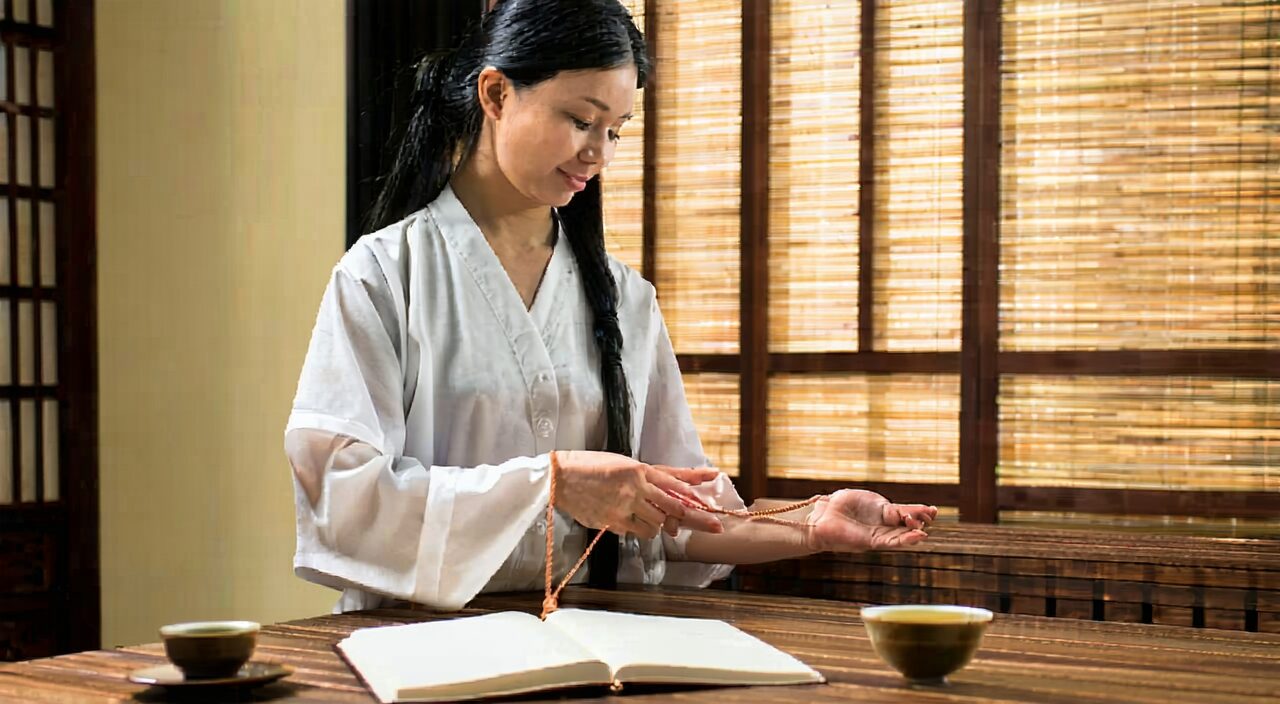
All the pattern descriptions and Chinese patent medicine listings in this article are only a general organization of knowledge. True TCM prescribing requires the synthesis of the four diagnostic methods—inspection, listening/smelling, inquiry, and palpation. Many subtle changes in pulse, tongue, and the patient’s overall qi-blood status are difficult for laypeople to accurately grasp. The same symptom of ‘bloating’ could be due to qi deficiency and stagnation in person A, but damp-heat accumulation in person B, leading to completely different selection approaches. A wrong choice not only wastes money but may also cause discomfort.
Therefore, the most appropriate use of this article is as introductory material to help you understand how TCM views spleen-stomach issues and to build a preliminary sense of ‘syndrome differentiation and treatment.’ Once you intend to purchase, a safer approach is to first have a TCM practitioner perform the four diagnostic methods and select based on a specific diagnosis, or at least consult a licensed pharmacist at the pharmacy, clearly explaining your specific manifestations and constitution, so they can help determine which Chinese patent medicine is closer to your current condition.
Summary
There are indeed strong targeting differences among Chinese patent medicines for regulating the spleen and stomach; one cannot simply buy based on a symptom name. A relatively rational selection process usually involves first observing your body’s signals and subtle preferences, roughly judging whether it is a deficiency or excess pattern, tending towards cold or heat, dominated by dampness or qi stagnation, then mapping that judgment onto the TCM pattern framework, and finally making a decision in combination with the drug instructions, your own constitution, and professional advice.
Once again, all the Chinese patent medicine directions introduced in this article are knowledge compilations based on traditional usage and extensive experience, and should not be regarded as personal recommendations. When spleen-stomach discomfort persists, recurs, or is accompanied by significant weight loss, black stools, severe pain, etc., you must seek medical attention promptly to avoid delaying diagnosis and treatment. We hope this guide can help you face the many choices with more composure and confidence, and also help you cherish every signal your body sends.