
Dampness Stagnation Syndrome: How to Address Heavy Body and Greasy Tongue Coating? TCM Dampness-Expelling Approaches and Patent Medicines

Sometimes, without any intense pain, you may feel your whole body heavy, as if wrapped in a wet cloth, your head muddled and foggy, and your appetite poor. Looking in the mirror, you might notice a swollen tongue with a thick, greasy coating. This unpleasant sensation is likely categorized as “dampness stagnation” in traditional Chinese medicine.
Dampness stagnation syndrome is not an independent disease name, but a comprehensive state of abnormal body fluid metabolism where dampness turbidity lingers in the body. Understanding the causes of dampness stagnation and learning to distinguish between cold and heat are very helpful in choosing an appropriate regulation approach.
Why Does Dampness Stagnation Occur?

Traditional Chinese medicine often explains the causes of dampness stagnation from several perspectives:
- Invasion of external dampness: Living or working in a damp environment for a long time, or not drying off promptly after being caught in rain or wading through water, allows external dampness to invade the skin, muscles, and joints, gradually impairing the spleen and stomach’s transportation and transformation functions.
- Spleen deficiency generating dampness: In TCM visceral manifestation theory, the spleen is responsible for transforming food and fluids into fine essence and distributing it throughout the body. When spleen qi is weak, fluids cannot be transformed normally, easily accumulating into dampness, which in turn further obstructs the spleen and stomach, creating a vicious cycle.
- Improper diet: Long-term preference for greasy, sweet, raw, or cold foods, or overeating, all increase the burden on the spleen and stomach, leading to internal generation of dampness turbidity.
In modern life, prolonged sitting, lack of exercise, high stress, and excessive thinking can also unknowingly lead many people into a state of “dampness stagnation.” Without adequate physical activity, the flow of qi becomes obstructed, making it even harder to expel dampness evils. Therefore, dampness stagnation is not a problem unique to a certain body constitution; many lifestyle factors can quietly worsen it.
What Signals Does the Body Give During Dampness Stagnation?
The characteristics of dampness stagnation syndrome are often “heaviness, turbidity, stickiness, and stagnation.” Specifically, typical manifestations include:
- Limbs feel heavy, as if the legs are filled with lead, especially in the afternoon or on cloudy, rainy days;
- Head feels heavy, as if wrapped in a thick cloth, and thinking feels somewhat fuzzy;
- Epigastric and abdominal distension and fullness, loss of appetite, and easier bloating after eating;
- Sticky and difficult bowel movements, stools that easily stick to the toilet bowl, or a sensation of incomplete evacuation;
- Thick greasy tongue coating, white or yellow in color, possibly with teeth marks along the edges.
In addition, some people may easily develop oily skin, eczema, itching, or small blisters. Women may experience increased vaginal discharge that is thick and sticky. All these could be signs of dampness turbidity accumulating in different areas. Of course, everyone’s constitution is different; dampness stagnation can appear alone or combine with cold, heat, phlegm, food accumulation, etc., forming more complex conditions.
A Key Step: Distinguish Between Cold-Dampness and Damp-Heat

Many people easily overlook a key question when trying to dispel dampness: whether their condition leans toward cold-dampness or damp-heat. The two types differ in their regulation directions. Going the wrong way may not only be ineffective but also make the body more uncomfortable.
General Features of Cold-Dampness
Cold-dampness usually occurs on the basis of insufficient spleen yang, further affected by cold or externally contracted cold-dampness. Common reference manifestations include:
- Body heavy yet particularly sensitive to cold, with cold hands and feet;
- Cold pain in the stomach area, relieved by drinking hot water;
- Loose or watery stools with mild odor;
- White greasy tongue coating, pale tongue body;
- Face color pale or dull.
In a cold-dampness state, a person often wants to curl up and dislikes moving.
General Features of Damp-Heat
Damp-heat is when dampness evil binds with heat evil, commonly seen in cases of excessive intake of spicy, fried, or greasy foods, alcohol consumption, or external contraction of summer-heat and dampness. Reference manifestations include:
- Body heaviness with a feeling of heat, afternoon tidal fever;
- Bitter or sticky taste in the mouth, unpleasant breath;
- Epigastric and abdominal distension and oppressive sensation, possibly with a burning feeling;
- Sticky, difficult bowel movements, even anal burning, with foul odor;
- Yellow-red urine;
- Yellow greasy tongue coating, tongue body tending to red.
People in a damp-heat state tend to be irritable, and their face and hair are often oily.
Of course, in reality, some people’s presentations are not so typical, and mixed cold-heat patterns can also appear. In such cases, more details need to be integrated, and even a professional TCM practitioner’s four diagnostic methods may be needed for further judgment.
The Relationship Between Dampness Stagnation and the Spleen-Stomach and Fluid Metabolism
In TCM visceral manifestation theory, the formation of dampness turbidity is related to organs such as the spleen, lungs, kidneys, and triple burner, but the spleen and stomach are most directly involved. The spleen governs the transportation and transformation of water and dampness, while the stomach governs the reception and ripening of food. If the diet is excessive, irregular, or if one stays in a damp environment for a long time, the middle burner—spleen and stomach—is usually affected first. When spleen-stomach transportation is dysfunctional, clear yang fails to ascend, and turbid yin fails to descend, dampness pervades the tissues and muscles.
Moreover, if dampness stagnation is not effectively regulated over a long period, it may not just manifest as a sub-health state. Severe lingering dampness turbidity can sometimes be accompanied by edema, difficult urination, or even jaundice. These situations suggest more complex internal organ lesions, such as liver or kidney dysfunction, requiring prompt medical investigation rather than simply relying on dampness dispelling.
Traditional Usage Directions of Common Patent Medicines
Based on the differences between cold-dampness and damp-heat mentioned above, here are several patent medicines traditionally used for dampness stagnation-related directions. It is important to emphasize that they are only part of the regulation ideas for reference; whether they are suitable still requires consideration of individual constitution, symptoms, product instructions, and professional judgment.
Er Chen Wan (Two-Cured Pill)
Er Chen Wan originates from the ancient formula Er Chen Tang, with core ingredients of Pinellia (ban xia), tangerine peel (ju hong), Poria (fu ling), and licorice (gan cao). It is traditionally used to dry dampness and transform phlegm, regulate qi, and harmonize the stomach. For manifestations such as cough with profuse phlegm, chest and epigastric distension, nausea and vomiting caused by dampness turbidity accumulation and internal phlegm-dampness obstruction, it may be considered as one reference direction.
It is more inclined towards addressing phlegm-dampness. If the tongue coating is white and greasy and there is prominent phlegm, it can be an option to learn about. However, if heat signs are predominant, such as red tongue with yellow greasy coating and obvious dry mouth, it may not be suitable.
Huo Xiang Zheng Qi Wan (Agastache Qi-Correcting Pill)
Huo Xiang Zheng Qi series preparations (pills, liquids, oral liquids, etc.) are common household medicines for many in the summer. Traditionally, they are used for externally contracted wind-cold, internal damage from dampness stagnation, or summer-heat dampness damage, presenting with headache, heaviness, chest and diaphragm oppression, epigastric distension and pain, vomiting, and diarrhea.
Its formula simultaneously transforms dampness and disperses external pathogens, making it more suitable for cold-dampness encumbering the spleen combined with external wind-cold, especially for dampness stagnation caused by overindulgence in cold drinks and air conditioning. If damp-heat is obvious, or it is simply due to summer heat with dehydration, caution is needed.
Ping Wei San (Stomach-Calming Powder)
Ping Wei San consists of Atractylodes (cang zhu), Magnolia bark (hou po), tangerine peel (chen pi), and licorice (gan cao), among others. It is traditionally adept at drying dampness and activating the spleen, moving qi and harmonizing the stomach. It is commonly used for epigastric and abdominal distension, poor appetite, bland taste in the mouth, nausea, vomiting, belching, acid regurgitation, and heavy limbs caused by dampness obstructing the spleen and stomach.
Its dampness-drying effect is relatively strong, making it more suitable for spleen-stomach dampness obstruction with a cold tendency, where the tongue coating is white, greasy, and thick. If accompanied by obvious heat signs or insufficient stomach yin, it should not be tried lightly.
Mu Xiang Shun Qi Wan (Aucklandia Qi-Smoothing Pill)
Mu Xiang Shun Qi Wan mainly consists of Aucklandia (mu xiang), Amomum (sha ren), Magnolia bark (hou po), and unripe tangerine peel (qing pi), etc. Traditionally, it is used for dampness turbidity obstructing qi dynamic and spleen-stomach qi stagnation causing chest and epigastric oppression, abdominal distension, belching, and nausea. While dispelling dampness, it focuses more on moving qi and reducing distension, and may be more helpful for pronounced epigastric and abdominal distension and a sensation of blocked intestinal qi.
Again, distinguishing between cold and heat is key; it is more suitable for cold-dampness patterns, while accumulated heat or yin deficiency distension requires different considerations.
Before using any of the above patent medicines, it is recommended to read the instructions carefully and note the contraindications. For example, some are not suitable for long-term use, and some have clear restrictions for specific populations (such as pregnant women and children). Never casually use them as daily health tonics.
Dietary and Lifestyle Recommendations for Dispelling Dampness
Apart from patent medicines, adjustments in diet and lifestyle are fundamental.
Dietary aspects:
- Avoid foods that easily exacerbate dampness, including excessive sweets, fried foods, cold drinks, icy treats, raw and cold fruits, and sticky, hard-to-digest foods.
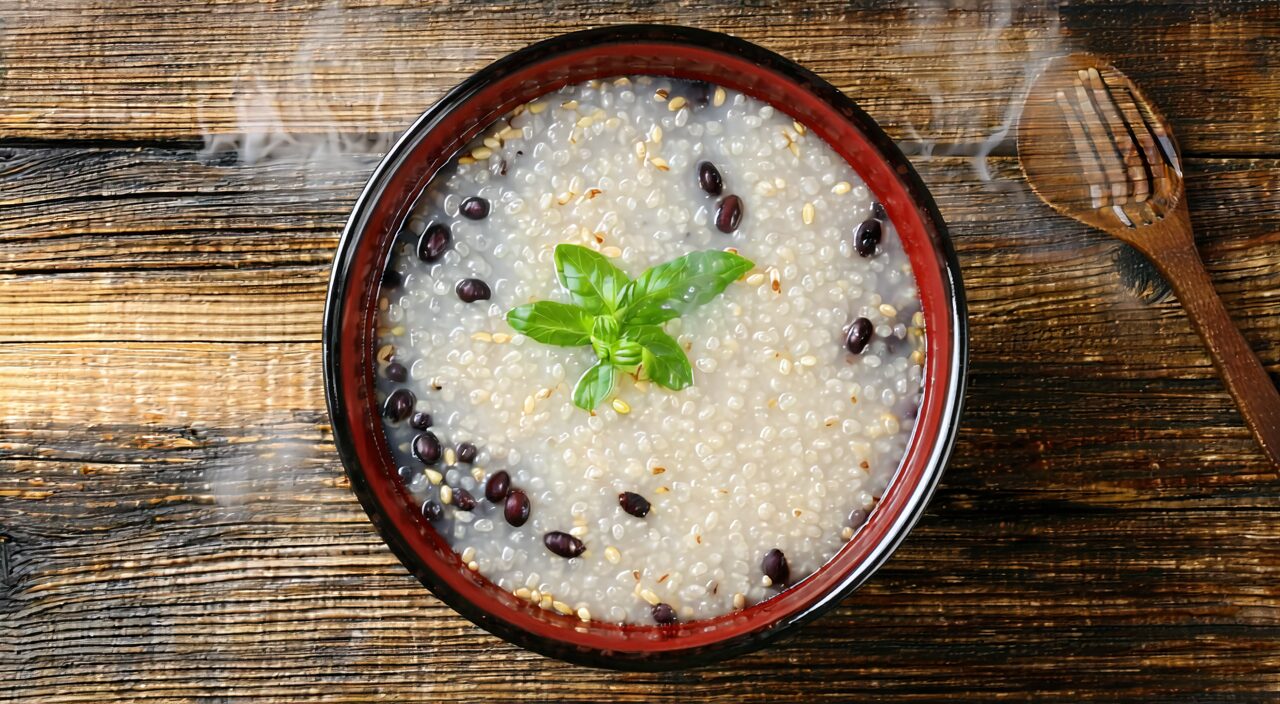
- Appropriately choose ingredients traditionally considered helpful for strengthening the spleen and draining dampness, such as coix seed (yi yi ren), adzuki bean (chi xiao dou), hyacinth bean (bai bian dou), poria (fu ling), Chinese yam (shan yao), winter melon, and tangerine peel, but pair them according to cold or heat properties.
- For a cold-dampness constitution, consider using ginger, tangerine peel, and dry-fried coix seed to make tea or add to meals; for damp-heat, adzuki bean, mung bean, and winter melon can be added while reducing spicy and greasy foods.
Lifestyle aspects:
- It is very important to keep the living environment dry and ventilated, especially the bedroom and kitchen.
- Moderately increase physical activity to gently sweat, which helps qi flow and dispels dampness evil. Tai Chi, Ba Duan Jin (Eight Brocades), and brisk walking are all good choices.
- Avoid prolonged sitting; stand up and move around about every hour of work.
- Be careful not to exercise outdoors during periods of excessive dampness at night, and dry off promptly after sweating.
Emotional regulation should not be overlooked. Overthinking harms the spleen. Long-term mental stress or excessive worrying affects spleen-stomach transportation functions. Therefore, learning to relax and ensuring adequate but not excessive sleep are also beneficial for dispelling dampness.
When to Seek Prompt Medical Attention
The presentation of dampness stagnation is not always simple. If the heavy body sensation and thick greasy tongue coating do not improve over a long period, or are accompanied by any of the following, it is advisable to consult a doctor or a professional medical institution promptly:
- Obvious swelling of the face or lower limbs;
- Yellowing of the skin or eyes;
- Markedly reduced urine output or excessive foamy urine;
- Persistent abdominal distension and pain or a palpable mass;
- Unexplained weight loss in a short period.
These may indicate dysfunction of vital organs such as the liver, kidneys, or heart, and should not be simply treated as dampness stagnation. Moreover, severe, recurrent bodily heaviness accompanied by significant anxiety, depression, palpitations, chest tightness, or difficulty breathing also requires professional help to avoid delay.
Summary
Dampness stagnation syndrome is not uncommon in modern life. Manifestations such as heavy body, thick greasy tongue coating, and sticky stools are often related to diet, environment, and spleen-stomach functional status. This article has outlined the causes and typical manifestations of dampness stagnation, with an emphasis on distinguishing between cold-dampness and damp-heat, as the regulation approaches for the two are not the same.
Patent medicines such as Er Chen Wan, Huo Xiang Zheng Qi Wan, Ping Wei San, and Mu Xiang Shun Qi Wan each have their own emphasis and can serve as references for understanding TCM dampness-dispelling approaches. However, specific choices should still be made based on individual constitution, product instructions, and professional opinions. Diet and lifestyle adjustments are the foundation of dispelling dampness. When edema, jaundice, prolonged non-improvement, or severe discomfort occurs, medical help must be sought rather than self-managing.