
Who Is Tian Wang Bu Xin Dan Suitable For? Composition, Benefits, and Precautions

Many people begin to pay attention to traditional Chinese herbal formulas for calming the mind due to irritability, insomnia, heart palpitations, and forgetfulness. Tian Wang Bu Xin Dan is a name that is often mentioned. Its application is not solely directed at simply “not being able to sleep”; rather, it is more focused on a constitutional background of insufficient yin and blood with internal disturbance of deficiency heat. For those who want to understand whether this approach might be suitable for them, one can start by looking at its composition, traditional functions, suitable presentations, and contraindications to form a more complete understanding.
From What Angles Does Tian Wang Bu Xin Dan Mainly Exert Its Effects
In traditional Chinese medicine theory, Tian Wang Bu Xin Dan is often categorized in the direction of nourishing yin, enriching the blood, supplementing the heart, and calming the spirit.
The core pathogenesis it addresses is deficiency of heart and kidney yin and blood, mixed with deficiency fire flaring upward. In other words, the focus is not on forcibly “tranquilizing the spirit,” but on supplementing the material foundation—that is, yin and blood—so that the floating heart spirit can naturally settle down.
Therefore, this type of formula is often not simply aimed at “insomnia,” but considers whether the body is showing an overall trend toward yin deficiency with internal heat. Understanding this point is very helpful for judging whether one might fall within the potentially suitable range.
Main Composition and the General Direction of Each Medicinal Ingredient
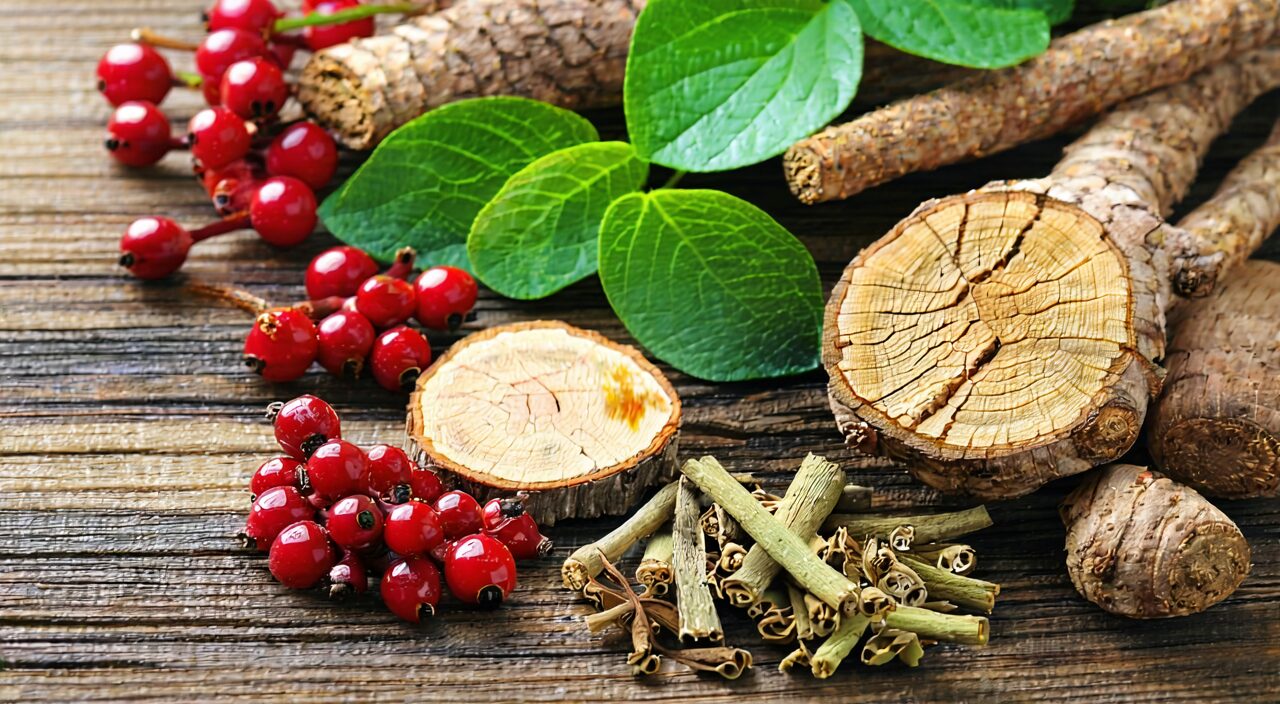
Understanding the composition can help us better grasp the overall bias of the formula. Tian Wang Bu Xin Dan is composed of a combination of multiple medicinal ingredients, each having its own role in traditional thinking, collectively pointing towards nourishing yin, enriching the blood, calming the spirit, and clearing heat.
| Medicinal Ingredient | Common Traditional Understanding of Its Direction |
|---|---|
| Sheng Di Huang (Rehmannia Root, raw) | Nourishes yin and cools the blood, serving as the foundation of the entire formula for nourishing yin and clearing heat. |
| Xuan Shen (Scrophularia Root) | Nourishes yin and subdues fire, assisting Sheng Di Huang in addressing deficiency fire flaming upward. |
| Mai Dong (Ophiopogon Tuber) | Nourishes yin, moistens the lungs, and clears the heart; often used for irritability caused by insufficient yin fluids. |
| Tian Dong (Asparagus Tuber) | Nourishes yin and moistens dryness, strengthening the yin-nourishing power. |
| Dan Shen (Salvia Root) | Nourishes the blood and invigorates its flow, preventing the yin-nourishing herbs from causing stagnation. |
| Dang Gui (Angelica Root) | Nourishes and harmonizes the blood; often used for heart spirit restlessness caused by blood deficiency. |
| Ren Shen (Ginseng) | Supplements heart qi, providing qi support on top of the blood-nourishing foundation. |
| Fu Ling (Poria) | Calms the heart and spirit, while also strengthening the spleen to assist in generation and transformation. |
| Suan Zao Ren (Sour Jujube Seed) | Nourishes the heart and benefits the liver, calms the spirit; a commonly used medicinal for the direction of calming the spirit. |
| Bai Zi Ren (Arborvitae Seed) | Nourishes the heart and calms the spirit, moistens the intestines; synergizes with Suan Zao Ren to calm the spirit. |
| Yuan Zhi (Polygala Root) | Calms the spirit and benefits the intellect, facilitating communication between the heart and kidneys. |
| Wu Wei Zi (Schisandra Fruit) | Astringes and consolidates, supplements qi and generates fluids; helpful for astringing heart qi. |
| Zhu Sha (Cinnabar) | Clears the heart and calms the spirit (in traditional usage, often used as a coating or in small amounts; modern application requires strict adherence to regulations). |
| Jie Geng (Platycodon Root) | Directs the medicine upward, guiding the medicinal force to act on the upper burner. |
Looking at the composition, the formula contains a significant amount of yin-nourishing herbs as well as blood-nourishing and spirit-calming herbs, supplemented by small amounts of qi-supplementing, qi-moving, and channel-guiding herbs. The overall nature is sweet, cold, and moistening; therefore, constitutions with heavy dampness or insufficient yang qi are generally not within the priority consideration range.
What Presentations Tian Wang Bu Xin Dan Might Be Suitable For

Traditionally, this type of formula is often used for heart spirit problems caused by “yin deficiency with blood insufficiency and internal disturbance of deficiency fire.” Discussions surrounding the question “Who is Tian Wang Bu Xin Dan suitable for?” mostly focus on the following types of presentations.
Irritability and Insomnia, Especially Difficulty Falling Asleep, Dream-Disturbed Sleep, and Waking Easily
Not all types of insomnia are suitable; here, it leans more towards insomnia due to insufficient yin fluids and deficiency fire flaming upward, leading to the heart spirit not being anchored. Common presentations include:
- Difficulty falling asleep, excessive dreaming and waking easily, light and restless sleep
- Feeling of heat and vexation in the heart, hot palms and soles
- Dry mouth and throat, tongue tends to be red with scant fluids
Heart Palpitations and Forgetfulness, Difficulty Concentrating
When heart blood is insufficient and the heart itself lacks proper nourishment, the following situations often occur:
- Palpitations with restlessness, memory decline
- Difficulty concentrating on tasks, poor mental state
- Often accompanied by signs leaning toward yin deficiency, such as a red tongue with little coating and a thin, rapid pulse
Traditionally, it has been approached from the perspective of supplementing heart blood and nourishing heart yin.
Dry Mouth and Throat, Tendency to Develop Sores in the Mouth or on the Tongue
Deficiency fire floating upward can also manifest in the mouth and throat:
- Obvious sensation of dryness in the mouth and throat
- Recurrent mouth ulcers, usually not intensely painful but lingering and difficult to heal
- Accompanying deficiency heat signs such as hot palms and flushed cheekbones
Deficiency Heat Night Sweats, Afternoon Tidal Heat Sensation
The emphasis here is on “deficiency heat,” not excess fire:
- Body temperature is often not high, but there is a feeling of heat in the afternoon or at night
- Sweating after falling asleep, which stops upon waking (night sweats)
- These presentations may suggest a state where yin fails to restrain yang
It must be specifically noted that the above presentations are only empirical summaries from a traditional perspective and cannot be used as criteria for self-diagnosis. Whether this direction is appropriate requires a comprehensive assessment including tongue and pulse examination by a professional.
What Situations Might Not Be Suitable for Tian Wang Bu Xin Dan
Understanding unsuitable situations is often more important than knowing “what it is suitable for.” The following types of people or presentations are generally not within the traditional priority consideration scope for Tian Wang Bu Xin Dan.
People with a Predominance of Phlegm-Dampness or Weak Spleen and Stomach
Tian Wang Bu Xin Dan tends to be cloying and moistening overall. If you usually have the following presentations, they often fall under phlegm-dampness encumbering the spleen or spleen deficiency generating dampness:
- Thick, greasy tongue coating, sticky and unformed stools
- Poor appetite, abdominal fullness
- Heavy body sensation, easy fatigue and sleepiness
In such cases, excessive use of yin-nourishing herbs might increase the burden on the spleen and stomach and accumulate dampness, making it unsuitable for standalone use.
People with a Yang Deficiency Constitution or Pronounced Cold Aversion
Presentations leaning toward yang deficiency indicate a lack of warming force in the body:
- Cold hands and feet, aversion to cold with a preference for warmth
- Listlessness, cold pain in the lower back and knees
- Loose stools, clear and copious nighttime urination
Tian Wang Bu Xin Dan’s sweet, cold, and yin-nourishing direction contradicts a yang deficiency constitution and is not suitable for use.
During Acute Infection or Cold/Fever Periods
When the body is dealing with external pathogenic factors, showing excess-type manifestations like fever, chills, and sore throat, one should not casually use tonifying formulas to avoid assisting the pathogen.
Special Populations
Situations are more complex for those during pregnancy, breastfeeding, children, and friends with chronic medical histories. If considering the use of this type of formula, it is essential to do so under the guidance of a professional doctor and not make self-judgments.
Additionally, if symptoms such as insomnia and palpitations have persisted for a long time, or are accompanied by significant anxiety, depression, chest tightness, chest pain, breathing difficulties, or dizziness/falls, seeking medical attention should be prioritized to rule out other causes, rather than relying solely on mind-calming formulas.
A Brief Comparison with Similar Formulas
Many friends have difficulty distinguishing Tian Wang Bu Xin Dan from Gui Pi Tang, Suan Zao Ren Tang, Bai Zi Yang Xin Wan, and Zhi Bai Di Huang Wan. Here is a general overview based solely on their traditional intent and focus.
Differences Between Tian Wang Bu Xin Dan and Gui Pi Tang
| Comparison Item | Tian Wang Bu Xin Dan | Gui Pi Tang |
|---|---|---|
| Core Idea | Nourish yin and enrich blood, clear deficiency heat and calm the spirit | Supplement heart and spleen, boost qi and generate blood |
| Main Pathogenesis | Deficiency of heart and kidney yin and blood, deficiency fire disturbing upward | Heart-spleen dual deficiency, qi and blood insufficiency |
| Common Presentation Focus | Irritability/insomnia, dry mouth/throat, night sweats, palpitations | Poor appetite, fatigue/weakness, sallow complexion, pale/light menstrual flow |
| Tonifying Nature | Leans toward yin and blood with concurrent clearing of deficiency heat | Leans toward dual supplementation of qi and blood |
Simply put, one focuses on dual supplementation of qi and blood, while the other focuses on yin and blood with simultaneous clearing.
Differences Between Tian Wang Bu Xin Dan and Suan Zao Ren Tang
| Comparison Item | Tian Wang Bu Xin Dan | Suan Zao Ren Tang |
|---|---|---|
| Core Direction | Nourish yin, enrich blood, calm heart spirit | Nourish blood, calm spirit, clear heat, relieve irritability |
| Focus of Disease Location | Mainly heart-kidney yin deficiency | Liver blood insufficiency, deficiency heat disturbing internally |
| Fluid Manifestations | Dry mouth/throat, night sweats are more obvious | Fluid depletion is generally not prominent |
| Emotional Character | Irritability/palpitations, restless sleep | Agitated insomnia, emotionally prone to tension |
Tian Wang Bu Xin Dan has stronger yin-nourishing power, suitable for situations where fluid insufficiency presentations are more prominent.
Differences Between Tian Wang Bu Xin Dan and Bai Zi Yang Xin Wan
| Comparison Item | Tian Wang Bu Xin Dan | Bai Zi Yang Xin Wan |
|---|---|---|
| Medicinal Nature Bias | Leans toward cool and moistening (nourish yin, clear heat) | Leans toward warm and nourishing (supplement qi, warm yang) |
| Suitable Constitution | Yin deficiency with internal heat | Heart qi deficiency cold |
| Typical Manifestations | Irritability/sleeplessness, dry mouth, night sweats | Easily startled, mental confusion, aversion to cold |
One leans toward warm nourishment, the other toward cool moistening; the conceptual difference is significant.
Differences Between Tian Wang Bu Xin Dan and Zhi Bai Di Huang Wan
| Comparison Item | Tian Wang Bu Xin Dan | Zhi Bai Di Huang Wan |
|---|---|---|
| Core Action | Emphasizes both nourishing yin/blood and calming spirit | Nourishes kidney yin, clears ministerial fire |
| Spirit-Calming Strength | Relatively strong, directly targets heart spirit restlessness | Less prominent, focuses on lower burner yin deficiency |
| Typical Application Direction | Primarily palpitations, insomnia, forgetfulness | Lower burner presentations like tidal heat, night sweats, five-center heat |
Tian Wang Bu Xin Dan is equipped with more spirit-calming medicinal ingredients alongside nourishing yin, making heart spirit restlessness a more primary indication.
The conceptual framework of each type of formula has its own historical background and scope of application. In practical selection, one cannot simply match based on symptom names; it requires a comprehensive consideration of constitution and current state.
Summary
As a traditional mind-calming formula, Tian Wang Bu Xin Dan’s main approach lies in nourishing yin, enriching blood, supplementing the heart, and calming the spirit. It is often used in directions such as irritability and insomnia, palpitations and forgetfulness, dry mouth and throat, and deficiency heat night sweats caused by deficiency of heart and kidney yin and blood with deficiency fire disturbing upward. Its composition is biased towards sweet, cold, and moistening; therefore, people with heavy dampness, yang deficiency, or spleen-stomach weakness are generally not suitable, and it is even less appropriate during acute external contraction conditions.
Compared with formulas such as Gui Pi Tang, Suan Zao Ren Tang, Bai Zi Yang Xin Wan, and Zhi Bai Di Huang Wan, Tian Wang Bu Xin Dan strikes its own balance between nourishing yin and enriching blood and calming the spirit and stabilizing the mind, but their respective suitable scenarios are quite different. Readers interested in these formulas can explore them under professional guidance by combining their constitutional characteristics and specific presentations, avoiding self-diagnosis based on a single symptom.
This article only provides traditional knowledge education and cannot replace professional diagnosis or treatment advice. If you have severe, long-term, or symptoms accompanied by other significant discomforts, it is recommended to consult a doctor or relevant professional promptly.