
Who is Xuefu Zhuyu Decoction Suitable For? Composition, Functions, and Contraindications

Xuefu Zhuyu Decoction is a name many people interested in Chinese medicine hear. Whether it is suitable for oneself, what it primarily addresses, and what its contraindications are, often troubles those just beginning to explore the approach of invigorating blood and resolving stasis. From the traditional perspective of Chinese medicine, this article will systematically sort out the composition of Xuefu Zhuyu Decoction, its direction of action, situations where it is and is not suitable, and its differences from several similar formulas, helping you make a more rational judgment after learning more and combining it with professional opinions.
The Origin and Formulation Approach of Xuefu Zhuyu Decoction
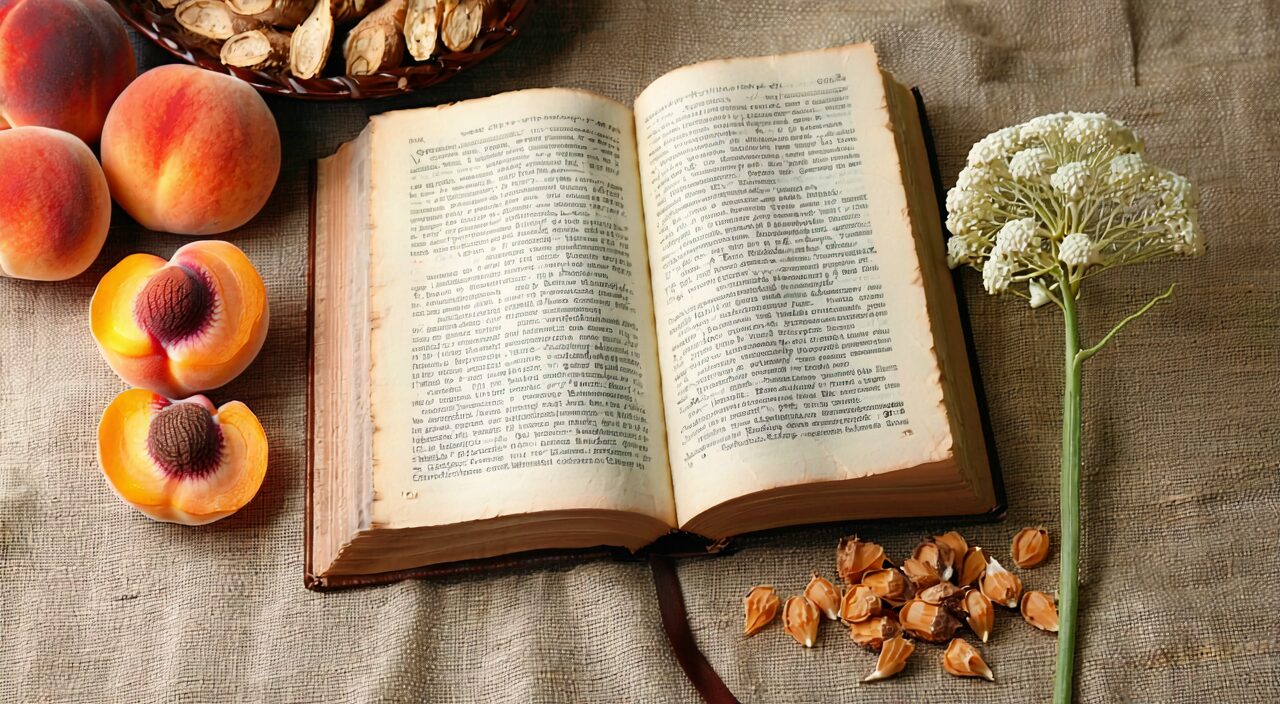
Xuefu Zhuyu Decoction originates from Wang Qingren’s Yi Lin Gai Cuo (Corrections of Errors in the Medical Forest) in the Qing Dynasty, and it is a representative formula among the blood-activating and stasis-resolving category. In this book, Wang Qingren created a series of Zhuyu (stasis-expelling) decoctions, and Xuefu Zhuyu Decoction was specifically designed for “blood stasis in the blood chamber of the chest.”
Traditional Chinese medicine holds that the chest region is a vital hub for the circulation of qi and blood. Once stagnant blood lodges there, the ascending and descending of qi are obstructed, which may lead to chest pain, chest tightness, headaches, and certain emotional manifestations.
This formula can be seen as built upon the foundation of Taohong Siwu Tang, with the addition of herbs such as Chaihu (Bupleurum), Zhiqiao (Bitter Orange), Jiegeng (Platycodon), and Niuxi (Achyranthes), so that the whole formula simultaneously attends to moving qi while invigorating blood, utilizing both ascending and descending actions. Many TCM practitioners describe it as “activating blood without consuming blood, and moving qi without damaging qi,” which precisely illustrates the meticulousness of its combination.
Composition (referenced from the original prescription in Yi Lin Gai Cuo)
Below is a common reference composition. In practical application, dosage and modifications must be adjusted according to individual pattern types, and it cannot be directly copied.
| Medicinal | Common action direction |
|---|---|
| Tao Ren (Peach Kernel) | Invigorates blood and dispels stasis, moistens the intestines and promotes bowel movements |
| Hong Hua (Safflower) | Invigorates blood and unblocks channels, disperses stasis and relieves pain |
| Dang Gui (Chinese Angelica Root) | Tonifies and invigorates blood, regulates menstruation and alleviates pain |
| Sheng Di Huang (Rehmannia Root) | Cools blood and clears heat, nourishes yin and generates fluids |
| Chuan Xiong (Sichuan Lovage Root) | Invigorates blood and moves qi, dispels wind and relieves pain |
| Chi Shao (Red Peony Root) | Clears heat and cools blood, disperses stasis and relieves pain |
| Niu Xi (Achyranthes Root) | Expels stasis and unblocks channels, guides blood downward |
| Jie Geng (Platycodon Root) | Opens and disperses lung qi, carries medicine upward |
| Chai Hu (Bupleurum) | Soothes the liver and relieves depression, lifts yang qi |
| Zhi Qiao (Bitter Orange) | Regulates qi and loosens the center, moves stagnation and reduces distention |
| Gan Cao (Licorice) | Harmonizes all the medicinals |
From the table, it can be seen that the whole formula combines blood-invigorating herbs and qi-moving herbs, attending to the dissipation of blood stasis while emphasizing the smooth flow of qi, embodying the concept that “when qi moves, blood moves.”
The Action Direction and Common Body Signs of Xuefu Zhuyu Decoction

When Chinese medicine considers whether Xuefu Zhuyu Decoction is suitable, it often starts from the core pathogenesis of “qi stagnation and blood stasis,” and particularly pays attention to manifestations of blood stasis obstruction in the chest and hypochondriac region. The following categories of states traditionally considered possibly related are only for understanding purposes, and do not imply that one can use it on their own.
- Chronic chest pain and chest tightness: The pain location is relatively fixed, often like a needle prick, more pronounced at night or when emotions are disturbed.
- Persistent, unremitting headache: The pain location is fixed, sometimes accompanied by decreased memory and shallow sleep.
- Palpitations, heart unrest: Or hiccups and retching, without obvious organic changes detected, while the tongue body is darkish, even with stasis spots or patches.
- Impeded menstrual flow in women: Menstrual abdominal pain, scanty menstruation, dark color with blood clots.
- Dim complexion and lip color: The face looks dark and lusterless, lip color tends to purple-dark, the skin is dry and rough, and some areas even appear scaly and dry.
The above manifestations involve the mutual influence of blood stasis and qi stagnation, but having one or two of these signs does not necessarily mean Xuefu Zhuyu Decoction is suitable. The tongue appearance, pulse condition, and overall constitution all need to be comprehensively considered. The safest approach is to ask a professional to assist in the judgment.
Unsuitable Populations and Contraindications for Use
Not everyone with blood stasis is suitable for Xuefu Zhuyu Decoction. The following types of situations are generally advised to be avoided, or would only be considered under extremely cautious evaluation:
- Pregnancy: In the formula, Tao Ren (Peach Kernel), Hong Hua (Safflower), Niu Xi (Achyranthes), and other herbs are traditionally considered to have notable activating and channel-unblocking effects, and are generally avoided during pregnancy.
- People with bleeding tendencies: Such as those with heavy menstrual bleeding, gastrointestinal ulcer bleeding, purpura, or those taking anticoagulant medications. Blood-activating and stasis-resolving medicinals may increase the risk of bleeding.
- Those with pronounced qi and blood deficiency: If the complexion is pale, speech is weak, there is palpitation and shortness of breath, and signs of blood stasis are not prominent, using a formula that leans toward attacking and expelling stasis alone may further consume qi and blood.
- Acute chest pain without a clear diagnosis: For sudden, severe chest pain, acute problems of the heart, lungs, etc., must first be ruled out. One must not casually use blood-invigorating and qi-moving formulas to self-regulate.
- People with special constitutions: Such as those with allergic constitution, liver or kidney insufficiency, or the elderly and weak; use of any formula requires professional guidance.
Furthermore, the whole formula tends to be acrid, dispersing, warm, and unblocking, and is not suitable for long-term, large-dose use. Even in traditional cases where it corresponds to the pattern, the principle of “stop when the disease is half cured” is often followed, and it will not be used indefinitely.
Differences from Similar Formulas
Many people tend to mix up Xuefu Zhuyu Decoction with Guizhi Fuling Wan, Taohong Siwu Tang, Chaihu Shugan San, and Buyang Huanwu Tang. Here, based on traditional pharmacological characteristics, we help you see the focus of each clearly.
| Comparison Formula | Xuefu Zhuyu Decoction Emphasis | The Other Formula’s Emphasis |
|---|---|---|
| Guizhi Fuling Wan | Blood stasis in the chest, upper and middle jiao; invigorates blood and moves qi equally | Blood stasis in the lower jiao; warm, gentle, and slow resolution; commonly used for gynecological masses |
| Taohong Siwu Tang | Blood stasis with qi stagnation; strong action in moving qi, ascending and descending | Nourishes and invigorates blood, tends toward supplementation; suitable for blood deficiency with mild stasis |
| Chaihu Shugan San | Prominent blood stasis manifestations, pain is fixed like needle prick | Qi stagnation predominates; distending pain in the hypochondriac region, obvious emotional influence |
| Buyang Huanwu Tang | Qi stagnation and blood stasis without obvious qi deficiency | Qi deficiency with blood stasis; heavily uses Huang Qi (Astragalus) to tonify qi and unblock collaterals |
Xuefu Zhuyu Decoction vs. Guizhi Fuling Wan
Both formulas are used to invigorate blood and resolve stasis, but the disease location and approach differ. Xuefu Zhuyu Decoction focuses on blood stasis in the chest, upper and middle jiao, emphasizing an equal balance of blood-invigorating and qi-moving. It is commonly associated with chest pain, headache, and emotional depression. Guizhi Fuling Wan originates from the Jin Gui Yao Lue (Synopsis of the Golden Chamber) and leans toward warm, gentle, and slow resolution of stasis. It is often used for lower jiao blood stasis conditions, such as gynecological masses, dysmenorrhea, and uterine fibroids, with a relatively milder action. In practical application, it is still necessary to differentiate based on specific syndromes.
Xuefu Zhuyu Decoction vs. Taohong Siwu Tang
Taohong Siwu Tang can be seen as one of the foundational formulas for Xuefu Zhuyu Decoction. It is composed of Siwu Tang with Tao Ren and Hong Hua added, focusing on nourishing and invigorating blood, and its nature tends toward supplementation. On top of this, Xuefu Zhuyu Decoction adds qi-layer herbs like Chaihu, Zhiqiao, Jiegeng, and Niuxi, making its action in moving qi, ascending, and descending much stronger, thus more suitable for situations where blood stasis and qi stagnation are equally pronounced. If it is merely blood deficiency with mild stasis, such as scanty and pale menstruation, and a sallow complexion, traditionally the approach of Taohong Siwu Tang may be considered first.
Xuefu Zhuyu Decoction vs. Chaihu Shugan San
Chaihu Shugan San mainly soothes the liver and regulates qi, with a certain blood-invigorating and pain-relieving effect. It primarily addresses distending pain in the hypochondriac region, chest oppression, and emotional unrest caused by qi stagnation. If the chest and hypochondriac pain is mainly distending, feeling better after sighing, and emotional influence is obvious, while blood stasis signs are not severe, it is generally understood from the qi stagnation direction. Xuefu Zhuyu Decoction is more suitable for states where the pain is fixed and needle-like, the tongue is purple-dark, and other blood stasis manifestations are prominent. The two are sometimes used in combination according to the situation, but the basic pathogenesis is not equivalent.
Xuefu Zhuyu Decoction vs. Buyang Huanwu Tang
Buyang Huanwu Tang also comes from Yi Lin Gai Cuo, designed by Wang Qingren for qi deficiency with blood stasis. This formula heavily uses raw Huang Qi (Astragalus) to greatly tonify original qi, combined with a small amount of blood-invigorating and collateral-unblocking herbs. Traditionally, it is mostly used for post-stroke sequelae, hemiplegia, and facial deviation, conditions where blood circulation is impeded due to insufficient qi to propel it. Xuefu Zhuyu Decoction does not particularly emphasize tonifying qi; it is suitable for situations where both qi stagnation and blood stasis are relatively pronounced, but there is not yet significant qi deficiency. The emphasis of the two formulas differs greatly, and they should not replace each other.
The Right Approach to Traditional Formulas
As a long-standing classical formula, Xuefu Zhuyu Decoction is still considered in the regulation of qi stagnation and blood stasis related conditions. However, it must be clearly understood that the suitability of any formula is built on accurate pattern differentiation. The adaptability and safety of the same person may be entirely different at different stages.
When living abroad and learning about such traditional formulas, one can regard them as a window to understand the relationship between “stasis” and “qi.” At the same time, it is necessary to make rational judgments by combining the surrounding environment, lifestyle habits, and the actual condition of the body. Especially when the body presents with persistent pain, unexplained chest tightness, black stools, significant weight loss, and other signals, it is advisable to prioritize modern medical evaluation rather than first considering self-medication with a certain formula.
Summary
Xuefu Zhuyu Decoction is a classic formula for invigorating blood, resolving stasis, moving qi, and relieving pain. Traditionally, it is often used for various manifestations of chest blood stasis with concurrent qi stagnation, such as chest pain, chronic headache, dark tongue with stasis spots, etc. However, it is not suitable for everyone. Pregnancy, bleeding tendencies, qi and blood deficiency, and acute chest pain all require great caution.
Compared with formulas such as Guizhi Fuling Wan, Taohong Siwu Tang, Chaihu Shugan San, and Buyang Huanwu Tang, each has its own emphasis and they cannot substitute for one another. The value of understanding Xuefu Zhuyu Decoction lies in gaining a clearer recognition of the TCM pathogenesis of “qi stagnation and blood stasis,” rather than blindly applying a formula name. Any approach to regulation is recommended to be comprehensively judged by combining personal constitution, reliable product instructions, and professional advice; one should never decide to use it based solely on a single symptom.