
How to Address Postpartum Obesity? Qi and Blood Deficiency and Phlegm-Dampness from a TCM Perspective

After giving birth, many new mothers find that their weight barely drops, their abdomen still looks months pregnant, they get exhausted from even mild activity, and their hands and feet often feel swollen — these are common postpartum struggles.
Even though breastfeeding increases energy expenditure, why isn’t the weight coming off? From a traditional Chinese medicine (TCM) perspective, postpartum obesity is not simply a matter of “eating too much and moving too little”; it is closely related to profound changes in the body’s state after childbirth.
Postpartum weight gain is more than just extra pounds
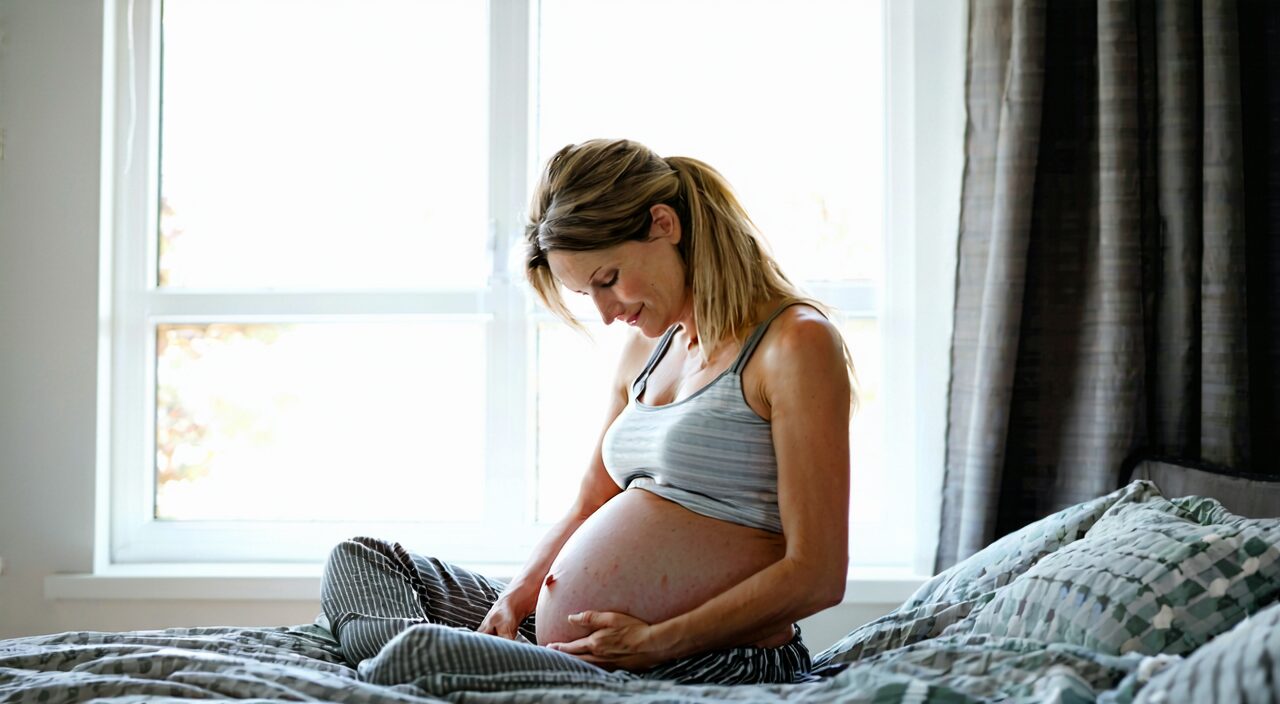
Postpartum obesity has a distinctive physiological background. Childbirth is a process that greatly depletes qi and blood; whether vaginal delivery or cesarean section, it leaves the body in a relatively deficient state. Many mothers are well cared for during the postpartum confinement period, with continuous high-calorie, highly nutritious foods, but the body’s transformative and transportive abilities may not keep pace, often leading to a situation where the weak body cannot properly absorb the nourishment.
When qi and blood are insufficient and organ functions are weakened, water-dampness and metabolic waste struggle to be eliminated. Combined with reduced activity during lactation, fragmented sleep, and emotional fluctuations, weight tends to linger. This type of obesity often presents with:
- Slow weight loss, or even weight gain
- Soft, flabby abdomen with loose skin and muscles
- Prone to edema, especially in the lower limbs and eyelids
- Shortness of breath and fatigue, easily sweating with slight exertion
- Sometimes loose or sticky stools
These symptoms are closely associated with what TCM describes as “qi deficiency,” “spleen deficiency,” and “phlegm-dampness.”
Understanding the two main TCM perspectives on postpartum obesity
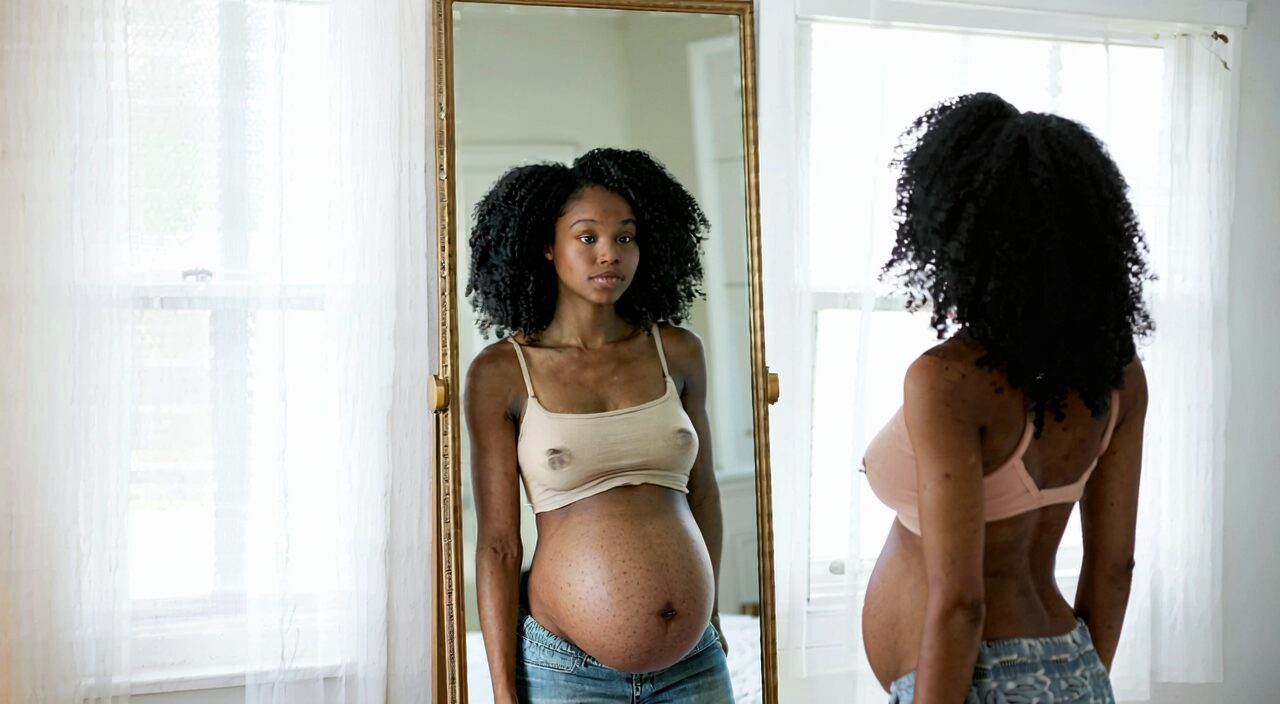
Qi and blood deficiency: insufficient driving force
Most postpartum women experience varying degrees of qi and blood deficiency. Qi provides propelling and warming functions; when qi is insufficient, the body’s metabolic processes are like a machine lacking power, and waste and dampness tend to stagnate. Blood deficiency affects nourishment, leading to a pale or sallow complexion, dizziness, and light sleep.
Much postpartum obesity may appear as excess flesh, but in reality the muscles are soft and lack elasticity; this is a visible sign that qi and blood are not adequately filling the body’s form. At this stage, solely relying on dieting or high-intensity exercise may worsen the qi and blood deficiency, exacerbate fatigue, and even affect milk production.
Spleen transportation dysfunction and phlegm-dampness accumulation
The spleen governs the transformation and transportation of water-dampness, acting as the body’s core hub for processing fluids and nutrients. After childbirth, the body is weak and spleen qi tends to be insufficient. Combined with the rich, greasy, and nourishing soups common during confinement, if the spleen’s transportation ability cannot keep up, water-dampness accumulates internally. Over time, this gathered dampness transforms into sticky, turbid phlegm-dampness, which deposits under the skin, in the abdomen, and around the internal organs, forming the hard-to-lose “phlegm-dampness type obesity.”
Characteristics of phlegm-dampness type obesity include:
- Bloated, soft body shape with a large, soft abdomen
- Oily skin and a thick, greasy tongue coating
- Sticky stools that cling to the toilet bowl
- Often feeling heavy and sluggish
This condition is not uncommon after childbirth, and it is especially evident in mothers living in humid southern regions or those fond of sweet and greasy foods.
The influence of lactation nutrition and hormonal fluctuations
Lactation requires adequate nutrition to ensure milk quality, but under the influence of traditional beliefs, many families tend to over-supplement. When the intake of rich, cloying foods exceeds the body’s transformative capacity, it further burdens the spleen. Moreover, the dramatic postpartum hormonal shifts can easily affect mood and metabolic rhythm, posing a challenge to weight stability.
Principles for regulating postpartum obesity: gentle recovery without haste
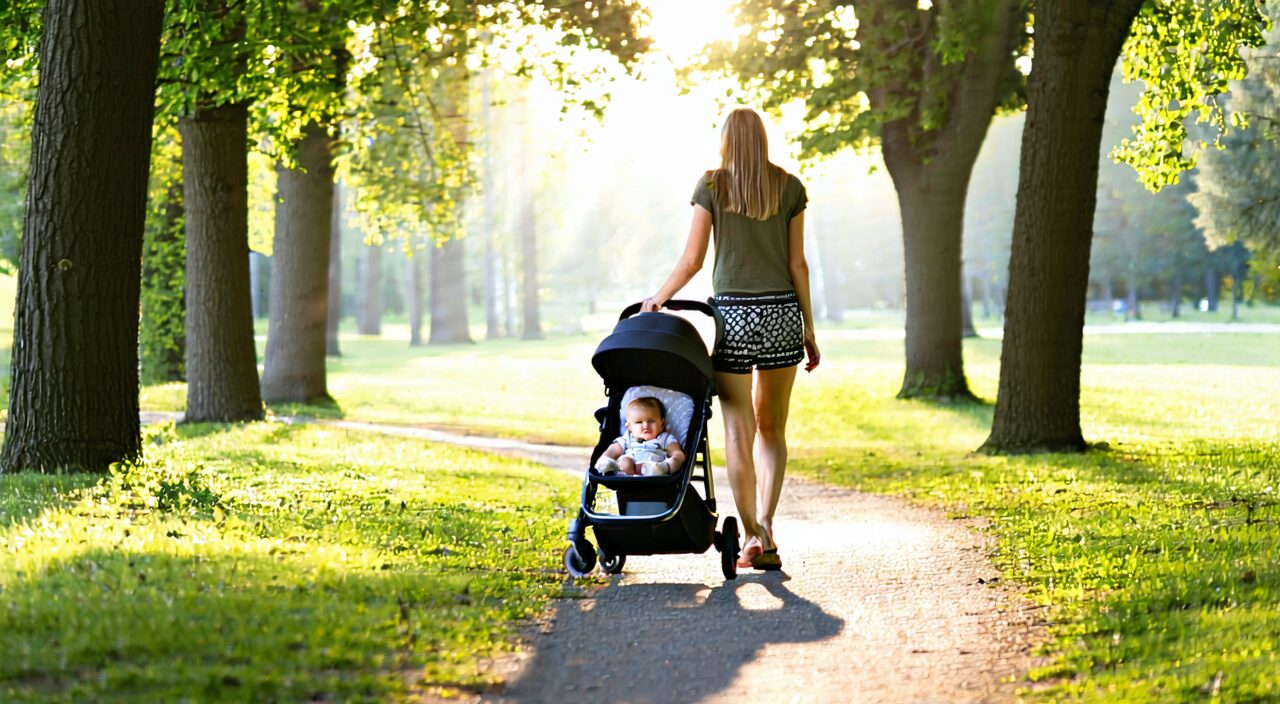
The postpartum period is a special recovery phase that requires caring for the newborn while also focusing on self-repair; therefore, any weight-loss approach must prioritize safety and sustainability. TCM often emphasizes “reinforcing with unblocking, combining dissipation and tonification” when regulating this stage.
Replenishing qi and nourishing blood to build a foundation
For mothers who clearly feel qi deficiency, fatigue, and have thin breast milk, the focus of regulation can be on replenishing qi and nourishing blood. Once qi and blood are abundant, the body will have the capacity to drive the transportation of water-dampness and the elimination of waste. Adequate sleep and emotional stability themselves are important means of nourishing qi and blood.
In traditional practice, some medicinal and edible ingredients, such as Chinese yam, red dates, longan fruit, and goji berries, are often incorporated into daily meals. As for Chinese patent medicines, extreme caution is needed; especially before using any formula during lactation, one should thoroughly understand its ingredients and suitability.
Strengthening the spleen and transforming dampness to unblock fluid pathways
For patterns of spleen deficiency with exuberant dampness and phlegm-dampness accumulation, strengthening the spleen and assisting transportation is an important approach. By restoring the spleen’s normal function, water-dampness can be metabolized smoothly, and the sensation of “damp heaviness” and the soft, flabby body shape may gradually improve.
Common methods include mild exercise such as walking and postpartum recovery exercises, as well as dietary adjustments: reducing greasy and sweet foods, and moderately increasing light, dampness-draining ingredients such as winter melon, coix seed (take care with dosage during lactation), and white hyacinth beans.
Among traditional formulas, those like Shen Ling Bai Zhu San (Ginseng, Poria, and Atractylodes Macrocephala Powder) are commonly used to strengthen the spleen, replenish qi, drain dampness, and stop diarrhea. It is traditionally indicated for spleen deficiency with dampness, presenting with poor appetite, loose stools, shortness of breath, fatigue, and heavy body sensation. However, this formula contains ingredients such as ginseng, poria, and atractylodes; whether it is suitable during lactation and at what dosage depends on many factors and requires evaluation based on individual constitution and professional guidance.
Another common patent medicine direction is Jianpi Wan (Spleen-Strengthening Pill), which focuses more on strengthening the spleen and promoting digestion. It can be helpful for abdominal bloating and indigestion caused by spleen-stomach weakness and food stagnation. However, Jianpi Wan has different formulation variants; some contain bitter-cold ingredients like coptis, so breastfeeding mothers need to be cautious.
Paying attention to liver qi coursing to stabilize body and mind rhythm
Postpartum mood swings are very common. If one remains in a state of anxiety and depression for a long time, it easily leads to liver qi stagnation, which in turn affects the spleen’s transportation function — the so-called “liver depression and spleen deficiency.” Beyond weight retention, this may be accompanied by chest tightness, frequent sighing, low mood, and premenstrual breast distension and pain.
In traditional use, formulas like Xiaoyao Wan (Free and Easy Wanderer Pill) are often applied for liver depression and spleen deficiency patterns causing distending pain in the chest and hypochondrium, dizziness, and poor appetite. It works by soothing the liver, resolving depression, strengthening the spleen, and nourishing blood to help restore balance.
It is worth noting that the postpartum lactation period is a highly sensitive time, and the use of any formula requires extreme caution. Even if a formula is documented in classical texts, it does not mean it suits everyone at the moment, especially when still breastfeeding.
Whether it is Shen Ling Bai Zhu San, Jianpi Wan, or Xiaoyao Wan, they merely offer a direction for understanding and absolutely do not equate to ready-made postpartum weight-loss plans. Each person’s constitution varies greatly, and the same formula may have different emphases due to processing methods and ingredient proportions. One must thoroughly understand the product information and integrate professional advice before making any decision.
Approaches that need special attention
On the road to postpartum recovery, there are certain approaches that are not advisable to try blindly:
- Dieting immediately after childbirth: The postpartum body urgently needs repair, and breastfeeding requires stable nutrition. Strictly restricting calories at this time can easily worsen qi and blood deficiency, leading to fatigue, hair loss, and insufficient milk supply.
- High-intensity exercise: Before the pelvis and pelvic floor muscles have fully recovered, high-impact running, jumping, or abdominal training may pose unnecessary injury risks. It is recommended to start with gentle postpartum rehabilitation exercises.
- Self-administering diuretic or purgative Chinese herbs: Some herbs that promote water excretion or bowel movements may affect the baby through breast milk and easily deplete the body’s upright qi, making them unsuitable for postpartum regulation.
- Expecting rapid weight loss in a short time: Natural postpartum weight loss is a gradual physiological process; rapid weight loss often comes at the cost of excessive depletion of qi and blood, which is detrimental to long-term health.
Small gentle adjustments to incorporate into daily life
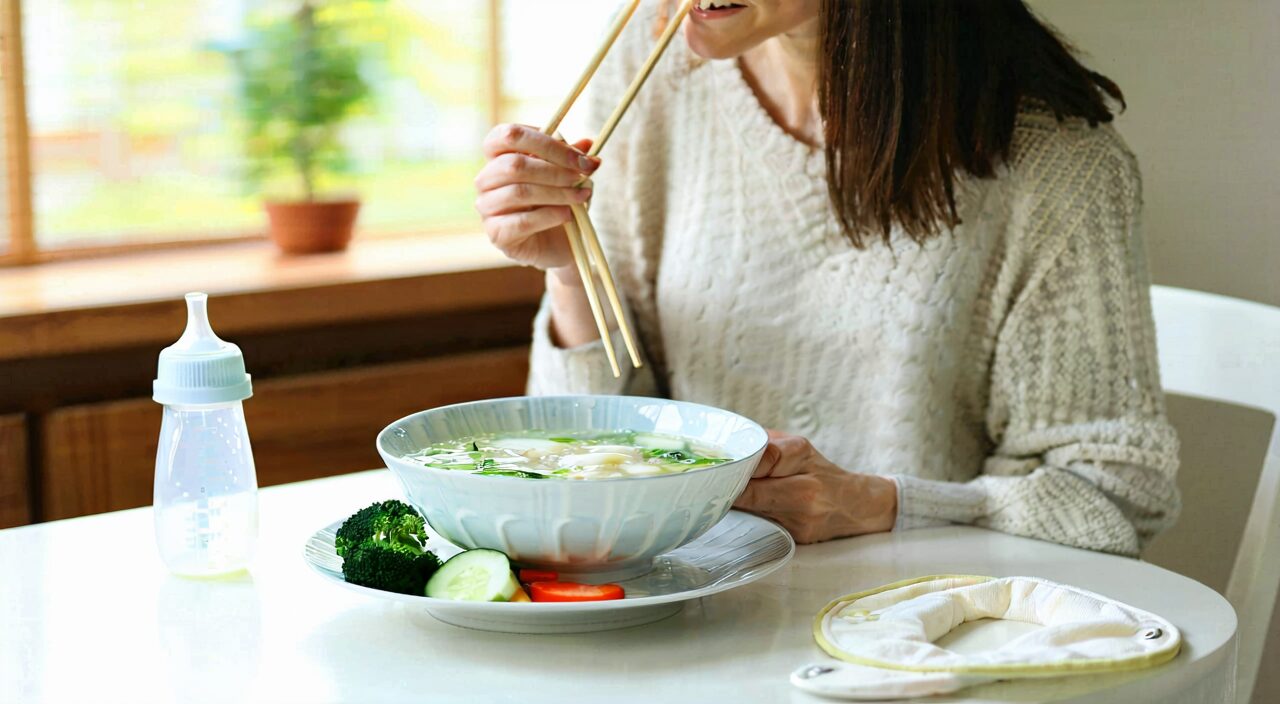
Without affecting breastfeeding and physical recovery, you can start with some daily details:
- Adjust eating sequence: Drink a small bowl of light soup before meals to increase satiety; eat vegetables and protein first, and carbohydrates last, which helps stabilize blood sugar.
- Chew thoroughly and eat slowly: Thorough chewing reduces the burden on the spleen and stomach and allows the satiety signal to reach the brain more promptly.
- Incorporate some body-friendly gentle activities: Postpartum walking, abdominal breathing, and gentle stretching all promote the circulation of qi and blood and the metabolism of water-dampness.
- Prioritize sleep: Even if fragmented, try to rest when the baby sleeps. The importance of sleep for qi and blood recovery is often greater than imagined.
These small, unremarkable habits may not immediately change the number on the scale, but with long-term persistence, they can help the body gradually find its rhythm again.
When to consult a professional
If postpartum obesity is accompanied by the following situations, it is advisable to consult a doctor as a priority:
- Weight continues to rise within six months to a year postpartum, disproportionate to diet and activity level.
- Accompanied by severe fatigue, aversion to cold, edema that does not subside for a long time, or palpitations and chest tightness.
- Persistent low mood, anxiety, or clear signs of depression.
- No improvement in weight or physical sensation despite adjusting diet and incorporating gentle activities.
These situations may involve endocrine issues, thyroid function, or other internal medical problems. It is necessary to rule out clear medical causes first before planning a regulation approach.
Summary
Postpartum obesity is not simply a figure issue; it often reflects a phased imbalance in qi, blood, organ functions, and water-dampness metabolism after childbirth. From a TCM perspective, qi and blood deficiency and phlegm-dampness accumulation may be the two core directions, and the focus of regulation is on gentle recovery rather than forceful confrontation.
Strengthening the spleen and transforming dampness, replenishing qi and nourishing blood, while also attending to emotional unblocking, are common traditional approaches in postpartum weight management. Whether adjusting daily diet or gaining a deeper understanding of certain traditional formulas, it should all be based on objective observation of one’s own condition and combined with professional judgment.
The most important thing is to give yourself and your body some time. Postpartum recovery is a gradual process, and any intervention should be gently advanced with the premise of ensuring the safety of both mother and baby and supporting smooth breastfeeding, rather than rushing to achieve rapid weight loss.