
Comparison of Digestive Chinese Patent Medicines: The Roles of Baohe Wan, Hawthorn Pills, and Cassia Seed Products in Weight Management

Among people concerned about their weight, irregular eating, post-meal bloating, and a tendency to experience food stagnation are frequently mentioned complaints. Traditional Chinese medicine (TCM) often views these issues from the perspective of “spleen and stomach transportation and transformation”: when dietary stagnation overloads the spleen and stomach, it may lead to accumulation of water-dampness and internal generation of phlegm-dampness, thereby creating an internal environment linked to weight gain.
For this reason, digestive Chinese patent medicines that relieve food accumulation are commonly used as adjunctive options in daily life. However, these products are not “weight-loss drugs,” and different formulas and herbs have very different emphases. This article will focus on Baohe Wan, hawthorn-related products, and cassia seed products, analyzing their individual characteristics to help readers understand what supportive roles they may play in weight management, as well as the boundaries that need attention.
Why food accumulation is often discussed together with weight management

From a TCM perspective, the spleen and stomach govern the transportation and transformation of food essences. Overeating, eating too quickly, or frequently consuming greasy, rich foods can easily lead to food stagnation in the middle burner (the gastrointestinal tract). Short-term food accumulation causes bloating, belching, and reduced appetite; prolonged or repeated food accumulation may affect the movement of qi throughout the body, giving rise to internal “phlegm-dampness.”
The traditional saying “obese people tend to have more phlegm-dampness” describes precisely this correlation — not all obesity stems from phlegm-dampness, but for some individuals weight gain is indeed connected to spleen-stomach dysfunction and the failure to transform turbid dampness.
In modern life, many people, under high work pressure and with irregular meal times, often overeat at one meal and then suffer from uncomfortable bloating. At such moments, they may think of using digestive products to make their stomach and intestines feel “lighter” and hope to avoid the accumulation of excess calories.
This idea is understandable, but it must be clarified: relieving food accumulation and aiding digestion do not directly consume body fat. They mainly help temporarily relieve indigestion caused by overeating, thereby indirectly supporting adherence to dietary adjustments. If such products are treated as a tool to cancel out overeating, they may easily mask the impact of poor eating habits.
Baohe Wan: Emphasis on comprehensive digestion and guiding out stagnation, not a specific weight-loss formula
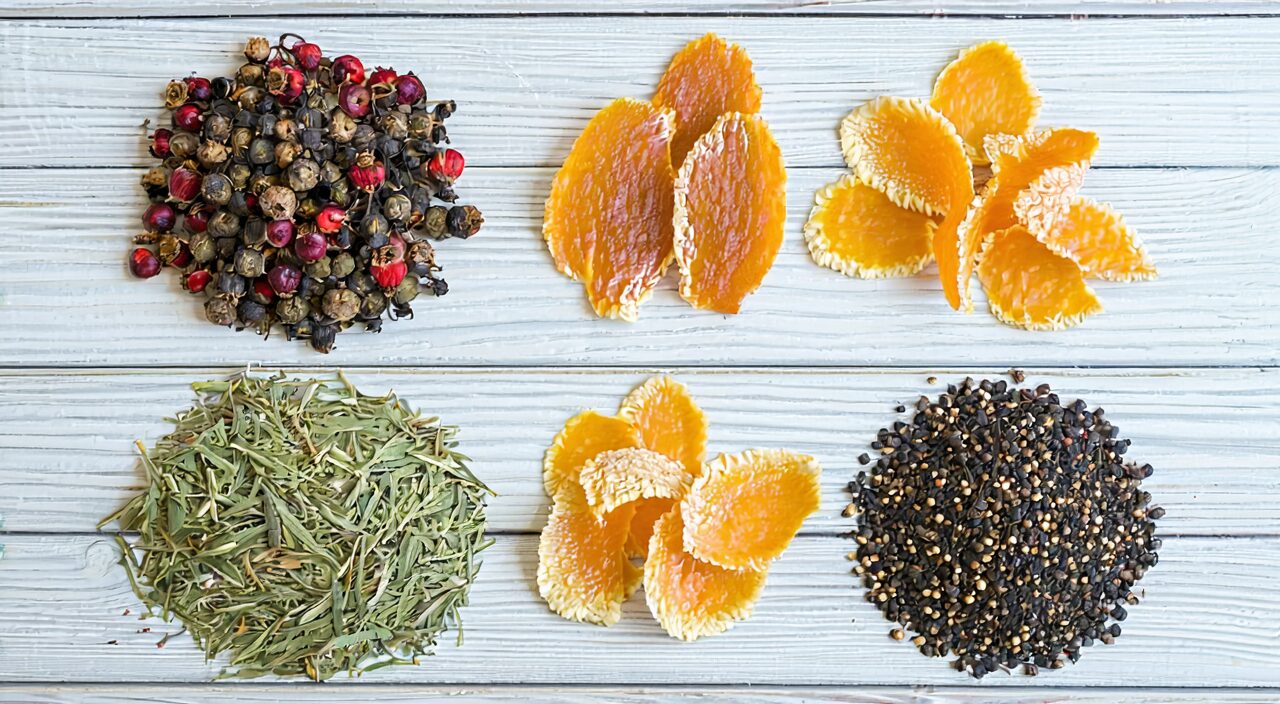
Baohe Wan is a classic formula among digestive prescriptions, originating from the Danxi Experiential Therapy. Its composition is quite comprehensive, containing multiple herbs including hawthorn, massa fermentata (shen qu), pinellia, poria, tangerine peel, forsythia, and radish seed.
Traditionally, Baohe Wan is often used for conditions such as epigastric and abdominal distension and fullness, foul belching and acid regurgitation, and lack of appetite caused by food accumulation and stagnation. It is especially suitable for the “food stagnation” state that occurs after social eating and drinking, mixing meat and flour-based foods, or consuming excessive raw and cold foods.
In the context of weight management, some people may experience marked bloating after holidays or banquets due to a complex dietary composition and excessive total intake. At such times, Baohe Wan may serve as a short-term supportive strategy to help restore gastrointestinal comfort. However, it must be clearly understood that it cannot directly “burn fat” or prevent weight gain. Its action remains focused on digesting food, guiding out stagnation, harmonizing the stomach, and draining dampness. If the diet remains unreasonable over the long term and total calorie intake continues to exceed requirements, relying solely on Baohe Wan cannot lead to weight improvement.
Furthermore, Baohe Wan primarily works by promoting digestion and guiding out stagnation rather than by tonifying and replenishing. The following groups are generally not suitable for long-term use:
- Those with spleen-stomach deficiency-cold, who tend to have loose bowels or watery stools
- Those with general weakness without actual food accumulation
- Pregnant women and those allergic to any ingredients in the formula
Any use should be based on clarifying one’s own symptoms and combined with product instructions and professional advice; long-term self-medication is not recommended.
Hawthorn-related products: A single-ingredient digestive aid, especially skilled at addressing greasy, meat-heavy food stagnation
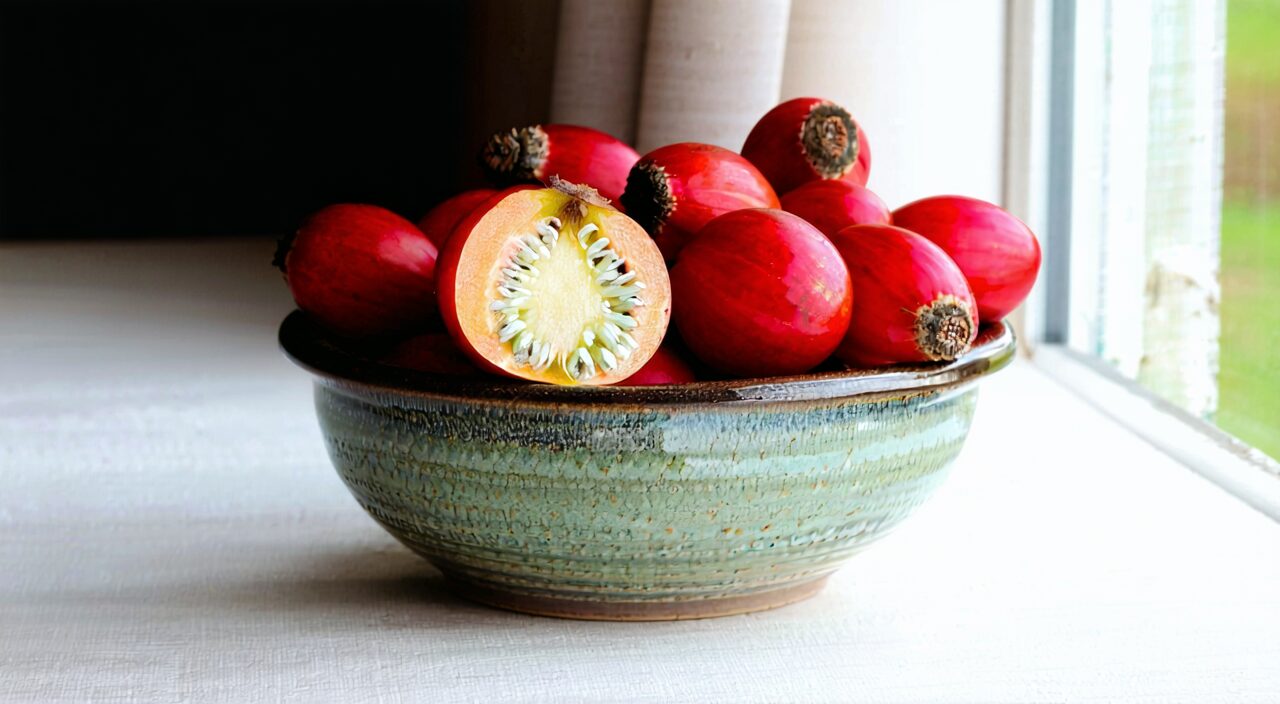
Hawthorn is a medicinal and edible substance that is widely used to promote digestion and strengthen the stomach. Common products on the market such as Hawthorn Pills and hawthorn granules predominantly contain hawthorn as the main ingredient, sometimes supplemented with malt and tangerine peel, but overall the digestive action of hawthorn remains at the core.
It is traditionally recognized that hawthorn excels at breaking down the accumulation of greasy, meaty foods, while also able to move qi and disperse blood stasis. Therefore, for people who tend to eat a lot of meat, barbecued food, or fried dishes and who easily experience gastric fullness and heavy breath after meals, hawthorn-containing products are often considered an option.
In weight management, the value of such products lies more in the following: when a particular meal contains an excessive amount of greasy food and feels difficult to digest, they can help reduce the burden on the stomach and intestines in a timely manner, so that the discomfort caused by indigestion does not affect the subsequent dietary plan. However, it must be emphasized that they are not “fat blockers,” nor can they replace a light, balanced dietary structure. If one believes that taking hawthorn products makes it safe to eat large amounts of meat and fish, this obviously strays from the core of weight management.
At the same time, the following should be noted when using hawthorn products:
- Pregnant women are generally advised against using them (hawthorn has certain blood-activating and stasis-dispelling effects)
- People with excessive gastric acid secretion, acid reflux, heartburn symptoms, or gastroesophageal reflux should exercise caution to avoid worsening discomfort
Although hawthorn is common, its use still needs to match one’s body constitution and specific symptoms, and taking it blindly in large quantities or over a long period of time is not advisable.
Cassia seed products: Moistening the intestines, promoting bowel movements and clearing the liver, but not a “detox weight-loss” shortcut
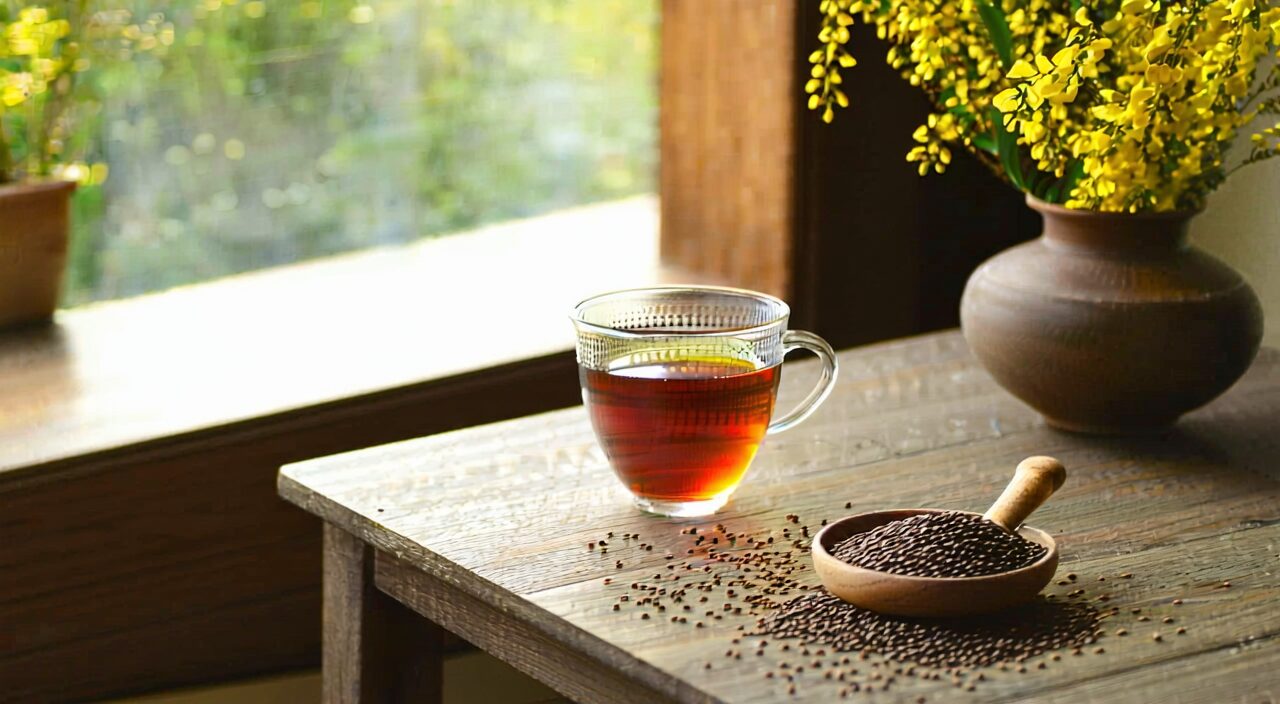
Cassia seed is often made into teas or granule products and enjoys a certain popularity among weight management enthusiasts. In traditional Chinese medicine, cassia seed is used for red, swollen and painful eyes, headache, dizziness, and dry-intestine constipation. It is cool in nature and can clear the liver, brighten the eyes, moisten the intestines and promote bowel movements.
Some people value the bowel-opening effect of cassia seed, hoping to “cleanse the intestines” and thereby support weight loss. But there are points in this logic that need clarification.
Keeping the intestinal passage clear is indeed important for maintaining normal metabolism and reducing discomfort. For individuals with a tendency toward dry-intestine constipation and a body constitution with heat signs (such as frequent dry mouth, aversion to heat, and a red tongue), cassia seed may serve as a daily beverage that mildly helps with bowel movements.
However, its action is not about “expelling toxins,” nor can it be regarded as a “weight-loss product.” Long-term or excessive use of cold-natured cassia seed may lead to spleen-stomach deficiency-cold, causing abdominal pain, watery diarrhea, loss of appetite, and other problems, which in turn are detrimental to long-term weight management and overall health.
Particular attention should be paid to the fact that using cassia seed with the aim of “purging away the calories eaten” is a form of misuse that may cause physical harm. Any claim that such a product can “detox for weight loss,” “clear old stool,” or “burn fat” lacks reliable evidence. Weight management can only be built on a foundation of scientifically sound eating, reasonable exercise, and long-term lifestyle adjustments. Cassia seed-related products should only be considered as a phased supportive reference in people with a specific body constitution and corresponding tendencies, and preferably under professional guidance.
How to distinguish the different directions of these three products based on your own condition
The three types of digestive and food-accumulation-relieving products have clear positioning, but they are not suitable to be mixed casually, and there is no simple answer as to which is better. You can help yourself sort out the options from the following perspectives:
1. Complex dietary composition, prone to bloating and belching after banquets
If your diet is structurally complex and you tend to experience obvious bloating, belching, and gastric fullness and stuffiness after gatherings or holidays, especially when you have mixed alcohol, flour-based foods and meat, then the comprehensive formula of Baohe Wan may be a more appropriate direction to learn about. However, note that its path of action leans toward “digesting and guiding out stagnation,” and it is not suitable for those with spleen-stomach weakness who do not show clear signs of food accumulation.
2. Greasy, heavy feeling in the stomach and slow digestion after meat or fried foods
If you mainly feel a greasy, heavy sensation in the stomach and slow digestion after eating a lot of meat or fried food, and your gastric acid secretion is normal, then a single-ingredient digestive aid like Hawthorn Pills or hawthorn granules may fit your needs more closely. But at the same time, it means you need to examine your dietary structure and reduce the frequency of heavy, greasy meals.
3. Dry stools, long bowel movement intervals, and a body constitution with heat
If, in addition to dietary factors, you also have relatively dry stools, prolonged intervals between bowel movements, dry mouth, or an unclear head and eyes, and your body constitution tends toward heat, cassia seed products may serve as a reference for moistening the intestines. However, for people who are prone to diarrhea, have a cold sensation in the abdomen, or have cold hands and feet, it is generally unsuitable.
It must be repeatedly stressed that none of the above options can replace scientific weight management; they can only act as a supplement to a healthy eating pattern and regular exercise. When bloating, indigestion, constipation, or other problems recur repeatedly, or when they are accompanied by significant weight fluctuations, fatigue, or low mood, it is advisable to first consult a doctor or registered dietitian to check for potential causes such as hypothyroidism, polycystic ovary syndrome, or digestive system diseases, rather than simply relying on digestive products to cope.
Common precautions when using digestive Chinese patent medicines
Regardless of which product you choose, there are several shared boundaries worth highlighting:
- Duration of use: Most are only suitable for short-term, occasional use and should not be relied upon over the long term. If poor digestion persists, adjustments should start with habits such as meal rhythm, food variety, and eating speed.
- Special populations: Pregnant and lactating women, children, frail elderly individuals, and those with chronic diseases who are taking other medications should consult a TCM practitioner or pharmacist before use to avoid risks caused by self-directed drug combination.
- Individual reactions: Individual responses can differ for any product. If symptoms such as abdominal pain, worsening diarrhea, skin rashes, or nausea occur during use, stop taking it and seek professional help promptly.
- Misconceptions: Do not credulously accept the claim that “natural equals safe and free of side effects.” The use of natural products also requires consideration of dosage, body constitution, and symptom matching.
The foundation of weight management still lies in the quality of daily food, sustained control of total calorie intake, and the accumulation of physical activity. The role of digestive Chinese patent medicines is like a brief rest area during a long-distance drive — it may help relieve momentary congestion, but it cannot replace redrawing the route. If the route itself has gone off course, a rest area alone will not get you to the destination.
Summary
Although Baohe Wan, hawthorn-related products, and cassia seed products all belong to the category of relieving food accumulation and aiding digestion, their respective emphases and suitable body constitutions are clearly different:
- Baohe Wan: More inclined toward comprehensive digestion and guiding out stagnation, suitable for mixed food accumulation
- Hawthorn-based products: Specialize in resolving meat and greasy food stagnation
- Cassia seed: Focuses on moistening the intestines and promoting bowel movements; those with a cold constitution need to be especially cautious
In different situations, they may serve as an auxiliary role during the weight management process, but they are by no means equivalent to a weight-loss plan, nor can they be used to replace dietary control and exercise.
For any Chinese patent medicine, it is advisable to combine your own symptoms, body constitution, and the product instructions, and to consult a professional TCM practitioner or pharmacist whenever possible. If bloating, indigestion, constipation or other problems persist over a long period or gradually worsen, priority should be given to making adjustments starting from the source of one’s lifestyle, and to undergoing the necessary medical evaluation. Viewing digestive products rationally and putting them back in the position of “occasional digestive aid” is the attitude that truly benefits health.