
Shenling Baizhu San vs. Jian Pi Wan: A Comparison of Classic Formulas for Spleen-Deficiency Dampness Obesity

In the realm of weight management, there is a group of people who often feel particularly aggrieved: they clearly do not eat much, yet their weight creeps up; their flesh is soft and flabby, especially around the abdomen; they usually experience easy bloating and unformed stools, and their whole body feels heavy and listless.
From the perspective of traditional Chinese medicine (TCM), this often does not simply point to “eating too much and moving too little,” but is closely related to the spleen’s transportation and transformation functions and the body’s ability to metabolize dampness. When the spleen’s transporting capacity weakens, water-dampness stagnates, easily forming what is known as a “spleen-deficiency dampness excess” constitution. This type of obesity is usually called “puffy obesity.”
Shenling Baizhu San and Jian Pi Wan are two traditional formulas frequently mentioned in this context. Both target spleen deficiency, but their specific formulation ideas and usage scenarios are not the same. Many people wonder: what exactly is the difference between the two? Which one is more suitable for me? This article will compare their formulation characteristics, applicable patterns, and precautions, hoping to provide some reference points for your judgment, rather than replacing professional diagnostic advice.
Why Spleen Deficiency and Dampness Easily Lead to “Bloat”
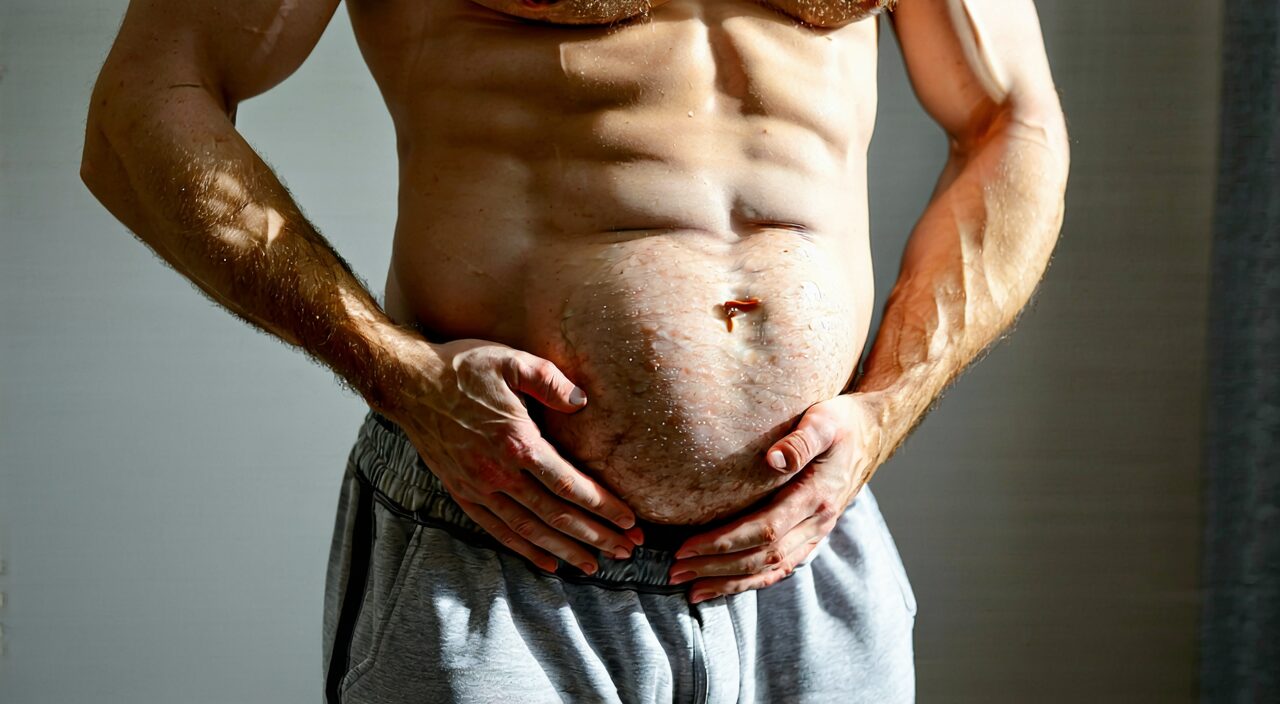
In TCM theory, being overweight is not necessarily “overnutrition”; sometimes it is “dysfunctional transportation and transformation.” The spleen governs transportation and transformation, responsible for both converting food into essential substances and participating in fluid metabolism. If spleen qi is insufficient or spleen yang is weak, on one hand, food cannot be fully transformed and easily turns into phlegm-dampness retention; on the other hand, water-dampness cannot be transported out, accumulating between the skin, muscles, and organs, forming edema and sticky “dampness.”
People with spleen-deficiency dampness obesity typically exhibit some of the following manifestations:
- Relatively overweight but with soft, flabby muscles, especially in the abdomen and limbs, lacking elasticity when pressed;
- Poor appetite or fluctuating appetite, feeling bloated after eating just a little, with a pronounced sense of heaviness and drowsiness after meals;
- Loose, unformed stools that easily stick to the toilet bowl, possibly with a sensation of incomplete evacuation;
- A slightly swollen tongue body with tooth marks on the edges, and a white, greasy or thick, greasy tongue coating;
- Lack of energy, heavy limbs, and a tendency toward edema.
Not all these symptoms will necessarily appear, but overall they point to the core issue of “spleen failing to transport healthily and internal dampness stagnation.” When addressing this type of obesity, traditional TCM often starts from perspectives like fortifying the spleen, dispelling dampness, and regulating qi, rather than simply suppressing appetite or accelerating excretion. Shenling Baizhu San and Jian Pi Wan are classic representatives based on this thinking, but their focuses for resolution differ, naturally leading to different selection directions.
Core Differences Between the Two Formulas from Their Composition
Shenling Baizhu San: Focus on Fortifying Spleen and Dispelling Dampness, with Qi Supplementation
The history of Shenling Baizhu San can be traced back to the Song Dynasty’s “Taiping Huimin Heji Ju Fang” (Prescriptions from the Great Peace Imperial Grace Pharmacy). In the formula, Ren Shen (or Dang Shen), Bai Zhu, and Fu Ling form the core combination for supplementing qi and fortifying the spleen; Shan Yao and Lian Zi assist in supplementing the spleen and securing essence; Bai Bian Dou and Yi Yi Ren strengthen dampness-dispelling and percolating actions; Sha Ren aromatically awakens the spleen, regulating qi and harmonizing the stomach; Gan Cao harmonizes all the other herbs. The entire formula leans toward a gentle nature, focusing more on “supplementing the spleen to transport dampness,” metabolizing water-dampness by strengthening the spleen’s transporting capacity.
This formula’s characteristic is a clarity within its supplementation, dispelling dampness without being too warm or drying. It is traditionally considered more suitable for those with spleen-stomach weakness and heavy dampness accompanied by mild qi deficiency. In the context of obesity management, if syndrome differentiation points to spleen-stomach qi deficiency and internal dampness-turbidity stagnation, manifested as poor appetite with bloating, loose stools, weak limbs, and a pale tongue with a white, greasy coating, the approach of Shenling Baizhu San might be more favored. In this situation, the “dampness” aspect is more prominent, while symptoms of food accumulation and indigestion are not obvious.
Jian Pi Wan: Focus on Resolving Food Stagnation and Guiding Out, with Spleen Fortification
Jian Pi Wan is equally classic, with a common version recorded in the “Zheng Zhi Zhun Sheng” (Standards for Diagnosis and Treatment). The formula includes Ren Shen, Bai Zhu, and Fu Ling to fortify the spleen and supplement qi; Shan Zha, Mai Ya, and Shen Qu (a common combination) to digest food and resolve accumulation; Shan Yao, Rou Dou Kou, and Mu Xiang to move qi and regulate the middle burner; Huang Lian to clear heat and dry dampness (in some versions). Overall, on the foundation of supplementing the spleen, Jian Pi Wan emphasizes resolving food stagnation, guiding it out, regulating qi, and harmonizing the stomach, combining attacking and supplementing methods simultaneously.
Its specificity lies in “spleen deficiency with food stagnation.” Common manifestations include indigestion, epigastric and abdominal distension and fullness, belching with a rotten or sour smell, irregular bowel movements (either constipation or loose stools, mixed with undigested food), and a possibly thick, greasy or thick, yellow, greasy tongue coating. If a person with spleen-deficiency dampness obesity also frequently exhibits signs of food accumulation, such as post-meal distension, strong breath odor, and foul-smelling stools, the approach of Jian Pi Wan is traditionally considered. However, it should be noted that if spleen deficiency and heavy dampness are primary with minimal food accumulation, using herbs that resolve food stagnation might actually consume qi and requires caution.
Understanding the Similarities and Differences at a Glance
| Comparison Dimension | Shenling Baizhu San | Jian Pi Wan |
|---|---|---|
| Core Direction | Fortify spleen and dispel dampness, supplement qi and percolate dampness | Fortify spleen and resolve food stagnation, combining elimination and supplementation |
| Dampness vs. Food Focus | Focuses on dampness, with a stronger dampness-dispelling effect | Focuses on food accumulation, with a stronger digestion-promoting effect |
| More Typical Manifestation Tendency | Poor appetite with bloating, loose stools, edema, heavy body sensation, white greasy tongue coating | Epigastric distension and fullness, belching with rotten/sour smell, difficult or undigested stools, thick greasy tongue coating |
| Supplementation Characteristic | Relatively gentle, leans toward supplementing spleen and securing essence | Supplementation with dispersion, avoids being overly cloying |
| Traditional Reference Population Profile | Spleen deficiency with dampness excess, no obvious food accumulation | Spleen deficiency with food accumulation, prominent indigestion |
It must be emphasized that these distinctions are not absolute. Clinically, there may be both heavy dampness and mild food stagnation, or a mixture of dampness and heat. The specific choice requires comprehensive assessment based on symptoms, tongue and pulse diagnosis, and past constitutional conditions, and should not be applied simplistically by matching symptoms alone.
How to Preliminarily Judge the Direction Based on Your Own Symptoms
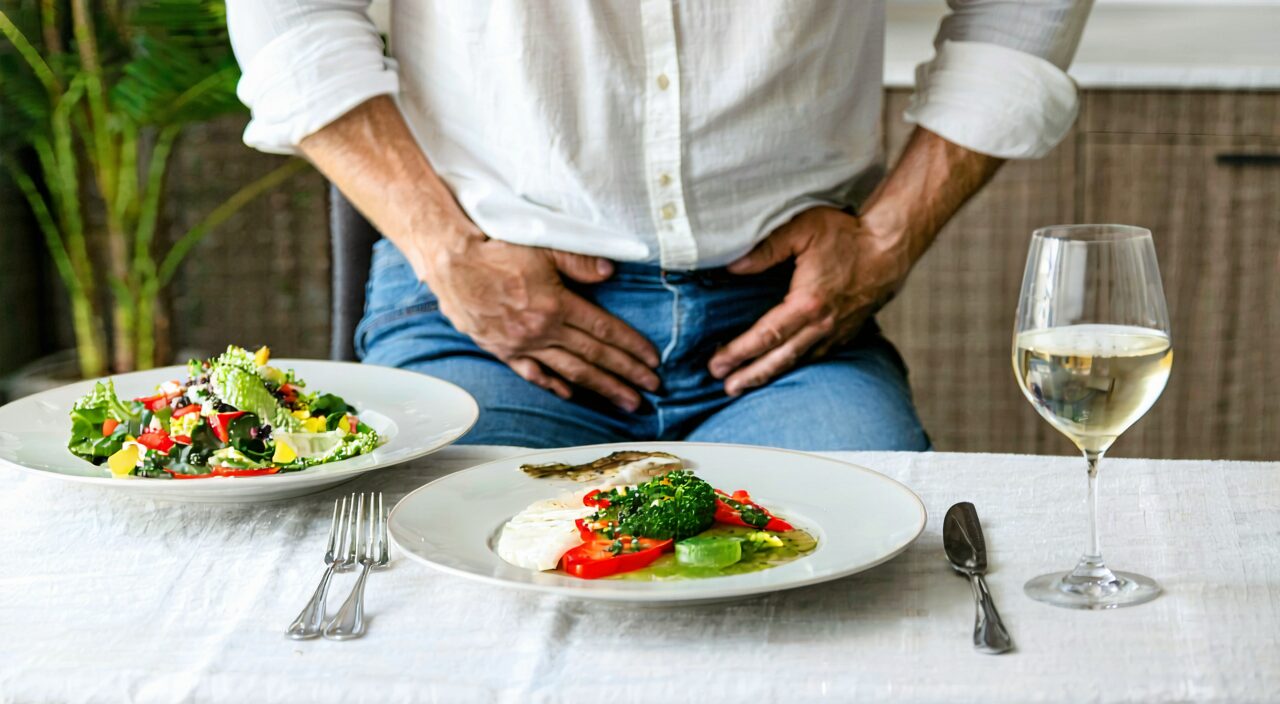
Before consulting a professional, you can try observing the following details to help you describe your situation more clearly during communication, but do not use them for self-diagnosis.
- Observe post-meal sensations: If you mainly feel bloating, gurgling sounds in the abdomen, and loose stools after eating, it might lean more towards spleen-deficiency dampness excess, and the approach of Shenling Baizhu San can be noted; if you easily experience stomach distension, acid reflux, burping with a food taste, and commonly see undigested food in your stools, it may involve food accumulation, making the Jian Pi Wan approach perhaps more relevant.
- Observe tongue appearance: A fat, enlarged tongue body with tooth marks and a white, greasy or slippery coating often indicates heavier dampness; if the tongue coating is thick, greasy, or even yellowish, and breath odor is strong, this often suggests food stagnation or concurrent damp-heat. But this is only a rough observation, not a diagnostic basis.
- Review lifestyle habits: If your daily diet is relatively light but you still experience bloating and loose stools, the source of dampness may lie in spleen deficiency; if your diet is irregular, or you frequently have social engagements involving greasy or sweet foods leading to indigestion, the possibility of food accumulation is higher.
However, many people with spleen-deficiency dampness obesity often simultaneously have food accumulation and dampness stagnation. The two formulas can also be modified and combined, or used alternately at different stages. Therefore, personal judgment can only serve as a starting point for understanding the direction. Before using any Chinese patent medicine, you should always follow the product instructions and consult a TCM practitioner or pharmacist.
Usage Precautions and Common Misconceptions
Whether it is Shenling Baizhu San or Jian Pi Wan, both are traditional Chinese patent medicines and are not suitable for everyone or every syndrome type. The following points are worth noting:
- Syndrome differentiation is an indispensable prerequisite: If the condition is not a spleen deficiency pattern, but rather internal excess of damp-heat, excess-heat constipation, or a constitution with yin deficiency and fire hyperactivity, using these formulas arbitrarily may not only be ineffective but could also cause discomfort. For example, people with a red tongue, yellow coating, dry stools, dry mouth, and bitter taste typically do not fall under the typical applicable patterns for Shenling Baizhu San and Jian Pi Wan.
- Dosage and duration must be controlled: Traditional formulas follow the principle of “stopping medication once the disease is addressed,” meaning timely discontinuation or adjustment after symptom improvement, rather than being taken continuously as a long-term supplement. Long-term use could affect the spleen and stomach’s self-regulating function or produce other biased effects. It is recommended to plan the duration of use under professional guidance.
- Constitutional regulation is not equivalent to weight-loss drugs: These two formulas are not registered as weight-loss drugs. They provide support from the perspective of TCM constitutional regulation for spleen-deficiency dampness or food accumulation problems. If you hold the expectation of “losing weight just by taking them,” you will likely be disappointed. Weight change is often the result of comprehensive regulation, diet, and exercise working together; the formula is just one part of the equation.
- Special populations require caution: Pregnant or breastfeeding women, children, and individuals with chronic diseases must consult a professional physician before using any Chinese patent medicine. Additionally, if taking other medications, potential interactions need to be considered.
- Pay attention to lifestyle coordination: The development of spleen-deficiency dampness is often related to irregular eating, excessive thinking, and prolonged sitting with little activity. While utilizing traditional formulas, gradually adjusting eating speed, food choices, incorporating moderate exercise, and managing emotions may allow the formula’s effects to be better realized.
A special reminder: if obesity is accompanied by noticeable palpitations, chest tightness, breathing difficulties, severe edema, or persistent discomfort, these are signals requiring prompt medical attention and should not be self-managed.
From Traditional Formulas to Individualized Regulation
The comparison between Shenling Baizhu San and Jian Pi Wan essentially reflects two TCM approaches to addressing spleen-deficiency dampness obesity: one leans towards combining supplementation and transportation to transform dampness, while the other leans towards combining elimination and supplementation to guide out stagnation. Both have their respective positions in traditional formula books and historical applications and are not arbitrarily interchangeable or universal.
Facing obesity issues today, it is easy to fall into the mindset of “finding the right medicine will solve it once and for all,” but TCM regulation emphasizes “customizing treatment to the individual.” Even with the same diagnosis of spleen-deficiency dampness, the proportion of dampness to food accumulation, and the cold, heat, deficiency, or excess nature of the constitution may vary from person to person, naturally requiring modifications in formula selection. If you are curious about the differences between these two formulas, it is more about understanding the perspective TCM uses to view constitutions, rather than urgently seeking a standard answer.
During the learning process, you can also pay attention to some common single herbs or dietary ingredients for regulating spleen-deficiency dampness, such as Yi Yi Ren (coix seed), Bai Bian Dou (hyacinth bean), Shan Yao (Chinese yam), and Chen Pi (tangerine peel). Their incorporation into daily diet might play a supplementary role, but they also need to be chosen or avoided based on individual constitution. If you hope to regulate your condition through Chinese patent medicine, it is recommended to first undergo a comprehensive evaluation with a licensed TCM practitioner to understand your specific pattern type and organ relationships; this is the safest approach.
Summary
Both Shenling Baizhu San and Jian Pi Wan are traditional classic formulas targeting spleen deficiency, but their focuses differ significantly when addressing obesity-related patterns: Shenling Baizhu San leans more towards fortifying the spleen and dispelling dampness, suitable for those with spleen-deficiency dampness excess and no significant food accumulation; Jian Pi Wan emphasizes resolving food stagnation and harmonizing the stomach, suitable for situations of spleen deficiency accompanied by dietary accumulation, bloating, and indigestion. Although both contain ingredients that fortify the spleen and supplement qi, their medicinal approach and applicable manifestations have distinct domains and should not be mixed or casually substituted.
Regardless of which direction you lean towards, it is crucial not to blindly choose detached from specific constitution and symptoms. Although Chinese patent medicines may not be prescription drugs, they still need to adhere to the TCM principle of syndrome differentiation. Each person’s spleen deficiency state may involve factors like qi stagnation, cold-dampness, damp-heat, or food accumulation, which is why the same formula may elicit different responses in different individuals. It is best to have a professional’s help to comprehensively judge the suitable direction, combining detailed symptom analysis, tongue and pulse diagnosis, and product instructions.
For long-term, severe, or recurrent weight issues, especially when accompanied by significant discomfort, it is advisable to consult a doctor or TCM practitioner promptly and not rely solely on online comparisons for self-regulation. Traditional formulas are more suitable as a reference for understanding TCM thinking and assisting in lifestyle adjustments, and should not be seen as a shortcut for rapid weight loss.