
Stomach-Heat Excess Obesity: Guidance for Managing Excessive Appetite, Halitosis, and Constipation

Many people encounter a puzzle during weight management: why, despite having an excellent appetite, eating well, and digesting quickly, do they not only fail to lose weight but actually gain more, accompanied by persistent halitosis and dry, difficult bowel movements? Traditional Chinese medicine does not simply attribute such issues to “eating too much and moving too little”; instead, it looks at an internal imbalance—stomach-heat exuberance. This article attempts to sort out, from this perspective, the common manifestations, underlying causes, and potential management ideas for stomach-heat type obesity, helping you gain a more comprehensive understanding of your body.
Typical Manifestations and Characteristics of Stomach-Heat Obesity

In traditional Chinese medical theory, the stomach’s primary functions are receiving and ripening food and drink—much like a pot responsible for initial digestion. If excessive heat accumulates in the stomach, making this pot burn too fiercely, a series of “heat” signs and metabolic changes may appear. People with stomach-heat exuberance obesity often present quite distinct signals, which can be broadly observed from the following aspects:
- Abnormally strong appetite, rapid digestion with frequent hunger
This is the most prominent feature of the stomach-heat type. “Swift digestion with rapid hunger” means that food is digested very quickly, and hunger returns not long after eating—sometimes even causing palpitations or dizziness. This kind of hunger often does not indicate that the body truly needs energy, but is rather a false signal caused by stirring stomach-fire, prompting food intake far exceeding actual needs. The excess energy then accumulates inside the body.
- Dry mouth with preference for cold drinks, pronounced halitosis
When stomach-fire flares upward, body fluids are easily scorched, often leading to a constant dry mouth and thirst, with a particularly strong desire for cold or icy beverages that bring relief. At the same time, turbid heat qi rushes upward from the stomach, frequently accompanied by stubborn bad breath that easily recurs even after thorough tooth brushing and oral cleaning. Some individuals may also have accompanying symptoms such as gum swelling, toothache, or oral ulcers.
- Dry, hard stools and difficult defecation
Pathogenic heat most easily damages the fluids in the intestines, causing dysfunction in the large intestine’s transportation. As a result, stools become dry, hard, and impacted, with straining during bowel movements; sometimes there may be only one bowel movement every several days. This constipation is often accompanied by a sensation of abdominal distension or burning, and the excrement tends to have a strong odor.
- Tongue and pulse presentations
The tongue body in stomach-heat obesity is frequently reddish, with a tongue coating that is yellow and thick or yellow and dry, especially more pronounced in the central region corresponding to the spleen and stomach. The pulse often presents as slippery-rapid or surging-large, reflecting signs of excess heat in the interior.
It is worth noting that the above descriptions are merely general summaries; not everyone will exhibit all the features. If such manifestations persist long-term and significantly affect daily life, it is advisable to have a face-to-face consultation and pattern differentiation by a qualified Chinese medicine practitioner for a comprehensive assessment based on individual circumstances.
Where Does This Fire in the Stomach Come From?
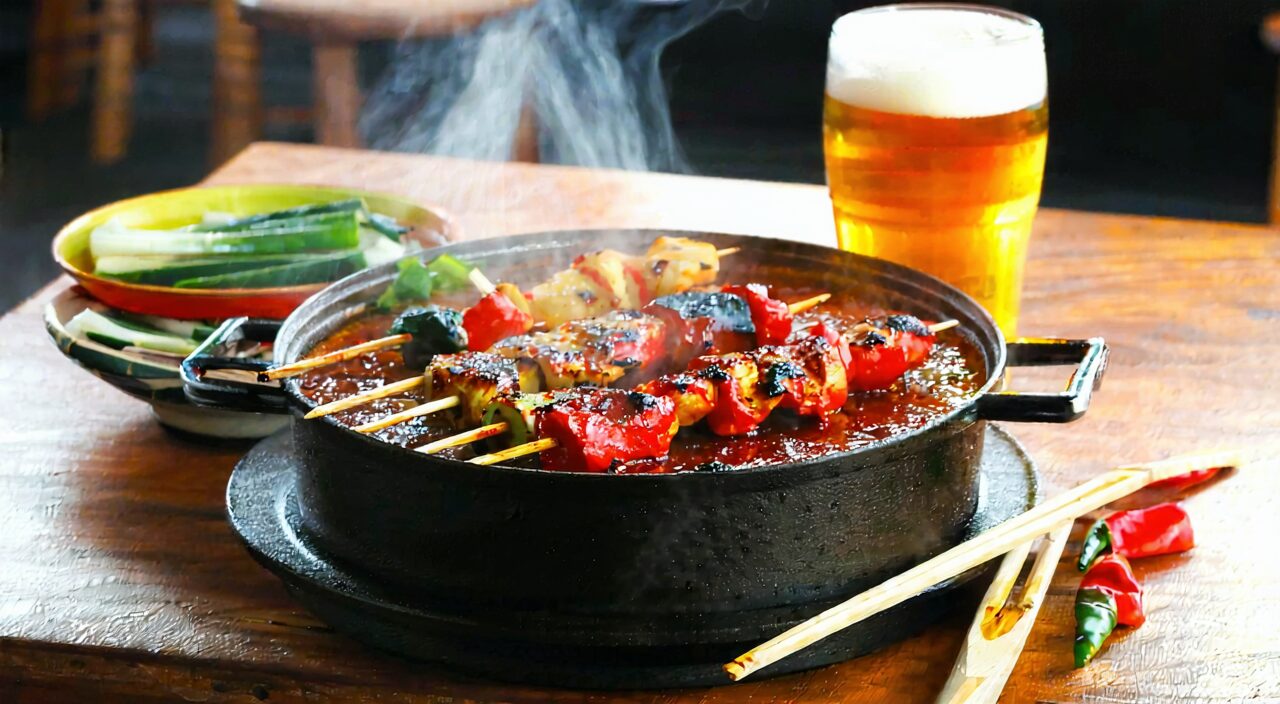
The formation of stomach-heat is rarely without reason; in most cases it is closely related to daily lifestyle habits, dietary preferences, and emotional states. Understanding these triggers is the first step in adjustment and improvement.
Improper diet is the main driver. Long-term indulgence in spicy, deep-fried, barbecued, rich, heavy, and greasy foods, along with frequent alcohol consumption and excessive intake of high-sugar beverages, continuously “adds fuel to the stomach fire.” These types of foods tend to be warm and drying and are difficult to digest; when they linger in the stomach for too long, they easily stagnate and transform into heat.
Moreover, eating too fast, overeating, having irregular meal times, or frequent late-night snacks all increase the stomach’s burden, causing stomach qi to stagnate, and over time heat is generated.
Emotional constraint can also transform into fire. Chinese medicine often speaks of “liver qi invading the stomach.” Emotional stress, chronic anxiety, irritability, and a quick temper tend to cause liver qi depression. The liver and stomach share a restraining relationship among the five phases; when liver qi is constrained, it can move transversely to invade the stomach, causing stomach qi disharmony. Where qi is excessive, fire arises, giving birth to stomach-heat. Many people binge eat or feel a suddenly increased appetite after stress or anger, which is largely related to this mechanism.
Other lifestyle factors. Frequent late nights and irregular sleep–wake cycles deplete the body’s yin fluids; when yin is deficient, yang becomes hyperactive, and the relative fire aspect becomes stronger. Combined with a lack of appropriate physical activity, yang qi cannot spread freely and internal heat is not easily dispersed, which may indirectly encourage the buildup of stomach-heat.
These triggers often appear in overlapping combinations. For example, someone under long-term work stress, who also favors spicy hot pot with ice-cold beer and has a chaotic daily routine, can very easily develop a constitutional imbalance dominated by stomach-heat. Therefore, when considering direction for regulation, one needs to pay attention to moderate adjustment of these factors simultaneously.
Ideas for Clearing Stomach-Heat, Purging Heat, and Unblocking the Bowels
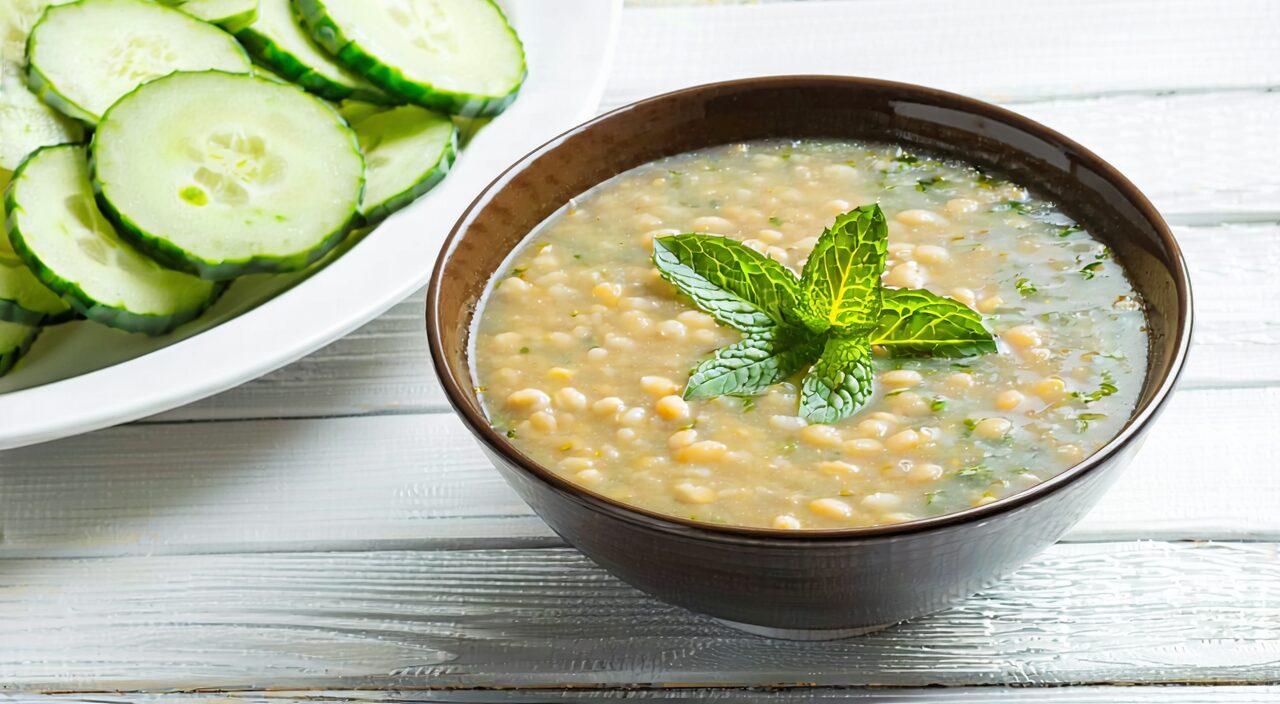
For stomach-heat exuberance type obesity, the regulatory approach in traditional Chinese medicine typically focuses on “clearing stomach-heat and purging fire” as well as “unblocking the bowels and removing stagnation”—that is, on the one hand clearing the excess fire heat in the stomach, and on the other, helping restore intestinal patency so that accumulations and heat pathogens have a way out.
Clearing Stomach-Heat, Cooling Down the Stomach Fire
Clearing stomach-heat does not simply mean using bitter-cold substances to “extinguish the fire”; rather, it emphasizes clearing without excess and purging without injury.
Some food-grade medicinal ingredients are commonly used in daily dietary adjustments. For instance, boiling and drinking water with Shi Gao (Gypsum), Zhi Mu (Anemarrhena), and Lu Gen (Reed Rhizome) appears in some traditional heat-clearing formulas. Foods such as mung beans, winter melon, bitter melon, cucumber, and raw lotus root, which are cooling and moistening in nature, can also be part of the daily diet to help the body acquire a certain cooling qi.
Do note, however, that heat-clearing ingredients and medicinals are mostly cold or cool in nature. Prolonged large-quantity use may damage the spleen and stomach yang qi, leading to new problems such as reduced appetite, abdominal bloating, and loose stools instead. Therefore, the specific method and degree should ideally be carried out under professional guidance.
Among traditional Chinese herbal formulas, there are classic preparations like Fang Feng Tong Sheng Wan, which are often used in patterns of external cold and internal heat with both exterior and interior excess. Its idea integrates releasing the exterior, clearing heat, and purging downward, offering some reference for constitutions with stomach-heat accompanied by constipation and a robust physique. Meanwhile, Bao He Wan focuses more on dispersing food stagnation and harmonizing the stomach to clear heat, commonly used when food accumulation transforms into heat, causing epigastric and abdominal fullness, belching with foul acid, and difficult bowel movements.
It must be especially noted that this information is merely an objective introduction to the traditional thinking behind these formulas in relevant areas; it does not mean they can be directly used as weight-management solutions. Everyone’s constitution and the specific mix of cold, heat, deficiency, and excess vary. Whether a formula is suitable and how it should be selected still needs to be based on product instructions, individual actual conditions, and the judgment of experienced professionals.
Unblocking the Bowels and Purging Heat, Giving Stagnation an Exit
Stomach-heat type obesity is often accompanied by varying degrees of constipation. If the bowels are blocked, it becomes even harder to clear the heat; therefore, unblocking the bowels is an important means of clearing stomach-heat. “Unblocking the bowels” here does not simply mean pursuing diarrhea, but rather helping restore the large intestine’s peristaltic rhythm to maintain normal and regular bowel movements.
Increasing dietary fiber intake—such as eating more leafy greens, whole grains, and legumes—drinking adequate water, and establishing a regular bowel routine are all relatively gentle foundational adjustment methods.
From a TCM perspective, ingredients that moisten the intestines and facilitate bowel movements, such as Jue Ming Zi (Cassia Seed), Huo Ma Ren (Hemp Seed), and honey, can be cautiously considered in daily regulation. But again, it must be stressed that long-term reliance on strong purgative methods risks depleting body fluids and qi-blood, undermining the intestinal function itself, and potentially worsening the stubbornness of constipation.
No signal from the body, especially a marked change in bowel habits, should be ignored. If severe constipation recurs repeatedly, or if there is accompanying significant abdominal pain, blood in the stool, or other abnormalities, one should promptly consult a medical professional.
Easily Confused Situations: Differentiating Stomach-Heat Obesity from Spleen-Deficiency Obesity
Among TCM pattern differentiations for obesity, both stomach-heat exuberance type and spleen-deficiency with dampness exuberance type are common, but their manifestations and underlying logic differ greatly, and their regulatory directions are almost opposite. If they are not clearly distinguished and purging methods are blindly used, it may actually further damage the already weakened middle-jiao qi in spleen-deficiency individuals.
For easier differentiation, the typical features of the two types are compared below:
| Comparison Dimension | Stomach-Heat Exuberance Type | Spleen-Deficiency Dampness Exuberance Type |
|---|---|---|
| Appetite | Abnormally strong, swift hunger after eating, easily hungry | Appetite not necessarily strong; food intake may not be large |
| Body shape and muscles | Sturdy body, relatively firm muscles | Heavy sensation in the body, prone to edema, flabby muscles |
| Bowel movements | Dry, hard, constipated, difficult bowel movements with strong odor | Sticky or loose stools that easily cling to the toilet bowl |
| Dry mouth and thirst | Marked dry mouth, preference for cold drinks | Mouth bland without thirst, or thirst with preference for warm drinks |
| Tongue presentation | Red tongue with thick yellow or dry yellow coating | Plump, enlarged tongue with tooth marks on the edges and white, greasy coating |
| Core problem | Stomach-heat accumulation, tending towards excess | Insufficient transport and transformation, internal dampness retention, tending towards deficiency |
| Regulatory direction | Clear stomach-heat, purge heat, unblock the bowels and remove stagnation | Fortify the spleen, boost qi, and transform dampness |
However, in reality, mixed deficiency and excess situations are not uncommon. For example, some may have stomach-heat and spleen-deficiency simultaneously, or initially had stomach-heat but, after repeated prolonged heat-clearing, also damaged the spleen qi. This requires very meticulous pattern identification and cannot be determined solely on one or two symptoms.
Therefore, before attempting any direction, it is vitally important to first clarify the body’s primary contradiction. If self-assessment proves difficult, consider seeking a professional TCM diagnosis, and it is not advisable to rashly use heat-clearing products.
Precautions and Common Misunderstandings in Regulation

When realizing they might belong to the stomach-heat obesity type, many people are eager to “bring down the fire,” but in this process, there are several easy traps worth being careful about.
- Do not blindly clear heat
Stomach-heat has different emphases, such as excess heat versus deficiency heat; heat clearance must also be layered. If a person seems to have strong fire symptoms on the surface but simultaneously fears cold, has cold hands and feet, or has dry stools followed by loose stools, it is likely not purely excess heat but rather upper-heat and lower-cold or mixed deficiency and excess. Drinking large amounts of herbal cooling tea or taking bitter-cold medicinals at such a time may actually damage the yang qi, making the body even more unbalanced. When relevant digestive discomfort is severe, prolonged, and recurrent, or accompanied by pronounced anxiety, palpitations, chest oppression, pain, or abnormal breathing, one should not rely solely on dietary regulation and should promptly consult a doctor or professional to rule out other potential issues.
- Do not excessively pursue “purgation”
Some people think that promoting bowel movements equals weight loss, so they frequently use laxatives or bowel-relieving products. This may cause temporary weight loss, but what is lost is mostly water and stool rather than real excess body fat, and it very easily leads to electrolyte imbalances and intestinal dysfunction. The goal of regulating stomach-heat type is to restore the normal ascending and descending function of the middle jiao, not to manufacture artificial diarrhea.
- Dietarily prevent “adding heat to heat”
Some foods that do not appear greasy—such as roasted nuts, barbecue seasonings, certain spicy hot pot bases, and high-proof alcohol—actually easily ignite heat. Reducing exposure to these foods will help with stomach-heat regulation. At the same time, eating too quickly frequently leads to overconsumption before the satiety signal reaches the brain, which can further aggravate stomach-heat.
- Coordinated adjustment of emotions and daily routines
The connection between stomach-heat and emotions is often underestimated. Trying to set aside time for relaxation and recovery, and finding a suitable way to regulate stress, can be valuable for reducing “emotional eating” and liver-stomach depressive heat. Ensuring adequate nighttime rest, and avoiding staying up late, also supports the body’s self-restoration of yin and yang. These subtle lifestyle adjustments are often indispensable pillars of the entire regulatory process.
Summary
Stomach-heat exuberance obesity is a TCM generalization for a bodily state characterized by hyperactive appetite, swift digestion with frequent hunger, dry mouth, halitosis, and dry, hard stools. It reminds us that weight issues are sometimes not just a matter of calorie arithmetic, but may be closely tied to internal dietary preferences, emotional stress, and daily routines.
Clearing stomach-heat, purging fire, and unblocking the bowels to remove stagnation are commonly cited regulatory directions, but each person’s presentation can vary. Stomach-heat and spleen-deficiency states are also easily confused and need careful differentiation.
Whether in dietary adjustment, lifestyle improvements, or understanding traditional formulas such as Fang Feng Tong Sheng Wan and Bao He Wan, one should maintain a calm and rational attitude—neither blindly following trends to clear heat nor overly relying on purgation. Every signal from the body deserves serious attention. If relevant manifestations persist or cause significant distress to body and mind, seeking face-to-face diagnosis and guidance from professionals is the more comprehensive choice.