
Application of Fangfeng Tongsheng Wan in Weight Management: Releasing Both the Exterior and Interior, Regulating Stomach-Heat Obesity

There are various approaches to weight management; some choose exercise and dietary adjustments, while others seek ideas from the perspective of traditional Chinese medicine. When a person has a robust physique, a strong appetite, sluggish bowel movements, and is prone to internal heat and elevated blood pressure, traditional Chinese medicine may categorize this as an ‘exterior-interior excess’ or ‘stomach-heat exuberance’ pattern.
Fangfeng Tongsheng Wan is precisely the classic formula commonly used for this pattern. This article will help readers understand the relationship between Fangfeng Tongsheng Wan and this type of obesity from the aspects of formulation principles, applicable characteristics, and usage precautions, rather than treating it as an ordinary ‘weight-loss pill’.
Why ‘Releasing Both Exterior and Interior’ Instead of Simple Purgation
Many obese individuals with constipation issues think of promoting bowel movements, but simple laxatives often only clear the intestines temporarily. If there is still exterior heat intertwined with damp-heat internal, using bitter-cold purgation alone may damage the spleen and stomach, or cause the pathogenic factors to sink inward. The thinking behind Fangfeng Tongsheng Wan lies in ‘releasing both the exterior and interior’ — opening two exit routes simultaneously.
This formula originates from the Xuanming Lun Fang (Treatise on the Elucidation of Medicine) by Liu Wansu in the Jin Dynasty, originally designed for external pathogenic factors at the exterior and internal excess heat. Its composition integrates multiple methods including releasing the exterior, clearing heat, purging, nourishing blood, and draining dampness. The overall formulation rationale is as follows:
- Dispersing herbs: Fangfeng (Saposhnikovia), Jingjie (Schizonepeta), Bohe (Mint), Mahuang (Ephedra) and others, intended to release the exterior-stagnated pathogenic factors through sweating;
- Laxative herbs: Dahuang (Rhubarb), Mangxiao (Glauber’s salt) and others, guiding the stagnant interior excess heat to discharge through the bowels and urine;
- Heat-clearing and dampness-draining herbs: Zhizi (Gardenia), Huashi (Talcum), Shigao (Gypsum) and others, assisting in eliminating damp-heat;
- Qi-regulating, blood-harmonizing, and spleen-stomach-protecting herbs: Danggui (Angelica sinensis), Baishao (White peony root), Chuanxiong (Ligusticum), Baizhu (Atractylodes) and others, reducing excessive damage to the body’s vital qi from attacking therapies.
For the common ‘stomach-heat obesity’ in weight management, the typical manifestation is a sense of pent-up heat within the body, leading to a strong appetite, easy hunger, preference for cold drinks, often accompanied by dry mouth, bad breath, constipation, yellow urine, a red tongue with a yellow greasy coating, and other signs. From a TCM perspective, this situation is not merely fat accumulation, but rather stagnation of qi movement, intertwining of heat pathogens and food stagnation.
Fangfeng Tongsheng Wan, by releasing the exterior and diffusing the lung qi, unblocking the bowels to discharge heat, and draining dampness to transform turbidity, may help restore the ascending and descending of qi movement, thereby altering the internal environment in the short term. However, it must be emphasized that this effect is not a direct ‘fat burning’ but a regulation targeting a specific pathological state.
Who May Be Suitable and Who Should Stay Away

Characteristics That May Be Suitable
- Robust physique with full muscles, not puffy and flabby;
- Excessive appetite, especially fond of greasy and rich foods, with easy abdominal bloating and constipation after eating;
- Dry, knotted, or constipated stools, occurring every few days, with difficult defecation;
- Face prone to redness, excessive oiliness, and tendency to acne (pimples) and boils;
- Aversion to heat with profuse sweating, or simultaneous mild aversion to cold and fever, dizziness and vertigo;
- A tendency toward elevated blood pressure, or a subjective feeling of bodily heaviness and head discomfort.
For such individuals, obesity often falls into the category of ‘excess obesity’, with the core issue being pathogenic excess rather than deficient vital qi. Fangfeng Tongsheng Wan may serve as an auxiliary direction for short-term regulation, helping the qi of the exterior and interior to flow freely, thereby clearing stagnation and pent-up heat.
Situations Requiring Caution or Contraindication
- Spleen-stomach deficiency-cold: Those who are prone to diarrhea, have cold and painful abdomen, cold hands and feet; although appetite is good, diarrhea occurs immediately after eating. Using it may aggravate deficiency-cold.
- Qi deficiency or yang deficiency constitution: Even if the body shape is somewhat plump, the muscles are soft and flabby, with easy sweating, fatigue, a pale puffy tongue with teeth marks. The attacking power of Fangfeng Tongsheng Wan may deplete yang qi.
- Pregnant women, breastfeeding women, and children: None should use it on their own.
- Those with severe underlying diseases: Such as severe hypertension, cardiovascular disease, or liver and kidney dysfunction, must be evaluated under a doctor’s guidance.
- Those with complex physical and mental conditions: Long-term insomnia, severe anxiety, or accompanied by palpitations and chest tightness, etc., cannot be addressed solely with this formula.
Fangfeng Tongsheng Wan is not a daily health supplement. Traditionally, it is used for excess patterns and acute conditions, and generally should not be taken for a prolonged period. If there is no change after several days of continuous use, or if discomforts such as abdominal pain, excessive diarrhea, or a sharp decrease in appetite occur, discontinue promptly and consult a professional.
Common Misconceptions and Safety Boundaries in Use
Misconception 1: Taking It Long-Term as a Routine Weight-Loss Drug
Some people, hearing that Fangfeng Tongsheng Wan can ‘promote bowel movements for weight loss’, purchase it on their own and take it long-term. This practice carries high risks. Ingredients such as Dahuang and Mangxiao in the formula are quite drastic; long-term reliance may disrupt intestinal function and even lead to habitual constipation or melanosis coli.
Chinese medicine has always emphasized ‘stop the medicine once the disease is addressed’, meaning once symptoms improve, one should stop the medication in time and transition to dietary and lifestyle adjustments.
Misconception 2: Blindly Applying Without Differentiating Constitution
Even when obesity is the same, TCM pattern differentiation may be entirely different. The following common situations require careful distinction:
- Phlegm-dampness encumbering the spleen type: Manifested as bodily heaviness, edema, sticky stools that are not dry. If Fangfeng Tongsheng Wan is mistakenly used, dampness may not be cleared and the spleen and stomach may be further damaged.
- Spleen-kidney yang deficiency type: Requires warming and tonifying; using cold-cool medicinals would only make matters worse.
Therefore, whether it is appropriate to use this formula should be judged comprehensively based on the tongue appearance, pulse condition, and overall manifestations, rather than matching a single symptom.
Misconception 3: Neglecting Dietary and Lifestyle Coordination
Fangfeng Tongsheng Wan is more of a short-term ‘key’ to open up stagnation, not a once-and-for-all solution. If one takes the medicine while continuing a high-calorie, high-fat diet, the purging and descending effect will soon be covered by new accumulation.
During the regulation period, it is recommended to appropriately reduce spicy, hot, fatty, and sweet foods, increase vegetables and coarse grains, maintain moderate exercise, avoid staying up late, so as to cooperate with the medication for better results.
Safety Boundary Reminders
For the use of any Chinese patent medicine, it is recommended to proceed based on a thorough understanding of the product instructions, individual constitution, and potential risks. The following points deserve special attention:
- If obesity is accompanied by pronounced chest tightness, palpitations, dizziness, breathing difficulties, or chronically poor sleep quality and emotional depression, one should not rely solely on a single Chinese herbal regulation and needs timely medical investigation;
- Although Fangfeng Tongsheng Wan is a classic formula with a long history of extensive use, obesity issues under modern lifestyles are more complex and cannot be equated simplistically with ancient formulas;
- Before use, it is recommended to fully communicate with a Chinese medicine practitioner or pharmacist, and never use online tests or others’ experiences as the sole basis.
How to View Weight Management from a TCM Perspective
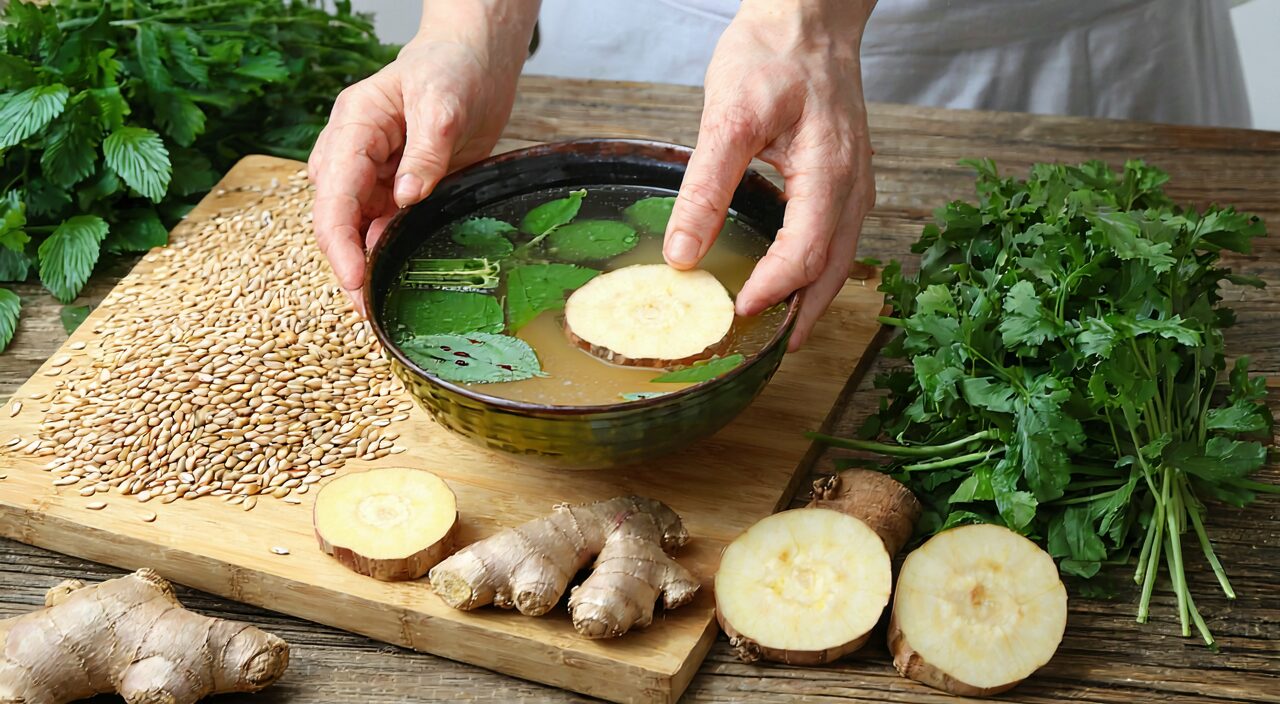
TCM regulation of obesity is not simply about pursuing weight loss numbers; it emphasizes distinguishing deficiency, excess, cold, and heat, to restore internal balance. Fangfeng Tongsheng Wan represents one type of pathogenic-attacking approach. In addition, there are various other regulatory directions:
- Strengthen the spleen and transform dampness: Suitable for those with spleen deficiency leading to dampness accumulation, heaviness in the body;
- Warm yang and promote water metabolism: Suitable for those with yang deficiency causing water flooding, aversion to cold, cold extremities;
- Soothe the liver and regulate qi: Suitable for stress-related obesity, emotional eating, often regulated from the perspective of liver depression and spleen deficiency;
- Warm and tonify kidney yang: Suitable for those with slow metabolism and obvious cold manifestations.
Therefore, if those with a robust physique and stomach-heat constipation are interested in Fangfeng Tongsheng Wan, they can consider it as a direction for understanding. Before use, it is imperative to determine through comprehensive four-diagnosis assessment whether it matches the ‘exterior-interior excess’ pattern differentiation; never make the judgment by yourself.
Summary
In traditional Chinese medicine, Fangfeng Tongsheng Wan is a comprehensive formula that releases both exterior and interior while clearing damp-heat. For obese individuals with a robust physique, strong appetite, accompanied by constipation and a tendency toward hypertension, the short-term use approach may help disperse pent-up heat and unblock stagnation.
However, it is not suitable for everyone: those with spleen-stomach deficiency-cold, qi deficiency, yang deficiency, as well as pregnant women, must strictly avoid it, and long-term reliance is not recommended. Body constitution identification and timely adjustment are always the foundation for using Chinese patent medicines. If obesity issues are long-standing or accompanied by other complex symptoms, a systematic evaluation by a professional physician should be sought, rather than trying a single formula on one’s own.
In conclusion, Fangfeng Tongsheng Wan can be seen as a traditional tool in TCM for regulating ‘interior excess-heat’ type obesity, but its use requires clear pattern matching and careful observation. Maintaining a healthy weight still depends on long-term dietary management, regular exercise, and physical-mental balance.