
Abdominal Obesity and Belly Fat? TCM’s Perspective on the Relationship Between Abdominal Obesity, Dampness-Phlegm, and Spleen Deficiency

Many people experience this frustration: their limbs are not particularly heavy, and may even appear slender, yet their belly visibly protrudes and their waistline keeps expanding. Whether it’s wearing fitted clothing or noticing rolls of abdominal folds when sitting down, it becomes a nagging concern.
During the weight-loss process, abdominal fat is often the most stubborn to shift. At such times, it may not just be about counting calories and energy expenditure. The perspective of traditional Chinese medicine can provide an alternative way of understanding the body.
Abdominal Obesity Is Often Seen as a Sign of “Imbalance” in TCM
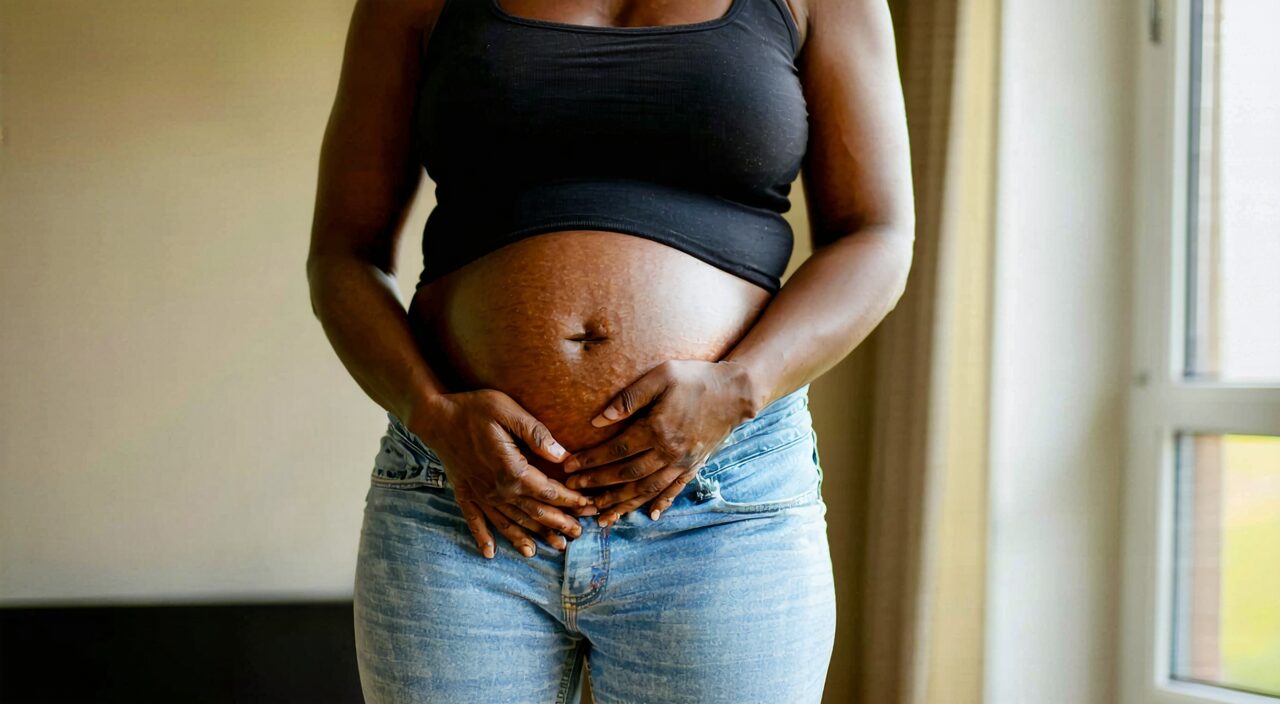
While modern medicine refers to “central obesity” or abdominal obesity, classical TCM texts do not have an exact equivalent term, yet observations about body shape have existed for a long time. TCM often describes such body types with phrases like “fat abdomen,” “abdominal fullness,” or “fullness around the navel,” and tends not to focus solely on abdominal fat. Instead, it regards a protruding belly as a local manifestation of a systemic disturbance in the metabolism of qi, blood, and body fluids. In other words, a big belly itself is not the root problem; it is the “fruit” of an underlying internal disorder.
From this viewpoint, the shape of the abdomen, how it feels to the touch, and accompanying sensations are very important:
- Is the abdomen soft and flabby like cotton, or hard and distended like a drum?
- Does the abdomen tend to feel cool, or is it prone to bloating?
- Is the belly relatively flat in the morning but noticeably distended by the afternoon?
These details may point toward different regulatory approaches.
Dampness-Phlegm Accumulation – One of the Most Common Explanatory Patterns
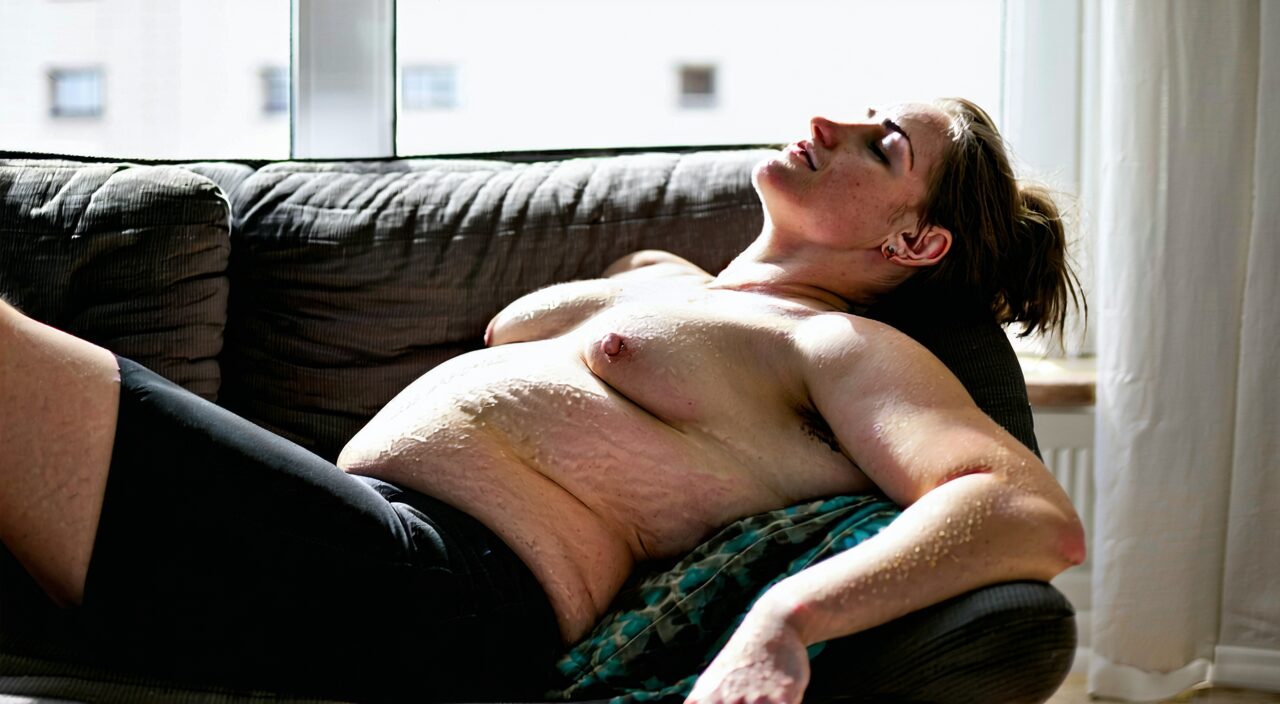
In TCM theory, “dampness-phlegm” is a frequently mentioned concept. It is different from respiratory phlegm; it refers to the accumulation of body fluids that have not been properly transported and transformed, gathering into a sticky, turbid pathological product. When dampness-phlegm lingers over time in the abdomen and outside the intestines and stomach, it easily forms soft abdominal obesity. The belly feels flabby and soft to the touch, and when you pinch the skin you may feel thick subcutaneous tissue lacking elasticity.
Typical Manifestations of Dampness-Phlegm Abdominal Obesity
- The abdominal fat is soft and flaccid, visibly folding when bending forward or sitting down.
- The body tends to feel heavy and lethargic, especially after meals and on rainy or humid days, with a muddled head and heavy limbs.
- The face and hair become oily easily; the tongue coating is white and greasy or thick and slimy, with a sticky sensation in the mouth.
- Stools are often unformed, sticky and difficult to pass cleanly, and may not flush away easily.
For such body types, simply reducing food intake through dieting often fails to shrink the belly, because the core issue may not be caloric surplus but impaired water-dampness metabolism. Intense abdominal exercises may also yield limited results, as dampness-phlegm continues to be generated and accumulated within the body.
Common lifestyle triggers include: a long-term diet that is greasy, overly sweet, cold or raw; irregular eating patterns; and lack of physical activity.
Regulatory Approach: Assist the Body in Transforming and Moving Water-Dampness
Classically, the approach of “transforming phlegm, dispelling dampness, strengthening the spleen and assisting transportation” is used, aiming to enhance the transforming function of the middle burner so that accumulated water-dampness is gradually eliminated. Commonly referenced formula categories include modified versions of Er Chen Tang and Wen Dan Tang. Some patent Chinese medicines based on such thinking, such as Er Chen Wan, are often listed for consideration. However, whether a particular individual is suitable to use them still requires a comprehensive assessment of tongue coating, stools, abdominal feel, and other signs. One must not self-select them based solely on “having a big belly.”
Spleen Deficiency with Impaired Transportation – A Potential Factor Behind Muscle Flaccidity and Worsening Obesity with Fatigue
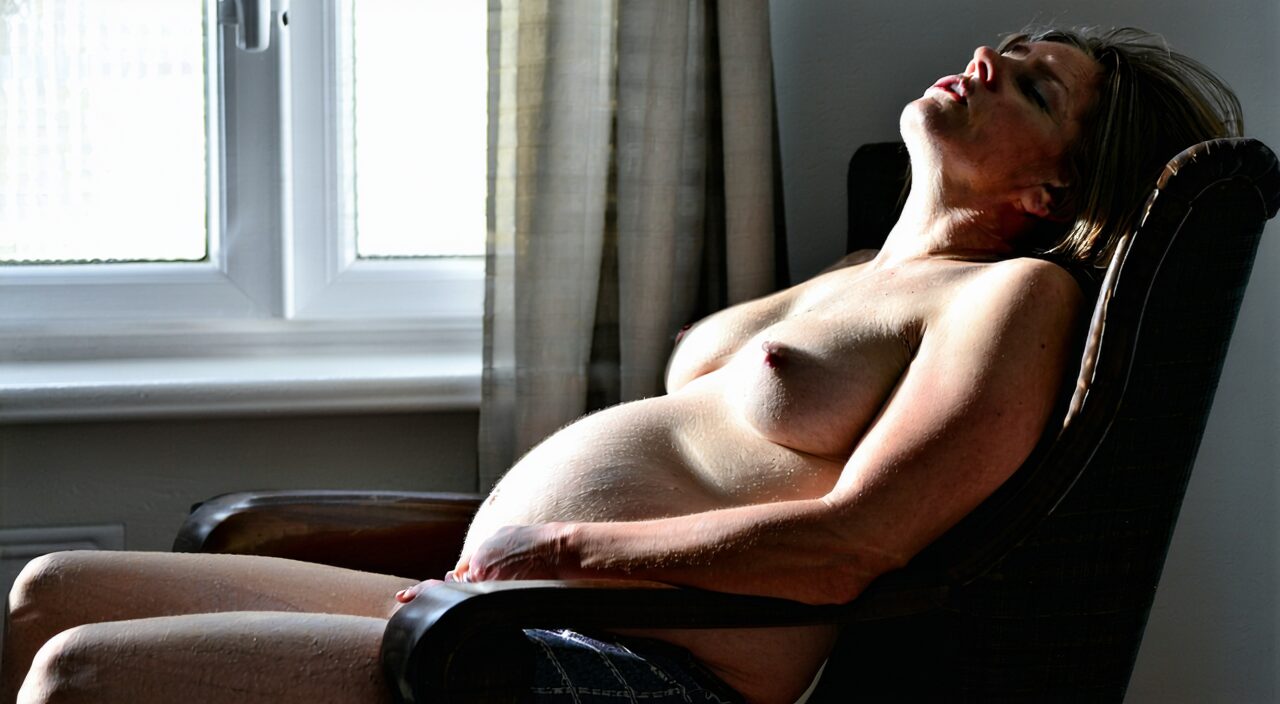
In TCM, the spleen governs the transportation and transformation of food essences and also rules the muscles and limbs. When the spleen’s function is insufficient, even if one does not eat much, the body may be unable to efficiently convert food into positive energy; instead, it generates what we do not want – “dampness” and “turbidity.” Under such conditions, the abdominal muscles easily lose their proper tension and become flaccid, forming what is known as “puffy fat.”
Typical Manifestations of Spleen-Deficiency Abdominal Obesity
- The abdominal flesh is soft, lacking elasticity, like a loose cushion.
- Poor stamina, low energy, a weak voice, and pronounced drowsiness especially after meals.
- A complexion that is yellowish or sallow, with relatively pale lips.
- Appetite may be normal or even reduced, yet the body weight slowly increases, especially around the abdomen.
People with this constitutional tendency often have a history of crash dieting, prolonged overwork, excessive rumination, or irregular eating habits that have damaged spleen qi. The more tired they become, the less they want to move; the less they move, the weaker the spleen’s transportation becomes, forming a vicious cycle.
For such cases, simply adopting cold-nature weight-loss teas or aggressive exercise may further deplete spleen qi.
Regulatory Approach: Reinforce the Spleen’s Power of Transportation
The classical approach begins with “fortifying the spleen and boosting qi,” gradually restoring spleen and stomach function, so the body’s energy supply chain returns to normal and no longer easily generates surplus dampness-phlegm. Shen Ling Bai Zhu San is a representative formula in this direction, often considered for patterns of spleen qi deficiency with dampness. Xiang Sha Liu Jun Wan, which adds qi-moving components, is more suited for those with spleen deficiency prone to bloating and indigestion. However, each person’s constitution is different, so factors like stools, appetite, and tongue appearance must be weighed together.
Qi Stagnation and Stuffiness – When the Belly Is Hard and Distended
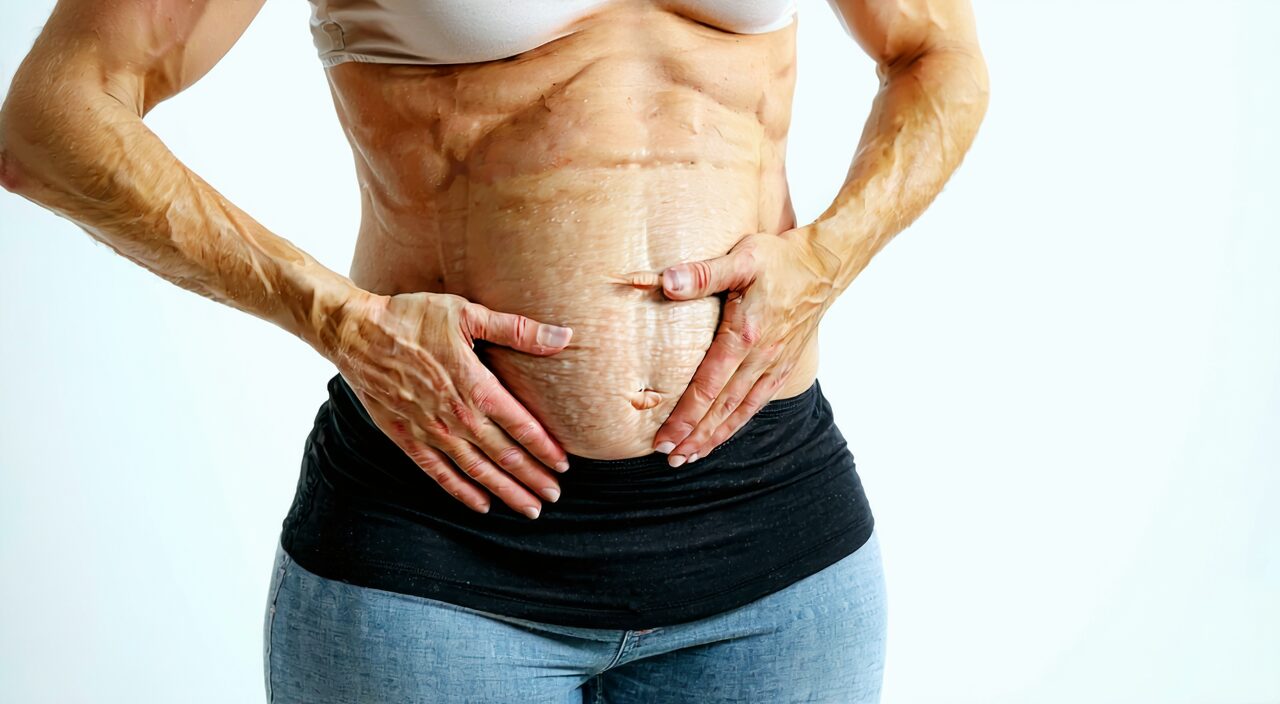
There is another distinctive type of abdominal obesity, where the belly is not soft but hard and markedly distended, like a ball fully inflated with air. This is more commonly seen in people with a sturdy build. This situation is often associated with impeded qi flow, stagnant heat in the liver and stomach, or food accumulation. Major emotional swings, high stress, eating too quickly, and frequent social eating are common triggers.
Typical Manifestations of Qi-Stagnation Abdominal Obesity
- The abdomen is full, firm, and resistant; tapping produces a drum-like sound, and bloating is often present.
- Frequent belching, hiccupping, or a sensation of distension in the chest and hypochondrium.
- Emotional tension or anxiety aggravates the abdominal bloating.
- Bowel movements may be irregular – sometimes dry, sometimes loose – with excessive flatulence.
In such cases, it is not that the body lacks energy but rather that the pathways for energy circulation are blocked; qi, food, and dampness are congested in the middle burner, and the abdomen naturally swells. If one tries only to tonify the spleen or simply restrict calories without unblocking the qi mechanism, changes are hard to achieve.
Regulatory Approach: Move Qi, Remove Stagnation, and Restore the Descent and Ascent of Qi
Classically, methods to regulate qi, promote digestion, and guide turbidity downward are used to help the abdomen return to a state of free flow. Xiang Sha Liu Jun Wan also has some applicability here, as it both strengthens the spleen and moves qi. If food stagnation is prominent, formulas like Bao He Wan may be considered. But again, it must be based on the individual’s specific situation; self-selection carries risks.
Lifestyle Factors and Directions for Daily Adjustment

Whether the tendency is toward dampness-phlegm, spleen deficiency, or qi stagnation, the formation of abdominal obesity is often closely related to long-standing lifestyle habits. The following points can serve as directions for daily self-observation and adjustment, though they do not constitute a treatment plan.
Eating Rhythm Is More Important Than What You Eat
Many people with abdominal obesity tend to have the following habits:
- Eating too quickly
- Irregular meal times
- Eating dinner too late or too heavily
From a TCM perspective, these habits disrupt the normal rhythm of spleen and stomach transportation, making it easier for food and fluids to stagnate and generate dampness. Trying to slow down the pace of eating, moving dinner earlier, and reducing portion sizes may be the first step toward improvement.
Gentle, Consistent Activity Outweighs Intense, Sporadic Efforts
Overly intense exercise, especially when the constitution is weak, may actually consume qi and worsen spleen deficiency. Some physical practices valued in traditional Chinese medicine may better assist the circulation of qi and blood and the transport of water-dampness:
- Ba Duan Jin (Eight Brocades)
- Walking after meals
- Gentle abdominal and lower-back massage
The key is consistency, not one-off, drenching sweats.
The Relationship Between Emotions and the Abdomen Cannot Be Ignored
Many people notice that stress and emotional tension increase bloating, making the abdomen feel even more “inflated.” This is related to impeded qi movement. Trying a few minutes of slow abdominal breathing before bed, or gently stretching the waist and abdomen to relax, may help relieve the sensation of abdominal fullness.
Understanding Classical Formula Approaches and Cautions for Use
The formulas mentioned above – Shen Ling Bai Zhu San, Er Chen Wan, Xiang Sha Liu Jun Wan – are among those that traditional Chinese medicine may select when addressing patterns such as spleen deficiency generating dampness or dampness-phlegm obstructing the middle burner. However, each has its own emphasis and cannot be lumped together, nor simply matched to a symptom.
| Formula | Characteristics and Suitable Pattern Direction (for reference only) |
|---|---|
| Shen Ling Bai Zhu San | Focuses on strengthening the spleen and percolating dampness; often used for fatigue, lack of strength, and loose stools due to spleen deficiency with dampness excess. |
| Er Chen Wan | Focuses on drying dampness and transforming phlegm; often used for marked dampness-phlegm with nausea, copious phlegm, and a white, greasy tongue coating. |
| Xiang Sha Liu Jun Wan | Focuses on fortifying the spleen and moving qi; often used for spleen deficiency with qi stagnation, obvious abdominal bloating, and indigestion. |
It must be emphasized that these are only an introduction to traditional usage directions and do not mean that one can simply choose to use them based on the surface appearance of abdominal obesity. Each person’s constitution is often mixed, and may even involve combined cold and heat or deficiency and excess patterns. Whether a particular proprietary Chinese medicine is appropriate should be determined by considering the product instructions, individual constitutional characteristics, and professional guidance, especially for long-standing, stubborn abdominal obesity – self-experimentation is even less advisable.
When to Consult a Professional
Although abdominal obesity is common, the following circumstances suggest the need for more cautious attention:
- The abdomen enlarges rapidly over a short period, not attributable to routine dietary factors.
- Accompanied by marked pain, tenderness, masses, or an abnormal sensation of distension.
- Accompanied by severe digestive abnormalities, such as persistent diarrhea, constipation, black stools, or unintentional significant weight loss.
- Accompanied by serious emotional issues, such as long-term anxiety or depression that interfere with daily life.
- No change or continued worsening of abdominal shape and accompanying symptoms after months of self-directed lifestyle adjustments.
In these situations, one should first consult a physician and undergo necessary examinations to rule out organic diseases or other health risks, and should not interpret them solely from the perspective of TCM constitution.
Summary
From the TCM viewpoint, abdominal obesity and a protruding belly are not isolated body-shape problems but are often regarded as abdominal manifestations of internal disharmonies such as dampness-phlegm, spleen deficiency, or qi stagnation. By observing the softness or firmness of the abdomen, accompanying symptoms, and overall body condition, one can better understand which pattern one may lean toward – but this should never be used to “label” oneself or directly to self-medicate.
Adjusting eating rhythm, engaging in gentle exercise appropriate to the body’s current state, and paying attention to the link between emotions and the abdomen – these lifestyle adjustments can offer some support regardless of one’s constitutional tendency. As for patent Chinese medicines or formulas, they should only serve as directions for further understanding. Whether they are suitable and how to use them must be based on individual specifics and professional judgment.
Maintaining a healthy waistline is a long-term, comprehensive process; no single method can deliver instant results. Patience and perceptiveness are more important than a hurried pursuit of a smaller waist. If you are unsure about your own condition, or if any warning signs mentioned above are present, seeking timely professional evaluation is the safest course of action.