
10 Common Questions About TCM Weight Management: Body Constitution, Diet, and Choosing TCM Formulas

Many people who try to manage their weight through traditional Chinese medicine (TCM) encounter a wide range of conflicting advice: some recommend eliminating dampness, others emphasize strengthening the spleen, and still others mention soothing the liver and relieving stagnation. Faced with various TCM formulas and classical remedies, those without a systematic understanding of TCM theory can easily feel lost.
This article selects 10 typical questions about TCM weight management, covering body constitution recognition, daily self-care principles, and how to view herbal products. It offers a restrained and clear overview to help you find a direction, rather than handing out a “one-size-fits-all” plan.
Does being overweight always mean you have too much dampness?
Traditional Chinese medicine understands a heavy body habitus from multiple angles. “Excessive dampness” is just one common description, but it is by no means the only explanation.
Some people indeed present with a thick, greasy tongue coating, a pronounced sensation of heaviness in the body, and sticky, incomplete bowel movements – signs that may be categorized as “dampness obstruction.” However, many overweight conditions are linked to insufficient spleen and stomach transportation and transformation, constrained qi movement, or even yang deficiency with water flooding. In these cases, simply draining dampness may not be appropriate.
Therefore, you cannot equate “overweight” with “heavy dampness.” If self-care brings little improvement after a period, or if you experience marked fatigue, aversion to cold, or edema, it is better to consult a TCM professional for an individualized assessment rather than persistently “eliminating dampness” on your own.
Is TCM weight management just about causing diarrhea or urination?

This is a widespread misunderstanding. It is true that some traditional formulas contain herbs that promote urination and leach out dampness or moisten the intestines and promote bowel movements. These are often used in stages that require “draining dampness” or “unblocking the bowels.” However, the TCM approach to body weight goes far beyond this.
In many cases, the focus is on restoring the ascending and descending function of the spleen and stomach, relieving liver qi stagnation, or warming and tonifying the spleen and kidneys. For example:
- For hard-to-control appetite triggered by stress or mood swings, the approach may start from soothing the liver and regulating qi.
- For those with a slower metabolism, aversion to cold, and cold limbs, the tendency may lean more toward warming yang and transforming qi.
Long-term reliance on a single purging method can easily deplete the body’s righteous qi. Therefore, whether to use a relevant TCM formula and how to combine therapies must be weighed against individual constitution and current condition. It is not advisable to simply copy someone else’s “bowel-movement weight loss” experience.
How can I get a basic idea of my obesity body constitution type?
This is indeed a starting point that many people care about. Traditionally, being overweight is often classified into several patterns. These classifications are only a rough cognitive framework; in reality, mixed presentations are common:
- Spleen deficiency with dampness obstruction: common signs include shortness of breath, fatigue, abdominal bloating after meals, loose stools, and soft, flabby muscles.
- Stomach heat with dampness obstruction: more often seen with a ravenous appetite, dry mouth, bad breath, and constipation or sticky bowel movements.
- Liver depression and qi stagnation: frequently linked to stress, irritability, premenstrual breast distension and pain, and a tendency toward “comfort eating.”
- Spleen-kidney yang deficiency: commonly presents with aversion to cold, soreness and weakness of the lower back and knees, and edema.
Trying to diagnose yourself by matching just a few descriptions can easily lead to misjudgment, especially when multiple symptoms overlap. It is better to use these patterns as a direction for understanding, not as a basis for directly deciding which prescription or TCM formula to use.
Can I simply steep common dampness-draining weight-loss herbs in water and drink them daily?
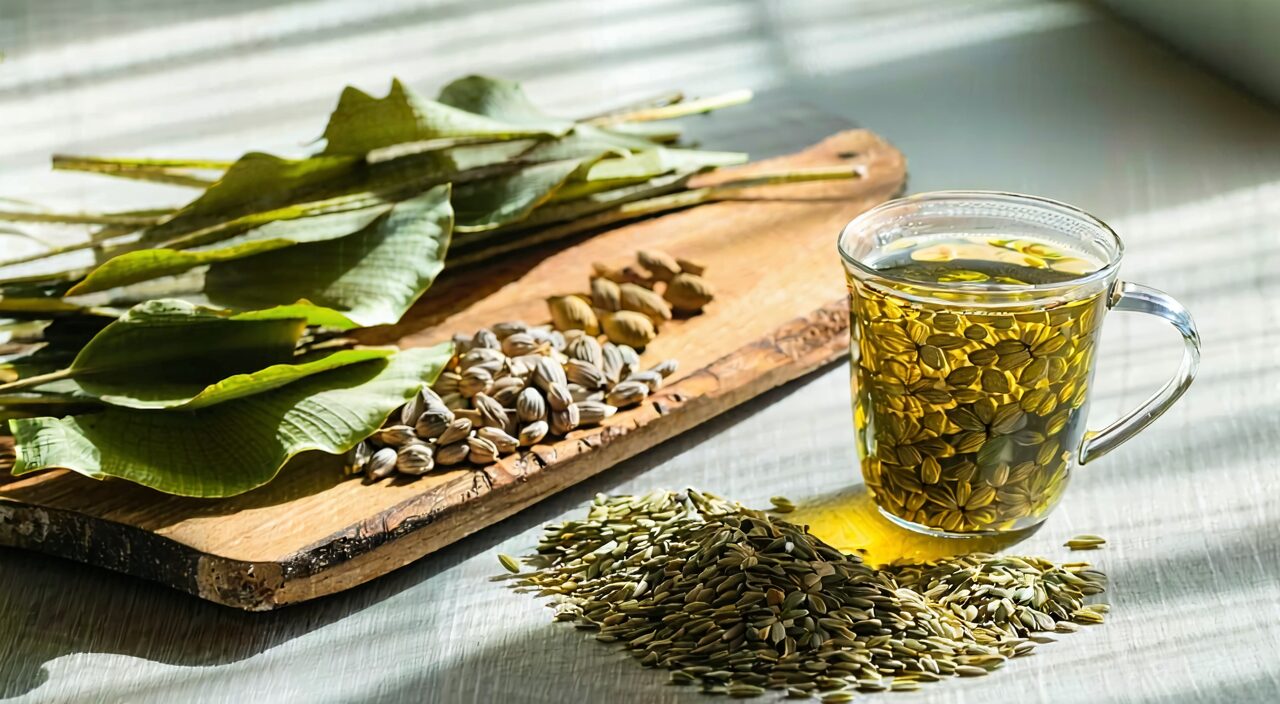
Herbs such as heye (lotus leaf), juemingzi (cassia seed), zexie (alisma rhizome), yiyiren (coix seed), and dongguapi (winter melon rind) are traditionally common in weight management strategies and are often used in herbal tea suggestions. However, long-term, high-dose self-administration still calls for caution.
For example:
- Juemingzi is cold in nature; people with spleen-stomach deficiency and cold who take large amounts on their own may experience abdominal discomfort or a marked increase in bowel movements.
- Zexie has strong diuretic action and, if used improperly, may damage yin.
Even seemingly gentle materials like yiyiren still have their own medicinal bias. So a safer approach is to treat such single-herb teas as short-term, low-frequency trials and closely observe your body’s reaction.
If you already have pronounced aversion to cold, indigestion, menstrual irregularities, or other concerns, it is more advisable to consult a TCM practitioner familiar with your condition first, rather than casually buying large quantities of raw herbs to decoct and drink every day.
Can I drink tea while taking TCM formulas?
This depends on the specific formula and the type of tea. A common concern is that the tannins in tea may react with certain herbal constituents and affect absorption. Moreover, strong tea itself is bitter and cold in nature and has a stimulant effect.
Many TCM formulas used for weight management focus on fortifying the spleen and harmonizing the stomach or soothing the liver and regulating qi. If you drink strong tea while taking such formulas, it may interfere with the body’s response to the intended regulation. General recommendations include:
- Separate tea drinking from taking the formula by at least one hour.
- Choose mild, weak tea where possible.
- Those with weak spleen and stomach or who are prone to palpitations and poor sleep would be better off reducing tea intake.
If the formula’s package insert clearly lists dietary restrictions, those instructions should be followed first.
Can I continue taking body-regulating TCM formulas during my menstrual period?
This depends on the specific formula’s composition and on your individual menstrual condition.
Many formulas whose primary actions are invigorating blood and moving qi can easily affect menstrual blood volume. In particular, if you usually have heavy periods, continuing such formulas during menstruation may increase bleeding or prolong the period. Formulas that mainly tonify the spleen and supplement qi tend to have less impact, but this is not absolute.
A cautious approach is to pause non-urgent regulating formulas at the start of each menstrual period and resume after it ends, unless a professional TCM practitioner has clearly advised you to continue.
If you experience cycle disruption, severe abdominal pain, or abnormal menstrual blood, the priority should be to see a doctor rather than adjusting the dosage on your own.
Does TCM weight management have to be paired with strenuous exercise?

No, it does not. The traditional TCM emphasis on “the balance of activity and stillness” leans more toward gentle, sustained movement that helps qi and blood circulate, rather than pursuing high-intensity energy expenditure.
Many people already experience pronounced fatigue due to spleen deficiency or dampness obstruction. If they immediately begin a large volume of aerobic or strength training, it may actually consume qi and worsen discomfort. Gentler forms of exercise like post-meal walking, Ba Duan Jin (Eight Brocades), or brisk walking tend to be much easier to sustain over the long term. The key lies in regularity and moderation, not in intensity.
Of course, if your physical condition allows, gradually increasing activity levels is beneficial for weight management. But this is only part of the overall picture and cannot replace simultaneous adjustments in diet, daily rhythm, and emotional well-being.
What should I be aware of if I have repeated weight regain accompanied by anxiety and chest tightness?

When weight fluctuates repeatedly and is accompanied by rather obvious anxiety, palpitations, chest tightness, or difficulty sleeping, simply approaching it from the “eat less, move more” angle is often very limited.
From a TCM perspective, this may involve more complex patterns such as liver depression with spleen deficiency or heart-spleen dual deficiency. Such situations deserve serious attention, especially when the following signals appear – they have already exceeded the scope of daily self-care and require timely medical evaluation:
- Chest pain
- Difficulty breathing
- Persistently and noticeably low mood
- Severe insomnia
At this point, it is not appropriate to switch between different brands of TCM formulas on your own or to increase the dosage in an attempt to “suppress” the discomfort. The priority should be to address these core symptoms.
Can TCM methods be used for overweight children and adolescents?
Children and adolescents are still in their growth and development stage. Their organs are delicate and immature, so any intervention must be approached with extra caution.
Most of the TCM formulas and herbal teas commonly available on the market for adults are absolutely not suitable to be directly applied to children. If you genuinely wish to use a TCM approach to support weight management for a child, the most basic prerequisite is an in-person assessment by a professional TCM practitioner with pediatric experience. Parents must not arbitrarily reduce an adult dosage based on their own judgment, nor should they allow children to drink herbal waters with strong medicinal properties over a long period.
More importantly, for children, factors such as dietary structure, screen time, sleep rhythm, and family atmosphere are often far more crucial and cannot be replaced by any medicine.
How should I rationally approach the selection of “TCM weight loss products”?
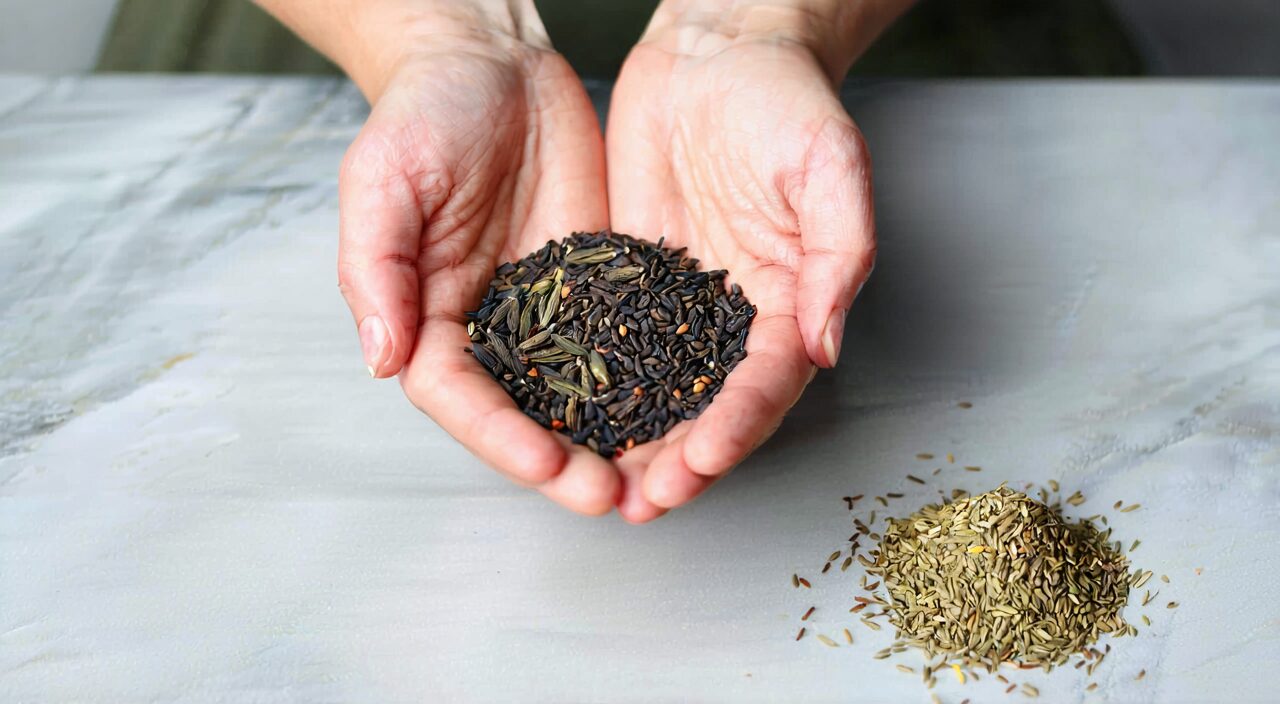
On the market you can find many weight loss and wellness products labeled as “traditional Chinese formulas” or “herbal essence.” Their nature, market access thresholds, and regulatory standards vary widely.
From the logic of Chinese medicine, any product is merely a tool. Whether it can produce a positive effect depends critically on whether its direction roughly matches your current constitution and pattern. A more pragmatic line of thinking could unfold as follows:
- First, try to understand your approximate state – for example, whether you lean more toward deficiency or excess, and more toward cold or heat.
- Then, cross-reference the product’s composition to judge whether its main direction aligns with your own needs.
- For products containing purgative ingredients such as fanxieye (senna leaf), dahuang (rhubarb), or mangxiao (mirabilite), taking them as a daily, long-term oral option is especially not recommended. Ingredients of this class should be used short-term only under clear indications.
- If you are uncertain about your pattern, the simplest approach is not to search and guess on your own, but to seek a formal consultation with a licensed professional TCM practitioner. Explain your situation clearly and allow them to help analyze whether a particular TCM formula may be used as an adjunct.
Summary
The value of Chinese medicine in weight management lies in its attempt to return to individual differences, rather than offering a universal slimming formula. Recognizing body constitution, grasping the medicinal biases of herbs, and comprehensively adjusting lifestyle all take time and patience.
The questions and responses compiled in this article only provide a general foundation of understanding to help you recognize common misconceptions and find a direction for assessment. They are by no means a substitute for one-on-one pattern identification.
If you are considering trying a TCM formula or adjusting your daily herbal tea, first spend a little time observing your body’s signals, especially changes in bowel movements, sleep, appetite, energy, and (if applicable) menstrual cycles. Any regulation should proceed within a framework of relatively safe self-awareness.
When signals such as noticeable weight loss in a harmful way, persistent fatigue, severe edema, or extremely low mood appear – or if you experience a visible decline in your health because of weight loss – you should immediately stop all self-experimentation and turn toward a more comprehensive professional evaluation.
Finally, body weight itself is just one piece of the health puzzle. Focusing too obsessively on the number sometimes causes us to overlook subtle changes in our overall body-mind state. Perhaps after truly understanding your body constitution, you will find that adjusting your diet, sleeping well, and stabilizing your emotions are the gentler and more lasting path.