
A TCM Perspective on Obesity: Body Constitutions, Patterns, and Holistic Approaches Overview

If you are overweight, have noticeable abdominal fat accumulation, or have repeatedly lost weight only to regain it, you have probably tried various methods yet never found a direction that feels solid and sustainable. At such a point, more and more people are turning their eyes to traditional Chinese medicine, hoping to understand their body more systematically through the lens of “body constitution.”
This article does not provide a specific “weight loss plan.” Instead, it attempts to organize the issue of obesity within the framework of body constitution, zang-fu function, and overall state from a TCM perspective. If you are interested in how TCM understands obesity, or if you are seeking a cognitive path that can complement modern health concepts, I hope the following helps you build a clearer outline.
How Obesity Is Understood in Traditional Chinese Medicine
In modern medicine, obesity is typically closely associated with dimensions such as calorie intake, metabolic expenditure, and fat distribution. Traditional Chinese medicine, on the other hand, focuses more on the expression of overall imbalance and rarely discusses body weight in isolation; instead, it places the person within the context of qi, blood, body fluids, zang-fu organs, and meridians.
Descriptions of obesity appear early in TCM classics, often linked to concepts such as “fei gui ren” (obese nobility), “gao ren” (soft, doughy obesity), and “zhi ren” (firm, lipid-type obesity). Generally speaking, TCM holds that obesity is largely related to the accumulation of internal water-dampness, phlegm turbidity, and stasis, and the formation of these pathological products is often the result of impaired transportation and transformation functions of the zang-fu organs.
Common perspectives include:
- The spleen and stomach’s transportation and transformation are weak, leading to internal retention of water-dampness, which accumulates and turns into phlegm and dampness.
- Irregular diet or excessive consumption of rich, fatty, and sweet foods causes heat to accumulate in the stomach and intestines, leading to rapid digestion and frequent hunger, resulting in overeating.
- Emotional imbalance affects the liver’s free coursing function, causing qi dynamic obstruction, which in turn influences metabolism and the distribution of qi and blood.
Thus, in the eyes of TCM, obesity is not a simple formula of “excess calories” but a dynamic process involving multi-layered imbalances. This also explains why two people eating the same amount and having similar activity levels may show completely different weight outcomes—because their constitutional foundations are different.
Common TCM Body Constitution Types and Their Relationship with Obesity
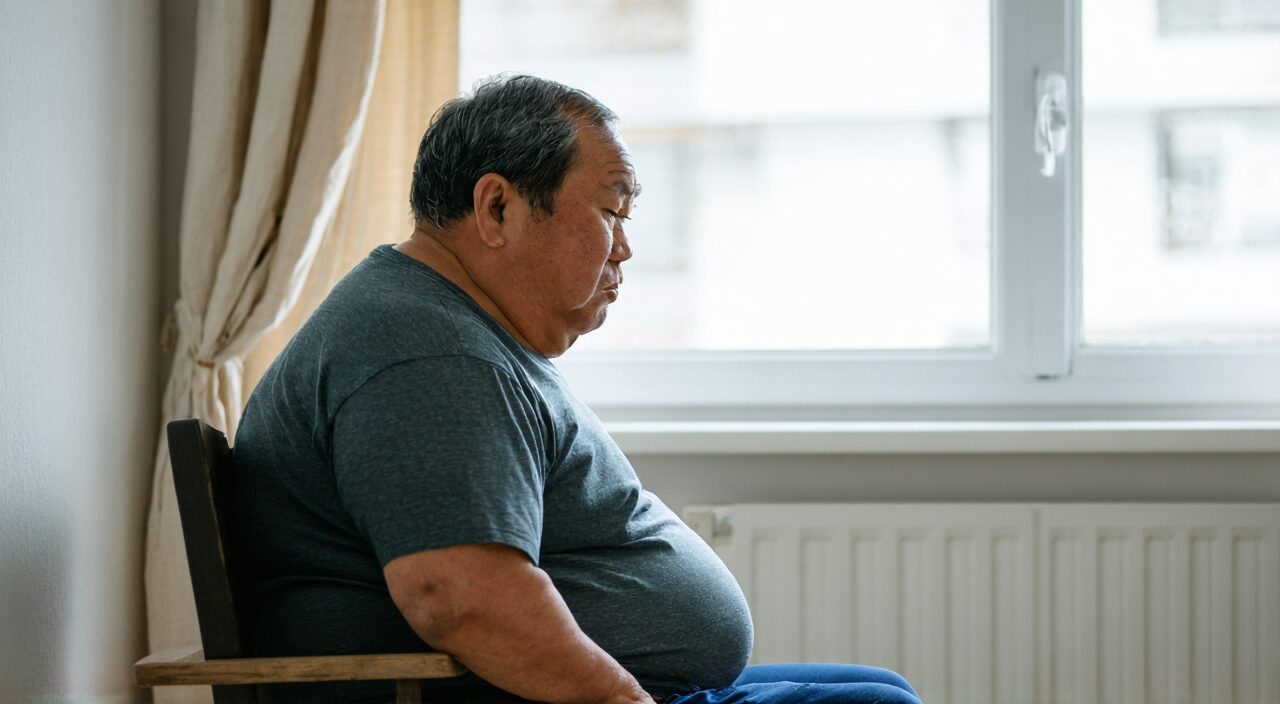
A friendly starting point for understanding your type of obesity is to learn about several body constitution directions frequently discussed in TCM. It should be noted that in practice, it is rarely a single constitution but often a combination of two or three; the following is a simplified overview for ease of understanding.
Phlegm-Dampness Excess Type
This state is most closely associated with the traditional saying “many obese people have phlegm-dampness.”
Common manifestations include:
- Obese body shape with a soft, flabby abdomen
- Easily feeling heavy, lethargic, and fatigued, with little desire to exercise
- Facial skin and hair tend to get greasy
- Enlarged tongue body with a white, greasy coating
From a TCM perspective, this state is mostly related to decreased spleen function in transforming water-dampness. When water-dampness is not transformed, over time it becomes phlegm-dampness, which accumulates under the skin and in the abdomen, easily leading to obesity. For this constitutional direction, traditional conditioning approaches often focus on invigorating the spleen to transform dampness, dispelling phlegm, and unblocking the collaterals.
Spleen Deficiency with Dampness Excess Type
Spleen deficiency with dampness excess overlaps to some degree with the phlegm-dampness type but places more emphasis on the “deficiency” aspect.
Such individuals may not have extremely exaggerated body weight, but their muscles are soft and their appetite is not necessarily strong. Common manifestations include:
- Easily feeling bloated after meals
- Loose or sticky, hard-to-flush stools
- A general sense of “puffy” obesity
- Mental state also easily fatigued
In TCM thinking, the spleen governs transportation and transformation and is responsible for converting dietary essence into qi and blood energy. If the spleen’s function is weak, even if food intake is not large, the conversion efficiency may decline, and the essence that is not effectively utilized turns into dampness and turbidity and stays in the body. Therefore, conditioning for this direction tends to focus more on strengthening the spleen, supplementing qi, and lightly percolating dampness, rather than simply “reducing intake.”
Stomach Heat with Bowel Excess Type
Another relatively common situation is exuberant stomach heat.
Typical manifestations include:
- Strong appetite, easily feeling hungry
- Preference for cold drinks, dry mouth, bad breath
- Dry or constipated stools
In terms of body shape, they may appear sturdy with a relatively full and distended abdomen, and their muscles are relatively firm, but fat also accumulates easily. This state is often related to a diet heavy in spicy, hot, rich, and sweet foods, or accumulated heat in the stomach and intestines.
Traditional conditioning approaches usually consider clearing and draining stomach heat and unblocking the bowels to discharge turbidity. However, this does not mean that bitter-cold substances can be used heavily over a long period; the healthy qi of the spleen and stomach must still be taken into account to avoid damaging their transportation function.
Liver Depression and Qi Stagnation Type
The role of emotional factors in the formation of obesity is often overlooked, yet it holds an important position in the TCM system.
Long-term high stress, emotional tension, excessive contemplation, or being easily irritable and quick to anger can affect the liver’s free coursing function, leading to qi dynamic stagnation. When qi stagnates, water-dampness and blood do not flow smoothly, further triggering metabolic disorders.
This type of obesity is often accompanied by the following:
- Fullness and oppression in the chest and hypochondrium
- Significant weight changes during emotional fluctuations
- Insomnia or unstable sleep
- Women may also experience menstrual irregularities
In terms of conditioning, TCM often starts by soothing the liver, rectifying qi, and harmonizing the liver and spleen to help restore the smooth flow of qi dynamic.
Other Mixed Types
Besides the main directions mentioned above, there are also more complex situations, such as combined phlegm stasis or spleen-kidney yang deficiency, which are commonly seen in people with a longer course of obesity accompanied by multiple bodily discomforts. These states usually require more detailed differentiation and more comprehensive conditioning strategies, making them unsuitable for simple self-matching based on surface symptoms.
Core Principles of TCM Conditioning for Obesity

TCM conditioning for obesity does not center on “reducing fat”; instead, it focuses on restoring the body’s internal balance. The following principles can serve as a holistic understanding framework.
Pattern Differentiation Is Key
For the same excess weight, the conditioning direction for someone with phlegm-dampness excess and someone with spleen deficiency and dampness excess can differ greatly:
- The former emphasizes transforming phlegm and dispelling dampness
- The latter emphasizes strengthening the spleen and supplementing qi
If the same formula or dietary regimen is applied blindly without matching the pattern, not only may the effect be minimal, but it can also easily disrupt the body’s own rhythm. Therefore, when TCM addresses such problems, it strongly emphasizes conducting body constitution identification under professional guidance, rather than self-judging based on surface symptoms.
Regulating the Spleen and Stomach Is Often the Core Link
Regardless of the type, spleen-stomach function is almost always involved. The spleen and stomach are regarded as the pivot of qi’s ascending and descending movements and the transformation of water-dampness. Many approaches to conditioning obesity consider how to get the spleen and stomach “moving” again.
For example, helping the spleen and stomach’s transportation and transformation ability recover gradually through:
- Dietary adjustments
- Appropriate exercise
- Herbal medicine assistance
In this way, water-dampness and phlegm turbidity no longer accumulate easily.
Focus on the Whole Rather Than Local Areas
TCM rarely addresses abdominal fat or limb obesity in isolation; instead, it evaluates weight changes within the overall picture of sleep, mood, bowel and urination habits, energy levels, and appetite.
If the weight does not drop rapidly during the conditioning process but the following improvements appear, from a TCM perspective these are often already signs that the internal environment is moving in a positive direction:
- Deeper sleep
- More abundant energy
- Stools tending toward normal
TCM Lifestyle Perspectives
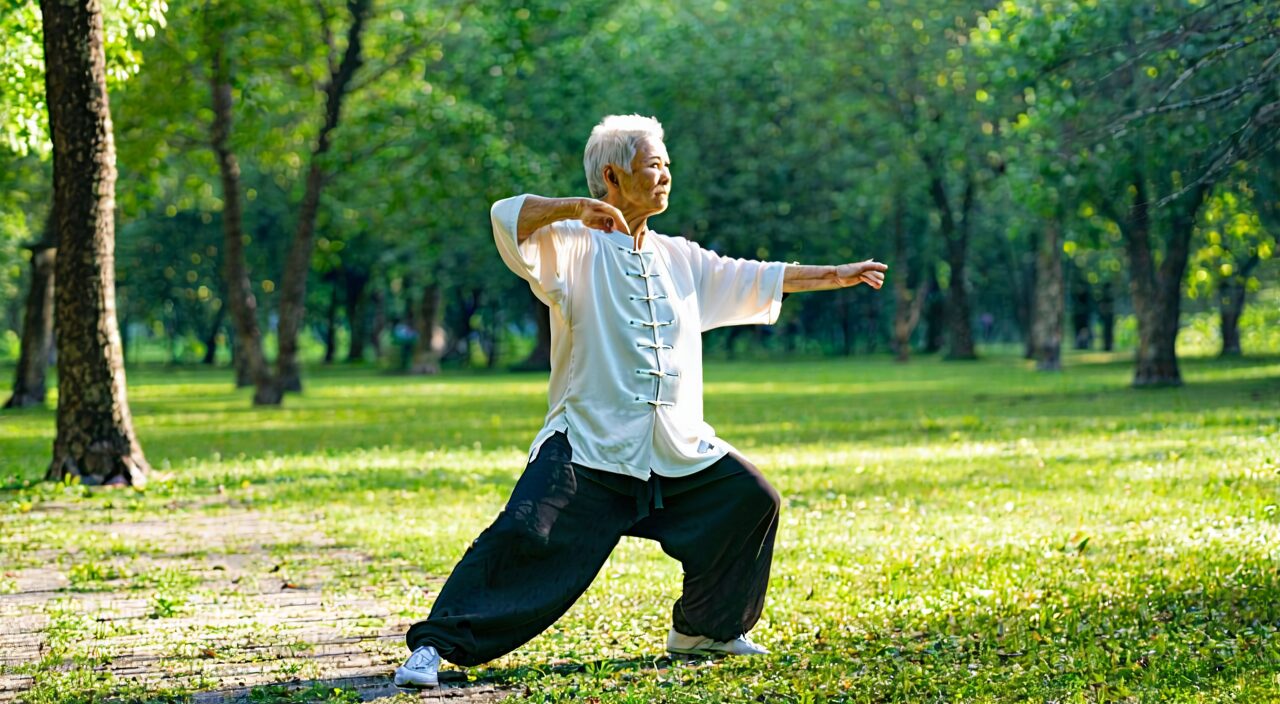
Before seeking various conditioning methods, fine-tuning lifestyle is often the most fundamental and highly regarded step in TCM. Here are a few directions that can be considered in daily life.
Dietary Rhythm and Food Temperature
TCM advises moderation in eating, which is not simply “eating less,” but more emphasis on:
- Regular meals, avoiding binge eating
- Consuming less raw, cold, greasy, and overly sweet foods
Raw and cold foods tend to damage spleen yang and affect transportation; overly rich, thick, and cloying foods easily generate dampness and promote phlegm. Food temperature is also a frequently mentioned factor—habitually eating overly hot or excessively cold foods is not conducive to harmony in the middle burner.
Moderate Exercise to Transform Qi and Move Dampness
TCM does not emphasize high-intensity, heavy-sweating exercise routines. Especially for those with qi deficiency or obvious phlegm-dampness, excessive sweating may actually consume qi and blood.
Traditional concepts tend to recommend gentle and sustained activities, such as:
- Brisk walking
- Ba Duan Jin (Eight Brocades)
- Tai Chi
The purpose is to promote the circulation of qi dynamic and help dampness slowly drain away, rather than pursuing short-term calorie expenditure.
Coordination of Emotion and Sleep
The influence of emotional ease on qi dynamic is repeatedly emphasized in TCM.
- Long-term emotional suppression or anxiety easily affects the liver’s free coursing and thus interferes with spleen-stomach function.
- Sleep is likewise an important time window for conserving and nourishing qi and blood. Insufficient sleep or a disrupted circadian rhythm may aggravate yin deficiency with fire effulgence or internal harassment of phlegm heat, indirectly affecting weight management.
Therefore, adjusting daily routines and allowing time for mental relaxation is an inseparable part of conditioning obesity in TCM thinking.
Selection Perspectives on Traditional Formulas and Chinese Patent Medicines
In TCM practice, some classic formulas or Chinese patent medicines are often used to regulate body constitution states related to obesity. The following is provided only as a direction for further understanding, not as direct recommendations.
Here is a brief overview of several common directions:
| Suitable Direction | Reference Formula / Patent Medicine | Main Idea | Cautions |
|---|---|---|---|
| Predominance of excess heat, sturdy body, strong appetite, dry stools | Fangfeng Tongsheng Wan | Release the exterior, unblock the interior, clear heat, and promote purgation | Suitable for patterns with external cold and internal heat with simultaneous interior-exterior excess; not applicable to all overweight people |
| Spleen deficiency with dampness excess, prone to diarrhea, soft muscles, weak appetite | Shenling Baizhu San | Strengthen the spleen, supplement qi, percolate dampness, and stop diarrhea | Caution is needed if damp-heat is pronounced or if accompanied by food stagnation |
| Phlegm-dampness excess accompanied by chest oppression, nausea, poor appetite, thick greasy tongue coating | Er Chen Wan | Dry dampness and transform phlegm | A relatively gentle basic formula for transforming phlegm; its use must be comprehensively assessed in combination with qi dynamic status and whether heat signs are present |
It must be especially noted that these Chinese patent medicines each have their own applicable directions and constitutional requirements, and mixed patterns may also occur, requiring combined use. No formula or patent medicine should be casually combined or taken over a long period. Whether it is suitable must be determined by comprehensively weighing the individual’s actual body constitution, symptoms, product instructions, and professional advice.
Some Reminders Worth Noting
If you have been chronically overweight and also experience any of the following conditions, these already go beyond simple weight management, and it is more prudent to consult a doctor or relevant professional in a timely manner:
- Severe snoring, sleep apnea
- Joint pain
- Chest tightness and palpitations
- Significant anxiety or depressive mood due to weight issues
Additionally, TCM conditioning is often a relatively slow and gradual process; it is unlikely to bring about large numerical changes in the short term like some rapid weight-loss methods do. If you choose to start from a TCM angle, observing subtle overall improvements in your body with a relatively peaceful mindset may make it easier to persist in the long run.
Summary
TCM views obesity not as an isolated weight problem but understands it within the comprehensive framework of constitutional bias, zang-fu organ function, and the movement of qi, blood, and body fluids. Different directions—such as phlegm-dampness, spleen deficiency, stomach heat, and liver depression—reflect different facets of the body’s internal imbalance.
Facing such issues, the core concept of TCM always lies in pattern differentiation and restoring balance, rather than targeting fat itself. Whether it is lifestyle adjustments or attention to traditional formulas as a direction for understanding, all need to be built on a basic understanding of one’s own body constitution, while respecting individual differences and avoiding a one-size-fits-all approach.
I hope this overview provides you with a relatively clear and restrained TCM cognitive framework, making it easier to find a direction that suits you—rational and sustainable—when you further explore or seek help in the future.