
A Comprehensive TCM Guide to Hair Loss: Understanding the Relationship Between Qi, Blood, Liver, Kidneys, and Hair Loss

Increased hair shedding, gradual thinning, or a receding hairline are common concerns at different life stages. In modern life, factors like stress, sleep patterns, and diet are frequently mentioned. However, from a Traditional Chinese Medicine (TCM) perspective, hair loss is not merely an isolated problem of the scalp or hair follicles; it often reflects underlying imbalances within the body.
This article, grounded in TCM’s holistic view, examines the relationship between hair loss and qi, blood, the liver, kidneys, spleen, and stomach. It introduces TCM understanding of different hair loss types and common approaches to care, helping readers build a preliminary framework for pattern differentiation and serving as a reference for further exploration of specific concerns.
1. How TCM Views Hair Loss: Finding Clues from the “Whole”
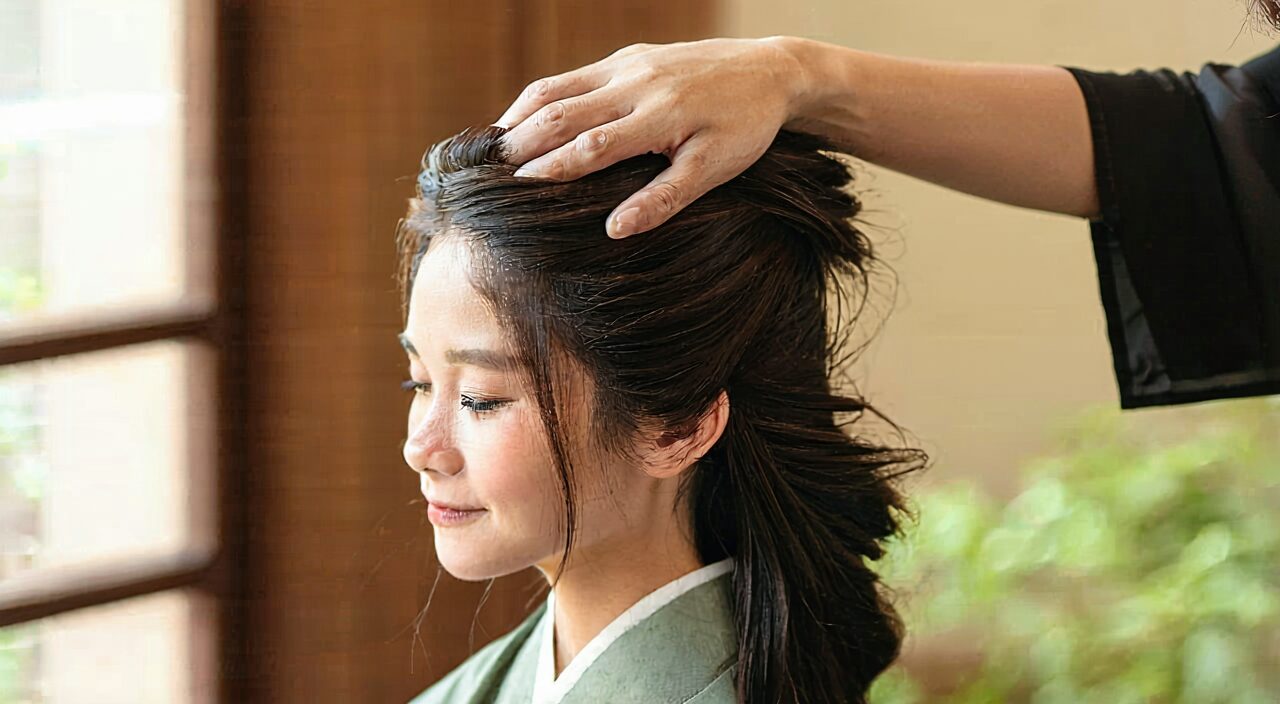
Traditional Chinese Medicine regards hair as the “surplus of blood,” believing that hair’s luster and moisture are closely tied to the abundance of qi and blood. At the same time, “the kidneys manifest their flourishing in the hair,” meaning the strength or decline of kidney essence is often reflected in the hair. The spleen and stomach serve as the source of qi and blood production, while the liver governs the free flow of qi and regulates emotional activity; emotional strain and stress can easily disrupt the liver’s smooth function.
Therefore, in TCM, hair loss is rarely attributed to a single cause. Instead, it is seen as the combined result of disharmonies involving qi, blood, zang-fu organs, meridians, and even emotional imbalances.
1.1. Qi and Blood Deficiency: Hair Loses Nourishment
Blood is the fundamental substance that moistens and nourishes the hair. If prolonged overwork, irregular eating habits, significant blood loss, or excessive rumination depletes qi and blood, the hair fails to receive adequate nourishment. This can lead to increased shedding, fine and limp hair, and dry, yellow, lackluster locks.
Individuals with this pattern often experience accompanying signs such as:
- Pale or sallow complexion, pale lips and nails
- Easy fatigue, dizziness, and blurred vision
From a treatment standpoint, the direction often involves boosting qi and nourishing blood, but individual variations are significant and must be evaluated based on specific symptoms.
1.2. Liver and Kidney Depletion: Essence and Blood Are Insufficient
TCM holds that “the liver and kidneys share the same source.” The liver stores blood, and the kidneys store essence; essence and blood mutually generate each other. If congenital insufficiency, aging, or chronic sleep deprivation and overwork damage the liver and kidneys, essence and blood cannot ascend to nourish the head. This can cause sparse hair, premature graying, and long-standing, stubborn hair loss.
Some may also experience:
- Soreness and weakness of the lower back and knees
- Loosening teeth
- Declining memory
Traditionally, this situation is addressed by tonifying the liver and kidneys and replenishing essence and blood. However, comprehensive pattern differentiation is still necessary, and the same approach does not suit everyone.
1.3. Spleen-Stomach Damp-Heat: Upward Steaming to the Scalp
Some individuals favor rich, greasy, spicy, or sweet foods and may consume alcohol frequently. When the spleen and stomach fail to properly transform and transport, damp-heat is engendered internally. This damp-heat steams upward and accumulates in the scalp, leading to oily hair, hair loss, scalp itching, and even dandruff. This presentation is often associated with seborrheic alopecia.
Such individuals often display the following characteristics:
- Yellow, greasy tongue coating
- Sticky sensation in the mouth, sluggish bowel movements
The treatment focus is typically on clearing damp-heat and fortifying the spleen and harmonizing the stomach, but it is essential to identify whether other concurrent factors are present.
1.4. Blood Heat with Wind-Dryness: Hair Roots Lose Stability
Blood heat can arise from external contraction of wind-heat, excessive consumption of spicy and warming foods, or intense emotions causing fire to flare. When heat lurks in the blood aspect, it scorches the hair roots, and when wind pathogen harasses upward, hair may suddenly shed in patches. This can be accompanied by a sensation of scalp heat, itching, irritability, and prone ness to anger.
Some cases of alopecia areata are understood in TCM as related to blood heat generating wind. Therapeutic strategies traditionally consider cooling the blood, dispelling wind, nourishing yin, and moistening dryness, but careful differentiation is crucial to avoid self-misjudgment.
1.5. Liver Qi Stagnation: Impeded Channel Flow
Chronic mental tension, anxiety, and depression can lead to liver qi constraint. When qi dynamic is obstructed, qi stagnation can progress to blood stasis, blocking the scalp’s collaterals and depriving hair of nourishment. This can result in hair loss that may appear as patches of varying sizes or diffuse thinning.
Such individuals often have the following characteristics:
- Noticeable mood swings
- Chest oppression, frequent sighing
- Distending pain in the hypochondriac region
For this pattern, TCM often considers soothing the liver, regulating qi, invigorating blood, and freeing the collaterals, but adjustments must be made based on the overall condition.
2. TCM Interpretation of Different Hair Loss Types

Common hair loss presentations each have distinct characteristics. When identifying these differences, traditional Chinese medicine integrates systemic symptoms, tongue, and pulse diagnosis to categorize patterns. The following are TCM understanding directions for some common types, provided for reference only and not as a basis for self-diagnosis.
2.1. Alopecia Areata (You Feng / Oily Wind)
Alopecia areata is characterized by the sudden appearance of round or oval patches of hair loss on the scalp with clearly defined borders; some people may discover it without noticing.
TCM views its onset as related to blood deficiency with exuberant wind, liver constraint and blood stasis, or liver-kidney insufficiency. In younger individuals, a sudden episode is sometimes closely tied to drastic emotional fluctuations or excessive fatigue, and approaches often start from soothing the liver, nourishing blood, and dispelling wind.
Recurrent episodes or extensive involvement suggest a more complex internal imbalance, and prompt medical consultation is advised to identify underlying causes.
2.2. Seborrheic Alopecia
This type commonly presents as excessive scalp oiliness, itching, increased dandruff, and hair that progressively becomes finer, softer, and sparser, especially on the vertex and forehead.
TCM frequently interprets this through the lenses of damp-heat brewing internally or blood heat with wind-dryness:
- Damp-heat predominating: Pay attention to a bland diet to avoid exacerbating damp-heat.
- Leaning toward blood dryness: Emphasize nourishing blood and moistening dryness.
It is worth noting that seborrheic alopecia closely correlates with genetics and hormonal factors. TCM approaches typically form part of a holistic management plan and do not replace modern medical diagnosis.
2.3. Postpartum Hair Loss
Postpartum hair loss often occurs weeks to months after childbirth, manifesting as heavy shedding that frequently causes anxiety in new mothers.
TCM holds that childbirth significantly depletes qi and blood, and breastfeeding further consumes qi and blood postpartum, leading to blood deficiency that cannot nourish the hair. Additionally, since the kidneys govern reproduction, transient kidney qi deficiency after delivery can exacerbate hair loss.
This type usually resolves gradually as qi and blood recover. Traditional approaches aim to supplement qi, nourish blood, and tonify the liver and kidneys. However, considering the unique postpartum constitution, aggressive tonification should be avoided, and pattern-based adjustments under professional guidance are recommended.
2.4. Stress-Related Hair Loss and Emotional Hair Loss
Sustained high-intensity work, mental tension, and anxiety can constrict scalp blood vessels and reduce blood supply to hair follicles. From a TCM perspective, constrained emotions lead to liver qi stagnation, qi stagnation leading to blood stasis, and hair roots losing nourishment. Hair loss often presents as diffuse thinning, or clumps of hair coming out when pulling gently.
In such cases, relying solely on topical washes or dietary supplements often yields limited results. It is necessary to combine:
- Emotional regulation
- Improved sleep and daily routines
TCM strategies aimed at soothing the liver, resolving constraint, and harmonizing qi and blood may offer assistance, but severe emotional disorders should also receive professional psychological support.
3. Common Care Approaches and Basic Understanding of Patent Chinese Medicines
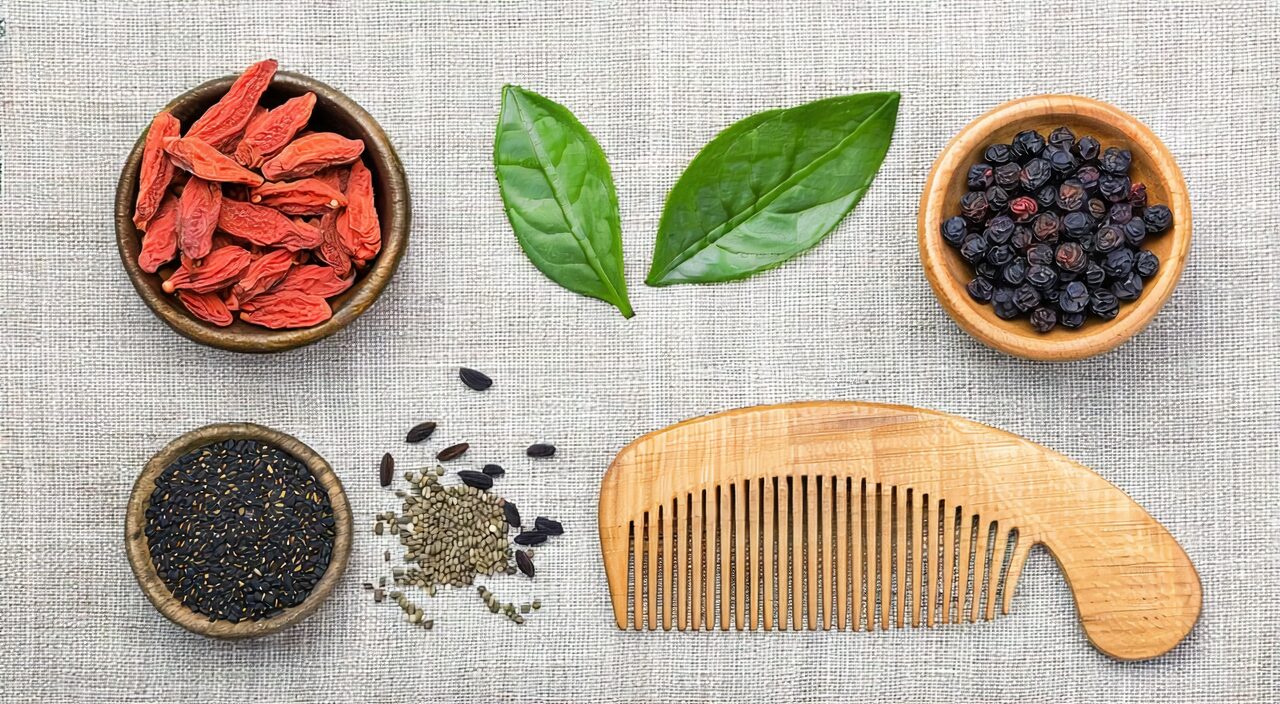
Within the TCM care system, different patterns have corresponding traditional formulas, some of which have been manufactured into patent Chinese medicines for easier use. However, any patent medicine should be selected based on a clear understanding of one’s constitution and pattern; one should not simply reach for a product because it mentions “hair loss.”
Below, we introduce the adaptive scopes of several common patent medicines, helping readers understand which situations they respectively target. This can never substitute pattern differentiation and medical advice.
3.1. Yang Xue Sheng Fa Jiao Nang (Blood-Nourishing and Hair-Growing Capsules)
These formulations often take nourishing blood, dispelling wind, boosting the kidneys, and replenishing essence as their main approach. They are traditionally used for hair loss attributed to blood deficiency with wind-dryness and liver-kidney insufficiency.
Situations they may be suitable for: Hair loss accompanied by scalp itching, dandruff, dry and withered hair, alongside systemic signs of blood deficiency such as lusterless complexion, dizziness, and insomnia.
Caution: In cases of damp-heat or heavy phlegm-dampness, inappropriate use of cloying, blood-nourishing products may worsen discomfort. Before use, one should consider the overall picture including tongue coating and stools, and consultation with a TCM practitioner is advised.
3.2. Qi Bao Mei Ran Wan (Seven Treasures for Beautiful Beard and Hair Pill)
Qi Bao Mei Ran Wan is a renowned traditional formula for tonifying the liver and kidneys, commonly used for premature graying of beard and hair, hair loss, loosening teeth, and soreness of the lower back and knees caused by liver-kidney deficiency.
Situations it may be appropriate for: Hair loss accompanied by prominent deficiency signs, such as sore back and weak legs, low energy, and memory decline, without significant signs of damp-heat accumulation.
Caution: Liver-kidney depletion can lean toward yin deficiency or yang deficiency, and Qi Bao Mei Ran Wan’s composition tends toward warm supplementation. Inappropriate use by those with yin deficiency fire effulgence may lead to reactions such as “ascendant heat.” Careful assessment is necessary before considering it.
3.3. Ba Zhen Wan (Eight Treasure Pill) and Gui Pi Wan (Spleen-Returning Pill)
| Patent Medicine | Primary Focus | Common Reference Indicators | Precautions |
|---|---|---|---|
| Ba Zhen Wan | Dual supplementation of qi and blood | Pale or sallow complexion, shortness of breath, reluctance to speak, fatigue, dizziness, palpitations; hair loss clearly linked to marked qi and blood weakness | Must strictly differentiate constitution from Gui Pi Wan; do not interchange |
| Gui Pi Wan | Heart and spleen deficiency | Shortness of breath, palpitations, insomnia with excessive dreaming, tendency to fright, poor appetite; hair loss caused by excessive rumination | Should not be taken long-term without pattern re-evaluation |
Shared reminder: These two medicines require strict constitutional differentiation and must not be mixed up or taken long-term without adjusting based on pattern changes.
Before using any patent Chinese medicine, carefully read the product insert, paying special attention to the [Functions and Indications], [Usage and Dosage], and [Precautions]. If you lack a clear understanding of your body constitution and pattern, it is strongly recommended to consult a qualified TCM practitioner or pharmacist first to avoid delays or adverse reactions from incorrect use.
4. Daily Lifestyle Adjustments and When to Seek Medical Attention

Improving hair loss often requires a combination of internal and external approaches with gradual adjustments. The following directions can serve as daily references but do not guarantee any specific outcomes.
- Ensure adequate sleep: Staying up late can stealthily consume yin-blood and damage the liver and kidneys. A regular sleep schedule supports the generation of qi and blood.
- Balanced nutrition: Avoid restrictive or unbalanced diets. Consume adequate high-quality protein, dark-colored foods (black sesame, black beans, etc.), fresh vegetables, and fruits in moderation.
- Emotional management: Release stress through meditation, exercise, socializing, etc., to keep liver qi free-flowing.
- Proper hair care: Avoid excessive dyeing, heat styling, and pulling. Choose gentle hair care products and moderately massage the scalp to promote collateral circulation.
Seek prompt medical attention if the following occur:
- Sudden patchy hair loss with expanding bald areas
- Redness, swelling, pustules, or obvious atrophy of the scalp
- Accompanied by systemic symptoms such as severe fatigue, fever, or unexplained significant weight loss
- Progressive worsening of hair loss affecting mental health
It is advisable to visit the dermatology or TCM department of a reputable hospital for necessary examinations to rule out other causes such as cicatricial alopecia, telogen effluvium, thyroid disorders, or autoimmune diseases. TCM care can be part of a comprehensive management plan but cannot replace necessary definitive diagnosis.
Summary
In TCM, hair loss is not an isolated problem; it often signals internal imbalances in qi, blood, the liver, kidneys, spleen, stomach, or emotional state. The characteristics and accompanying symptoms of hair loss vary greatly from person to person. TCM provides individualized approaches by distinguishing patterns such as qi and blood deficiency, liver-kidney depletion, damp-heat brewing internally, blood heat with wind-dryness, and liver qi stagnation.
Common patent Chinese medicines like Yang Xue Sheng Fa Jiao Nang and Qi Bao Mei Ran Wan each have their traditional adaptive directions, but they must be chosen based on the cold, heat, deficiency, or excess nature of one’s specific constitution. Blindly taking them can be counterproductive.
This article has provided a broad overview of TCM’s understanding of hair loss, aiming to help readers build a preliminary framework for pattern differentiation so they can better grasp their situation and explore further directions. Whether for daily care or considering the use of patent medicines, it is recommended to proceed under the guidance of a professional TCM practitioner. Especially for prolonged, heavy hair loss or cases accompanied by significant systemic discomfort, one should seek timely medical help to identify the root cause.