
Who is Long Dan Xie Gan Tang Suitable For? Composition, Effects and Contraindications

Many people hear the name “Long Dan Xie Gan Tang” when they experience bitter taste, irritability, distending pain in the hypochondriac region, or dark yellow urine. In traditional Chinese medicine, it is often used to address patterns related to “liver-gallbladder damp-heat” and “liver fire flaring up”.
However, Long Dan Xie Gan Tang is not suitable for everyone; improper use can cause discomfort. This article focuses on its composition, traditionally understood effects, possible suitable presentations, and contraindications to note, and compares it with formulas such as Jia Wei Xiao Yao San, Huang Lian Jie Du Tang, Dao Chi San, and Chai Hu Shu Gan San, offering a relatively clear direction of understanding for overseas readers.
Composition of Long Dan Xie Gan Tang
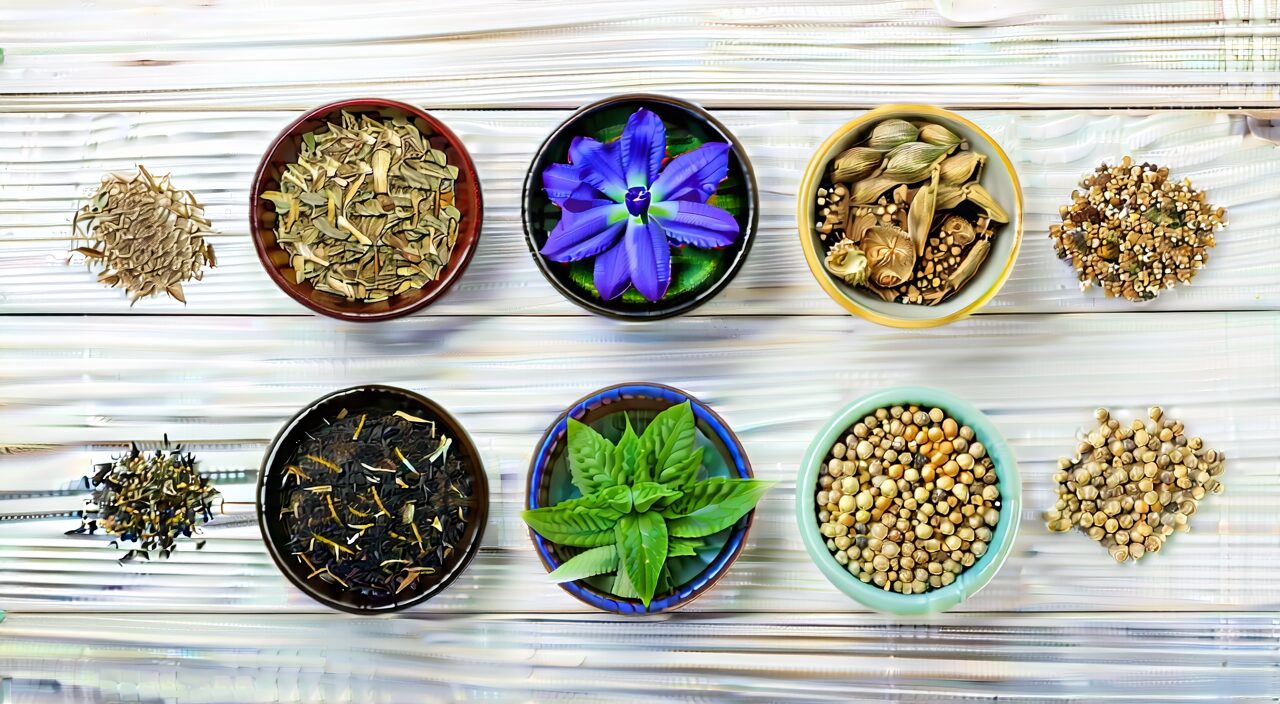
The classic composition of Long Dan Xie Gan Tang comes from the Yi Fang Ji Jie (Collected Expositions of Medical Formulas), designed to clear liver-gallbladder excess fire and drain damp-heat from the liver channel. The common ingredients are as follows:
| Herb (Chinese) | Approximate action in the formula |
|---|---|
| Long Dan Cao (Gentian) | Clears liver-gallbladder excess fire, drains liver-gallbladder damp-heat |
| Huang Qin (Scutellaria) | Clears heat and dries dampness, drains fire and resolves toxins |
| Zhi Zi (Gardenia) | Drains fire and eliminates irritability, clears heat and promotes diuresis |
| Ze Xie (Alisma) | Promotes water metabolism and percolates dampness, vents heat |
| Mu Tong (Akebia) | Promotes urination and unblocks strangury, guides heat downward |
| Che Qian Zi (Plantain seed) | Promotes urination and unblocks strangury, clears the liver and brightens the eyes |
| Dang Gui (Angelica sinensis) | Nourishes and invigorates the blood, prevents bitter-cold dryness from damaging yin |
| Sheng Di Huang (Rehmannia) | Clears heat and cools the blood, nourishes yin and generates fluids |
| Chai Hu (Bupleurum) | Soothes the liver and relieves stagnation, guides the herbs into the liver channel |
| Gan Cao (Licorice) | Harmonizes the other herbs, relaxes spasms and protects the middle |
Overall, the formula is dominated by bitter-cold herbs that clear heat and drain dampness, combined with a small amount of blood-nourishing and yin-enriching ingredients. This combination aims to drain while supplementing, preventing excessive clearing and draining from damaging yin and blood.
Traditional Effects: From Clearing Liver-Gallbladder Excess Fire to Draining Damp-Heat
Traditional Chinese medicine does not view Long Dan Xie Gan Tang as a formula to treat a specific disease name, but rather uses it based on “pattern”. It mainly revolves around two directions:
- Clearing liver-gallbladder excess fire: For headaches, red eyes, hypochondriac pain, bitter taste, ear swelling, or sudden hearing decline caused by emotional constraint and liver depression transforming into fire, it is often considered as a reference direction.
- Draining liver channel damp-heat: For manifestations such as genital dampness, painful urinary dribbling, or thick yellow vaginal discharge caused by damp-heat pouring downward along the liver channel, it is also frequently used in relevant regulating strategies.
It is important to note that these understandings are based on traditional pattern differentiation. Whether it is suitable for an individual still requires comprehensive judgment combined with specific tongue and pulse presentation and overall body condition. It should not be used on one’s own based on only one or two symptoms.
Possible Suitable Presentations
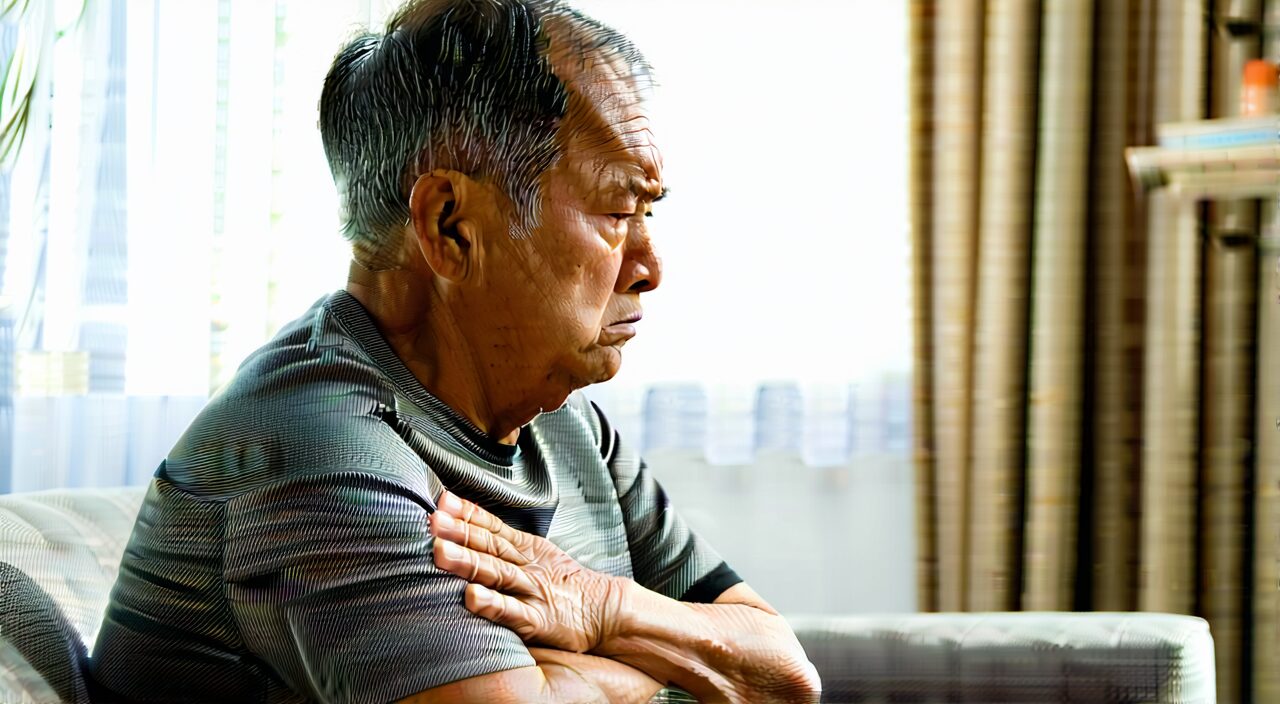
From a traditional pattern differentiation perspective, Long Dan Xie Gan Tang leans more toward “excess patterns” and “heat patterns”. The following types of presentations may overlap with its scope of application:
- Bitter taste and dry mouth, relatively strong mouth odor, especially noticeable in the morning and during emotional fluctuations
- Distending pain or burning sensation in the hypochondriac region, emotional irritability and proneness to anger, easily angered by minor matters
- Dark yellow, burning urination, or hesitant, incomplete urination
- Manifestations related to damp-heat pouring downward, such as dampness in the groin area, genital itching, thick yellow vaginal discharge, or scrotal dampness
- Head distension and pain, red and swollen eyes, or sudden tinnitus and hearing decline accompanied by vexation
These manifestations often appear together and are mostly acute or worsening over a short period, with tongue coating frequently appearing yellow and greasy.
If only one or two symptoms appear occasionally, or if the body is generally deficient, it may not align with the traditional application thinking of Long Dan Xie Gan Tang. It is advisable to first have a professional assess constitution and pattern before deciding on the next steps.
Who Should Pay Special Attention or Avoid Use
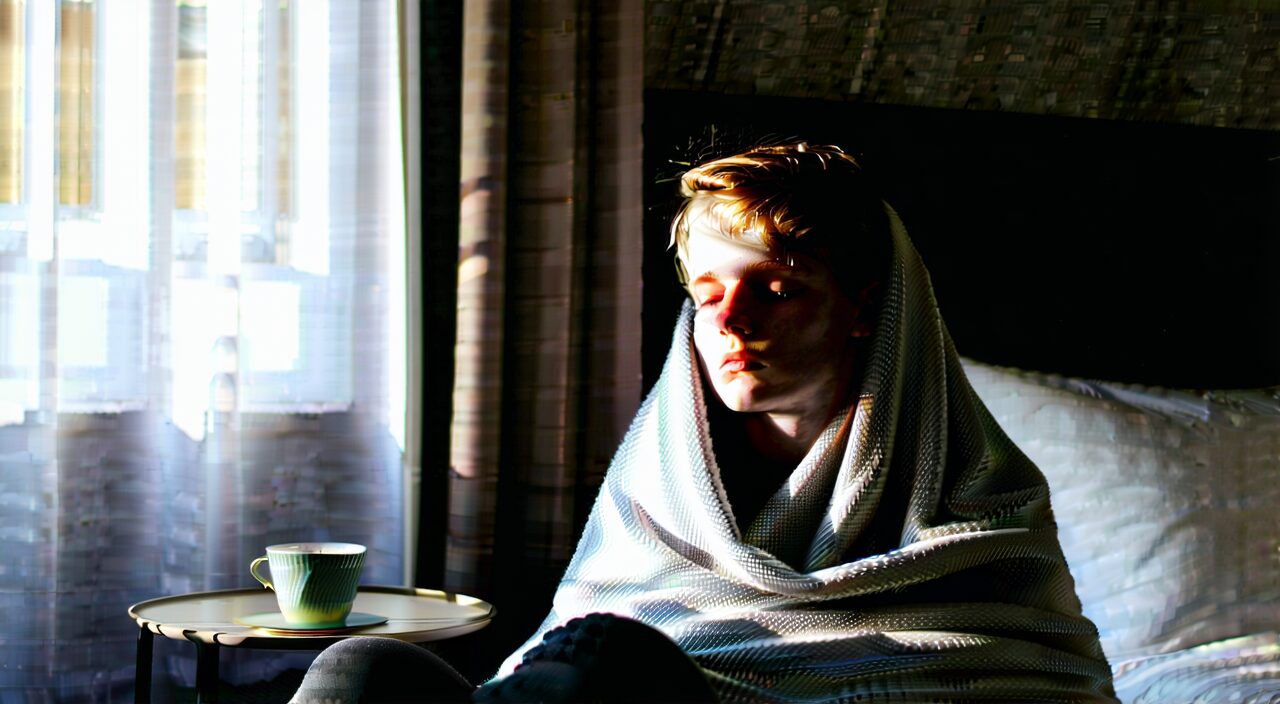
Long Dan Xie Gan Tang has a relatively strong bitter-cold nature. The following groups of people are generally not considered suitable candidates for this regulating approach:
- Spleen-stomach deficiency cold: Those who usually experience abdominal bloating, aversion to cold, loose or unformed stools, with a pale and swollen tongue bearing tooth marks. Bitter-cold medicinals may further affect digestive function and cause discomfort.
- Obvious yin deficiency: Heat in the palms and soles, dry mouth and throat without much desire to drink, night sweats, red tongue with little coating. This group needs yin nourishment and moistening dryness, rather than strong clearing and draining.
- Qi and blood deficiency: Sallow complexion, fatigue and dizziness, palpitations and shortness of breath. Long Dan Xie Gan Tang has a relatively strong qi-breaking and fire-draining action, which may worsen the deficient state.
- Long-term self-administration: Regardless of the formula, long-term use without pattern differentiation is not recommended. Especially when the constitution has already changed, regular reassessment should be conducted.
- Pregnant women, breastfeeding women, and children: These special populations are more sensitive to the actions of medicinals. Self-experimentation should be avoided, and professional consultation should be prioritized.
Even if presentations seem to match liver-gallbladder damp-heat, when accompanied by obvious physical weakness, decreased appetite, chronic diarrhea, or long-term fatigue, one should be cautious, to avoid creating new problems through excessive clearing and draining.
Comparison with Several Common Formulas
Many people tend to confuse Long Dan Xie Gan Tang with formulas like Jia Wei Xiao Yao San and Huang Lian Jie Du Tang. Here is a simple directional distinction. All comparisons are based on traditional pattern differentiation thinking; specific application requires judgment in combination with individual circumstances.
| Formula | Key Focus | Reference Application | Main Difference from Long Dan Xie Gan Tang |
|---|---|---|---|
| Jia Wei Xiao Yao San | Liver depression transforming into heat with blood deficiency and spleen weakness | Emotional depression, premenstrual breast distension, fatigue mixed with irritability | Milder heat-clearing strength, also addresses blood nourishment and spleen strengthening |
| Huang Lian Jie Du Tang | Intense fire toxin heat in the triple burner | High fever and irritability, dry mouth and throat, vomiting blood or nosebleeds | Focuses on draining fire and resolving toxins; the damp-heat downward pouring tendency is less pronounced |
| Dao Chi San | Heart channel heat transferring to the small intestine | Mouth and tongue sores, short dark painful urination | Disease location centers on the heart and urethra; cleaning and draining strength is lighter |
| Chai Hu Shu Gan San | Liver qi stagnation, qi stagnation and blood stasis | Hypochondriac distending pain, frequent belching | Mainly soothes liver and regulates qi; fire and damp-heat characteristics are not prominent |
Through comparison, one can see that seemingly similar formulas have different pattern differentiation directions and applicable stages behind them. Before choosing, it is necessary to clarify whether qi stagnation, blood deficiency, damp-heat, or excess fire is more predominant.
Summary
Long Dan Xie Gan Tang is regarded in traditional Chinese medicine as a classic formula for clearing liver-gallbladder excess fire and draining liver channel damp-heat. It may be more suitable for individuals with prominent excess and heat patterns, such as bitter taste, hypochondriac discomfort, irritability and irascibility, dark yellow urine, and damp-heat pouring downward. However, its bitter-cold nature makes it unsuitable for long-term or unsupervised use by those with spleen-stomach deficiency cold, yin deficiency, or qi and blood deficiency.
Whether it is Long Dan Xie Gan Tang, Jia Wei Xiao Yao San, Huang Lian Jie Du Tang, Dao Chi San, or Chai Hu Shu Gan San, each corresponds to different pattern identification premises. Physical discomfort is often not singular. It is recommended that when considering these traditional formulas, one should combine individual constitution, specific symptoms, and comprehensive judgment from a professional, and avoid blindly applying formulas.
This article is for educational reference only and cannot replace professional diagnosis or individualized regulating advice.