
Who is Wendan Tang Suitable For? Composition, Benefits, and Contraindications

Many people become interested in the traditional Chinese medicine formula Wendan Tang (Warm the Gallbladder Decoction) because of restless sleep, chest tightness, copious phlegm, or being easily startled. It is a classic formula, but not suitable for everyone. This article organizes the composition of Wendan Tang, the presentations it may be suitable for, situations where it is not appropriate, and its differences from other common formulas from the perspective of regulating qi, transforming phlegm, and harmonizing the stomach and gallbladder, helping readers establish a relatively clear understanding.
Traditional Composition and Formula Meaning of Wendan Tang
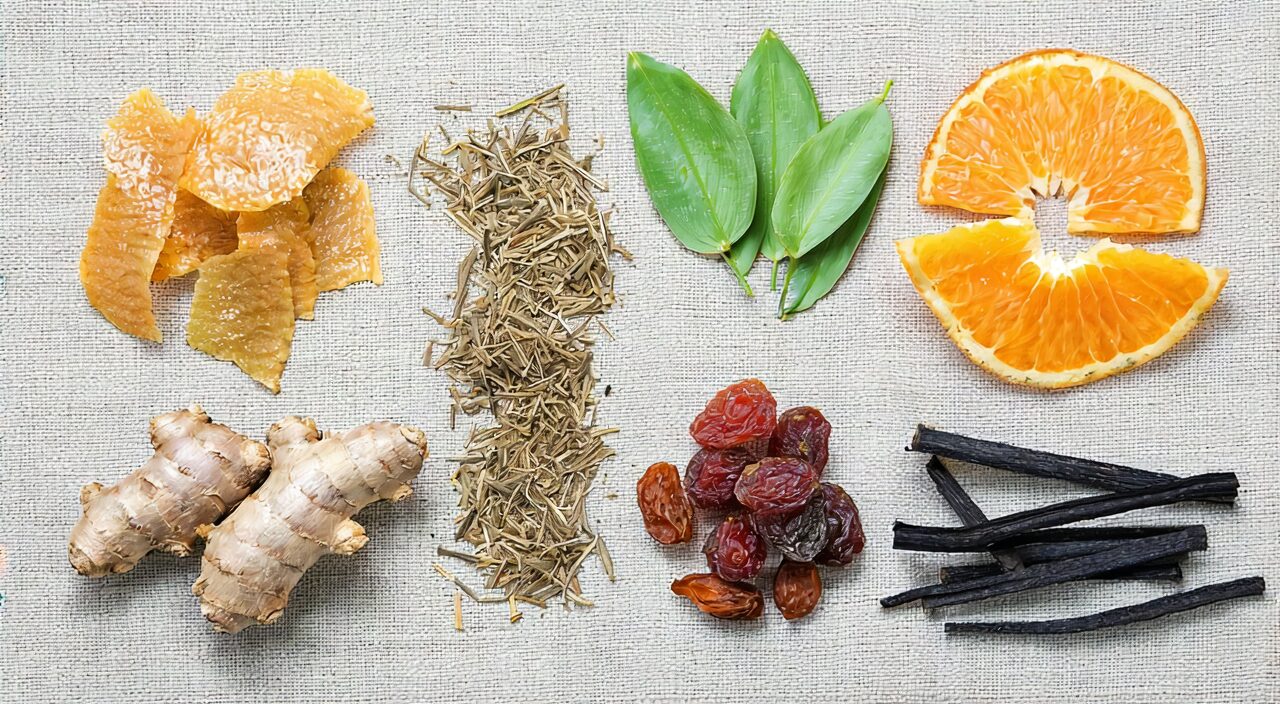
Wendan Tang was first recorded in the Tang Dynasty, and the formula composition recorded in the Song Dynasty’s San Yin Ji Yi Bing Zheng Fang Lun (Treatise on Three Categories of Pathogenic Factors) is the version commonly used by later generations. Traditional Chinese medicine believes this formula is mainly designed around the concept of “phlegm-heat internal disturbance and gallbladder-stomach disharmony,” aiming to clear and transform phlegm-heat, regulate qi and harmonize the stomach, and restore the gallbladder’s tranquil function.
The common composition of Wendan Tang is as follows:
| Herb | Traditional Role in the Formula |
|---|---|
| Ban Xia (Pinellia Rhizome) | Dries dampness and transforms phlegm, directs rebellious qi downward and harmonizes the stomach |
| Zhu Ru (Bamboo Shavings) | Clears heat and transforms phlegm, relieves restlessness and stops vomiting |
| Zhi Shi (Immature Bitter Orange) | Breaks stagnant qi and reduces accumulation, transforms phlegm and eliminates stuffiness |
| Chen Pi (Tangerine Peel) | Regulates qi and adjusts the middle, dries dampness and transforms phlegm |
| Fu Ling (Poria) | Promotes water metabolism and percolates dampness, fortifies the spleen and calms the heart |
| Gan Cao (Licorice) | Harmonizes the other herbs, supplements qi and harmonizes the middle |
| Sheng Jiang (Fresh Ginger) | Warms the middle and stops vomiting, assists Ban Xia in directing rebellious qi downward |
| Da Zao (Jujube) | Supplements the center and boosts qi, moderates the harsh nature of other herbs |
From the formula structure perspective, Ban Xia, Zhu Ru, Zhi Shi, and Chen Pi lean towards transforming phlegm and regulating qi, Fu Ling can guide dampness to exit from the lower burner, while Sheng Jiang, Da Zao, and Gan Cao protect and care for the spleen and stomach. The whole formula uses both cold and warm herbs, focusing on regulating the qi dynamic, so that phlegm-heat is cleared and the gallbladder and stomach are harmonized. Therefore, it is traditionally often used for discomforts related to phlegm-heat disturbing the heart and gallbladder qi failing to descend.
Who Might Wendan Tang Be Suitable For?

According to the pattern identification approach of Chinese medicine, what Wendan Tang addresses is not a fixed disease name, but a group of presentations related to “phlegm-heat or phlegm-dampness disturbing the heart, and gallbladder-stomach disharmony.” The following situations may be more suitable for reference in this direction:
Chest Tightness, Copious Phlegm, and Nausea
If one often feels chest oppression, a sticky sensation in the throat with phlegm, easy nausea or regurgitation of thin saliva, especially worse after meals or when emotionally stressed, traditionally the possibility of phlegm and qi binding together and stomach qi failing to descend is considered. The approach of Wendan Tang in regulating qi, transforming phlegm, harmonizing the stomach, and directing rebellious qi downward may correspond to this type of discomfort.
Restless Sleep and Timidity with Easy Startling
Some people have difficulty falling asleep, dream frequently and wake easily, and are particularly sensitive to sudden sounds or events, easily feeling nervous and panicky at ordinary times, and inexplicably afraid of certain things. In such cases, traditional Chinese medicine sometimes understands it from the perspective of “phlegm-heat disturbing the heart, and the gallbladder losing its clear tranquility,” believing that clearing and transforming phlegm-heat and restoring gallbladder function may help improve sleep stability and the emotional tendency to be easily startled.
Greasy Tongue Coating, Bitter Taste in the Mouth, or Heaviness in the Head
A yellow greasy or white greasy tongue coating is often seen as a signal of phlegm-dampness or phlegm-heat inside the body. If this is accompanied by a bitter taste in the mouth, a feeling of heaviness in the head as if wrapped, and unclear thinking, it may also indicate damp-turbidity retention. The characteristics of Wendan Tang in clearing heat, dispelling dampness, regulating qi, and transforming phlegm are often used as one of the regulating strategies when the pattern identification is accurate.
It needs to be emphasized that the above are only summaries of traditional experience, and suitability still needs to be judged in combination with individual constitution, overall symptoms, and professional assessment; self-diagnosing based on matching symptoms is not advisable.
When Is Wendan Tang Not Suitable?
Not all chest tightness, copious phlegm, or poor sleep are suitable for using Wendan Tang. Caution is especially needed in the following types of situations:
- People with Obvious Yin Deficiency and Dry-Heat
If presentations such as dry mouth and throat, heat sensation in the palms and soles, night sweats, red tongue with little coating suggest a tendency towards yin deficiency and dry-heat, the acrid, drying herbs in Wendan Tang such as Ban Xia, Zhi Shi, and Chen Pi may further consume body fluids and worsen the discomfort. Such individuals usually need an approach of nourishing yin and moistening dryness, rather than transforming phlegm and regulating qi.
- Situations with Prominent Qi and Blood Deficiency
People who are pale or sallow, fatigued with low energy, palpitations and shortness of breath, with a pale tongue and a thin, weak pulse, may belong to qi and blood deficiency. Wendan Tang leans towards regulating qi and transforming phlegm, and its dispelling nature may deplete qi and damage blood, making it unsuitable for long-term use in body states dominated by deficiency patterns.
- Cold-Dampness Is Predominant Without Heat Signs
If phlegm is thin, clear and copious, with aversion to cold, cold limbs, loose stools, pale tongue with white slippery coating, this is mostly internal exuberance of cold-dampness. Wendan Tang contains cooling herbs like Zhu Ru and Zhi Shi; although the overall formula is warm, its heat-clearing power remains. Incorrect use in pure cold-dampness patterns may damage yang qi.
- Special Populations
Pregnant women, children, and individuals with severe underlying diseases should consult a professional doctor before using any formula. People allergic to certain herbs in it or with special constitutions should also avoid self-use.
Differences Between Wendan Tang and Similar Formulas
Among traditional formulas, some are similar to Wendan Tang in composition or approach, but with different emphases. Understanding these differences helps avoid confusion.
Erchen Tang (Two Matured Ingredients Decoction)
Erchen Tang is composed of Ban Xia, Chen Pi, Fu Ling, and Gan Cao. It is the basic formula for drying dampness and transforming phlegm, specializing in addressing cough with copious phlegm, fullness in the chest and diaphragm, nausea and vomiting caused by damp-phlegm. It leans towards warm and dry, mainly dispelling damp-phlegm, with very weak heat-clearing action.
Wendan Tang, by adding Zhu Ru, Zhi Shi, etc., to the base of Erchen Tang, shifts to clearing and transforming phlegm-heat in the gallbladder and stomach, also considering mental symptoms like insomnia and palpitations, acting more on the coordination of “gallbladder” and “stomach.” If cold-dampness is heavy with little heat, the approach of Erchen Tang may be more suitable.
Banxia Houpo Tang (Pinellia and Magnolia Bark Decoction)
Banxia Houpo Tang comes from the Jin Gui Yao Lue (Essentials from the Golden Cabinet) and is often used for “a sensation of something obstructing the throat like a piece of roasted meat” in women, i.e., a foreign body sensation in the throat that cannot be swallowed down or vomited out, often accompanied by chest tightness and frequent sighing. It leans towards moving qi, dissipating masses, directing rebellious qi downward, and transforming phlegm, targeting phlegm-qi binding in the throat and chest.
In addition to transforming phlegm and regulating qi, Wendan Tang also emphasizes clearing the gallbladder, harmonizing the stomach, calming the heart, and relieving restlessness, applicable to more situations involving timidity, insomnia, and upward rebellion of stomach qi.
Suanzaoren Tang (Sour Jujube Decoction)
Suanzaoren Tang mainly nourishes blood to calm the spirit and clears heat to relieve restlessness, often used for restless insomnia, palpitations, and night sweats due to liver blood insufficiency and deficient heat internal disturbance, with a red tongue with little coating, wiry and thin pulse, etc. Its differences from Wendan Tang lie in:
- Suanzaoren Tang leans towards deficiency patterns, with heat in the blood aspect;
- Wendan Tang leans towards excess patterns, with phlegm-heat causing disturbance.
If insomnia is accompanied by copious phlegm, greasy tongue coating, and nausea, the Wendan Tang direction may be more appropriate; if it is dry mouth, palpitations, and restlessness without phlegm turbidity, the Suanzaoren Tang direction may be more fitting.
Huanglian Wendan Tang (Coptis Gallbladder-Warming Decoction)
Huanglian Wendan Tang adds Huang Lian (Coptis Rhizome) to the Wendan Tang base, strengthening the power to clear heat, dry dampness, and drain fire and resolve toxins. It is suitable for more severe phlegm-heat, even presenting with severe heart vexation and bitter taste, epigastric stuffiness and noisy sensation, worsened insomnia and agitation, etc.
If it is a phlegm-heat pattern with relatively severe heat manifestations, Huanglian Wendan Tang may be considered; if the heat is relatively mild, standard Wendan Tang may suffice. Adjustments between these two formulas should be conducted under professional guidance.
The above comparison between formulas is provided only as a reference from the perspective of traditional Chinese medicine theory. Actual application needs to be combined with individual specific presentations and constitution, and cannot be selected based solely on a single symptom.
Summary
Wendan Tang is a classic formula characterized by regulating qi, transforming phlegm, harmonizing the stomach, and benefiting the gallbladder. Traditionally, it is often used for people presenting with chest tightness, copious phlegm, nausea, restless sleep, timidity with easy startling, and a greasy tongue coating, signs of phlegm-heat or phlegm-dampness disturbing the heart. However, it is not suitable for situations like yin deficiency with dry-heat, qi and blood deficiency, or marked cold-dampness, and special populations such as pregnant women should especially avoid self-use.
It has distinct differences from formulas like Erchen Tang, Banxia Houpo Tang, Suanzaoren Tang, and Huanglian Wendan Tang in formula meaning and applicable directions; confusing their use may bring risks. Whether developing an interest in Wendan Tang or other formulas, it is recommended to first understand one’s own constitutional characteristics and analyze further under the guidance of experienced professionals. This article is for informational reference only and cannot replace professional medical diagnosis or treatment advice.