
Who is Da Chai Hu Tang Suitable For? Composition, Effects and Contraindications

When learning about Chinese herbal formulas, Xiao Chai Hu Tang and Da Chai Hu Tang are often mentioned together. Many people wonder: what exactly is the difference between the two? Which direction is more appropriate to understand first for oneself?
Da Chai Hu Tang is an important formula from the Treatise on Cold Damage that combines harmonizing and purging methods. Its scope of application involves situations where qi mechanism stagnation and internal excess heat binding coexist. From the perspective of traditional pattern differentiation, this article sorts out the composition of Da Chai Hu Tang, possible suitable presentations, contraindications, and its differences from several other commonly encountered formulas, helping overseas readers form a more restrained cognitive framework.
Understanding the Core Direction of Da Chai Hu Tang from Combined Shaoyang-Yangming Disease
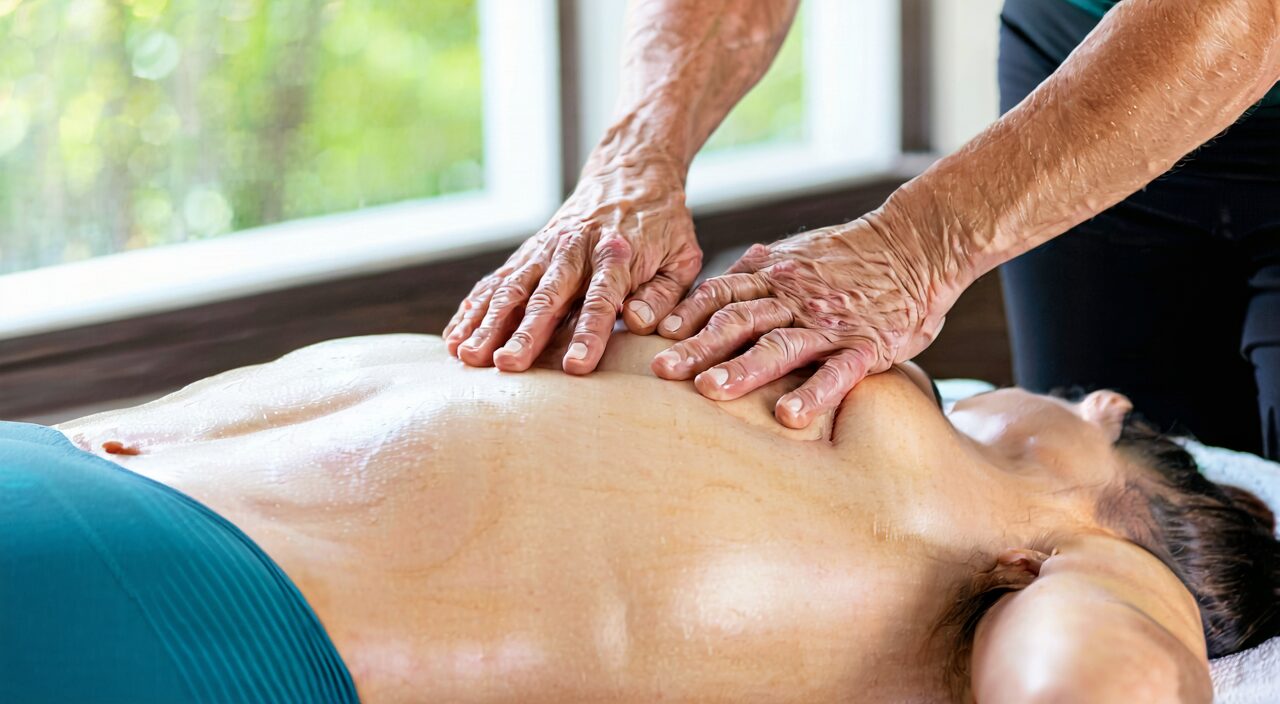
In Chinese medicine classics, Da Chai Hu Tang is not simply a harmonizing formula. The pathology it addresses is termed “combined Shaoyang-Yangming disease” or “Shaoyang with internal excess.”
In simple terms, the body simultaneously presents two states:
- On one hand, the Shaoyang pivot is impaired, leading to qi mechanism stagnation and depressed heat in the upper body;
- On the other hand, the Yangming stomach and intestines have accumulated substantial pathogenic repletion, with internal heat and excess binding together.
In such a situation, if one only harmonizes Shaoyang, the internal excess remains unresolved, and the qi mechanism will still be congested; if one only attacks and purges the interior, it may draw the pathogen inward. Therefore, the strategy of Da Chai Hu Tang is to address both exterior and interior simultaneously, combining harmonizing with internal draining.
Traditionally, it is considered that Chai Hu (Bupleurum) paired with Huang Qin (Scutellaria) vents and resolves Shaoyang depressed heat; Da Huang (Rhubarb) with Zhi Shi (Immature Bitter Orange) and Shao Yao (White Peony) drains and unblocks Yangming heat bind; Ban Xia (Pinellia) and Sheng Jiang (Fresh Ginger) direct rebellious qi downward and arrest vomiting; Da Zao (Jujube) moderates and protects the spleen and stomach. Overall, this is a formula that clears depressed heat and descends and unblocks the stomach and intestines, causing pathogens to be dissipated from both upper and lower routes.
Composition of Da Chai Hu Tang
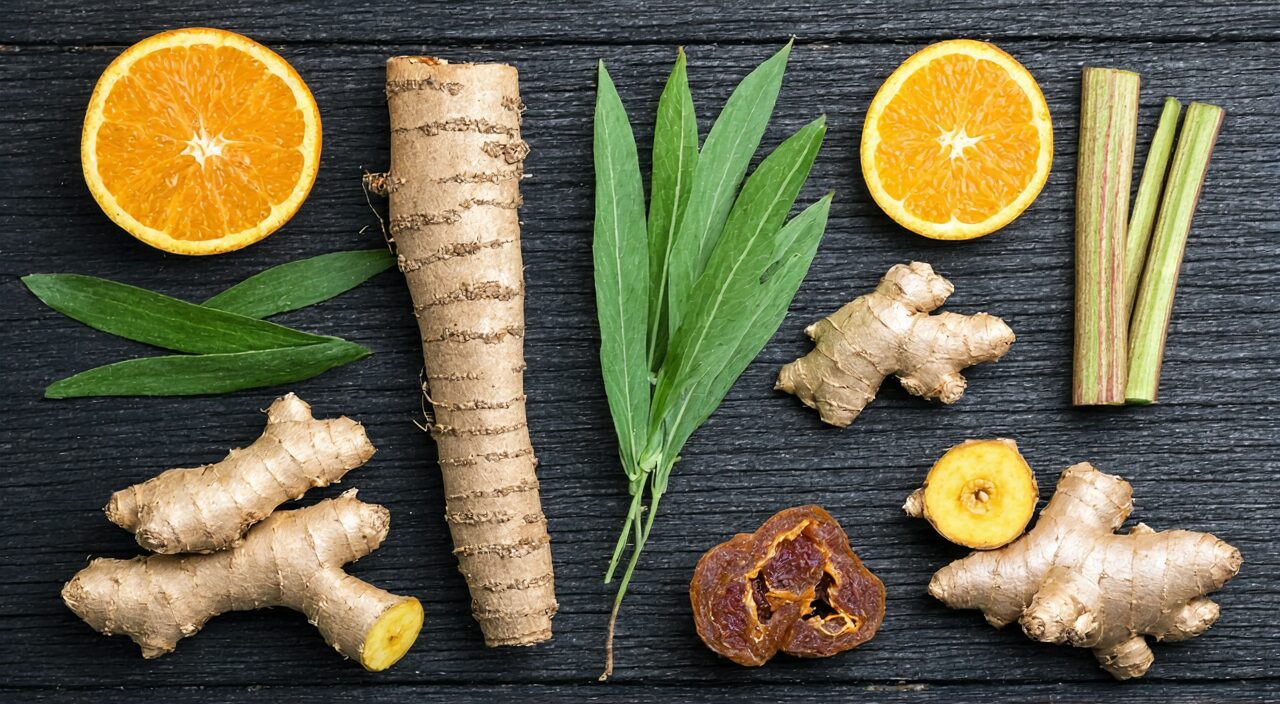
Listed below are the common herbal ingredients and traditional reference dosages of Da Chai Hu Tang from the Treatise on Cold Damage. Ancient and modern weights and measures differ; modern dosages must be determined by a professional based on individual circumstances. The table below is only for understanding the formula structure.
| Herb | Traditional Reference Dosage | Brief Direction of Action |
|---|---|---|
| Chai Hu (Bupleurum) | 8 liang (approx.) | Vents and resolves Shaoyang, courses and disinhibits qi mechanism |
| Huang Qin (Scutellaria) | 3 liang | Clears and drains gallbladder heat |
| Shao Yao (White Peony) | 3 liang | Relaxes spasms and arrests pain, astringes yin and harmonizes the nutritive level |
| Ban Xia (Pinellia) | Half sheng | Directs rebellious qi downward to arrest vomiting, disperses bind and eliminates glomus |
| Sheng Jiang (Fresh Ginger) | 5 liang | Directs rebellious qi downward and harmonizes the center, also restrains Ban Xia’s toxicity |
| Zhi Shi (Immature Bitter Orange) | 4 pieces | Moves qi to break stagnation, abducts stagnation and disperses accumulations |
| Da Zao (Jujube) | 12 pieces | Supplements qi and harmonizes the center, moderates the actions of other herbs |
| Da Huang (Rhubarb) | 2 liang | Drains heat and unblocks the bowels, conducts heat downward |
Note: There is some controversy regarding the inclusion of Da Huang in the formula; some texts suggest that the original Da Chai Hu Tang did not contain Da Huang. However, later generations and most physicians, when addressing Shaoyang with internal excess, frequently add Da Huang to unblock the bowels and drain heat. It is listed here based on common understanding, for reference only.
Possible Presentation Patterns Suitable for Da Chai Hu Tang
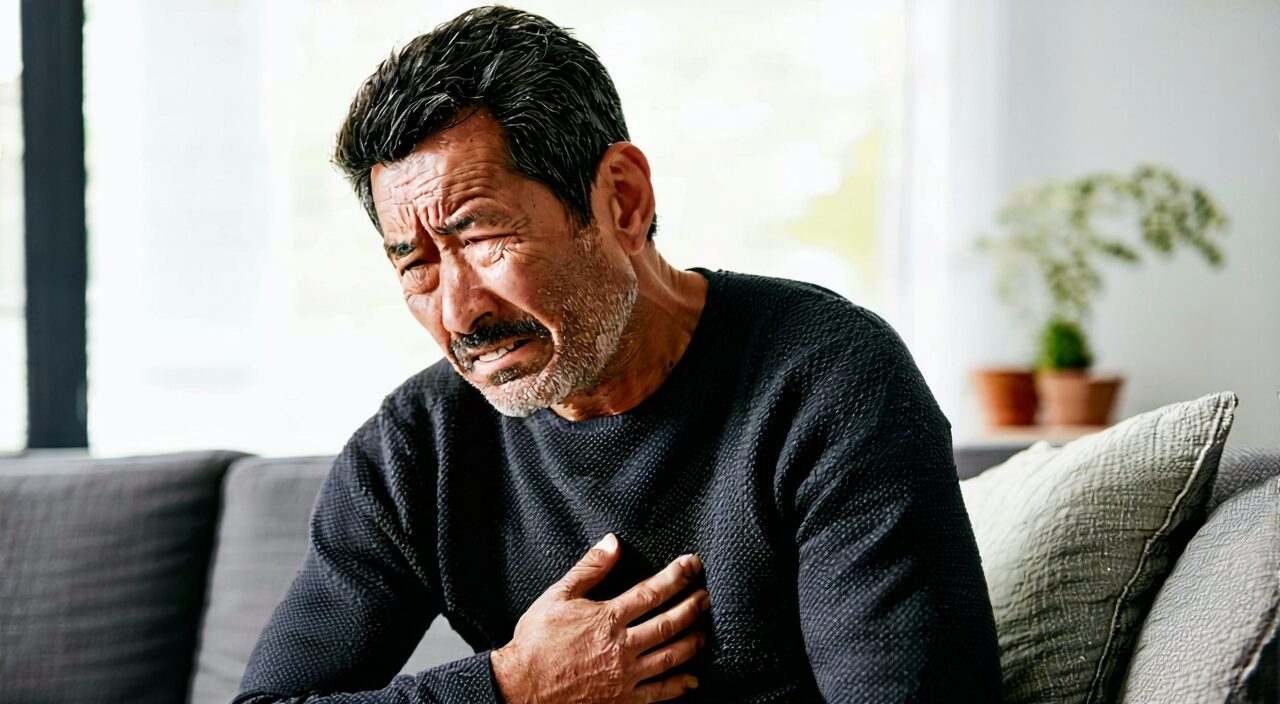
Within the traditional pattern differentiation framework, Da Chai Hu Tang is often considered when the following types of presentations appear together. It must be emphasized that any single presentation appearing alone is insufficient to point to this formula; comprehensive evaluation through the four examinations is still necessary.
Chest and Hypochondriac Fullness and Epigastric Urgency
“Chest and hypochondriac fullness” is an important sign of Shaoyang syndrome, referring to a sensation of distension, oppression, and blockage in the chest and hypochondriac region, even a feeling of resistance or discomfort under the ribs.
“Epigastric urgency” refers to a feeling of spasm, tenderness, or tension in the epigastrium and upper abdomen, often accompanied by irritability. When chest and hypochondriac fullness occurs together with a feeling of hardness and fullness or discomfort upon pressure in the epigastrium or abdomen, it often indicates that qi stagnation has already bound with tangible pathogens, which is precisely where Da Chai Hu Tang differs from formulas targeting pure qi depression.
Nausea, Vomiting, Bitter Taste and Dry Throat
Nausea, retching, acid regurgitation, bitter taste in the mouth, and dry throat are frequently seen in Shaoyang disorders because gallbladder heat invades the stomach and qi rebounds upward. When such presentations occur together with abdominal fullness, constipation, or difficult bowel movements, traditionally they are no longer viewed merely as Xiao Chai Hu Tang syndrome but more as internal excess having already formed.
Abdominal Fullness, Pain, Constipation or Feelings of Incomplete Evacuation
Abdominal distension and fullness that resists pressure, pain, even pain that intensifies with pressure, constipation with dry and bound stools, or stools that are not dry but sticky and difficult to pass with a sensation of incomplete emptying – these are all related to internal heat and accumulation. This type of abdominal fullness and pain tends to be persistent, unlike occasional bloating.
Feverish Irritability, Restlessness and Emotional Irascibility
Internal depressed heat not yet cleared, combined with gastrointestinal obstruction, easily leads to feverish irritability, heat in the palms and soles, facial flushing, and a quick-tempered or irascible mood. These presentations are traditionally seen as manifestations of heat binding internally with qi and fire harassing upward.
If the above presentations recur with accompanying marked anxiety, palpitations, persistent severe pain, fever, black stools, or unexplained weight loss, do not self-diagnose; seek medical attention promptly for clear diagnosis by a licensed physician.
Who Is Unsuitable for Blindly Using Da Chai Hu Tang

Even if some presentations partially overlap with those described above, the following conditions generally advise against casually using Da Chai Hu Tang:
- Those with spleen-stomach yang deficiency and loose stools: People who easily have diarrhea, fear cold, prefer warmth on the abdomen, have low appetite, and weak physical strength may suffer further impairment of spleen-stomach function from Da Chai Hu Tang’s cold, descending, and purgative effects.
- When pure exterior pattern is unresolved: If there are obvious presentations such as marked aversion to cold, fever, headache, nasal congestion, and internal excess presentations are not prominent, directly using a harmonizing and attacking formula is inappropriate to avoid driving the pathogen inward.
- Pregnant, trying to conceive, and breastfeeding women: The formula contains relatively strong substances like Da Huang and Zhi Shi. Unless an experienced physician deems it unequivocally necessary after careful weighing of risks and benefits, it is generally considered contraindicated in these stages.
- Acute abdomen and undiagnosed abdominal pain: In cases of sudden severe abdominal pain, board-like rigidity, persistent vomiting, or high fever, one must first rule out acute abdomen and other serious surgical conditions through modern medical examination; do not self-medicate.
- Chronic disease patients and physically weak elderly individuals: For those with complex health status or who may be taking multiple medications concurrently, formula selection and dosage adjustments must undergo professional evaluation.
Differences Between Da Chai Hu Tang and Similar Formulas
In the study of Chinese herbal formulas, Da Chai Hu Tang is generally compared with the following formulas to more clearly grasp the key pattern differentiation points of each.
Da Chai Hu Tang vs. Xiao Chai Hu Tang
Xiao Chai Hu Tang is a representative formula for harmonizing Shaoyang, primarily targeting Shaoyang syndrome without yet having internal excess. Common presentations include alternating chills and fever, chest and hypochondriac fullness, a quiet demeanor with no desire to eat, vexation and frequent vomiting, but the abdomen is generally soft, and bowel movements are mostly normal.
Da Chai Hu Tang addresses a situation where, on the basis of Xiao Chai Hu Tang syndrome, presentations of abdominal hardness, fullness, distension, and constipation have appeared. Therefore, the formula removes sweet tonics like Ren Shen (Ginseng) and Gan Cao (Licorice), and adds Shao Yao, Zhi Shi, and Da Huang to drain downward and clear heat. In brief, Xiao Chai Hu Tang leans towards harmonizing and dispersing, while Da Chai Hu Tang leans towards harmonizing concurrently with attacking internal excess.
Da Chai Hu Tang vs. Da Cheng Qi Tang
Da Cheng Qi Tang, composed of Da Huang, Hou Po, Zhi Shi, and Mang Xiao (Glauber’s Salt), drastically purges heat bind, mainly targeting severe Yangming bowel excess syndrome, characterized by focal distension, fullness, dryness, and repletion, with a hard, distended abdomen.
Although Da Chai Hu Tang also contains Da Huang and Zhi Shi, it simultaneously combines Chai Hu and Huang Qin, making its purging force relatively gentler, and it preserves the action of harmonizing Shaoyang. It is often used when Shaoyang is not yet resolved and Yangming bind is still not extremely severe.
Da Chai Hu Tang vs. Si Ni San
Si Ni San, composed of Chai Hu, Shao Yao, Zhi Shi, and Gan Cao, emphasizes coursing liver qi and rectifying spleen function, venting and outthrusting depressed yang. It is frequently used for cold extremities but no internal cold, and epigastric and abdominal distension and pain due to liver-spleen qi stagnation, yet without obvious heat-bind constipation or abdominal hardness and full rigidity resisting pressure.
If the pathology addressed by Si Ni San further progresses with depression transforming into heat and forming excess, it might shift towards the Da Chai Hu Tang direction. However, the two formulas are markedly different, with one leaning toward regulating qi and resolving depression, and the other leaning toward harmonizing and attacking downward.
Da Chai Hu Tang vs. Ban Xia Xie Xin Tang
Ban Xia Xie Xin Tang is a combination of Ban Xia, Huang Qin, Gan Jiang (Dried Ginger), Ren Shen, Huang Lian (Coptis), Da Zao, and Gan Cao, used to regulate patterns of mixed cold and heat with congested qi mechanism. Its core lies in “epigastric glomus” – a sensation of distension and blockage in the epigastrium but without hardness upon pressure, often accompanied by borborygmus and diarrhea.
Da Chai Hu Tang’s “epigastric urgency” typically involves tension and pain upon pressure and is accompanied by signs of internal excess, not merely a glomus pattern. One uses a combination of cold and heat to eliminate glomus, the other harmonizes and drains internally; their application directions are quite different.
Summary
Da Chai Hu Tang, as a classic formula, is traditionally considered for complex situations where Shaoyang pivot impairment and Yangming internal heat accumulation coexist simultaneously. Common related presentations include chest and hypochondriac fullness, epigastric urgency, abdominal fullness and constipation, nausea, bitter taste, and feverish irritability. Its formulation characteristic lies in the simultaneous use of harmonizing and purging, clearly distinguishing it from purely harmonizing formulas like Xiao Chai Hu Tang, drastically purging formulas like Da Cheng Qi Tang, qi-regulating depression-resolving formulas like Si Ni San, and cold-heat combining formulas like Ban Xia Xie Xin Tang.
What needs repeated emphasis is that the application of Chinese herbal formulas is highly dependent on individualized assessment. Any article can only provide directional knowledge review and cannot substitute for professional pattern differentiation. Especially for formulas containing purgative herbs like Da Huang, improper use may cause discomfort.
If there are related concerns, especially when they recur or are accompanied by warning symptoms, it is essential to consult a professional TCM practitioner or an integrative medicine physician and undergo necessary modern medical examinations. This article is for general informational reference only and does not constitute any medical advice or guidance on medication use.