
Who Is Xiang Ru San Suitable For? Composition, Benefits, and Contraindications

Many people have had this experience in summer: after staying in an air-conditioned room for too long, or after drinking a lot of icy beverages and eating raw, cold fruits and melons, they start feeling generally unwell. There might be slight chills, a lack of sweating, heaviness in the head, bodily fatigue, chest and abdominal stuffiness, and even nausea or diarrhea.
Traditional Chinese medicine often does not classify these presentations as common summer colds but may view them as ‘yin summerheat.’ Among the approaches to address such summer cold-related conditions involving summerheat and dampness complicated by cold, one classic formula is frequently mentioned, which is Xiang Ru San.
Since Xiang Ru San has a specific focus, what kind of people are more suitable for this approach, who is it not suitable for, and how should its composition and functions be understood? The following discussion will revolve around these common questions.
Composition and Therapeutic Approach of Xiang Ru San
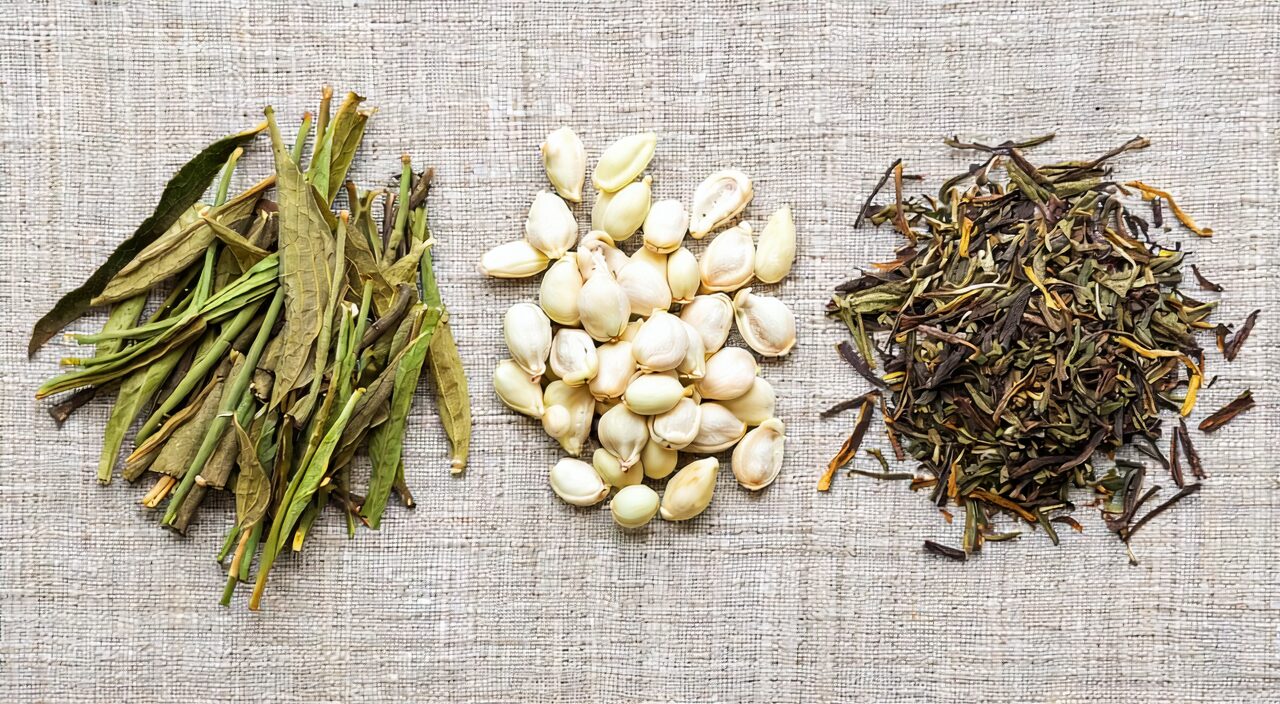
Xiang Ru San originates from the ‘Taiping Huimin Heji Ju Fang,’ a classic formula from an officially compiled Song Dynasty formulary. The entire prescription consists of only three herbs, with a concise structure, yet it establishes a clear therapeutic approach centered on ‘dispelling summerheat to release the exterior, transforming dampness to harmonize the center.’
| Medicinal Herb | Traditional Action Direction in the Formula |
|---|---|
| Mosla (Xiang Ru) | Acrid and warm, inducing sweating to release the exterior, resolving exterior dampness, promoting urination to reduce swelling; often regarded as a key herb for releasing the exterior in summer. |
| White Hyacinth Bean (Bai Bian Dou) | Strengthens the spleen and harmonizes the center, clears summerheat and transforms dampness; used to alleviate vomiting, diarrhea, and stuffiness caused by summerheat-dampness damaging the center. |
| Magnolia Bark (Hou Po) | Moves qi to relieve stuffiness, dries dampness to reduce distension; helps regulate qi movement in the middle burner to eliminate chest and abdominal distension and fullness. |
In the formula, Mosla serves as the sovereign herb. Acrid and slightly warm, it is traditionally believed to induce sweating to release the exterior, transform dampness, and harmonize the center, making it particularly suitable for conditions where one has sought excessive coolness in summer, leading to cold and an obstructed exterior with blocked qi.
White Hyacinth Bean assists by strengthening the spleen and transforming dampness, protecting the middle burner. Magnolia Bark moves qi and dries dampness to eliminate abdominal fullness. The combination of these three herbs works externally to disperse cold, dispel summerheat, and release the exterior, while internally transforming dampness, regulating qi, and harmonizing the center. It targets a category of problems involving summerheat-dampness complicated by cold, with simultaneous exterior and interior patterns.
Traditional Functions of Xiang Ru San: From Dispersing Summerheat and Releasing the Exterior to Transforming Dampness and Harmonizing the Center
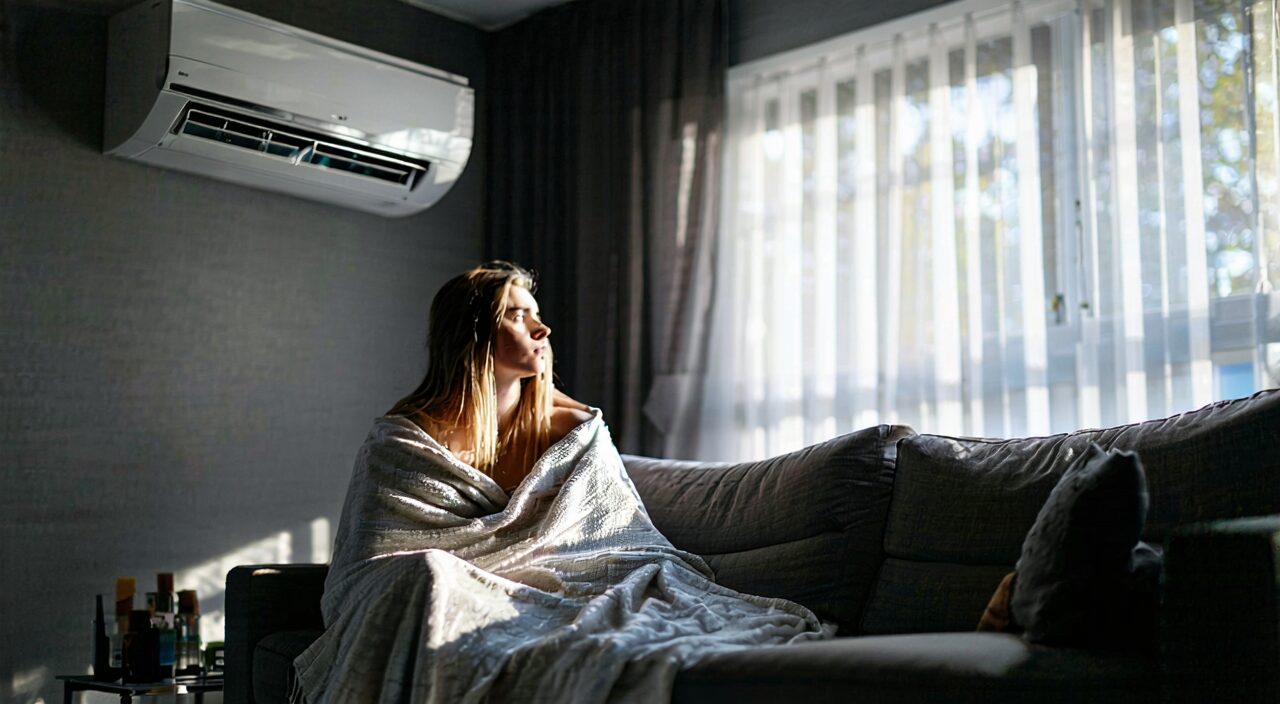
Understanding the functions of Xiang Ru San requires consideration of the background of ‘yin summerheat’ it targets. Simply put, yin summerheat refers to being affected by cold-dampness pathogens in summer, rather than pure heat pathogens. Common triggers include overindulgence in cooling off and excessive consumption of raw, cold substances, leading to cold-dampness fettering the exterior and dampness stagnating the spleen and stomach.
Against this background, the traditional action directions of Xiang Ru San can be summarized in two aspects:
1. Dispelling Summerheat and Releasing the Exterior
Mosla itself is acrid, warm, and aromatic. Externally, it can induce sweating to disperse exterior cold; internally, it can transform dampness to dispel summerheat-dampness. Unlike the acrid, warm, and intense nature of herbs like Ephedra (Ma Huang) or Cinnamon Twig (Gui Zhi), it was called ‘Summer’s Ephedra’ by the ancients, implying it might be a relatively gentle option when inducing sweating to release the exterior is needed during summer.
When exterior cold symptoms such as aversion to cold, absence of sweating, and heavy body and headache are prominent, accompanied by internal summerheat-dampness, the approach of this formula is often discussed.
2. Transforming Dampness and Harmonizing the Center
The combination of Magnolia Bark and White Hyacinth Bean focuses on the spleen and stomach in the middle burner. When dampness encumbers the spleen and stomach, causing impaired qi movement, symptoms like chest and epigastric stuffiness, abdominal distension, nausea, and loose stools are likely to appear.
Xiang Ru San helps restore the ascending and descending functions of the spleen and stomach by transforming dampness, moving qi, and invigorating the middle burner. This action also makes it a frequently chosen traditional direction for common summer issues with simultaneous vomiting and diarrhea and dampness stagnation in the middle burner.
Who Might Be More Suitable for Xiang Ru San

Regarding the question ‘Who is Xiang Ru San suitable for?’, traditional Chinese medicine places more emphasis on pattern differentiation, which means judging based on the specific presentations at the time, rather than the name of a disease.
The following types of conditions are often discussed as possible applications for Xiang Ru San:
- In summer, due to seeking coolness from fans or air conditioning at too low a temperature, or sitting in a draft for too long, leading to chills, absent or slight fever, no sweating, headache with a pronounced sensation of heaviness in the head.
- Heaviness and fatigue in the body and limbs, as if wrapped in wet cloth, possibly accompanied by chest tightness and epigastric and abdominal distension.
- Digestive symptoms: nausea and retching, abdominal distension, borborygmus with diarrhea, loose or watery stools, with a white, greasy tongue coating.
- Overall, the pattern belongs to external cold-dampness fettering the exterior and internal summerheat-dampness encumbering the spleen, without obvious heat signs like high fever, profuse sweating, thirst with a preference for cold drinks.
In summary, these presentations involve an intermingling of summerheat, dampness, and cold, predominantly cold-dampness. If you experience a similar situation in summer, Xiang Ru San might be one of the directions considered in the traditional Chinese medicine approach.
However, it must be noted that it is not suitable for all cases of summer colds or digestive discomfort.
Who Should Not Use Xiang Ru San
While Xiang Ru San is effective, its directional nature is strong. Incorrect use might exacerbate discomfort. The following groups of people or situations are generally not suitable for referencing this formula:
- Those with blazing summerheat: Presentations mainly feature high fever, profuse sweating, thirst with a preference for cold drinks, flushed face, red tongue with yellow coating. This falls under yang summerheat or summerheat-warmth disease. Xiang Ru San leans warm and is unsuitable for such cases with pronounced heat signs.
- Those with a constitution of yin deficiency with effulgent fire: Usually present with dry mouth and throat, heat sensation in the palms and soles, night sweats, red tongue with scant coating. Xiang Ru San’s acrid-warm nature for transforming dampness might assist heat and damage yin.
- External contraction of wind-heat exterior pattern: Mainly characterized by sore throat, cough with yellow phlegm, pronounced fever, and mild chills, which is opposite to Xiang Ru San’s acrid-warm exterior-releasing direction.
- Special populations: Pregnant women, infants, young children, the frail elderly, and those with chronic underlying diseases have higher safety requirements for medication use. They should not casually apply this formula on their own.
- Those already with severe digestive symptoms: Such as intense vomiting, frequent watery diarrhea, obvious signs of dehydration, or accompanied by persistent high fever, chest stuffiness, and palpitations, should seek medical attention promptly rather than trying to self-regulate.
Additionally, Xiang Ru San is overall warm and drying. If one’s constitution leans toward damp-heat, caution is also needed. It is best to assess suitability under professional guidance.
Differences Between Xiang Ru San and Similar Formulas
Xiang Ru San is not the only formula commonly used in summer. Many people easily confuse it with other formulas like Huo Xiang Zheng Qi San. Distinguishing between them helps in understanding the positioning of Xiang Ru San more accurately.
Xiang Ru San vs. Huo Xiang Zheng Qi San
Huo Xiang Zheng Qi San is also used for summer conditions involving external contraction of wind-cold and internal damage from dampness stagnation. However, its herbal composition is more complex, with stronger exterior-releasing and dampness-transforming effects, and it leans more towards regulating qi, harmonizing the center, and stopping vomiting and diarrhea. Its applicable scope is wider, and its cold-heat tendency is not as distinctly warm as Xiang Ru San.
For sudden-onset vomiting, diarrhea, abdominal borborygmus, and fullness in the chest and diaphragm, Huo Xiang Zheng Qi San is often mentioned more broadly. Xiang Ru San is more specialized for yin summerheat with exterior blockage, exhibiting symptoms like no sweating, aversion to cold, and heavy head, with a more concentrated exterior-releasing action.
Xiang Ru San vs. Qing Shu Yi Qi Tang (Clear Summerheat and Boost Qi Decoction)
Qing Shu Yi Qi Tang focuses on clearing heat, dispelling summerheat, and boosting qi and nourishing yin. It is often used for summerheat damaging qi and yin, manifesting as body heat with sweating, thirst, irritability, fatigue, lack of strength, red tongue with scant coating.
This is entirely the opposite direction from Xiang Ru San, which targets ‘no sweating, aversion to cold, cold-dampness in the exterior’: one clears and is cooling, the other warms and disperses; one supplements, the other releases. The applicable populations are vastly different.
Xiang Ru San vs. Yin Qiao San (Lonicera and Forsythia Powder)
Yin Qiao San is a gentle formula for acrid-cool exterior release, used for early-stage warm diseases and wind-heat exterior patterns, presenting with pronounced fever, slight aversion to wind, sore throat, thirst, and red tongue tip. This is completely different from Xiang Ru San’s acrid-warm exterior release, dampness transformation, and center harmonization.
If a summer cold is predominantly heat-related, directions like Yin Qiao San’s acrid-cool approach should be considered, not Xiang Ru San.
Xiang Ru San vs. Ping Wei San (Stomach-Calming Powder)
Ping Wei San consists of Atractylodes, Magnolia Bark, Tangerine Peel, and Licorice. It mainly attacks dampness through drying, transports the spleen, moves qi, and harmonizes the stomach. It is used for dampness stagnating the spleen and stomach, causing epigastric and abdominal distension, lack of appetite, heavy limbs, and thick white greasy tongue coating, but it lacks the function of releasing the exterior and dispersing cold.
Although Xiang Ru San contains dampness-transforming and qi-moving herbs like Magnolia Bark, it adds Mosla to release the exterior, targeting conditions with both exterior cold and internal dampness stagnation. If there is simple dampness encumbering the spleen and stomach without exterior signs, Ping Wei San might be more direct.
From these comparisons, it can be seen that Xiang Ru San mainly targets a specific pattern of ‘summer cold-dampness fettering the exterior complicated by dampness stagnating the middle burner.’ Other formulas have their respective emphases, and the directions for selection should not be confused.
Summary
As a classic formula for dispelling summerheat to release the exterior and transforming dampness to harmonize the center, Xiang Ru San is mainly designed for yin summerheat conditions involving summerheat-dampness complicated by cold. Its composition of just three herbs has a clear therapeutic approach but is also highly specific.
- If cold-dampness presentations like aversion to cold, absence of sweating, head heaviness, bodily fatigue, abdominal distension, vomiting, and diarrhea appear in summer, it might be one of the directions traditional Chinese medicine considers.
- Yet if manifestations include high fever, thirst, and profuse sweating, indicating summerheat or yin deficiency signs, this formula should not be referenced.
Furthermore, Xiang Ru San has clear differences in applicable directions and patterns compared to Huo Xiang Zheng Qi San, Qing Shu Yi Qi Tang, Yin Qiao San, and Ping Wei San, and they should not be used interchangeably.
Everyone’s constitution and specific presentations vary. Whether Xiang Ru San is suitable, and how to modify and apply it specifically, should be determined by a professional based on individual conditions. This article is for informational reference only and cannot substitute professional diagnosis or treatment advice.