
What Is Mu Xiang? Medicinal Parts, Identification, and Common Formulas
When exploring traditional Chinese patent medicines or herbal formulas, the name “Mu Xiang” often appears. Its distinctive and lasting fragrance is hard to ignore in both the kitchen and the medicine cabinet, but what exactly Mu Xiang is, what it looks like, and how its root is used often remain unclear. This article will help you systematically understand Mu Xiang, from its source and appearance to common formulas.
What Does Mu Xiang Look Like? How to Identify It
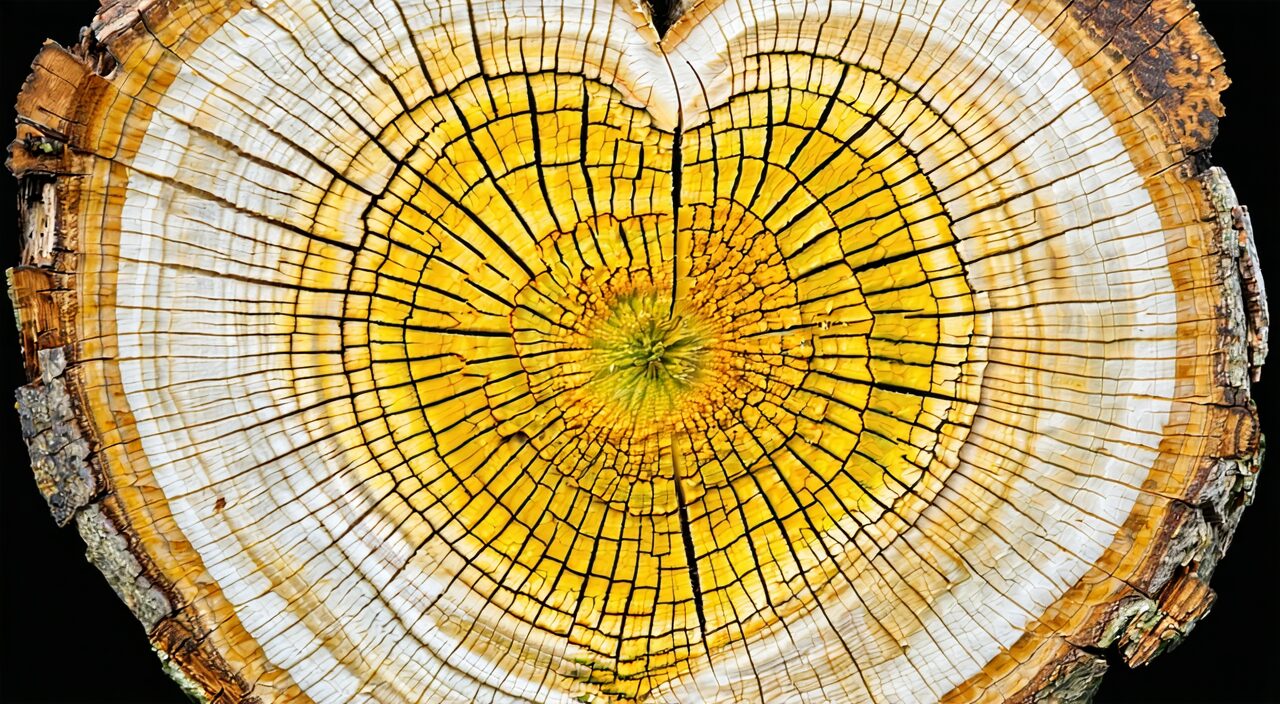
Mu Xiang is typically sold as cylindrical or semi-cylindrical root segments, sometimes slightly curved, mostly between 5 and 15 cm in length. The surface is yellowish-brown to grayish-brown, with obvious longitudinal furrows and transverse scar-like lenticels. The texture is hard and not easily broken. The most distinctive feature of the cut surface is the “chrysanthemum core”: on a grayish-yellow to light brown cross-section, yellowish-white radiating striations and a cambium ring can be seen, resembling an open chrysanthemum flower. Mu Xiang has a very strong, rich, and lingering characteristic aroma. It tastes slightly bitter and slightly sweet, and chewing it produces a noticeable numbing sensation on the tongue. When purchasing or identifying Mu Xiang, roots that are firm, strongly aromatic, and show a clear chrysanthemum core on the cut surface are considered the best quality.
What Is the Medicinal Part of Mu Xiang?
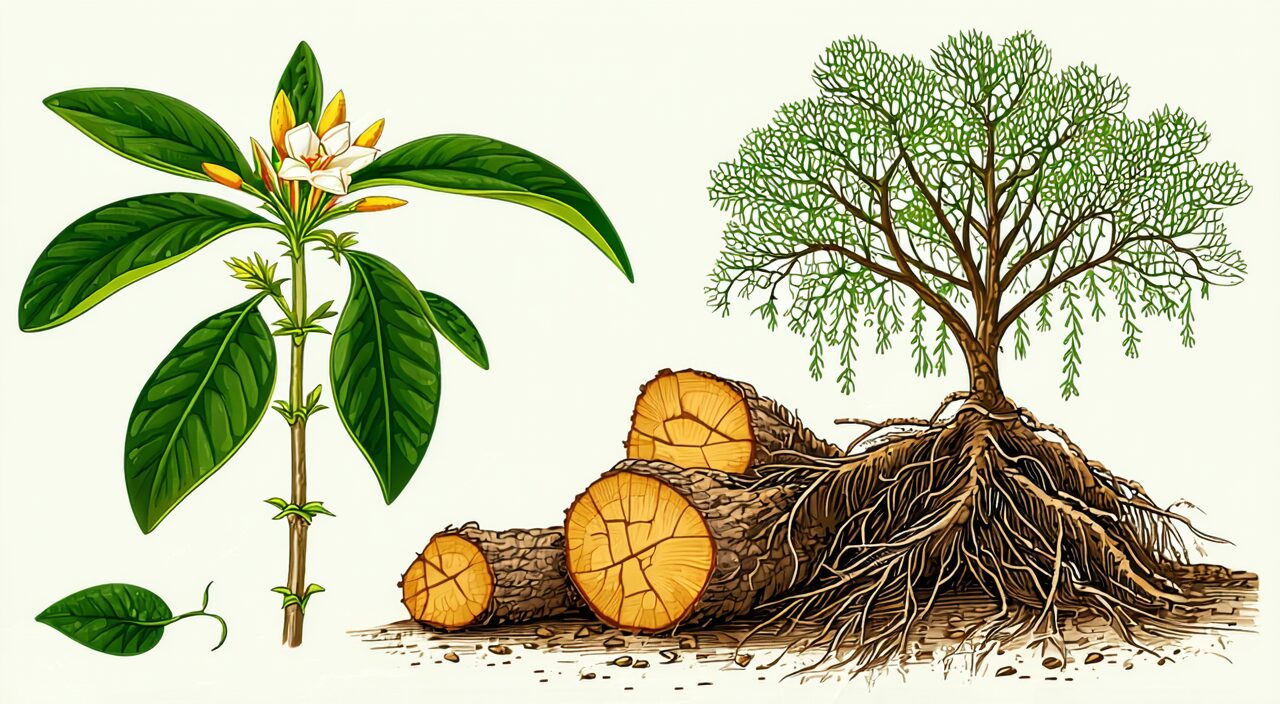
The Mu Xiang we use is the dried root of the Aucklandia costus plant from the Asteraceae family. It is generally harvested from autumn to the following spring, when the stems and leaves wither. After removing soil and fine roots, the roots are cut into thick slices or short segments and dried in the sun or at low temperature. Traditionally, there is also a processed form called “roasted Mu Xiang,” which is made by stir-frying raw Mu Xiang slices with bran or wrapping them in wet paper and slow-roasting them over a low fire. This reduces its drying nature in moving qi and makes it gentler, more suitable for those with a weaker constitution or sluggish digestion. It is important to note that the standard medicinal Mu Xiang comes from Aucklandia costus. In the marketplace, names like Chuan Mu Xiang, Tu Mu Xiang, and Qing Mu Xiang are sometimes encountered; these differ in source and properties. Among them, Qing Mu Xiang contains aristolochic acid and has been restricted in many countries, so discerning the source is essential.
How Does Traditional Chinese Medicine Understand Mu Xiang?
In traditional Chinese medicine theory, Mu Xiang is often understood from the perspective of “moving qi.” Acrid, dispersing, warm, and intensely aromatic, it is believed to travel through the San Jiao (Triple Burner) and is adept at regulating the qi dynamic of the spleen and stomach. When a person experiences abdominal distension, fullness, heaviness, and reduced appetite due to food stagnation, emotional constraint, or damp-turbidity obstruction, traditional treatment thinking often considers adding Mu Xiang to help smooth the qi dynamic. In addition, Mu Xiang is also used to harmonize the liver, soothe the gallbladder, and regulate the qi of the large intestine. For example, in some traditional formulas for constipation or tenesmus, it is combined with Huang Lian (Coptis) and Bing Lang (Areca). It also has an auxiliary role in “strengthening the spleen and aiding digestion,” usually needing to be paired with tonifying or digestant herbs to better exert its effect. However, all these functions are based on traditional experience; whether they suit a specific individual must be judged according to their unique constitution and symptoms.
What Does Modern Research Say About Mu Xiang?
From the perspective of modern research, Mu Xiang contains volatile oils, costunolide, dehydrocostus lactone, and other components. Some experimental studies suggest that Mu Xiang extracts may exert a bidirectional regulatory effect on gastrointestinal smooth muscle, both relieving spasms and promoting peristalsis, which may relate to its traditional use for distension and fullness. Other studies hint that its extracts possess anti-inflammatory and gastric acid secretion inhibitory potential, but these findings are mostly at laboratory or preliminary clinical exploration stages and have not yet formed unified application standards. For the average person, this information can help understand the traditional uses of Mu Xiang, but it does not mean it can be directly applied for daily health maintenance and should never replace necessary medical examinations.
What Are the Differences Between Mu Xiang, Xiang Fu, and Chuan Mu Xiang?
These three medicinal substances overlap somewhat in name and use, but their sources and properties are not the same. Xiang Fu is the dried rhizome of Cyperus rotundus from the Cyperaceae family. It is mostly spindle-shaped or elliptical, with a brownish-black surface, nodes, and hairy remnants; the cut surface is white or off-white, with a fragrant smell and slightly bitter taste. Mu Xiang comes from the root of the Asteraceae plant Aucklandia costus; its shape is more cylindrical, the cut surface shows a chrysanthemum core, and its aroma is much stronger. In traditional use, Xiang Fu leans more towards soothing the liver, regulating qi, and alleviating menstrual pain, while Mu Xiang tends to move the qi of the spleen, stomach, and large intestine. They are sometimes used together, but their directions differ. Chuan Mu Xiang is the dried root of the Asteraceae plant Vladimiria souliei. Its appearance is similar to Mu Xiang but coarser, with a surface color more towards grayish-brown, a milder fragrance, and a distinct oily smell; traditionally, it is considered better at warming the middle and moving qi, and its nature is slightly milder than Mu Xiang. One must be especially wary of Qing Mu Xiang, which comes from Aristolochia species and contains aristolochic acid, posing a risk of nephrotoxicity. It has been strictly banned as a medicinal ingredient in many countries and regions. When purchasing, one must carefully identify the source to avoid confusion.
Which Formulas Use Mu Xiang?
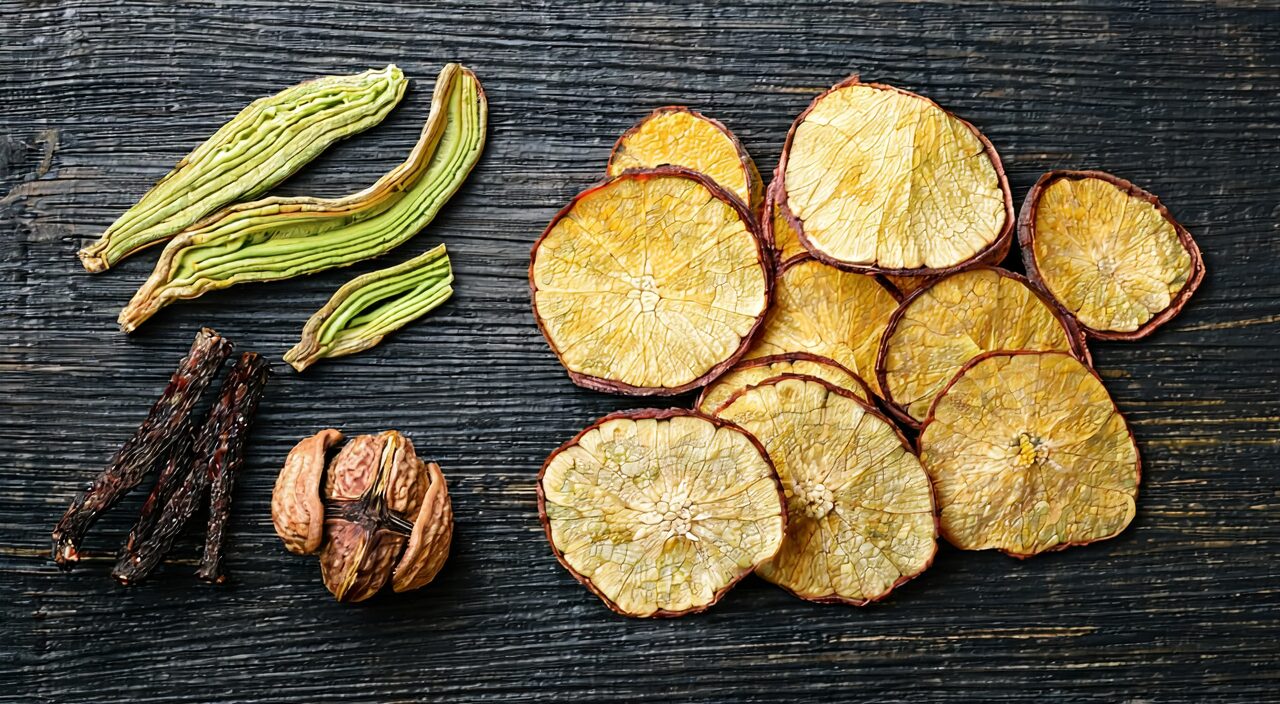
Mu Xiang appears in many traditional formulas. Below are a few representative and commonly seen ones, which can help understand its use in compound prescriptions.
- Mu Xiang Binglang Wan (Aucklandia and Areca Pill): This formula takes Mu Xiang and Bing Lang as its main ingredients, combined with Qing Pi, Chen Pi, Huang Lian, Huang Bai, etc. Traditionally used for abdominal fullness, constipation, or dysentery caused by food accumulation and damp-heat in the stomach and intestines, its overall direction is to move qi, remove stagnation, purge accumulations, and drain heat. Such formulas are relatively strong and are not suitable for those with deficiency patterns or without significant stagnation.
- Xiang Sha Liu Junzi Tang (Costus and Amomum Six Gentlemen Decoction): This is the classic qi-tonifying formula Liu Junzi Tang with added Mu Xiang and Sha Ren. Building on the qi-tonifying and spleen-strengthening base of Si Junzi Tang, it adds the function of moving qi, harmonizing the stomach, and awakening the spleen and warming the middle. Traditionally used for spleen-stomach qi deficiency combined with cold-damp qi stagnation, presenting as poor appetite, epigastric and abdominal distension, and loose stools. Its action is relatively gentle but should still be used according to constitution.
- Mu Xiang Shun Qi Wan (Costus Qi-Regulating Pill): Composed of Mu Xiang, Sha Ren, Xiang Fu, Bing Lang, Gan Cao, etc., it leans towards moving qi, transforming dampness, and strengthening the spleen and harmonizing the stomach. Often used for distension, belching, and chest tightness caused by damp-turbidity obstructing the middle and qi movement stagnation. Its qi-moving strength is considerable, so it is generally not recommended for long-term use.
- Zhen Ren Yang Zang Tang (True Man’s Viscera-Nourishing Decoction): This formula leans towards astringing and securing. Containing Mu Xiang, Ren Shen, Bai Zhu, Rou Gui, Ying Su Qiao, etc., it is traditionally used for chronic diarrhea and dysentery due to spleen-kidney yang deficiency leading to unremitting discharge. Here, Mu Xiang mainly serves to move qi and relieve pain, ensuring the formula tonifies without causing stagnation. This is a warming and astringent formula and is not appropriate for damp-heat diarrhea or other excess patterns.
The above formulas only provide some possible combination ideas from a traditional Chinese medicine perspective and are not direct health advice. Formula selection should be based on a thorough understanding of personal constitution and symptoms, combined with product instructions and professional judgment; self-prescription is not advisable.
What Precautions Should Be Taken When Using Mu Xiang?
Mu Xiang has a relatively strong qi-moving effect and a warm, drying nature, so certain precautions must be observed. For those with body fluid depletion or yin deficiency with fire effulgence—such as frequent dry mouth, hot palms, and dry stools—using Mu Xiang may worsen the dryness; it is not suitable for single or long-term use. If a qi-deficient person lacks obvious qi stagnation, using it excessively or alone may further exhaust qi, leading to fatigue or abdominal discomfort. Furthermore, pregnant and breastfeeding women should exercise particular caution and ideally use it under a doctor’s guidance. Another very important point is the risk of source confusion. Be sure to identify the Asteraceae Mu Xiang and avoid mistakenly using Aristolochia-derived Qing Mu Xiang, which contains aristolochic acid, to prevent irreversible damage to the kidneys and other organs. If you experience severe, persistent abdominal pain, vomiting, black stools, or unexplained weight loss, seek medical attention promptly rather than relying on a single herb or formula.
Summary
Mu Xiang is a commonly used Chinese herb with a potent aroma, sourced from the root. Its typical external features are a yellowish-brown surface, longitudinal striations, and the distinctive chrysanthemum core on the cut surface. Traditional Chinese medicine primarily understands it as moving qi and relieving pain, strengthening the spleen and aiding digestion, while modern research also hints at its possible effects on gastrointestinal motility. When using Mu Xiang, it is essential to distinguish it from Xiang Fu, Chuan Mu Xiang, and especially Qing Mu Xiang, and to avoid the aristolochic acid-containing Qing Mu Xiang. Understanding these basics helps develop a more rational view of traditional formulas associated with Mu Xiang, but specific situations must still be assessed in light of individual constitution and professional advice.