
Danggui Buxue Tang: Who Should Take It? Composition, Benefits, and Contraindications

When many people first encounter traditional Chinese medicine formulas, they come across the name “Danggui Buxue Tang” and naturally associate it with “tonifying blood.” However, in classical formula theory, the thinking behind this formula is not simply blood nourishment; it works by tonifying qi to help generate blood. Therefore, whether it suits you cannot be judged by the name alone. You need to understand it from the concrete manifestations of qi and blood deficiency and the overall condition.
The “Tonifying Qi to Generate Blood” Approach from a Qi and Blood Deficiency Perspective
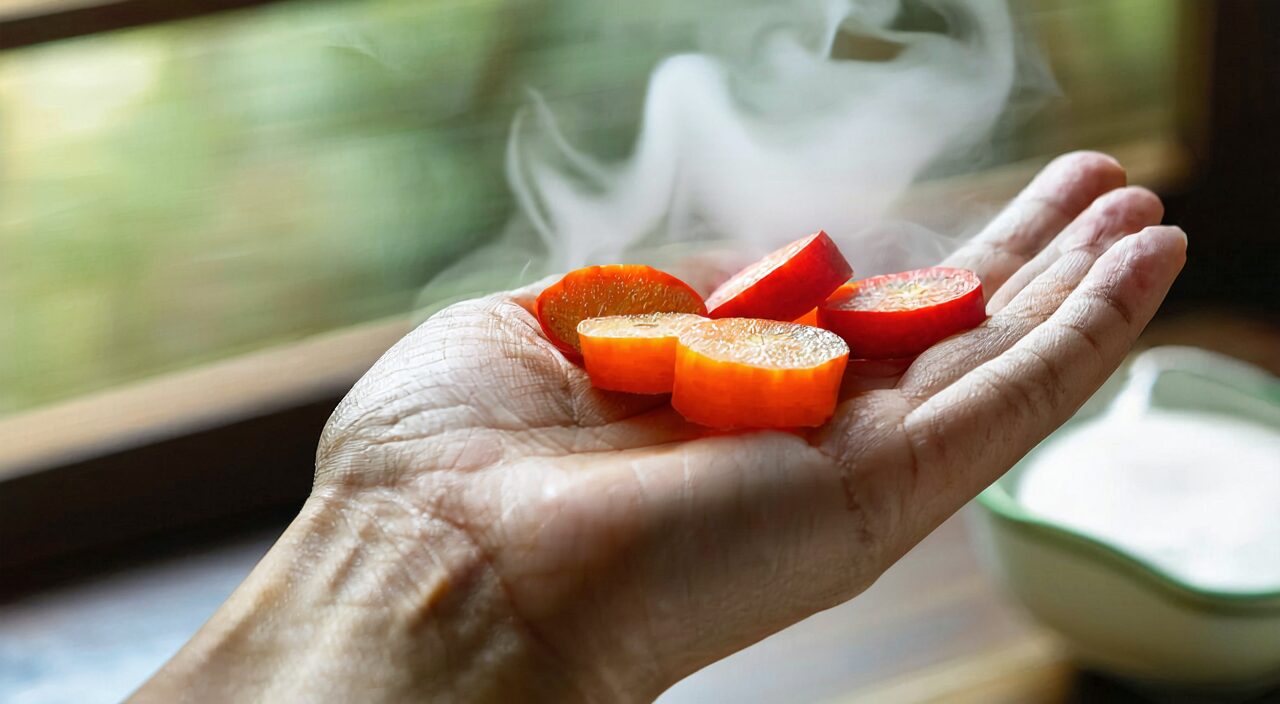
In traditional Chinese medicine theory, qi and blood are interdependent: qi can promote the generation and circulation of blood, and blood can carry qi. If a person remains in a state of prolonged fatigue, excessive consumption or poor recovery, they are prone to qi and blood deficiency.
At such times, using blood-nourishing herbs alone may yield unsatisfactory results, because there is insufficient qi to drive blood production. Danggui Buxue Tang is precisely based on the understanding that “qi can generate blood,” using a large dose of qi-tonifying herb combined with a small amount of blood-nourishing herb to promote the restoration of qi and blood.
This approach is often applied to cases of dual qi and blood deficiency that are predominantly marked by qi deficiency, for example:
- Feeling extremely fatigued, even speaking feels exhausting;
- Accompanied by blood deficiency signs such as a pale or sallow complexion and lusterless nails.
Therefore, in traditional application, it is not used for every case of blood deficiency; rather, it focuses on the state where qi deficiency fails to generate blood.
Composition and Characteristics of Danggui Buxue Tang
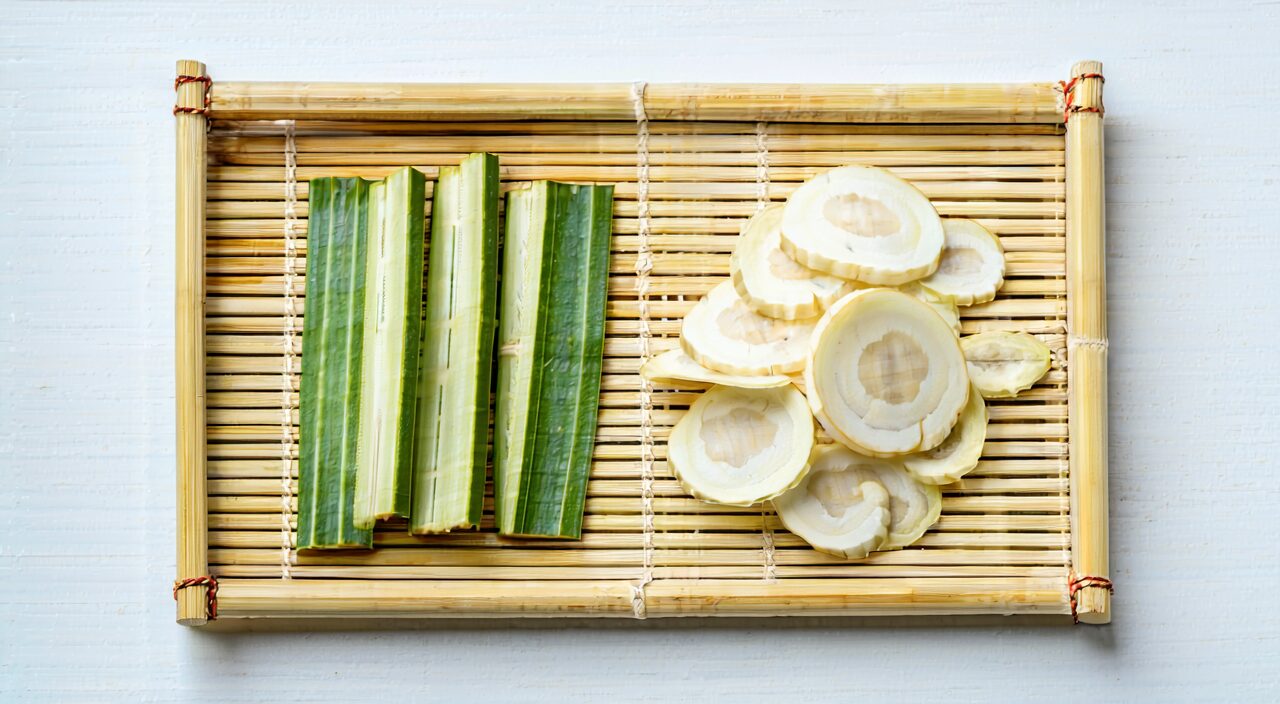
Danggui Buxue Tang has a very concise composition, consisting of only two medicinal substances, yet with a distinct emphasis in dosage proportion.
| Herb | Traditional Role | General Direction in the Formula |
|---|---|---|
| Huangqi (Astragalus) | Tonifies qi, secures the exterior | Used in a larger dose, focusing on tonifying spleen and lung qi to generate blood |
| Danggui (Angelica sinensis) | Nourishes and harmonizes the blood | Used in a smaller dose, guiding qi and blood to their proper channels and assisting blood generation |
As can be seen from this table, the dosage of Huangqi is markedly greater than that of Danggui, which embodies the “tonify qi to generate blood” philosophy. Traditionally, a large dose of qi-tonifying herb combined with a small amount of blood-nourishing herb is believed to better stimulate the body’s ability to generate blood, rather than directly replenishing yin blood.
Therefore, this formula differs in its regulatory emphasis from formulas that directly nourish blood, such as Siwu Tang.
Who Might Consider Using Danggui Buxue Tang

In traditional use, Danggui Buxue Tang is often applied to conditions of qi and blood deficiency, particularly when qi deficiency is predominant, as one of the directions to consider. The following manifestations are more empirical summaries rather than diagnostic criteria; whether an individual can use it still needs to be assessed in light of their specific situation.
Dull Complexion and Fatigue
If you experience chronic whole-body fatigue, low spirits, shortness of breath and palpitations with even slight exertion, together with a pale or sallow complexion and pale lips and nails, it may indicate qi and blood deficiency, especially insufficient driving force of qi. These symptoms worsen after exertion and recovery is slower even with rest.
Dizziness, Palpitations, and Unrefreshing Sleep
When qi and blood fail to fully nourish the head and eyes, dizziness and blackouts easily occur, especially when changing positions. Palpitations, being easily startled, or difficulty falling asleep and having very shallow sleep are also often associated with blood failing to nourish the heart. If these presentations are accompanied by noticeable shortness of breath and a tendency to be taciturn, traditionally one might consider the approach of tonifying qi and nourishing blood, with Danggui Buxue Tang being one of the possible directions.
Weakness During Recovery or Low Physical State After Prolonged Depletion
After illness, childbirth, or major surgery, dual qi and blood deficiency often occurs. If this stage presents with extreme fatigue, aversion to wind, spontaneous sweating, along with blood deficiency symptoms, the traditional approach might use Danggui Buxue Tang to assist recovery. However, such situations are relatively complex, especially postpartum or post-surgery, and must be assessed under professional guidance.
It must be emphasized that the above are only reference directions from traditional experience and do not mean they are suitable for everyone. Whether to choose this formula must be based on a comprehensive pattern differentiation, not just matching one or two symptoms.
When to Be Cautious or Avoid
The boundaries of a formula’s applicability are often more critical than “who it suits.” Danggui Buxue Tang primarily tonifies qi and is warming and supplementing in nature, so in the following situations it is generally not a priority.
When Excess Heat or Damp-Heat Is Evident
If there is fever, thirst with craving for cold drinks, red face and eyes, dry and bound stools, dark and scanty urine, or yellow greasy tongue coating and bitter sticky mouth, these belong to excess or damp-heat accumulation and are not suitable for a warming and tonifying formula. At such times, tonifying qi and blood may instead fuel pathogenic factors and worsen the discomfort.
Constitution of Yin Deficiency with Fire
Some people, although they have fatigue, emaciation, and a lusterless complexion, also have heat in the palms and soles, night fevers, night sweats, dry mouth and throat, red tongue with scant coating, and other features of yin deficiency with internal heat. Such cases require nourishing yin and clearing heat, not simply tonifying qi to generate blood. Misuse of warming and tonifying can aggravate deficiency fire.
When the Cause of Bleeding Is Unclear
Danggui has some blood-activating properties. If there is unexplained bleeding—such as excessive menstrual flow, subcutaneous bleeding, or black stools—it should not be used on one’s own. The cause of bleeding should first be clarified, and any regulation should be under professional guidance.
Special Populations
Pregnant or breastfeeding women, children, and people with serious chronic illnesses need to exercise particular caution when using Chinese herbs. In these situations, the use of any formula must be under the guidance of a physician or professional TCM practitioner and never self-prescribed.
Brief Comparison with Siwu Tang, Bazhen Tang, Guipi Tang, and Buzhong Yiqi Tang
When learning about Danggui Buxue Tang, many people come across these formulas at the same time and easily confuse them. Although they all involve regulating qi and blood, their directions and focuses differ.
| Formula | Main Direction | Brief Difference from Danggui Buxue Tang |
|---|---|---|
| Siwu Tang | Nourishes and regulates blood | Mainly directly nourishes blood, suitable for blood deficiency with relatively normal physical strength; Danggui Buxue Tang primarily tonifies qi to generate blood, with a more prominent sense of qi deficiency. |
| Bazhen Tang | Tonifies both qi and blood equally | Balances qi and blood tonification, with a more complete herbal combination; Danggui Buxue Tang has far greater qi-tonifying strength than blood-tonifying, with a very simple herbal composition. |
| Guipi Tang | Nourishes heart and spleen, nourishes blood and calms spirit | Focuses on insomnia, forgetfulness, and spleen failing to control blood due to heart-spleen deficiency; Danggui Buxue Tang has relatively weaker spirit-calming and blood-controlling effects. |
| Buzhong Yiqi Tang | Raises middle qi | Used for fatigue, organ prolapse, etc., due to sinking of middle qi and failure of clear yang to ascend, leaning toward raising yang and lifting the fallen; Danggui Buxue Tang also has the effect of nourishing and harmonizing the blood, and does not focus on raising. |
Each of these formulas has its own emphasis; actual application requires judgment based on subtle differences in constitution and symptoms. They should not be mixed or substituted on one’s own.
Summary
As a concise classic formula, Danggui Buxue Tang is commonly used in traditional Chinese medicine for qi and blood deficiency caused by qi failing to generate blood. It is especially suitable for those with pronounced fatigue, dull complexion, dizziness, palpitations, and no signs of excess heat, damp-heat, or yin deficiency fire. Its philosophy is that “tangible blood cannot be generated quickly, while intangible qi needs to be urgently secured,” using qi tonification to assist the recovery of qi and blood.
However, the applicability of any formula is highly individualized. Even if symptoms seem similar, the underlying constitutional state may be entirely different. Especially when fatigue, pallor, and other symptoms persist for a long time, or are accompanied by noticeable emaciation, abnormal bleeding, persistent low-grade fever, etc., one should not apply the formula on their own but should promptly seek professional evaluation.
This article is for TCM knowledge popularization and cultural introduction only and cannot replace professional diagnosis or treatment advice. The use of any formula should be based on an understanding of personal constitution and product instructions, and integrated with the opinions of a qualified professional.