
Who is Fangji Huangqi Tang suitable for? Composition, efficacy, and contraindications

The first time many people hear about Fangji Huangqi Tang is often because their body always feels heavy, prone to swelling, or they sweat at the slightest movement and fear wind, yet cannot find a particularly clear reason. From the perspective of traditional Chinese medicine, such situations are sometimes attributed to “qi deficiency and water-dampness.” Fangji Huangqi Tang is precisely a classic formula that addresses this issue from this angle. This article will provide a relatively complete reference for overseas Chinese users from several aspects: composition, traditional understanding, potentially suitable populations, unsuitable situations, and differences from similar formulas.
What is Fangji Huangqi Tang? Understanding this formula from its source
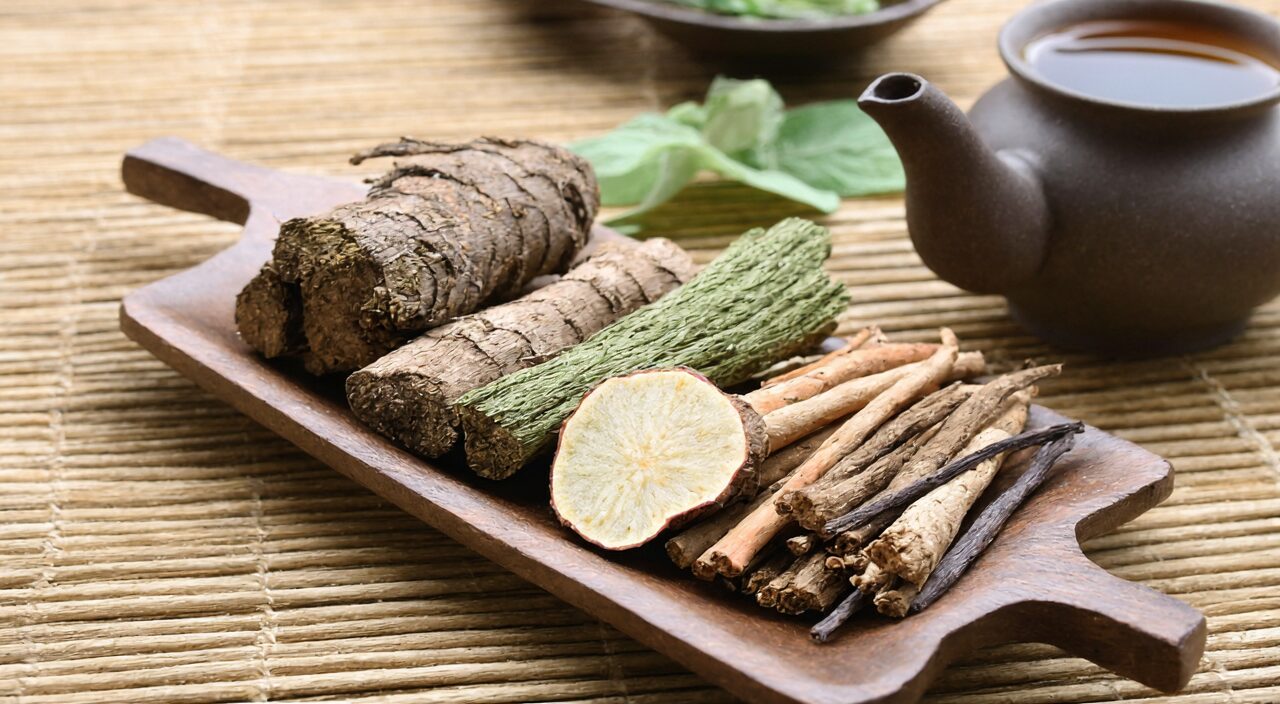
Fangji Huangqi Tang originates from Synopsis of the Golden Chamber, created by the Eastern Han physician Zhang Zhongjing. Traditionally, it is classified as a dampness-dispelling formula, but its specialty is not simply purging water-dampness; rather, it combines boosting qi and securing the exterior with draining dampness and reducing swelling. Therefore, in the classical formula system, it is often regarded as a formula that “supplements within purging and supports the upright while dispelling pathogens.”
Zhang Zhongjing’s original description roughly states: “wind-dampness, floating pulse, heaviness of the body, sweating and aversion to wind.” These few sentences already clearly outline the core focus of this formula: body heaviness, sweating yet paradoxically fearing wind, and a floating pulse—not just external contraction, nor simple internal deficiency, but a state where the exterior qi is insecure and water-dampness lodges within the body.
Composition and reference dosage
The composition of Fangji Huangqi Tang is relatively simple, with only four herbs, but in practical application, ginger, jujube, etc., are often added as guiding herbs to harmonize the nutritive and defensive. Below is a common reference composition ratio; actual use should be determined by a professional Chinese medicine practitioner based on individual conditions.
| Medicinal herb | Reference dosage (raw herb) | Traditional role in the formula |
|---|---|---|
| Fangji (Stephania root) | 12g | Expels wind and dampness, promotes diuresis and reduces swelling |
| Huangqi (Astragalus root) | 15g | Boosts qi and secures the exterior, promotes diuresis |
| Baizhu (White Atractylodes rhizome) | 9g | Strengthens spleen and dries dampness |
| Gancao (Honey-fried Licorice root) | 3g | Harmonizes all herbs, sweetly relaxes and centers |
Typically, fresh ginger and red dates are also added to help protect the spleen and stomach and harmonize the medicinal nature. The core of the whole formula lies in the pairing of Fangji with Huangqi, and Baizhu with Gancao: one ascending and one descending, one supplementing and one draining, so that dampness is eliminated without harming the upright qi.
Interpretation of the traditional efficacy of Fangji Huangqi Tang
From a traditional Chinese medicine perspective, Fangji Huangqi Tang mainly acts on the imbalance between the qi of the spleen and lung and the water-dampness lodged in the exterior. Its efficacy can be broken down into several aspects:
- Boosts qi and secures the exterior: Huangqi and Baizhu focus on supplementing the qi of the spleen and lung, allowing the defensive qi of the exterior to restore its normal “guarding” function. This is why many people experience improvement in the sensation of sweating and fear of wind after use.
- Promotes diuresis and reduces swelling: Fangji excels at promoting diuresis, especially targeting water-dampness accumulation below the waist. Traditionally, it is believed to eliminate excess fluids through urination.
- Expels wind and removes dampness: The formula also addresses the situation where wind and dampness combine, helping to relieve heavy limbs, joint discomfort, and other manifestations caused by wind-dampness.
It is worth noting that these effects are not a one-way “assault on pathogens,” but rather a gradual restoration of fluid metabolism balance under the premise of supporting the body’s upright qi. Therefore, it is more suitable for those who inherently have a certain degree of qi deficiency and cannot tolerate harsh purging formulas.
Who is Fangji Huangqi Tang suitable for?
Many readers are curious about “whether I can refer to this approach or not.” Below are some common manifestations described from the perspective of constitutional characteristics and symptom tendencies, but these descriptions can only serve as an observational framework and cannot replace professional pattern differentiation.
Typical manifestations of qi deficiency and water-dampness constitution
Traditionally, Fangji Huangqi Tang is considered to be more suited to the “qi deficiency and water-dampness” type. Specifically, it may include several of the following characteristics:
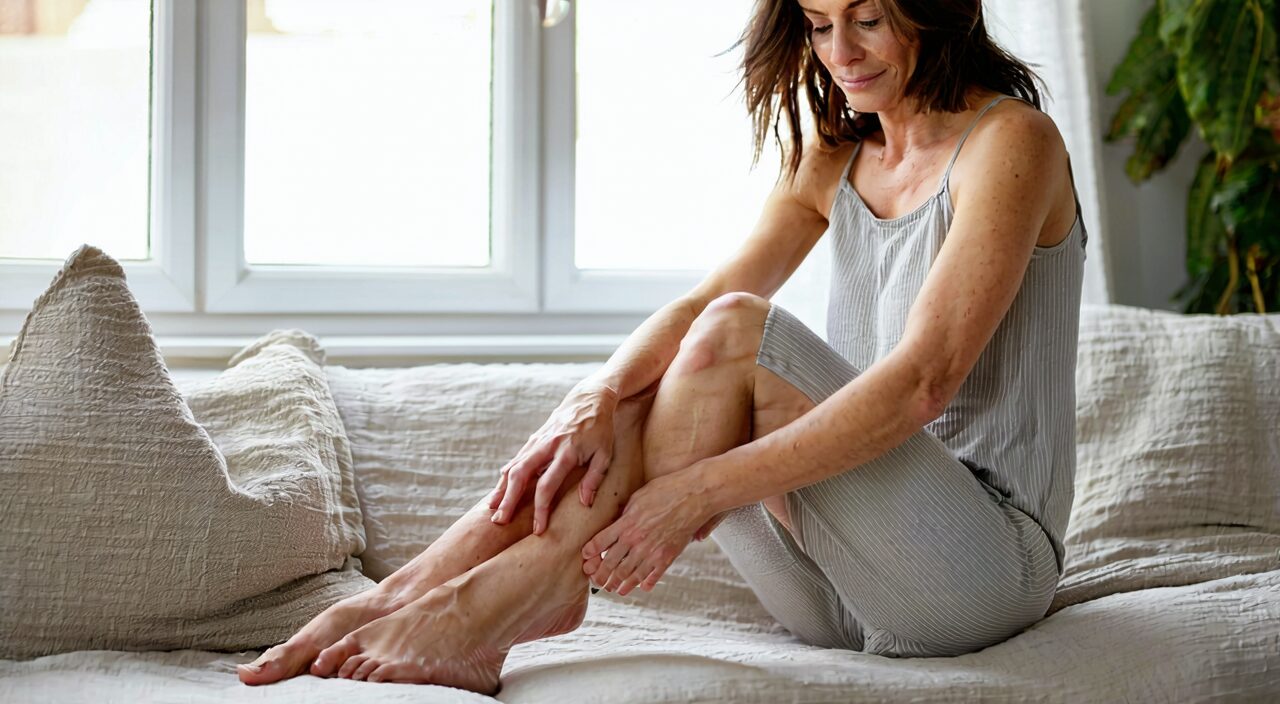
- Puffiness and edema: Body type tends toward edema-type obesity, with skin that feels relatively soft and loose when pinched, especially noticeable eyelid puffiness in the morning and swelling in the calves and ankles in the afternoon; pressing leaves a dent but rebound is still acceptable.
- Sweating and fear of wind: Sweating occurs with slight activity or even at rest; the sweat volume is not necessarily large, but there is a particular aversion to wind after sweating, feeling as if the wind penetrates into the bones, with a preference for wearing more clothes and wrapping up tightly.
- Body heaviness: The limbs always feel heavy and movement feels reluctant; walking or climbing stairs feels like moving through lead, more pronounced in the morning, slightly relieved after activity, but aggravated after fatigue.
- Easily tired, low energy: Without obvious intense exertion, one cannot muster energy; the voice is low and weak, tending to be taciturn and short of breath; fatigue easily exacerbates swelling.
- Prominent lower limb edema: Edema is more concentrated below the waist, especially in the lower limbs, sometimes accompanied by mild soreness in the knee and ankle joints.
If these characteristics appear simultaneously, with a tongue that is pale, puffy, and has tooth marks on the edges, a white greasy or thin white greasy coating, and a floating relaxed or soft fine pulse, then from traditional pattern differentiation, it may fall into the direction that Fangji Huangqi Tang addresses. However, this requires a professional Chinese medicine practitioner to confirm through comprehensive examination of the four diagnostic methods; one must not assume it applies simply because of “puffiness.”
Commonly confused directions: Not all edema is applicable
There are some conditions that, although they also manifest as edema or body heaviness, involve completely different underlying mechanisms, and at such times it is not appropriate to refer to the approach of Fangji Huangqi Tang. For instance, edema caused by internal damp-heat stagnation often presents the following manifestations:
- Dry mouth and bitter taste
- Scanty, dark urine
- Sticky, difficult bowel movements
- Yellow greasy tongue coating, slippery rapid pulse
Such presentations tend toward excess and heat patterns; if a formula that boosts qi and secures the exterior is mistakenly used, it may instead worsen the discomfort.
Contraindications and unsuitable populations for Fangji Huangqi Tang
Every classical formula has its clear scope of application and boundaries. The following groups or situations are generally not advised to reference this formula, or can only be considered under extremely rigorous pattern differentiation with modifications.
- Damp-heat excess pattern: Those with relatively severe internal damp-heat, presenting with facial and eye yellowing, low fever that does not easily subside, abdominal distension and pain, sticky stools, red tongue with thick yellow greasy coating, etc. Fangji Huangqi Tang tends toward supplementing and gently draining dampness, making it difficult to handle deep-seated damp-heat.
- Yin deficiency with fire effulgence: Long-term dry mouth and throat, hot sensations in the palms and soles, night sweats, red tongue with little coating; such constitutions already have insufficient yin fluids, and the warm, drying nature of Huangqi and Baizhu may exacerbate yin deficiency.
- Acute infection or unresolved excess pathogens: Such as acute nephritis, acute red, swollen, hot, painful joints, high fever from external contraction, etc.; at such times the priority should be eliminating pathogens, and using methods that secure the exterior and supplement qi too early is inappropriate.
- Special populations: Pregnant women, breastfeeding women, infants and young children, and individuals with severe liver or kidney insufficiency. Due to a lack of sufficient safety data, these groups must be evaluated under a doctor’s guidance, and self-reference is generally not recommended.
- Late-stage severe consumptive diseases: Such as edema caused by advanced liver disease or severe heart failure; these often require comprehensive medical management and are far beyond what a single formula can address.
Furthermore, if edema is accompanied by chest tightness, palpitations, difficulty breathing, significantly reduced or absent urine output, or if edema worsens rapidly over a short period, these could be signs of serious illness and warrant timely medical attention rather than self-selecting a formula for regulation.
Differences between Fangji Huangqi Tang and Wuling San
Both of these formulas are famous prescriptions from On Cold Damage and Miscellaneous Diseases for addressing water-dampness, and many people tend to confuse them. A simple comparison can be made from the perspective of core pathogenesis and functional characteristics.
| Comparison dimension | Fangji Huangqi Tang | Wuling San |
|---|---|---|
| Pathogenic emphasis | Exterior deficiency with water-dampness; qi deficiency fails to secure the exterior, water-dampness lodges in the skin and exterior | Bladder qi transformation dysfunction, water-dampness accumulation, impaired fluid distribution |
| Core manifestations | Sweating with aversion to wind, body heaviness, prominent lower limb edema | Thirst but immediate vomiting upon drinking, inhibited urination, edema can be generalized, often accompanied by dizziness, pulsation below the umbilicus |
| Formula design approach | Huangqi is the chief herb, boosting qi and securing the exterior; Fangji assists by draining dampness | Ze Xie, Polyporus, Poria are the main herbs, draining dampness and promoting diuresis; Guizhi assists by warming yang and transforming qi; lacks the power to boost qi and secure the exterior |
To summarize simply, Fangji Huangqi Tang is more suitable for people who are “puffy and sweat with fear of wind,” while Wuling San is more suitable for those who are “thirsty but have difficulty urinating.” Although both may address edema, the underlying constitutional foundation is not the same.
Comparison of Fangfeng Tongsheng San, Shenling Baizhu San, Linggui Zhugan Tang with Fangji Huangqi Tang
Beyond Wuling San, there are several other formulas also commonly used for issues of water-dampness, obesity, and edema. Comparing them together helps to more precisely understand the positioning of Fangji Huangqi Tang.
Fangfeng Tongsheng San
Fangfeng Tongsheng San leans more toward situations of “both exterior and interior excess.” It both releases the exterior and purges the interior, containing a large number of heat-clearing, purging, and exterior-releasing herbs, suited for robust individuals with internal heat accumulation and external pathogens, manifesting as chills and fever, constipation, scanty dark urine, and skin prone to sores and boils. In contrast, the pattern Fangji Huangqi Tang addresses is clearly based on deficiency; one is excess and the other deficiency, their directions are entirely different.
Shenling Baizhu San
Shenling Baizhu San focuses on strengthening the spleen and boosting qi, percolating dampness and stopping diarrhea. It mainly targets digestive system issues caused by spleen deficiency with dampness exuberance, such as poor appetite, loose stools, shortness of breath, fatigue, emaciation or puffy obesity without prominent swelling. Its power to promote diuresis and reduce swelling is far less than that of Fangji Huangqi Tang; it leans more toward gradual improvement from the level of spleen and stomach transportation. It can be said that Shenling Baizhu San leans toward “supplementing the spleen and percolating dampness,” while Fangji Huangqi Tang leans toward “securing the exterior and promoting diuresis.”
Linggui Zhugan Tang
Linggui Zhugan Tang is also a classical formula for addressing water-dampness, but its core is “warming yang and transforming rheum,” targeting patterns of spleen yang insufficiency leading to internal retention of water rheum. Typical manifestations include fullness and distension in the chest and hypochondrium, dizziness, palpitations, shortness of breath, and coughing. It lacks the obvious exterior deficiency manifestations of sweating with aversion to wind found in Fangji Huangqi Tang, nor does it focus on lower limb edema as the primary indication; it mainly addresses upper body symptoms caused by water rheum surging upward.
From these comparisons, it can be seen that even when formulas are built around “dampness,” differences in foundational constitutions—such as qi deficiency, yang deficiency, interior excess, or dual exterior-interior excess—greatly impact the appropriateness of selection. This is precisely why traditional Chinese medicine places special emphasis on “using the formula when the pattern is present” and advises against matching a formula based on just one or two superficial symptoms.
Practical considerations before using Fangji Huangqi Tang
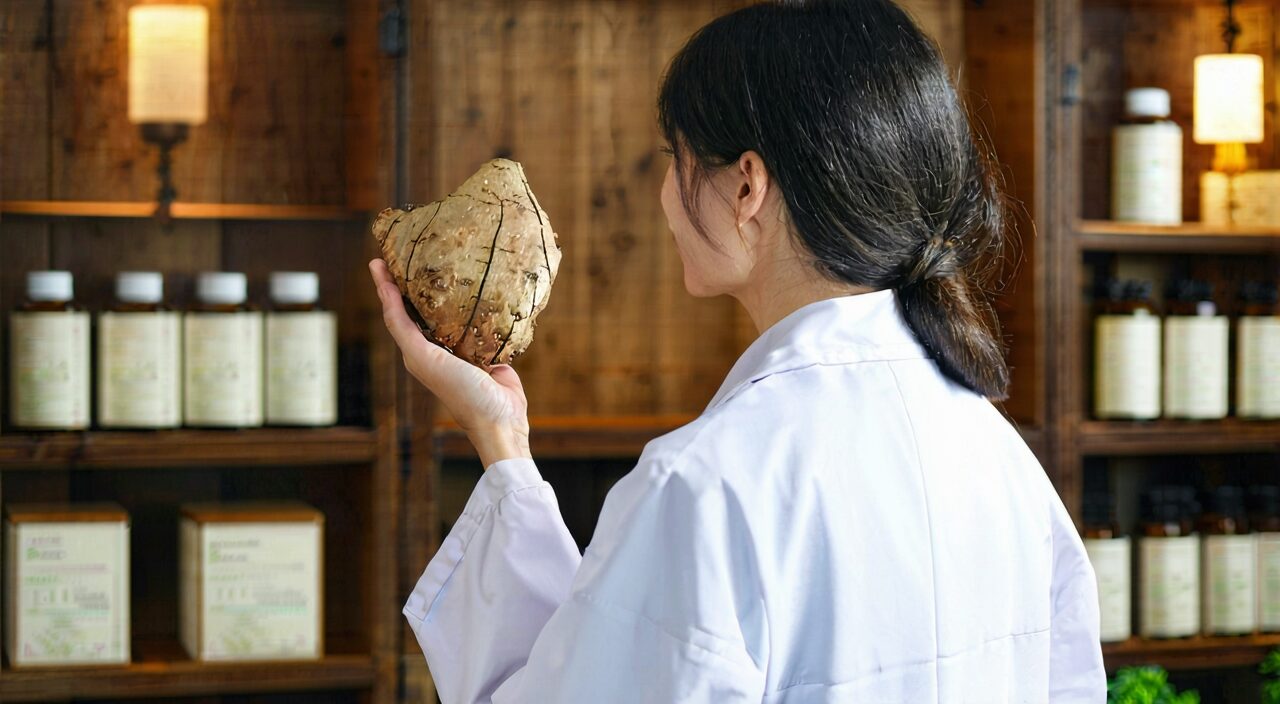
Overseas, many people may encounter such formulas through online platforms or Chinese medicine clinics. If you truly wish to use Fangji Huangqi Tang under professional guidance, there are several points worth noting:
- Traditional Fangji has two main varieties: Han Fangji (Stephania tetrandra) and Guang Fangji. Guang Fangji contains aristolochic acid, posing a risk of nephrotoxicity, and its clinical use has been largely discontinued in modern practice. Therefore, if any form of Fangji herb is involved, it must be ensured that the safely identified Han Fangji variety is used, with standardized origin and processing.
- The dosage of Huangqi in actual formulations can vary considerably; it is advisable to start with a small dose to observe the response, especially for those prone to internal heat or with borderline hypertension. It should only be used after thorough evaluation by a Chinese medicine practitioner.
- If any discomfort occurs during regulation, such as palpitations, nausea, sudden decrease in urine output, or allergic reactions, stop immediately and seek medical attention.
It bears repeating that this article is intended solely as educational information, and all content cannot replace face-to-face consultation with a licensed Chinese medicine practitioner or modern medical diagnosis.
Summary
As a classic classical formula, the valuable aspect of Fangji Huangqi Tang lies in its organic combination of boosting qi and securing the exterior with draining dampness and reducing swelling, offering a relatively gentle regulatory approach for those with qi deficiency, water-dampness, and insecure exterior qi. From puffiness, sweating and fear of wind, to body heaviness and lower limb edema, these manifestations, when viewed together, often point to the same constitutional direction.
At the same time, however, it is by no means a panacea. Damp-heat excess patterns, yin deficiency with fire effulgence, acute disease states, and many other special conditions all fall within the scope of contraindications, and the formula must never be applied simply because “there is edema.” Comparisons with formulas such as Wuling San, Fangfeng Tongsheng San, Shenling Baizhu San, and Linggui Zhugan Tang serve as a reminder that the causes of water-dampness are complex, and the foundational constitutions are immensely varied.
Therefore, the best attitude is to regard this content as a detailed reference, and when making practical considerations, still consult a trusted professional with complete information, making judgments in light of one’s actual condition.