
What Is Bai Tou Weng? Medicinal Parts, Identification, and Common Formulas
Many overseas friends interested in traditional Chinese medicine often come across the name “Bai Tou Weng” when learning about formulas. It is not as widely recognized as Gan Cao or Huang Qi, but it is an indispensable herb for addressing some damp-heat related issues. What exactly is Bai Tou Weng? What does it look like, which part is used, and how does it differ from Qin Pi? These are precisely the topics this article will sort out with you.
What Does Bai Tou Weng Look Like? How to Identify It?
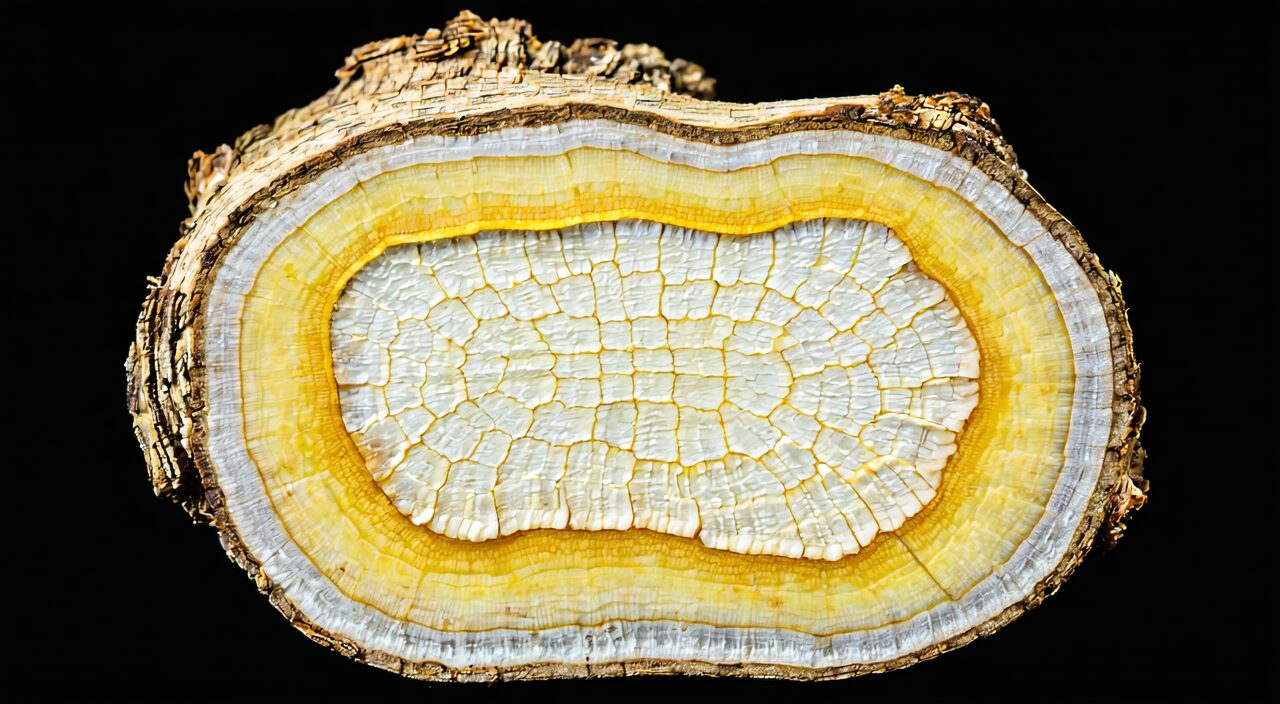
The part of Bai Tou Weng used as medicine is its dried root. It has relatively distinctive appearance features. By grasping a few key points, you can identify it in a medicine cabinet or specimen.
The root is mostly cylindrical or slightly spindle-shaped, sometimes somewhat twisted, generally 5–20 cm in length and about 0.5–1.5 cm in diameter. The surface is yellowish-brown or dark brown, usually rather coarse, with irregular longitudinal grooves or wrinkles. Sometimes lateral root traces or scars left by peeling bark can be seen.
The most characteristic part is the root head: you can often see remnants of leaf stalk bases and dense white hairs, which is the intuitive origin of the name “Bai Tou Weng” (White-Haired Old Man), resembling an elder’s white hair from a distance. The cut surface is relatively flat, with the bark part yellowish-white or pale yellowish-brown, and the wood portion smaller, ranging from light yellow to yellow, sometimes with radial cracks. The odor is relatively weak, but it tastes slightly bitter and astringent.
If the root is particularly thick and large, overly spongy, or the hairs are not obvious, one should be extra cautious, because roots from other plants of the same family are sometimes mixed into the market.
What Is the Medicinal Part of Bai Tou Weng?
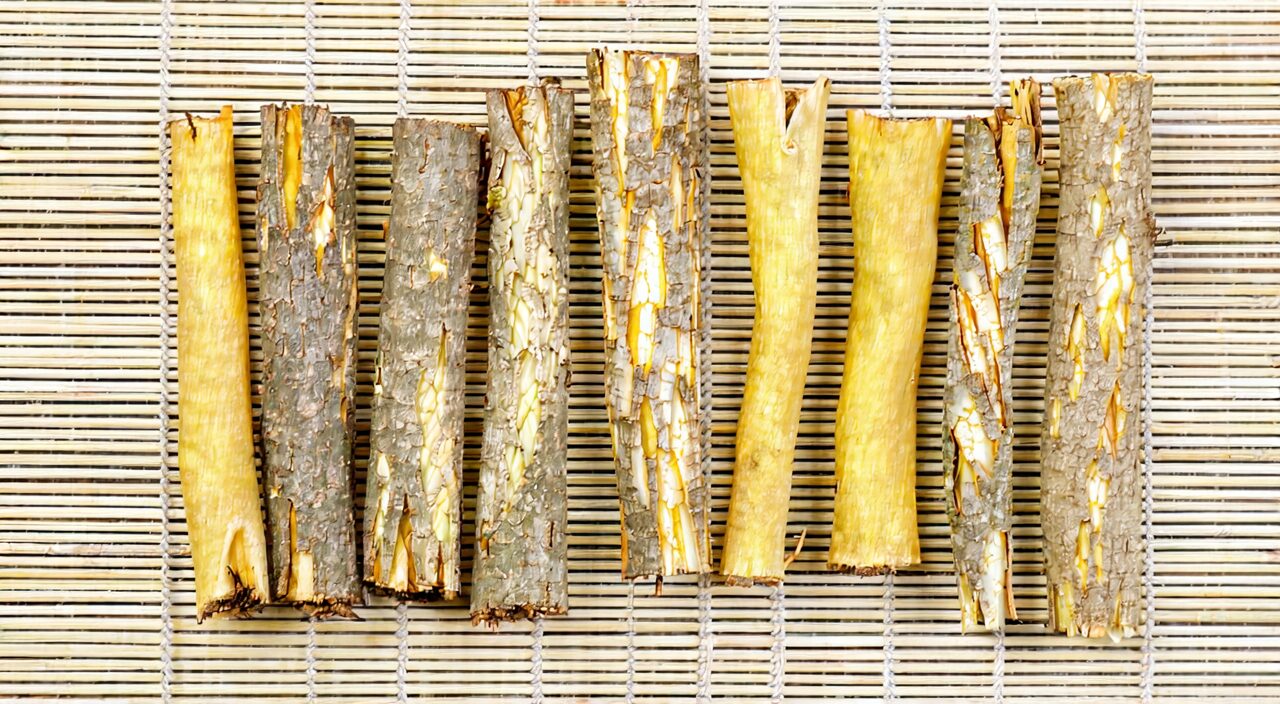
The official medicinal part is the dried root of Bai Tou Weng. Harvesting is usually carried out in spring and autumn. After digging out the roots, remove the aerial parts and silt, wash them clean, and then sun-dry or oven-dry.
During processing, larger residual stem bases on the root head are sometimes trimmed off, but the characteristic white hairy root head is generally retained, which also serves as a reference for quality evaluation. According to traditional experience, roots that are thick and long, with a yellowish-brown surface, prominent white hairs on the root head, and a yellow wood portion on the cut surface are considered superior.
It should be noted that although the name Bai Tou Weng is very vivid, there are regions where plants with the same name or similar pronunciation are used interchangeably. For example, in some areas, roots from plants in the Rosaceae or Caryophyllaceae families are mistaken for Bai Tou Weng. Therefore, when sourcing or purchasing independently, it is best to rely on standardized Chinese herbal medicine criteria to ensure a clear origin.
How Does Traditional Chinese Medicine Understand Bai Tou Weng?
When understanding medicinal herbs, traditional Chinese medicine (TCM) does not view a single component in isolation; instead, it places them within the framework of nature, taste, meridian tropism, and overall function.
Bai Tou Weng is bitter in taste and cold in nature, entering the Stomach and Large Intestine meridians. Its core function can be summed up in eight characters: “clear heat, resolve toxins, cool the blood, and stop dysentery.” In other words, traditional practitioners would consider using it mainly when the body exhibits damp-heat pathogens or toxic heat obstructing the Large Intestine, presenting with tenesmus, dysentery with pus and blood, and a burning sensation in the anus.
Why does it tend toward the Large Intestine and the blood level? Because bitter-cold properties can dry dampness and clear heat-toxins, while the “cool the blood” aspect is traditionally believed to relate to heat entering the blood level. When damp-heat and blood-heat intermingle, it often leads to dysentery with more red (blood) than white (pus). Bai Tou Weng precisely targets this direction, and is thus regarded as one of the key herbs for “heat-toxin blood dysentery.”
However, these understandings apply only in the broad context of “heat patterns” and “excess patterns.” For diarrhea of deficiency-cold type, or for individuals with a generally weak Spleen-Stomach who tend to have loose stools when exposed to cold, it is not suitable to use casually.
Some Findings from Modern Research
Modern phytochemical research has found that Bai Tou Weng contains various saponins, as well as protoanemonin and other compounds. In experimental studies, these components have shown certain anti-inflammatory and antibacterial activities, especially inhibitory effects against some intestinal pathogenic bacteria. These findings provide a partial material-level reference for the herb’s traditional functions of clearing heat and stopping dysentery, but they are still far from direct clinical conclusions. Therefore, for now, it is more appropriate to treat them as directions for further understanding and discussion rather than as direct grounds for self-use.
How Does Bai Tou Weng Differ from Qin Pi and Huang Lian?
Because Bai Tou Weng Decoction often includes Bai Tou Weng, Qin Pi, Huang Bai, and Huang Lian, many people wonder: what exactly is the difference between Bai Tou Weng and Qin Pi? And how does it differ from Huang Lian?
First, the medicinal parts are completely different. Bai Tou Weng uses the root, Qin Pi uses the dried branch bark or trunk bark of plants from the Oleaceae family, and Huang Lian uses the dried rhizome of plants from the Ranunculaceae family. Although all three tend to be bitter and cold and are commonly used for damp-heat related issues, their emphases differ.
From the perspective of traditional functions: Bai Tou Weng leans more toward entering the Large Intestine, cooling the blood, and resolving toxins, making it suitable for heat-toxin lodged in the blood level, dysentery with pus and blood, and marked tenesmus. Qin Pi is more oriented toward clearing the liver and brightening the eyes, and drying dampness with astringent properties; besides being used for damp-heat diarrhea, it also often appears in combinations for eye disorders. Huang Lian excels at clearing heat, drying dampness, draining fire, and resolving toxins, with a wide scope of action covering heat signs from the upper to the middle burner. In formulas, they often work together, each playing a different role rather than substituting one for another.
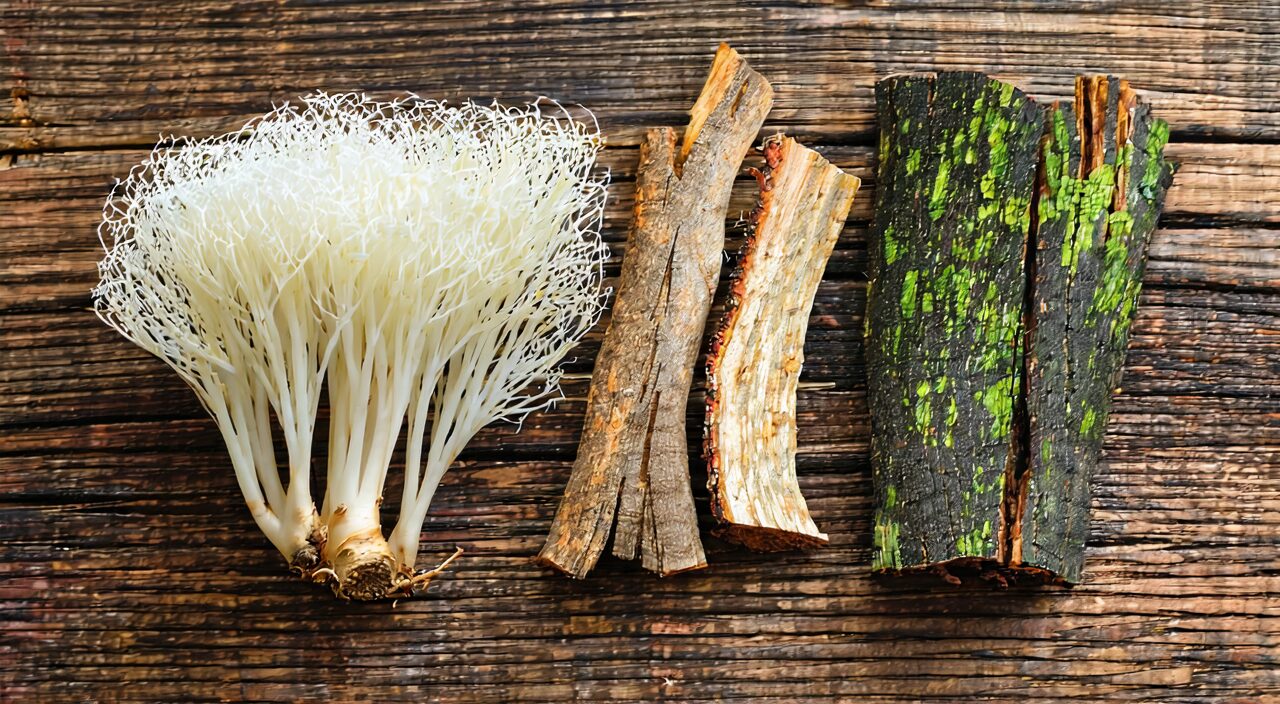
In appearance, the root head of Bai Tou Weng has white hairs, which is the most down-to-earth distinguishing point. Qin Pi appears in rolls or troughs, with a grayish-brown or grayish-white surface and dotted lenticels; Huang Lian is irregularly knotty, with an orange-yellow or reddish-yellow cut surface. Placed side by side, the differences are actually very obvious.
Which Formulas Use Bai Tou Weng?
Bai Tou Weng does not appear very frequently in classical formulas, but whenever it does, it usually revolves around a relatively clear therapeutic direction.
Bai Tou Weng Decoction This is the earliest and most representative formula, originating from the Treatise on Cold Damage (Shang Han Lun). The original formula consists of Bai Tou Weng, Huang Bai, Huang Lian, and Qin Pi. Traditionally, it is used for dysentery caused by damp-heat and heat-toxin brewing in the Large Intestine, presenting with diarrhea, tenesmus, purulent bloody stools, and a burning anus. Nowadays, there are patent medicine or formulated granule forms; when learning about them, one should refer to the current product instructions and personal constitution.
Bai Tou Weng Plus Gan Cao and E Jiao Decoction This is also a variation from the Essentials from the Golden Cabinet (Jin Gui Yao Lue), adding Gan Cao (licorice) and E Jiao (donkey-hide gelatin) to the base of Bai Tou Weng Decoction. According to traditional understanding, if, in addition to the manifestations of damp-heat toxin dysentery, there is also a blood deficiency aspect — for instance, in postpartum women or those with a constitutionally weaker body — the ancients would use this modified formula to simultaneously nourish blood and relieve urgency. However, this does not mean it can be applied casually; it still requires a holistic assessment based on individual circumstances.
Modified Bai Tou Weng Decoction In clinical practice, many TCM practitioners will add or subtract herbs based on the original formula, for example adding Bai Shao (white peony root), Di Yu (sanguisorba root), or Ma Chi Xian (purslane), to address more complex situations. These modifications often require a professional TCM practitioner to adjust according to current symptoms, tongue, and pulse; one should not attempt to follow a fixed formula on their own.
It is worth reminding that all the above formulas belong to the category of relatively strong heat-clearing and dampness-drying agents, and should never be self-selected simply when diarrhea occurs. Only after professional pattern differentiation confirms that it belongs to heat-toxin or damp-heat pattern types, and after excluding other serious causes, can they be considered as a possible reference direction.
What Should Be Noted When Using Bai Tou Weng?
Bai Tou Weng has a bitter-cold nature, so special attention must be paid to one’s constitution and specific condition when using it.
First, it should not be used for deficiency-cold diarrhea. If diarrhea presents with clear, watery stools without a strong foul smell, with a preference for warmth and pressure on the abdomen, and possibly accompanied by cold hands and feet, or fatigue, this mostly belongs to Spleen-Stomach deficiency cold or cold-dampness encumbering the spleen. Forcefully using bitter-cold Bai Tou Weng can easily aggravate the discomfort.
Second, dehydration and infectious diarrhea require prompt medical attention. If diarrhea is frequent, accompanied by obvious thirst, decreased urine output, dry skin, sunken eye sockets and other signs of dehydration, or if there is high fever, severe abdominal pain, stools with a large amount of mucus and pus-blood, or persistent vomiting, this may be a more serious bacterial or amebic dysentery. Seek medical help as soon as possible rather than observing on your own or relying on herbal remedies.
Third, it is not recommended for self-use during pregnancy. Bai Tou Weng’s bitter-cold nature is relatively strong. A pregnant woman’s body is in a special state; any Chinese herb with a marked biased nature should only be used after evaluation by a qualified TCM practitioner.
Fourth, long-term self-use is inappropriate. Heat-clearing herbs are generally only suitable for short-term, phased use when corresponding patterns temporarily appear. Long-term reliance may damage Spleen-Stomach yang qi, leading to new problems such as decreased appetite and cold abdominal pain.
Summary
Bai Tou Weng is a bitter-cold Chinese medicinal herb, used as a medicinal root, with the white hairs on the root head serving as an intuitive identification point. Traditionally, it is mainly used to clear heat, resolve toxins, cool the blood, and stop dysentery. It is often selected for heat patterns such as damp-heat toxin dysentery, tenesmus, and purulent bloody stools. Although it belongs to the same bitter-cold, heat-clearing category as Qin Pi and Huang Lian, their medicinal parts and emphases differ. It must be emphasized that Bai Tou Weng or its related formulas should not be self-used in cases of deficiency-cold diarrhea, severe infection or dehydration, or during pregnancy. Any choice regarding Chinese herbs or patent medicines should be combined with individual actual conditions and consultation with a professional. The content of this article is for popular science and informational purposes only.