
What Is He Shi? Medicinal Parts, Identification and Common Formulas
When mentioning He Shi (Fructus Carpesii), many overseas TCM enthusiasts might think of a tiny yet uniquely acting herb in traditional deworming formulas. In reality, “He Shi” in Chinese herbal medicine does not correspond to a single plant source; there may be variations in the species used across different regions. The most common is the mature fruit of the Asteraceae plant Carpesium abrotanoides (Tian Ming Jing), while the fruit of the Apiaceae plant Daucus carota (wild carrot) is also used as Nan He Shi. Such diversity in sources makes correct identification and use especially important.
What Does He Shi Look Like? How to Identify It?
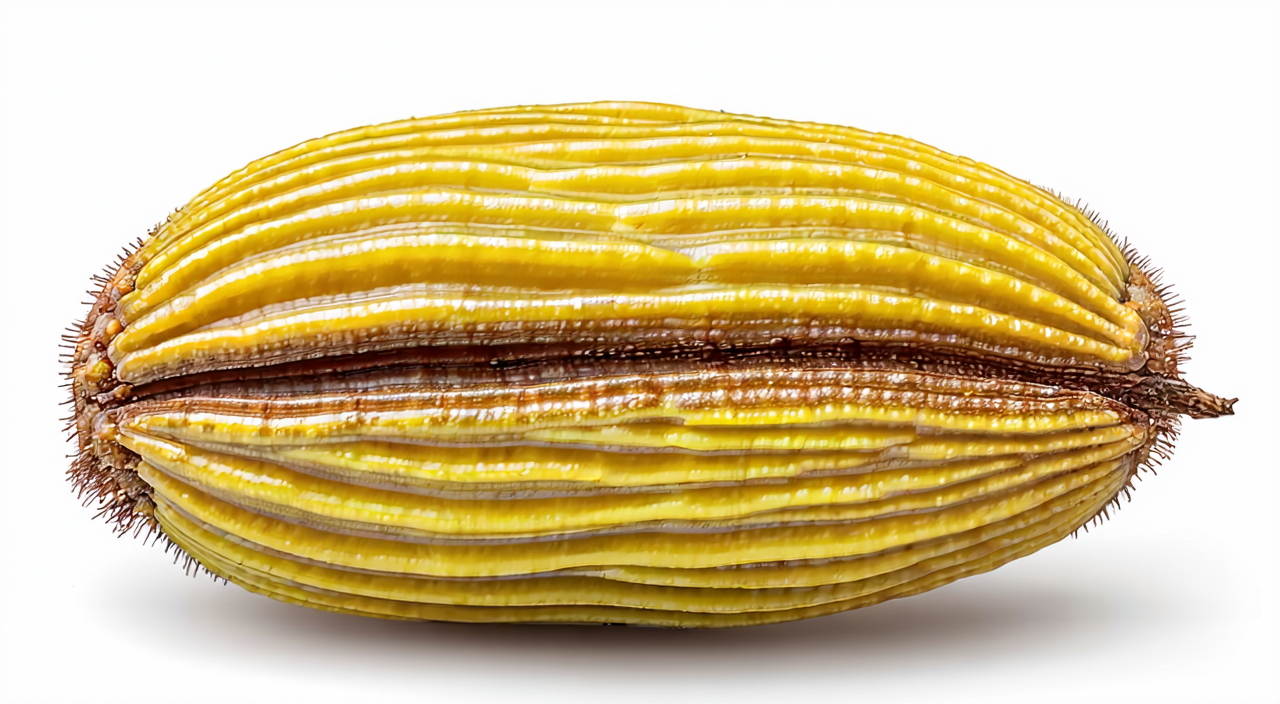
He Shi (the fruit of Tian Ming Jing) is a very small achene, generally cylindrical or obovoid in shape, only about 3–5 mm long and 1–2 mm in diameter. The surface is brownish-yellow to yellowish-brown, with multiple distinct longitudinal ridges; between the ridges, fine transverse striations are visible, especially when light shines obliquely. The apex of the fruit often bears a remnant of the style, and the base sometimes has a thin fruit stalk; the broken surface is whitish or pale yellow.
Under magnification, the surface often has tiny short hairs or bristles, which are sparse—not prickly but discernible upon close inspection. To the touch, it feels slightly rough, unlike some smooth small seeds. He Shi is slightly tough in texture, with a faint odor and a slightly bitter taste. Its overall appearance resembles certain weed fruits such as Xanthium (cang er zi) and Torilis (xiao qie yi), so accurate identification relies on a combination of plant source and fruit morphology. Occasionally, other plant fruits are passed off as He Shi in the market; it is advisable to purchase from trusted suppliers and carefully observe the longitudinal ridges and short hairs.
What Is the Medicinal Part of He Shi?
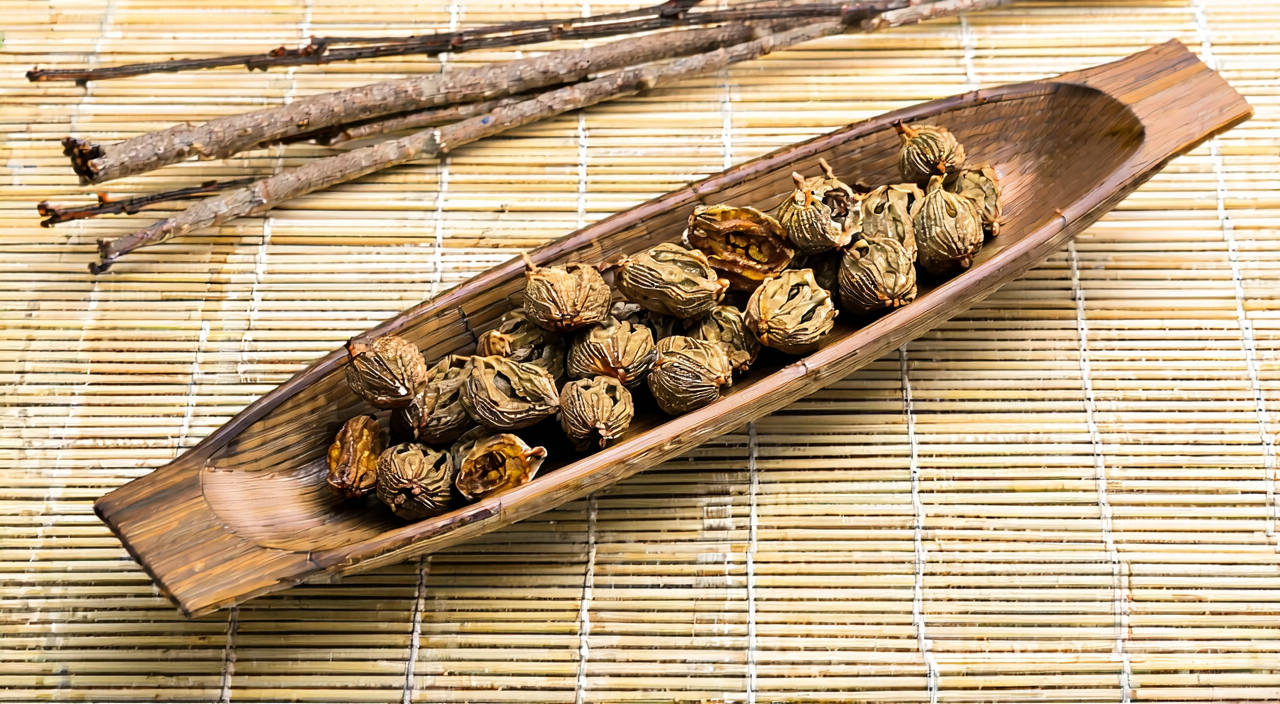
The medicinal part of He Shi is the mature fruit; the whole herb or rhizomes are generally not used. The traditional harvest period is mostly in autumn, when the aerial parts begin to wither and the fruits turn from green to yellowish-brown. At this time, the infructescences are cut, sun-dried, and the fruits are beaten off, impurities removed, and then dried again for storage. During this processing, shriveled and immature green fruits are usually sieved out, leaving only plump, intact mature fruits.
In most cases, He Shi is used in its raw form without special processing, but in some regions it is dry-fried or lightly stir-fried to reduce potential gastrointestinal discomfort through mild heating. The medicinal part is clearly the fruit, which is similar to some other anthelmintic herbs such as Shi Jun Zi (also a fruit), but different from Bing Lang (seed) or Ku Lian Pi (bark). After harvest, attention should be paid to moisture and insect prevention; storage should be in a dry, ventilated environment to avoid mold or degradation of active components.
How Does TCM Understand He Shi?
Traditional Chinese medicine often views He Shi from the angle of expelling parasites and resolving food accumulation. Classical texts record its flavor as bitter and acrid, its nature as neutral, with slight toxicity, and it enters the Spleen and Stomach meridians. A representative description is “kills the worms of the five viscera, treats heart pain from worm attacks,” indicating that ancient practitioners considered it to have a restraining effect on various intestinal parasites. In TCM reasoning, worm accumulation is often linked to weak Spleen-Stomach transportation, unclean diet, and internal damp-heat, so He Shi is rarely used alone. Instead, it is frequently combined with other herbs that resolve accumulation, guide out stagnation, and regulate Qi and harmonize the middle burner—such as Bing Lang, Mu Xiang, and Ku Lian Pi—to address both parasite expulsion and adjustment of Spleen-Stomach function.
The main application direction of He Shi is in traditional syndromes such as abdominal pain caused by intestinal parasites, childhood gan (malnutrition) accumulation, and abnormal appetite. However, with improved hygiene conditions in modern times, relying solely on a single herb to address parasites is rare; it is more often used as part of a formula and requires consideration based on specific pattern differentiation.
Modern Research Focuses on Source and Safety
Modern research on He Shi mainly focuses on accurate botanical identification and safety data. The fruit of Carpesium abrotanoides contains chemical constituents such as volatile oils and sesquiterpene lactones. Some of these components have shown inhibitory activity against certain parasites in experimental studies, but such research is still mainly in vitro or based on animal experiments, with limited clinical evidence, and is not yet sufficient to support use as a single agent.
On the other hand, the fruit of wild carrot (Nan He Shi) has significant compositional differences and cannot be considered pharmacologically equivalent to the authentic He Shi; the two should not be substituted for each other. Because of the traditional understanding that He Shi has slight toxicity, modern pharmacology also indicates that higher doses may irritate the gastrointestinal tract, causing nausea, abdominal pain, and other reactions. Therefore, formulas containing He Shi usually strictly control dosage and treatment duration, and self-increasing the dose or long-term use is not recommended. This also reminds users that He Shi should only be used under professional guidance after identifying the specific type of parasitic infection; blind self-deworming may pose unnecessary risks.
What Are the Differences Between He Shi, Nan He Shi, and Shi Jun Zi?
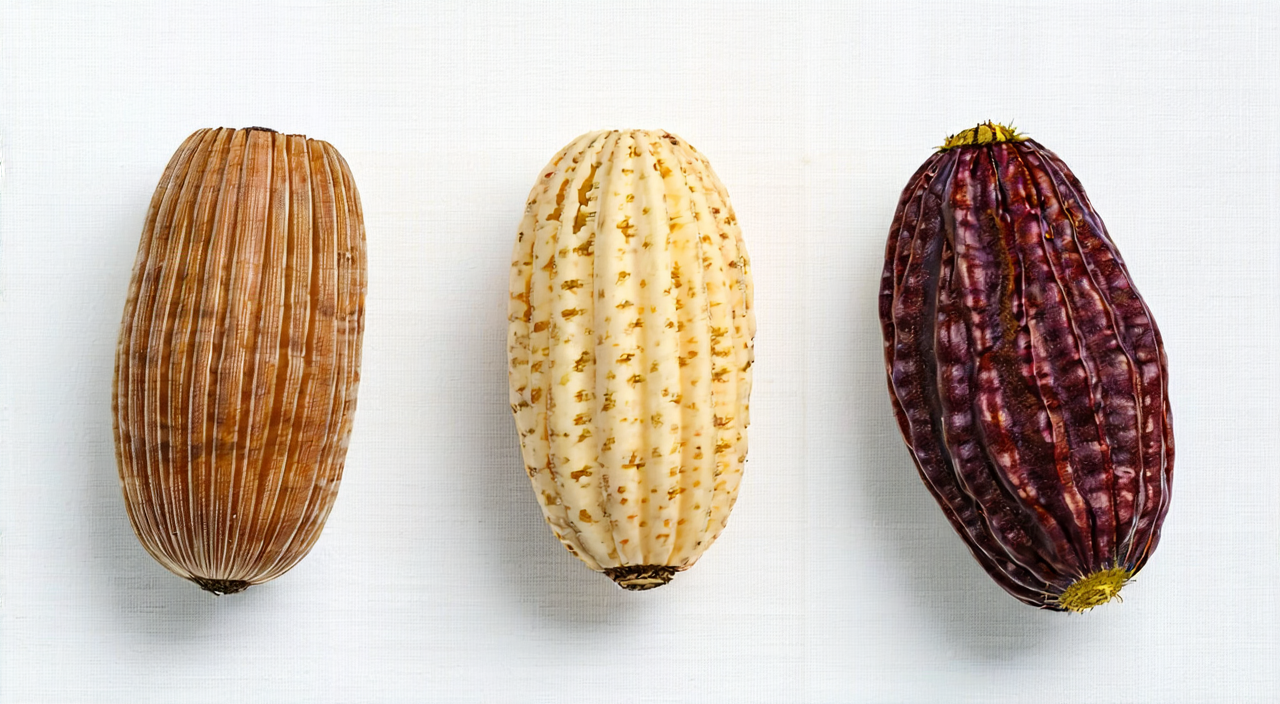
He Shi on the market is often confused with Nan He Shi and sometimes mentioned alongside Shi Jun Zi due to a perceived overlap in actions, but the three differ markedly in origin and appearance. He Shi (authentic) is the fruit of the Asteraceae plant Carpesium abrotanoides—small, cylindrical, with distinct longitudinal ridges and short hairs, brownish-yellow in color, and slightly rough to the touch. Nan He Shi is the fruit of the Apiaceae plant wild carrot—elliptical or broadly ovoid, with a convex back and slightly flat ventral surface, densely covered with hooked bristles, giving it an overall prickly appearance; it feels distinctly spiny to the touch and is more grayish-brown. Shi Jun Zi is the mature fruit of the Combretaceae plant Quisqualis indica—larger, elliptical or spindle-shaped, with five prominent longitudinal ridges forming angular edges, a blackish-brown or dark brown pericarp, hard texture, and a characteristic oily cross-section.
From a traditional use perspective, Shi Jun Zi is more inclined toward expelling roundworms and resolving accumulation while strengthening the Spleen; it is often used alone or in combination with Bing Lang. Although both He Shi and Shi Jun Zi are used in the anthelmintic domain, their emphases and applicable scopes differ. Clearly distinguishing the origin and morphology of these herbs is fundamental to preventing misuse, especially when purchasing on one’s own.
Which Formulas Use He Shi?
Although He Shi is not as common as Gan Cao or Fu Ling, it holds an important place in several classic formulas. For example, He Shi San (He Shi Powder) is traditionally used for worm accumulation with episodic abdominal pain, often by grinding He Shi together with Bing Lang and Ku Lian Pi and taking with rice broth. Hua Chong Wan (Parasite-Expelling Pill) is also a representative anthelmintic formula, composed of He Shi, Bing Lang, Ku Lian Pi, lead powder, and others; it was used in ancient times for various intestinal parasite syndromes, but some excipients are no longer used today, so modern applications are often modified. Fei Er Wan (Fat Infant Pill) is commonly used for childhood gan accumulation, indigestion, and emaciation due to worm infestation; besides He Shi, it includes Shi Jun Zi, Bai Zhu, and Fu Ling to simultaneously expel parasites and strengthen the Spleen. The specific choice of formula and dosage must be adjusted according to constitution, age, and specific symptoms; one should not mechanically apply a set formula, especially with children, where caution is even more necessary. If you are interested in such formulas, it is recommended to regard them as a reference for understanding traditional usage directions and consult qualified TCM professionals.
What Precautions Should Be Taken When Using He Shi?
First, source confusion is one of the biggest hidden dangers. If Nan He Shi or other fruits are mistakenly used as authentic He Shi, compositional differences may lead to suboptimal effects or even unexpected gastrointestinal reactions. Therefore, whether purchasing or using, verify that the herb source is clearly labeled as the fruit of Carpesium abrotanoides. Second, He Shi has a mild irritant effect on the gastrointestinal tract; taking it on an empty stomach may cause nausea and abdominal discomfort, so traditional usage often advises combining it with Spleen-strengthening herbs or taking it after meals. Third, pregnant women, nursing mothers, infants, young children, and the elderly and frail are generally not recommended to self-administer preparations containing He Shi. Additionally, any deworming measures should only be taken after identifying the specific parasite type (e.g., roundworms, tapeworms, pinworms); blind deworming may delay proper diagnosis. If severe abdominal pain, chronic dyspepsia, unexplained weight loss, or abnormal bowel movements occur, seek medical attention promptly rather than searching for deworming remedies on your own.
Summary
As a traditional anthelmintic medicinal, He Shi uses the mature fruit of Carpesium abrotanoides as its medicinal part; its tiny size, longitudinal ridges, and fine hairs are key identification features. In practice, attention must be paid to distinguishing easily confused varieties such as Nan He Shi, and formulas containing He Shi—such as He Shi San, Hua Chong Wan, and Fei Er Wan—should be understood objectively: they are merely examples of traditional formulas, and whether they suit an individual requires comprehensive judgment based on constitution, parasite type, and professional advice. This article is for knowledge sharing only and does not replace professional diagnosis or treatment advice. If you have relevant health concerns, please consult a local healthcare professional.