
Who Is Jianpi Wan Suitable For? Composition, Benefits, and Precautions

Many people consider Jianpi Wan a common digestive aid, but in Chinese medicine, it is not simply a digestion-promoting formula.
This article examines Jianpi Wan from the perspective of strengthening the spleen to promote digestion and spleen deficiency with food accumulation. It outlines its composition, the signs it may traditionally suit, and situations requiring caution. At the same time, it compares it with formulas like Baohe Wan, Shenling Baizhu San, Renshen Jianpi Wan, and Xiangsha Liujunzi Tang to help readers more clearly understand the positioning of Jianpi Wan.
Understanding Jianpi Wan from a Chinese Medicine Perspective: Spleen Deficiency Coexisting with Food Accumulation
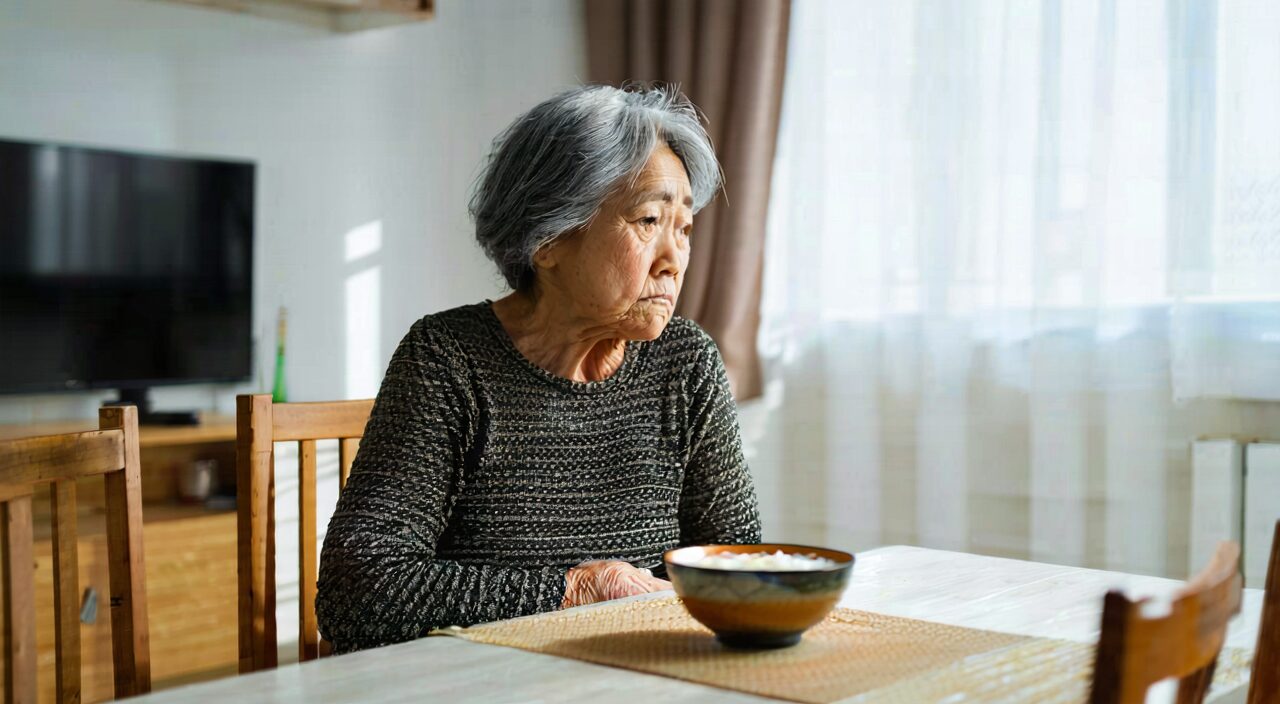
From a Chinese medicine perspective, Jianpi Wan primarily addresses the situation of spleen deficiency accompanied by food accumulation.
Simple food accumulation is often seen when one occasionally overeats and cannot digest, mainly an excess pattern. But the direction Jianpi Wan aims at is when the spleen and stomach’s transporting and transforming ability is already weak, and improper diet leads to stagnant food accumulation.
This type of problem often manifests as a mixed deficiency-excess pattern:
- On one hand, spleen deficiency with fatigue, poor appetite, loose and unformed stools
- On the other hand, food accumulation with epigastric fullness, sour foul breath, and undigested food in the stool
Because the spleen’s transportation capacity is insufficient, food more easily stagnates, which in turn further burdens the spleen.
Chinese medicine handles this situation not by simply promoting digestion and removing stagnation, but by simultaneously dispersing and tonifying — both helping to digest food and supporting the spleen and stomach’s deficiency. The formula strategy of Jianpi Wan revolves around this principle.
Core Composition of Jianpi Wan
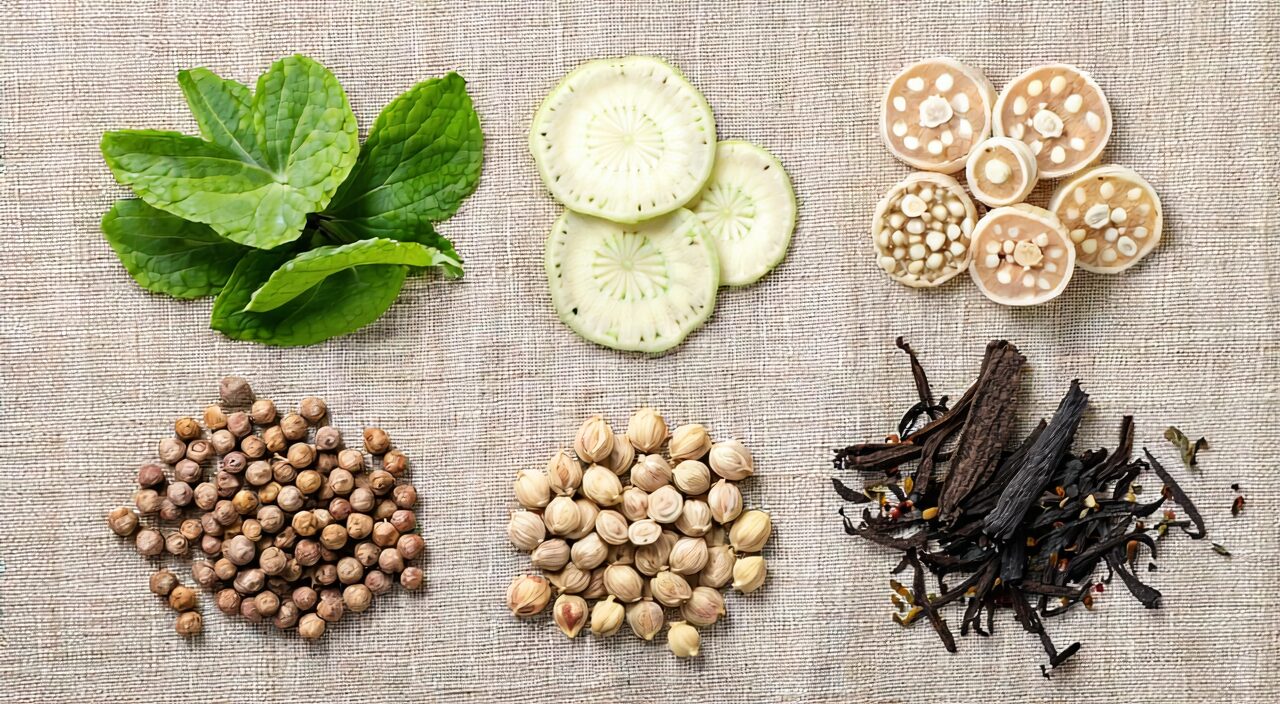
The traditional composition of Jianpi Wan is shown in the table below. Specific combinations and dosages may vary slightly across different historical records, but the basic medicinal structure is relatively stable.
| Ingredient | Approximate Role in the Formula |
|---|---|
| Renshen (Ginseng) | Tonifies spleen qi |
| Baizhu (Atractylodes) | Strengthens the spleen, dries dampness, aids transportation |
| Fuling (Poria) | Strengthens spleen, leaches dampness |
| Gancao (Licorice) | Tonifies the middle, boosts qi, harmonizes all medicinals |
| Shanyao (Chinese Yam) | Tonifies spleen and stomach |
| Lianzi Rou (Lotus Seed) | Strengthens spleen, stops diarrhea |
| Chenpi (Tangerine Peel) | Regulates qi and harmonizes stomach |
| Sharen (Amomum) | Moves qi, awakens spleen, transforms dampness, opens appetite |
| Shanzha (Hawthorn) | Dissolves food accumulation, especially greasy and meat stagnation |
| Shenqu (Medicated Leaven) | Digests food, harmonizes stomach, especially grain food stagnation |
| Maiya (Malt) | Moves qi, digests food, strengthens spleen, opens appetite |
| Huanglian (Coptis) | Clears heat from damp-food stagnation |
| Muxiang (Aucklandia) | Moves qi, stops pain, regulates center, guides out stagnation |
From the composition we can see:
- Renshen, Baizhu, Fuling, Gancao embody the idea of the Four Gentlemen Decoction, establishing the base of tonifying the spleen
- Shanyao and Lianzi Rou reinforce spleen tonification and astringency
- Shanzha, Shenqu, Maiya work together to digest food and remove stagnation
- Chenpi, Sharen, Muxiang move qi and awaken the spleen, making tonification without stagnation
- A small amount of Huanglian clears heat and dries dampness, preventing food accumulation from transforming into heat
Overall, the formula combines dispersing and tonifying, with the emphasis on tonifying the spleen.
What Signs Is Jianpi Wan Traditionally Used For

In traditional use, Jianpi Wan is often used for digestive regulation caused by spleen deficiency with food accumulation. The following signs may be more suitable to understand from Jianpi Wan’s perspective, but ultimately whether it is appropriate must be combined with the individual’s overall condition and professional judgment:
- Usually weak spleen-stomach function, prone to post-meal bloating and not feeling hungry easily
- Poor appetite, but after eating a little more, feeling stuffy and having difficulty digesting
- Loose and unformed stools, or undigested food residues visible in the stool
- Frequent sour foul breath, or belching with food odor
- Sallow complexion, fatigue, tongue coating often white-greasy or slightly yellow-greasy
These signs are characterized by both a spleen deficiency foundation and signs of retained food accumulation. If it’s just one-time binge eating causing distention without a clear spleen deficiency background, it may not be Jianpi Wan’s best-suited situation.
Differences Between Jianpi Wan and Baohe Wan
Many people easily confuse Jianpi Wan and Baohe Wan. Both involve food accumulation, but their emphases are clearly different.
Baohe Wan primarily promotes digestion and guides out stagnation. Its composition includes Shanzha, Shenqu, Laifuzi (Radish seed), Banxia (Pinellia), Chenpi, Fuling, Lianqiao (Forsythia), etc., focusing on dispersing, resolving accumulation, and harmonizing the stomach. It is more suitable for excess-type food accumulation caused by binge eating, where the constitution is usually not deficient; manifestations include epigastric distension, belching with rotten and sour taste, acid reflux, nausea, difficult bowel movements or foul-smelling diarrhea, thick greasy tongue coating, and a slippery forceful pulse.
Jianpi Wan promotes digestion on the basis of tonifying the spleen, suitable for mixed deficiency-excess situations where there is pre-existing spleen deficiency plus food accumulation.
Roughly speaking, Baohe Wan emphasizes “dispersing,” while Jianpi Wan emphasizes “simultaneously dispersing and tonifying.” If there is no spleen deficiency foundation, using Jianpi Wan might be inappropriate; and if a person has spleen deficiency, using Baohe Wan alone may damage spleen-stomach qi. Therefore, traditionally these two formulas are used in different directions, requiring judgment based on constitution and symptoms.
Differences Between Jianpi Wan and Shenling Baizhu San
Shenling Baizhu San is also based on the Four Gentlemen Decoction with additions, focusing on strengthening the spleen, leaching dampness, and stopping diarrhea. It is often used for spleen deficiency with dampness exuberance leading to poor appetite, loose stools, shortness of breath, fatigue, sallow complexion, etc.
Its difference from Jianpi Wan lies in that Shenling Baizhu San has almost no herbs that directly digest food and remove stagnation; it lacks Shanzha, Shenqu, Maiya, and instead emphasizes tonifying the spleen and transforming dampness.
Selection reference:
- If the main signs are spleen deficiency with heavy dampness, chronic diarrhea, poor appetite without obvious food stagnation sensation, Shenling Baizhu San may be more appropriate
- If spleen deficiency is accompanied by food accumulation, epigastric fullness, belching with sour odor, then Jianpi Wan’s approach is more suitable
Differences Between Jianpi Wan and Renshen Jianpi Wan
Renshen Jianpi Wan is a variation of Jianpi Wan, with slight differences in various records, but generally it emphasizes tonifying qi and strengthening the spleen more, with warmer and more tonifying properties.
By contrast, Jianpi Wan, although containing Renshen, Baizhu, etc., also includes Shanzha, Shenqu, Huanglian, etc. to disperse, guide out, and clear, making the balance between dispersing and tonifying more even.
Selection reference:
- If spleen deficiency is severe, food accumulation is not prominent, or constitution leans toward deficiency-cold, Renshen Jianpi Wan may be considered more
- If food accumulation is obvious, excessive warm tonification may worsen stagnation, so Jianpi Wan’s dispersing-tonifying structure is more suitable
Differences Between Jianpi Wan and Xiangsha Liujunzi Tang
Xiangsha Liujunzi Tang is composed of Four Gentlemen Decoction plus Chenpi, Banxia, Muxiang, Sharen, focusing on strengthening the spleen, harmonizing the stomach, regulating qi and transforming dampness. It is used for spleen-stomach qi deficiency with phlegm-dampness and qi stagnation causing epigastric fullness, vomiting, loss of appetite, fatigue, etc. It tends to tonify qi, move qi, dry dampness and transform phlegm, without emphasizing food digestion.
Jianpi Wan, besides regulating qi and strengthening the spleen, has obvious food-dissolving and accumulation-resolving herbs.
Selection reference:
- When spleen deficiency is accompanied by food accumulation, Jianpi Wan is more suitable
- If there is stomach qi dullness, phlegm-dampness obstructing the center, nausea and desire to vomit without obvious food accumulation, Xiangsha Liujunzi Tang is more appropriate
Situations Requiring Special Caution

The following situations are traditionally considered less suitable for Jianpi Wan, or require weighing under professional judgment:
- Pure food accumulation without body deficiency, presenting with thick greasy tongue coating, strong mouth odor, abdominal distension that hates pressure, constipation or sour foul stools — more leaning toward Baohe Wan type direction
- Excess heat constipation, accompanied by dry mouth, bad breath, hard abdominal fullness, red tongue with dry yellow coating — at this time formulas focusing on tonification should not be used
- Obvious damp-heat, presenting with yellow greasy tongue coating, bitter taste, sticky foul stools, yellow urine — Jianpi Wan’s tonifying nature may promote dampness and generate heat
- Acute abdominal distension and pain after binge eating, belonging to food-stagnation obstructing the center excess pattern, requiring mainly digestion-promoting and stagnation-relieving measures
- Allergy or intolerance to any ingredient in the composition
- During pregnancy, lactation, for children, or those with special underlying diseases — should not apply on their own but first consult a physician or professional
Additionally, if symptoms such as poor appetite, bloating, loose stools persist and recur for a long time, or are accompanied by the following, a professional evaluation should take priority to avoid self-judgment and delay:
- Obvious anxiety, depression
- Palpitations, chest tightness
- Weight loss
- Persistent abdominal pain
- Dark stools
Summary
Jianpi Wan is a representative formula in Chinese medicine that simultaneously disperses and tonifies. Traditionally, it is often used for spleen deficiency accompanied by food accumulation, especially for poor appetite, post-meal bloating, indigestion, loose stools with undigested food, and other signs.
It shares similarities with Baohe Wan, Shenling Baizhu San, Renshen Jianpi Wan, and Xiangsha Liujunzi Tang, but each has different emphases, and the suitable populations and symptom directions are not entirely the same.
When considering these traditional formulas, one cannot simply match based on one or two symptoms. Everyone’s constitution, deficiency-excess balance, cold-heat bias, and severity of food accumulation are different, requiring integration of overall manifestations and product instructions, with guidance from a professional.
This article is for informational reference in Chinese medicine only and cannot replace professional diagnosis or treatment advice.