
Who Is Ma Zi Ren Wan Suitable For? Composition, Benefits, and Contraindications

When facing difficulty with bowel movements, many people come across the traditional formula Ma Zi Ren Wan, but they may not be sure whether it’s truly suitable for them. In traditional Chinese medicine, constipation is classified into different patterns, and using the wrong approach can make the problem recurrent or even worse. This article will start with the composition of Ma Zi Ren Wan, its traditional effects, suitable candidates, contraindications, and its differences from other formulas, to help readers clarify its scope of application.
Understanding Ma Zi Ren Wan from a Traditional Chinese Medicine Perspective

Ma Zi Ren Wan originates from the Treatise on Cold Damage (Shang Han Lun) and is classified as a lubricating laxative formula in Chinese medicine. Its core functions are to moisten the intestines, drain heat, move qi, and promote bowel movements. Traditionally, it is considered to mainly target “spleen constraint syndrome,” which refers to constipation caused by dryness-heat in the stomach and intestines and obstructed fluid distribution. In this condition, internal heat evaporates fluids, so the large intestine is not adequately moistened, resulting in dry, hard stools.
Typical manifestations of this type of constipation include:
- Stools that are dry and hard, like sheep pellets
- Straining during bowel movements
- Accompanied by dry mouth and a red tongue with little moisture
- Possibly increased urination
Unlike the acute and severe constipation caused by accumulation of excess heat, this type, though dry and hard, presents with a relatively milder overall condition. Therefore, it requires a combination of moistening the intestines and moving qi, rather than drastic purgation.
Herbal Composition of Ma Zi Ren Wan
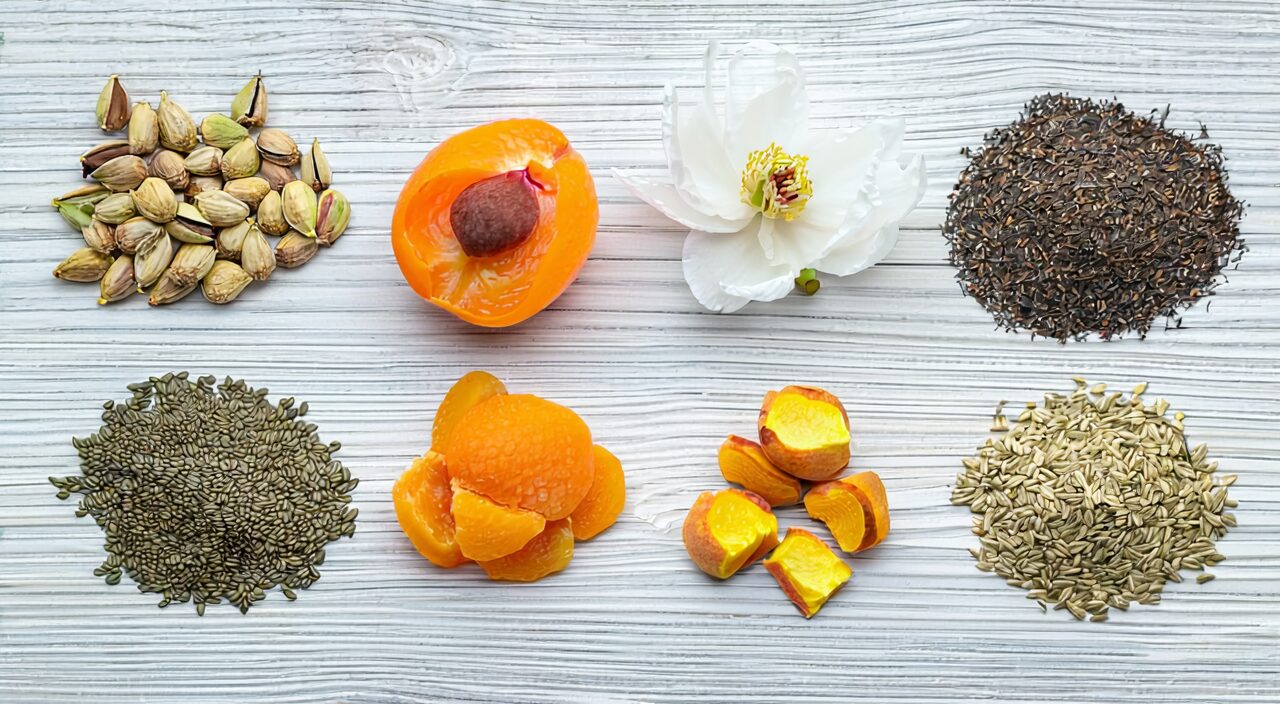
Understanding its composition helps to better comprehend its functional orientation. Below are the traditional ingredients in Ma Zi Ren Wan and the main action of each herb:
| Medicinal | Traditional Role in the Formula |
|---|---|
| Hemp Seed (Huo Ma Ren / Ma Zi Ren) | Moistens the intestines, promotes bowel movements, nourishes and moistens dryness; it is the chief (sovereign) ingredient |
| Apricot Kernel (Xing Ren) | Directs lung qi downward to open the large intestine, moistens the intestines and promotes bowel movements |
| White Peony Root (Bai Shao) | Nourishes yin and harmonizes the nutritive level, relaxes tension and alleviates pain |
| Rhubarb (Da Huang) | Drains heat and promotes bowel movements, clears dryness-heat from the intestines |
| Immature Bitter Orange (Zhi Shi) | Moves qi and breaks up stagnation, relieves abdominal distention and fullness |
| Magnolia Bark (Hou Po) | Moves qi and reduces fullness, assists in directing downward movement to relieve constipation |
| Honey (Feng Mi) | Moistens dryness and lubricates the intestines, moderates the harsh nature of the other herbs |
The combination of these medicinals not only moistens and nourishes the intestines, softening the stool, but also promotes movement of the large intestine through qi regulation. It does not rely solely on the purgative action of Rhubarb, placing more emphasis on the balance between “moistening” and “moving.”
Situations Where It May Be a Relevant Option to Explore

Traditionally, Ma Zi Ren Wan is often considered for constipation patterns characterized by intestinal dryness with a heat tendency. If you experience several of the following, it may be worth exploring as an option, but this still needs to be evaluated in conjunction with your specific constitution:
- Stools that are dry, hard, and difficult to pass, even pellet-like like sheep dung
- Dry mouth and throat, frequent desire to drink water, with a relatively red tongue that lacks moisture
- Abdominal distention and discomfort, but without obvious hard masses or severe pain upon pressing
- Increased frequency of urination, with urine that is darker yellow
- Constitutionally tend to have a heat pattern, or diet is heavy on spicy, hot foods and insufficient hydration
These presentations are relatively close to what is traditionally described as stomach-intestine dryness-heat and spleen constraint syndrome.
It should be noted that occasional short-term constipation due to dietary or lifestyle changes may not require this type of formula, as adjustments to lifestyle might be enough to improve the situation. If constipation is mild or recurrent, it is advisable to carefully clarify the specific manifestations before considering the next step.
Situations Requiring Caution or Contraindicated
Not all constipation points toward the use of Ma Zi Ren Wan. The following situations are usually not suitable:
- Spleen deficiency with loose stools or unformed stools: Individuals who are prone to diarrhea, have soft or mushy stools, poor appetite, and post-meal bloating may experience increased gastrointestinal burden if a moistening-purgative or heat-clearing approach is used.
- Cold-type constipation: The stool might be dry, but it is accompanied by aversion to cold, cold abdominal pain, preference for heat application or hot drinks, and cold hands and feet. This belongs to cold congealing and qi stagnation, and is not suitable for clearing heat and moistening dryness.
- Unexplained abdominal pain: Before a clear diagnosis is made, self-administration of formulas with purgative effects may delay treatment. Caution is especially needed to rule out acute abdominal conditions such as intestinal obstruction.
- Special life stages or populations: Pregnant women, breastfeeding women, infants and young children, the very elderly, or those with extreme physical weakness should always consult a qualified professional before using any herbal formula.
- Long-term reliance on laxative regulation: If constipation is persistent, or if it is accompanied by weight loss, black stools, anemia, or a sudden change in bowel habits, priority should be given to medical examination to rule out organic problems.
Additionally, even if the presentation seems to fit intestinal dryness constipation, if worsening abdominal pain or unrelenting diarrhea occurs during use, the formula should be paused and the situation reassessed.
Differences Between Ma Zi Ren Wan and Similar Formulas
Many formulas can address symptoms related to constipation and abdominal fullness, but their areas of emphasis vary greatly. Choosing the wrong direction can easily lead to poor results. Below is a comparison of several similar formulas:
| Formula | Core Approach | Example Indications | Main Difference from Ma Zi Ren Wan |
|---|---|---|---|
| Da Cheng Qi Tang (Major Order the Qi Decoction) | Drastically purges heat accumulation | Severe hardness and fullness of the abdomen around the navel with pain that resists pressure, generalized heat, delirium, and other severe yang brightness bowel excess patterns | Its action is harsh and drastic, aimed at acute and severe excess heat; Ma Zi Ren Wan is lubricating and gentle. Da Cheng Qi Tang is not a routine constipation-adjusting formula and must be used under strict pattern differentiation. |
| Zhi Shi Dao Zhi Wan (Immature Bitter Orange Guide Out Stagnation Pill) | Disperses food accumulation, guides out stagnation, clears and disinhibits damp-heat | Epigastric and abdominal distension and pain, diarrhea or constipation, yellow greasy tongue coating (food accumulation with damp-heat obstruction internally) | Targets food accumulation and damp-heat; Ma Zi Ren Wan emphasizes moistening the intestines, draining heat, moving qi, and promoting bowel movements, aimed at intestinal dryness, not food accumulation and damp-heat. |
| Zeng Ye Tang (Increase the Fluids Decoction) | Enriches yin and moistens dryness | Stools dry and hard like sheep pellets, with unremarkable abdominal distention, dry mouth and scant fluids (fluid deficiency, “boat without water”) | Purely supplements fluids and generates moisture, without qi-moving or purgative strength; Ma Zi Ren Wan moistens and also moves. Using qi-moving and purgative methods may consume qi and damage fluids. Sometimes the two can be used in combination. |
| Bao He Wan (Preserve Harmony Pill) | Disperses food accumulation and harmonizes the stomach | Epigastric and abdominal stuffiness and fullness, belching with fetid odor and acid swallowing, irregular bowel movements (dietary stagnation) | Indirectly improves constipation by addressing food accumulation; it does not have a direct bowel-promoting effect. If the constipation is not caused by food accumulation, Bao He Wan will not achieve the desired effect. |
Overall, the key to differentiating these formulas lies in accurately identifying the root cause of the constipation—whether it is dryness-heat, loss of moisture, food accumulation, damp-heat, or insufficient propelling force. Constipation should never be treated simply by choosing a purgative.
Summary

Ma Zi Ren Wan is a classic traditional lubricating laxative formula mainly aimed at intestinal dryness with a heat tendency, characterized by dry, hard stools that are difficult to pass, accompanied by dry mouth and abdominal distention. Its core mechanism is to moisten the intestines, drain heat, move qi, and promote bowel movements. For people with spleen deficiency and loose stools, cold-type constipation, or unexplained abdominal pain, it is clearly not suitable.
Before using any traditional herbal formula, it is recommended to perform a pattern differentiation based on your entire set of body signs and constitutional characteristics, rather than matching a single symptom. This article is for informational reference only and cannot replace professional diagnosis or treatment advice. If constipation is recurrent or accompanied by other concerning changes, please consult a healthcare professional promptly.