
Who Is Xiao Chai Hu Tang Suitable For? Composition, Benefits and Contraindications

Many people are not unfamiliar with Xiao Chai Hu Tang. Especially when feeling alternating chills and heat, a bitter taste in the mouth, irritability, and a poor appetite where one does not even feel like eating, one often hears statements like “This might be a Shaoyang pattern, Xiao Chai Hu Tang could be useful.”
But what kind of condition this formula actually targets, who might be suitable, and which situations require avoiding it are not clear to many people.
This article, from the perspective of traditional Chinese medicine, sorts out the origin and development, compositional principles, common applications, and contraindications to be mindful of regarding Xiao Chai Hu Tang, helping readers establish a general framework of understanding.
Background and Core Concept of Xiao Chai Hu Tang
Xiao Chai Hu Tang originates from Zhang Zhongjing’s Shang Han Lun (Treatise on Cold Damage) and is the representative formula for “harmonizing the Shaoyang.”
In traditional theory, the Shaoyang channel lies in a half-exterior, half-interior position, acting like a pivot that connects the exterior of the muscles and skin with the interior of the organs. When external pathogenic factors invade, the healthy qi and pathogenic qi struggle in the Shaoyang, which is neither a pure exterior pattern nor a pure interior pattern. This tends to create a situation where the healthy qi and pathogenic qi are locked in a stalemate, advancing and retreating back and forth.
In such a case, purely promoting sweating might disturb the exterior qi, and purely purging might damage the interior qi; neither is the most ideal approach. The idea of Xiao Chai Hu Tang is “harmonization”—by supporting the healthy qi, clearing stagnant heat, and regulating the qi mechanism, the Shaoyang pivot is restored to normal function, allowing the pathogenic qi to subside and the healthy qi to recover.
This regulatory direction traditionally does not pursue strong sweating or purging but rather gently prompts the body’s own regulatory capacity.
Composition of Xiao Chai Hu Tang and the Focus of Each Herb
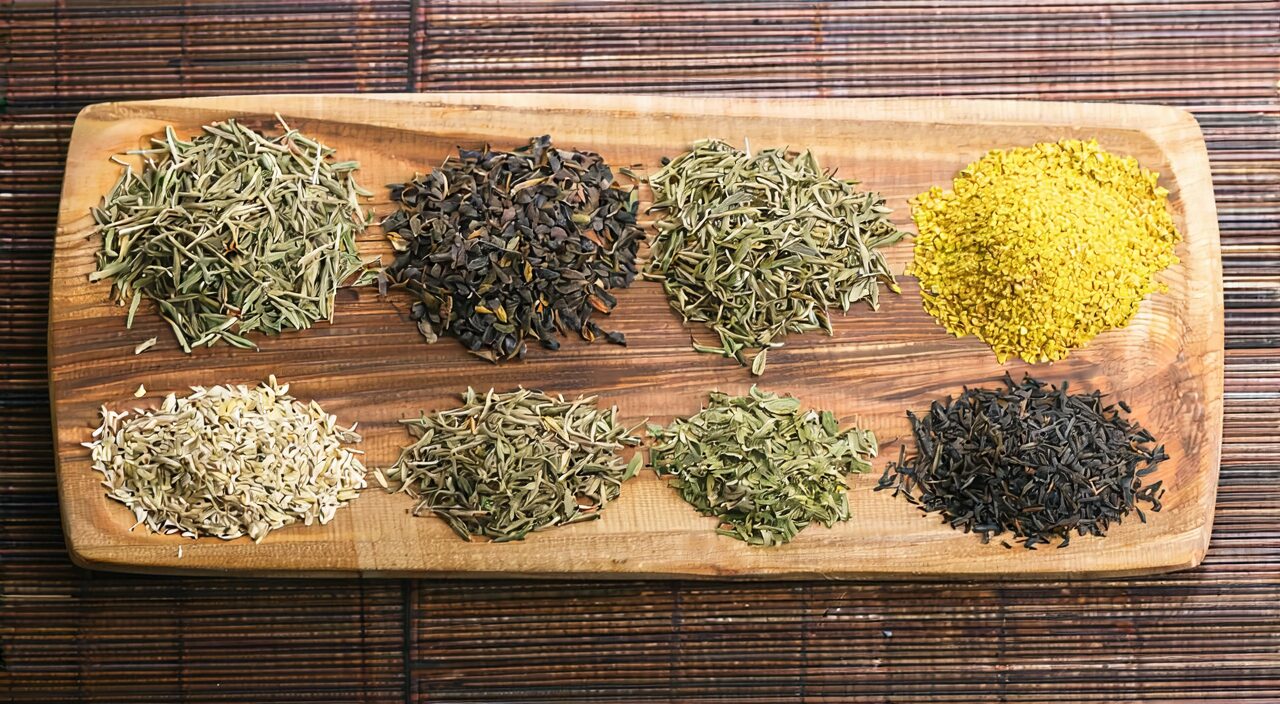
Understanding a formula often requires first looking at its composition. Xiao Chai Hu Tang consists of seven commonly used Chinese herbs, each with its own focus within the formula, working together to accomplish the task of harmonizing the Shaoyang.
| Herb | Traditional Functional Focus |
|---|---|
| Chai Hu (Bupleurum) | Vents and resolves Shaoyang constrained heat, soothes and regulates qi movement; considered the main herb in the formula |
| Huang Qin (Scutellaria) | Clears and drains constrained heat from the Shaoyang gallbladder; paired with Chai Hu, one disperses and one clears |
| Ban Xia (Pinellia) | Harmonizes the stomach and directs rebellious qi downward, dries dampness and transforms phlegm; helps relieve nausea and the urge to vomit |
| Sheng Jiang (Fresh Ginger) | Harmonizes the stomach and stops vomiting, disperses and vents outward; assists Ban Xia in directing rebellious qi downward and, together with Da Zao, harmonizes the nutritive and defensive qi |
| Da Zao (Jujube) | Tonifies and boosts the middle qi, protects the spleen and stomach; used with Sheng Jiang to regulate and nourish the source of qi and blood production |
| Ren Shen (Ginseng) | Supports healthy qi, strengthens spleen and stomach function, prevents pathogenic qi from transmitting inward |
| Gan Cao (Licorice) | Tonifies the spleen and boosts qi, harmonizes all the herbs, moderates any harsh properties of the medicinals |
These seven herbs combined have both the aspect of venting pathogens and clearing heat, and the aspect of protecting the spleen and stomach and supporting the healthy qi. The overall nature tends toward harmonization, and its properties are relatively gentle. But “relatively gentle” does not mean anyone can casually adopt it; one still needs to see whether it truly matches the corresponding direction.
Who Might Be Suitable for the Regulatory Direction of Xiao Chai Hu Tang
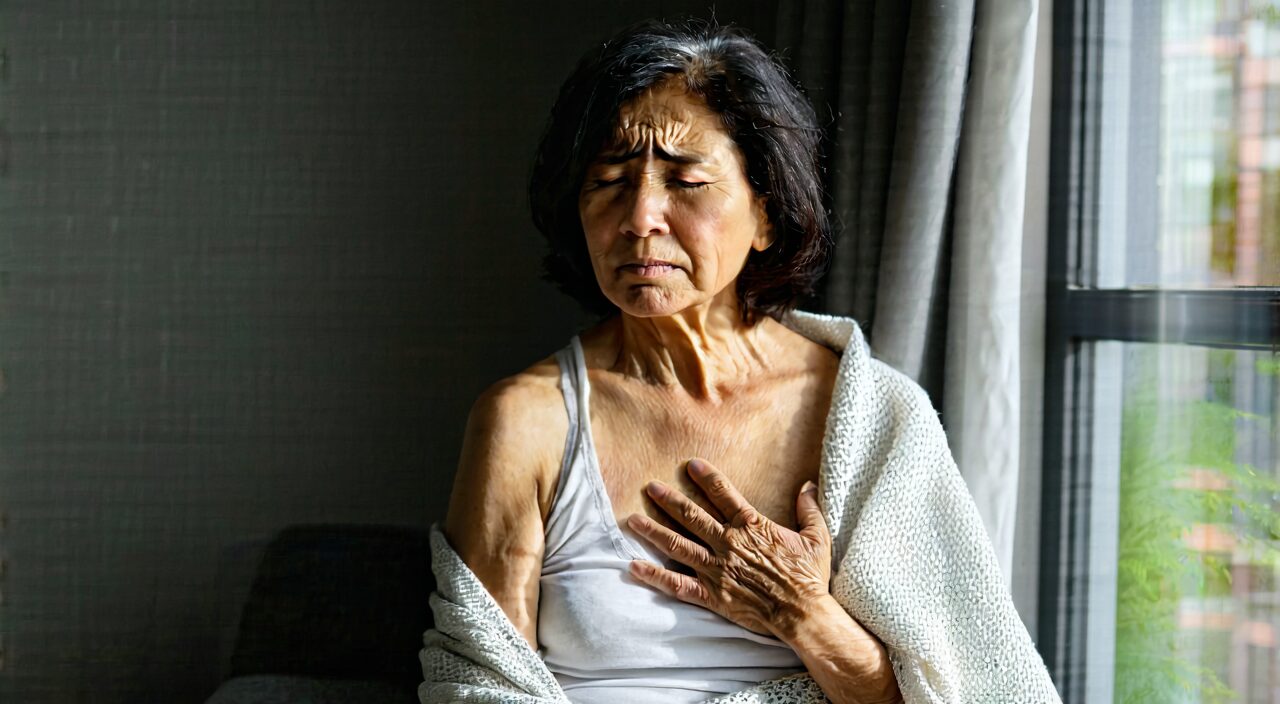
Traditionally, Xiao Chai Hu Tang is commonly used in the “Shaoyang pattern” stage, which refers to the series of manifestations caused by pathogenic qi in the Shaoyang channel. If a person’s condition closely resembles the typical characteristics below, then the compositional concept of Xiao Chai Hu Tang might serve as a direction for understanding, but whether it ultimately applies still needs to be combined with individual constitution and professional judgment.
- Alternating chills and fever: Feeling cold at one moment and hot the next, or alternating episodes of fever and aversion to cold. This is one of the hallmark manifestations of a Shaoyang pattern.
- Chest and hypochondriac fullness and discomfort: A sensation of distension, stuffiness, or even dull pain in both sides of the chest and hypochondrium. This discomfort is often a reaction of qi being constrained in the Shaoyang channel.
- Bitter taste in the mouth, dry throat, dizziness: A distinctly bitter taste in the mouth in the morning or during the day, a dry and uncomfortable throat, even slight dizziness and blurred vision. Traditionally, this is considered related to Shaoyang gallbladder fire flaring upward.
- Poor appetite, nausea, urge to vomit: No interest in food, feeling vexed inside, constantly wanting to retch, or mild nausea. In Chinese medicine, this is described as “a quiet desire not to eat or drink” and “vexation with frequent retching.”
- Wiry pulse: This is a professional aspect, but if upon pulse-taking one feels a tautness, like pressing on a musical string, this is also a common pulse presentation in Shaoyang patterns.
In addition to the stage where externally-contracted disease pathogens enter the Shaoyang, in some internal damage and miscellaneous diseases, whenever there is a clear tendency of Shaoyang pivot dysfunction and disharmony between the gallbladder and stomach—such as the later stages of certain gastrointestinal colds or stress-induced functional digestive disorders—if, on top of the above manifestations, there is also mental fatigue, lack of strength, and vexation with restlessness, traditionally the approach of Xiao Chai Hu Tang may also be analyzed.
However, such situations are often more complex and require detailed differentiation of cold, heat, deficiency, and excess. One absolutely should not draw conclusions based on just one or two symptoms.
Conditions Where Xiao Chai Hu Tang Is Not Suitable
Although Xiao Chai Hu Tang enjoys a wide reputation, its contraindications are also very clear. In the following states, it is generally not advisable to use it casually, and one certainly should not try it on their own.
- Simple exterior cold unresolved: If there is only aversion to cold, fever, absence of sweating, headache, and generalized body aches, without yet developing clear Shaoyang manifestations such as a bitter taste in the mouth or chest and hypochondriac fullness, the disease pathogen is still in the exterior. At this point, the main approach should be to release the exterior; using a harmonizing formula is inappropriate, as it may draw the pathogen inward and prolong the discomfort.
- Internal excess heat exuberance: If there is persistent high fever not receding, profuse sweating, thirst with a desire for cold drinks, constipation, a red tongue with yellow dry coating, and other signs of internal excess heat, this requires clearing and draining excess heat. The harmonizing power of Xiao Chai Hu Tang may instead constrain the heat pathogen.
- Yin deficiency with fire effulgence: Long-term tidal fever, night sweats, dry mouth and throat, hot sensations in the palms, a red tongue with little coating, which belongs to a state of insufficient body fluids and hyperactivity of deficient fire. Herbs in the formula such as Chai Hu and Ban Xia tend to ascend, disperse, warm, and dry, easily consuming yin and blood, making it unsuitable for people with obvious yin deficiency.
- Special populations require extra caution: Pregnant women, breastfeeding women, children, and elderly or physically weak individuals with severely depleted healthy qi have unique physiological states and react to medicinals differently from ordinary people. Without a comprehensive evaluation by a physician, it is not advisable to independently adopt the regulatory concept of Xiao Chai Hu Tang or any formula.
Furthermore, if physical discomfort persists for a long time, recurs repeatedly, or is accompanied by obvious anxiety, depression, palpitations, chest tightness, severe pain, continuous vomiting, black stools, significant weight loss, etc., one should promptly consult a professional healthcare provider and should not rely on a single formulaic approach to self-manage the condition.
Differences Between Xiao Chai Hu Tang and Similar Formulas
Some people confuse Xiao Chai Hu Tang with other formulas for reducing distension and soothing the liver, but their focuses are actually very different. The table below contrasts several easily confused formulas to help understand their respective regulatory directions from a broader perspective.
| Formula | Core Concept | Typical Applicable Directions | Main Differences from Xiao Chai Hu Tang |
|---|---|---|---|
| Xiao Chai Hu Tang | Harmonize Shaoyang, harmonize gallbladder and stomach | Alternating chills and fever, chest and hypochondriac fullness, bitter taste and dry throat, vexation with retching | Disease location tends to be half-exterior half-interior; focuses on simultaneously venting pathogens and supporting healthy qi |
| Chai Hu Shu Gan San | Soothe liver and regulate qi, invigorate blood and relieve pain | Wandering distension and pain in chest and hypochondrium, emotional depression with irritability, frequent belching | Focuses on liver qi depression and qi stagnation with blood stasis; usually no alternating chills and fever |
| Xiao Yao San | Soothe liver and strengthen spleen, nourish blood and regulate menstruation | Low mood, mental fatigue with poor appetite, irregular menstruation, breast distension and pain | Mechanism is “liver depression + spleen deficiency + blood weakness”; does not take harmonizing Shaoyang as the core |
| Ban Xia Xie Xin Tang | Acrid opening and bitter downbearing, disperse masses and eliminate stuffiness | Epigastric fullness and stuffiness, borborygmus with urge to vomit, diarrhea | Targets mixed cold and heat in the middle burner with spleen and stomach ascending-descending dysfunction; different disease location |
| Yin Qiao San | Acrid-cool to release the exterior, clear heat and resolve toxins | Initial stage of wind-heat: fever, sore throat, thirst, red tongue tip | Disease pathogen is in the exterior and upper burner, clearly different from Shaoyang half-exterior half-interior level |
These formulas each have their own indications and patterns, targeting different disease locations and mechanisms, so they cannot be regarded as interchangeable. In practical application, a professional needs to comprehensively differentiate based on the tongue, pulse, and symptoms rather than just matching individual symptoms.
Summary
As a classic “harmonizing formula” from the Shang Han Lun, Xiao Chai Hu Tang’s core function is to regulate the Shaoyang pivot. It is suitable for the Shaoyang pattern complex of alternating chills and fever, chest and hypochondriac fullness, bitter taste and dry throat, a quiet desire not to eat or drink, and vexation with frequent retching.
Its composition simultaneously addresses venting pathogens and clearing heat while supporting the spleen and stomach, giving it a relatively gentle nature, but it is not suitable for simple exterior cold, internal excess heat exuberance, yin deficiency with fire effulgence, or special populations such as pregnant women.
Among the many formulas, its regulatory direction is distinctly different from those of Chai Hu Shu Gan San, Xiao Yao San, Ban Xia Xie Xin Tang, Yin Qiao San, etc., each corresponding to different pattern characteristics.
This article only provides a popular science introduction from the perspective of traditional Chinese medicine theory to help readers understand the general outline and selection concepts of Xiao Chai Hu Tang. It does not constitute any form of health advice or treatment recommendation. If you have related health concerns, or wish to further understand whether this direction is suitable for you, it is recommended to seek guidance from a professional TCM practitioner or other qualified practitioner, integrating individual constitution, symptoms, and necessary examination results for a comprehensive assessment.