
Bao He Wan and Digestive Stagnation-Resolving Chinese Patent Medicines: Regulating Choices for Food-Stagnation-Type Obesity

Many people have experienced this: after a period of frequent social gatherings and excessive eating, the stomach feels uncomfortably full, and within a few days, weight suddenly jumps upward, accompanied by a bloated, heavy sensation in the body. This temporary weight gain is often linked to dietary stagnation. In traditional Chinese medicine (TCM), when dealing with food accumulation and indigestion, formulas that promote digestion and resolve stagnation are often used, and Bao He Wan is among the more well-known. This article, from a TCM perspective, will outline the formula design of Bao He Wan, its applicable indications, its differences from other digestion-promoting and stagnation-guiding formulas, and its rational role in weight management, helping readers develop a more informed understanding.
Why Dietary Stagnation May Affect Body Weight
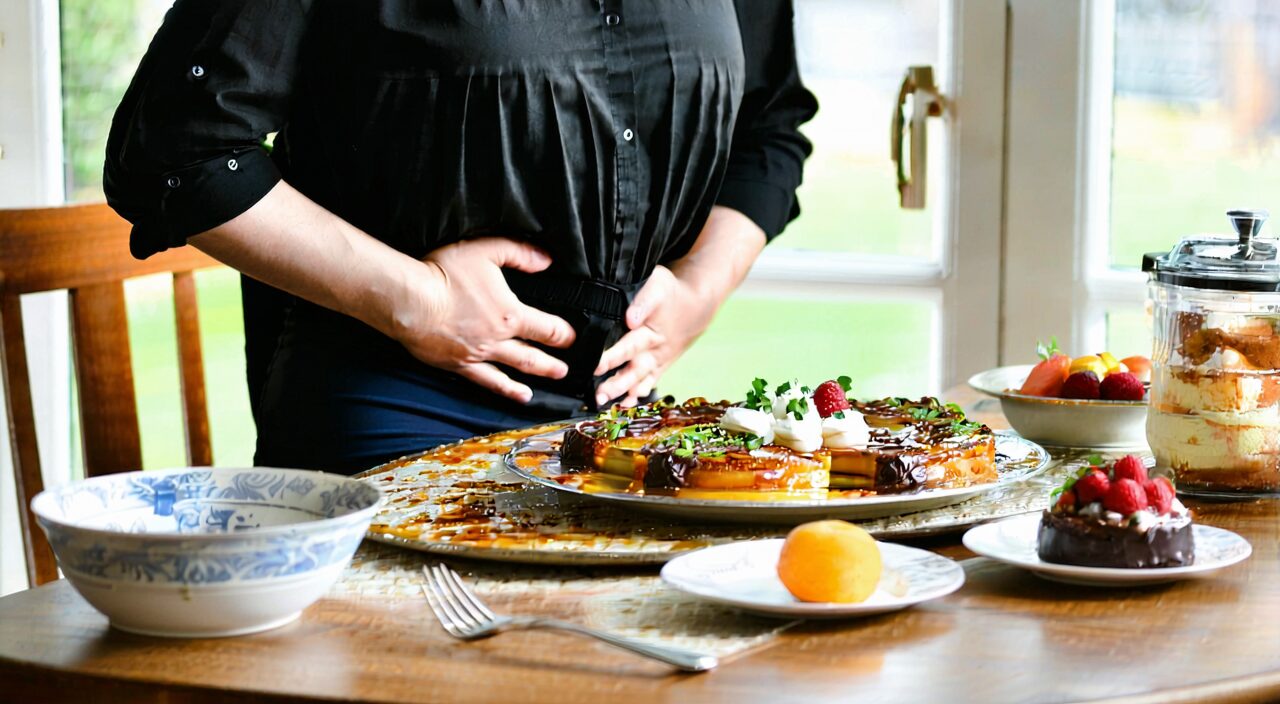
In traditional Chinese medicine theory, food and drink entering the body rely on the Spleen and Stomach’s transportation and transformation function to be converted into Qi and Blood. If short-term intake is excessive and surpasses the Spleen and Stomach’s processing capacity, “food stagnation” easily forms.
When food stagnates in the gastrointestinal tract, it not only causes discomfort such as bloating, belching, bad breath, and constipation, but also obstructs the ascending and descending of Qi and disrupts water metabolism. Over time, undigested food may transform into phlegm-dampness and fat, manifesting as noticeable weight gain in a short period.
This type of weight change is characterized by rapid onset, often appearing after a long holiday or a series of banquets, but it usually has not yet developed into a chronic metabolic issue. Therefore, the traditional approach is to help the body quickly disperse stagnation and restore normal Spleen and Stomach function. This is precisely the common application scenario for digestive stagnation-resolving formulas.
Bao He Wan’s Formula Design and Applicable Directions
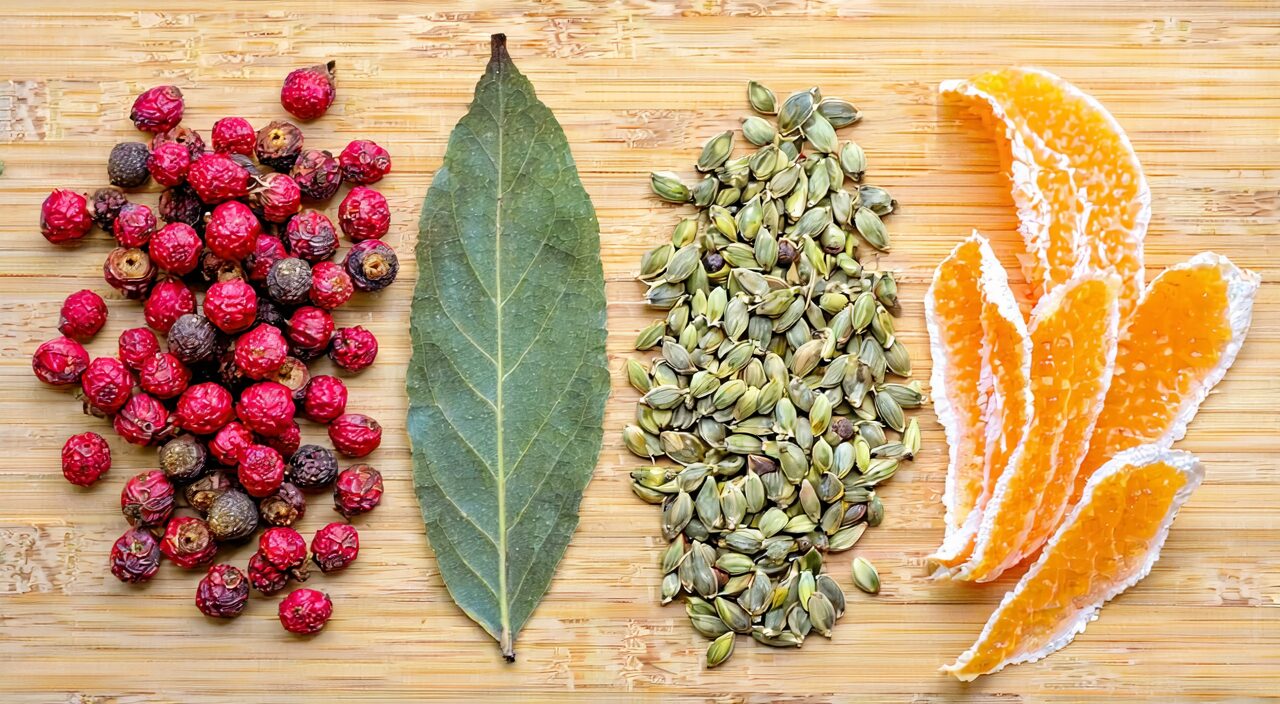
Bao He Wan originates from the Dan Xi Xin Fa and is a classical formula for promoting digestion and guiding out stagnation. Its composition is not complicated, yet the herbs work together with remarkable synergy.
Core Herbs and Their Actions
- Hawthorn (Shan Zha): The sovereign herb, adept at resolving stagnation from meat and greasy foods. If you feel stomach fullness after eating too much meat or fried food, Hawthorn can exert a dispersing and guiding effect.
- Medicated Leaven (Shen Qu): Excels at resolving stagnation from rice, wheat, and starchy foods, and promotes Spleen and Stomach transportation. For food accumulation caused by excessive intake of staple foods and sweets, Shen Qu is often relied upon.
- Radish Seed (Lai Fu Zi): Particularly good at guiding out stagnation from wheat products and phlegm-qi, and also descends Qi to relieve distension. When post-meal bloating and frequent belching occur, Lai Fu Zi can help regulate Qi flow.
- Pinellia (Ban Xia) and Tangerine Peel (Chen Pi): These two work together to move Qi, transform dampness, harmonize the Stomach, and descend rebellious Qi, helping relieve nausea and epigastric discomfort caused by food stagnation.
- Poria (Fu Ling): Strengthens the Spleen and percolates dampness, providing support for restoring the Spleen’s transportation function.
- Forsythia (Lian Qiao): Clears any constrained heat generated by food stagnation. Some people may experience mild fever, dry mouth, or irritability after taking in excessive food; Forsythia can help clear heat and dissipate masses.
The entire formula, while dispersing stagnation, also incorporates actions to move Qi, transform dampness, and clear heat. It is not simply about “expelling accumulated food” but rather helping restore a normal functional environment in the middle burner.
Common Applicable Presentations
Traditionally, Bao He Wan is suitable for presentations such as:
- Epigastric distension or pain, worsened by pressure
- Aversion to food or feeling blocked as soon as one eats
- Belching with a rotten or sour taste, with undigested food smell in the mouth
- Difficult bowel movements or loose stools with a particularly foul odor
- Thick, greasy tongue coating, and a slippery pulse
In terms of body weight, it is more suited for short-term weight gain “due to eating”: that is, weight increase and heavy limbs appearing within a few days to one or two weeks after marked dietary excess. In such cases, through dispersing food stagnation and guiding it downward, the body is helped to process the accumulation, and weight may subsequently drop. However, once stable, long-term overweight has set in, relying solely on Bao He Wan may not achieve the desired effect.
Differences Between Bao He Wan, Er Chen Wan, and Jian Pi Wan
Many readers interested in Chinese medicine, when learning about digestive stagnation-resolving formulas, often encounter two other names: Er Chen Wan and Jian Pi Wan. While all three may relate to digestion and weight regulation, their focal points are entirely different and need to be distinguished based on individual circumstances.
| Comparison Dimension | Bao He Wan | Er Chen Wan | Jian Pi Wan |
|---|---|---|---|
| Core Function | Digest food and guide stagnation | Dry dampness, dissolve phlegm, regulate Qi, and harmonize the middle | Strengthen Spleen and harmonize Stomach, digest food and stop diarrhea |
| Main Indications | Dietary stagnation, stomach bloating with belching of rotten smell, thick greasy tongue coating (excess pattern) | Internal exuberant phlegm-dampness, cough with profuse phlegm, chest tightness and nausea, heavy limbs | Spleen and Stomach deficiency, poor appetite, loose stools, fatigue and lack of strength (deficiency pattern) |
| Characteristics Related to Weight | Short-term weight gain after binge eating | Weight gain accompanied by profuse phlegm, easy dizziness and heaviness, without obvious history of binge eating | Chronic cumulative weight issues, mostly due to weak Spleen transportation |
From the table above, it can be seen that Bao He Wan focuses on digesting food, Er Chen Wan on dissolving phlegm, and Jian Pi Wan on strengthening the Spleen. If weight gain is mainly caused by recent binge eating, Bao He Wan’s stagnation-dispersing power is more appropriate. If weight gain comes with profuse phlegm, a bloated physique, and a thick, white, greasy tongue coating, Er Chen Wan may deserve more attention. Jian Pi Wan is more suitable for Spleen-deficient individuals who “eat little yet still can’t digest” and remain in a chronic state of fatigue.
When making a choice, a key distinguishing point to pay special attention to is: Bao He Wan addresses temporary overload, where the Spleen and Stomach may not necessarily be weak; Jian Pi Wan is used for chronic indigestion caused by Spleen and Stomach deficiency. If one attempts to treat a Spleen-deficiency pattern with the Bao He Wan approach, it may not only fail to produce results but could easily damage Spleen Qi. Therefore, clarifying whether you belong to the category of “eating too much and failing to digest” or “eating little yet still failing to digest” is critical.
Usage Duration and a Reminder Against Long-Term Reliance
Formulas that promote digestion and resolve stagnation are traditionally intended for short-term use. Because these formulas tend to “attack pathogenic factors” by moving Qi, dispersing stagnation, and promoting downward drainage to remove accumulations, long-term use may deplete the Spleen and Stomach’s healthy Qi. Bao He Wan is no exception.
Generally speaking, when there are obvious signs of food stagnation, it can be used for a short period according to product instructions or under professional guidance, while observing changes in bloating, tongue coating, digestion, and other signs. Once stagnation gradually resolves and eating returns to a regular pattern, it should be promptly discontinued, and digestive function should be maintained through dietary adjustment and moderate exercise.
Taking Bao He Wan routinely as a daily “post-meal digestive tablet” over the long term is not advisable. Traditional Chinese medicine has always emphasized “stopping once the disease is cured”, meaning to discontinue medication once the goal is achieved—this is especially important for stagnation-dispersing formulas.
For those who experience repeated weight gain due to dietary stagnation but also have underlying Spleen and Stomach deficiency and easy fatigue, a strategy of “simultaneous dispersion and supplementation” may need to be considered: dispersing stagnation while appropriately tonifying Spleen Qi. In such cases, self-prescribing combinations is not recommended; instead, a more suitable regulatory path should be chosen based on constitutional assessment and professional advice.
From Digesting Food to Weight Management: The Bigger Picture Is More Important
Bao He Wan can offer a traditional approach to weight gain during a phase of dietary stagnation, but this does not mean that dispersing food stagnation is the entirety of weight management.
Dietary composition, eating speed, meal timing, and the body’s patterns of energy expenditure all collectively shape long-term weight status. If one frequently experiences food stagnation and weight fluctuations caused by overeating, it may be best to start by adjusting dietary habits:
- Moderately slow down eating speed and avoid binge eating
- Reduce the frequency of rich, fatty, and sweet foods
- Dinner should not be too late or too heavy
These seemingly ordinary practices are often far more fundamental than relying on any formula.
Additionally, it is worth noting that if dietary stagnation recurs, accompanied by significant weight gain and also unprecedented fatigue, low mood, chest tightness, palpitations, or if abdominal bloating and pain are severe and persistently unrelieved, it is advisable to seek medical attention promptly to determine whether there are other health issues requiring priority treatment.
Summary
As a classic formula for promoting digestion and resolving stagnation, Bao He Wan is traditionally used in Chinese medicine for excess-pattern conditions such as dietary stagnation and epigastric distension. It may provide some auxiliary regulatory value for short-term weight gain after binge eating. Its formula relies on digestive herbs like Hawthorn, Medicated Leaven, and Radish Seed as the core, combined with herbs that move Qi, transform dampness, and clear heat, aiming to restore the middle burner’s transportation function.
It must be emphasized that Bao He Wan is mainly suited for stage-specific problems “caused by food accumulation” and is not suitable for long-term reliance, nor should it be equated with a weight-loss product. When making a choice, one should combine personal symptoms and constitutional characteristics, and fully understand its differences from other formulas such as Er Chen Wan and Jian Pi Wan. If weight issues have persisted for a long time or are accompanied by other complex health conditions, seeking a professional, systematic evaluation is more advisable than relying solely on the single approach of digestive stagnation resolution.
Good dietary rhythm and lifestyle habits have always been the cornerstone of maintaining a healthy weight. When troubled by dietary stagnation, understanding the scope and limits of traditional formulas, making rational judgments, and adjusting appropriately in a timely manner are the more prudent practices.