
Easy Weight Gain, Even Gaining Weight by Drinking Water? TCM on the Relationship Between Slow Metabolism and Spleen Deficiency

It seems there are always people around us complaining that they “gain weight even by drinking water.” Even though they eat less than others, they tend to put on weight more easily. Along with a stubbornly slow drop in body weight, they are often plagued by lingering fatigue, a sallow complexion, puffiness, and cold hands and feet.
When these symptoms appear together, they naturally bring to mind the phrase “slow metabolism.” In traditional Chinese medicine (TCM) theory, this is often closely linked to the functions of the spleen and stomach, the abundance or decline of qi, and the transportation and transformation of body fluids.
Rather than simply attributing it to “being born with an easy-to-gain physique,” TCM tends to start from the functional state inside the body to sort out why some people tend to accumulate and have difficulty consuming energy. This helps us look at weight and metabolism issues from a more holistic perspective.
Why Do Some People “Gain Weight Even by Drinking Water”? Let’s Start with the Spleen’s Functions
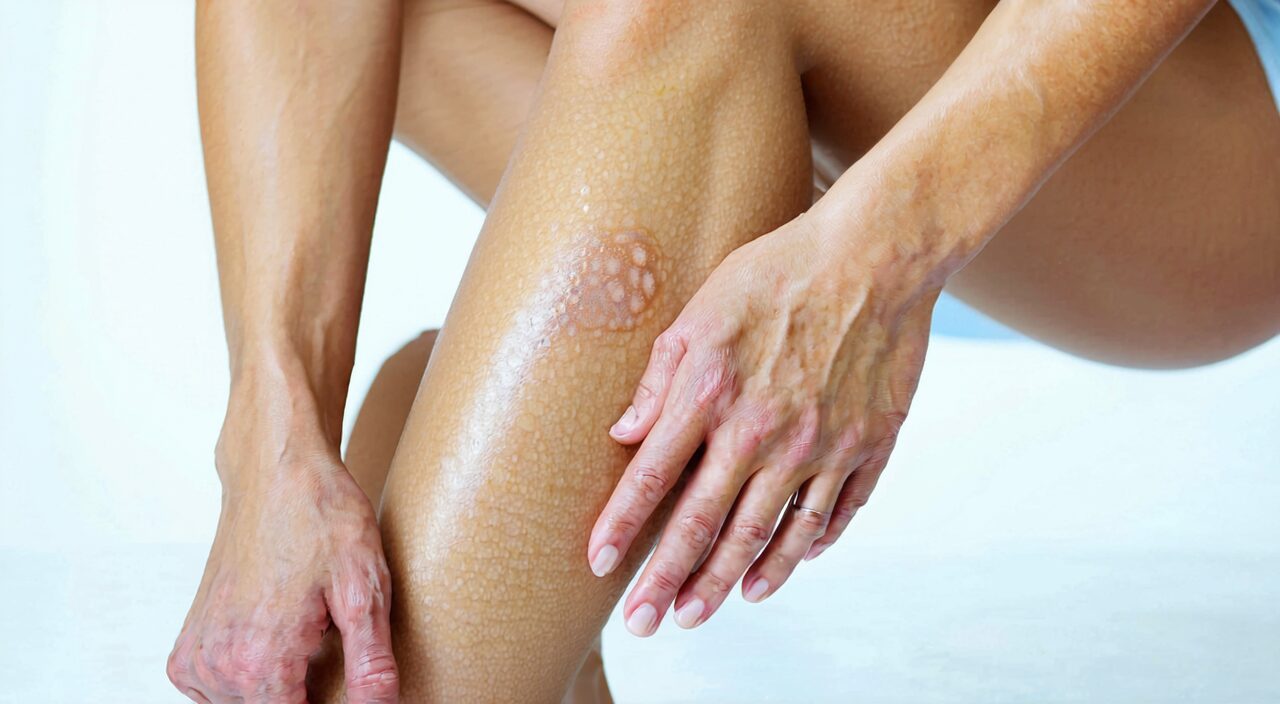
The “spleen” in TCM does not entirely correspond to the anatomical spleen in modern medicine. It is more like a functional system, mainly responsible for transportation and transformation — of both food essence and water-dampness. Simply put, the food we eat needs the spleen’s transformative action to be turned into qi and blood energy for the whole body; the body’s water metabolism likewise depends on the spleen’s propulsion and regulation.
When the Spleen Is Deficient, Transformation Is Affected
If the spleen’s function is on the weak side, a condition often called “spleen deficiency,” the first scenario that tends to emerge is an incomplete transformation of food essence.
The nutrients in food are not efficiently converted into usable energy but instead tend to stagnate inside the body, forming dampness and turbidity. Over time, these incompletely transformed substances accumulate continuously, making body weight hard to control. This is one reason why some people still feel their body shape is swollen and their weight is stubborn even if they eat very little.
The second impact is seen in the aspect of body fluids. The spleen governs the transportation of water-dampness. When the spleen is deficient, water-dampness is not transported effectively, and excess water that cannot be discharged tends to stay inside, forming “internal dampness.” When internal dampness overflows to the skin and flesh, the following may appear:
- Swelling in the limbs
- Swollen eyelids
- A heavy, sluggish sensation in the body
These manifestations often give an impression of “puffy fat.” This kind of fat feels soft and flabby, may rebound slowly when pressed, and is especially noticeable in the morning after waking up.
Common Triggers of Spleen Deficiency
The following situations are quite common in daily life and may have some impact on the spleen’s transportation function:
- Irregular eating habits: Frequently going hungry for one meal and stuffed the next, or a preference for raw, cold, greasy, or sweet foods, can easily place an extra burden on the spleen’s transportation.
- Excessive thinking and worry: TCM has a saying that “overthinking injures the spleen.” Long-term states of anxiety, tension, and excessive contemplation may affect spleen-stomach functions.
- Prolonged sitting and lack of exercise: The body’s qi mechanism needs appropriate physical movement to be propelled. When there is a prolonged lack of activity, the qi mechanism is not unobstructed, and the spleen’s transportation can also become sluggish.
- Constitutionally weak or post-illness imbalance: Some people are born with a spleen-stomach function that is not particularly robust. If, on top of that, they do not regulate themselves properly after a severe illness, the state of spleen deficiency may become more pronounced.
The Relationship Between Slow Metabolism and Qi Deficiency and Yang Deficiency

From a TCM perspective, what modern medicine calls a low basal metabolic rate is closely related to the body’s “qi” and “yang.”
Qi has the functions of propulsion, warming, and defense. When qi is not abundant, the operational speed of the organ systems drops, and the body’s entire metabolism seems to be switched to an energy-saving mode. Yang qi is akin to the body’s “fire source.” When yang qi is insufficient, it is easy to experience cold intolerance, cold limbs, and low spirits, further dragging down the overall level of energy consumption.
Qi deficiency and spleen deficiency often influence each other. The spleen is the source of qi and blood production. If the spleen is deficient, the generation of qi decreases, leading to qi deficiency; in turn, qi deficiency cannot forcefully drive the spleen’s transportation, making spleen deficiency even harder to recover from.
Therefore, in traditional regulating approaches, many people who easily gain weight and have a relatively slow metabolism will often start by strengthening the spleen and boosting qi, helping to restart the two key links of transportation and qi transformation, rather than simply relying on dieting to create a calorie deficit.
Phlegm-Dampness Constitution: The Key That Makes Weight Loss “Even Harder”

Phlegm-dampness is an important concept among TCM pathological products. It results from abnormal water metabolism within the body and is sticky and heavy by nature. When dampness stagnates in the body for too long, it may condense into phlegm, forming phlegm-dampness.
Once phlegm-dampness forms, it tends to linger in the organs, meridians, and between the skin and flesh, making people feel:
- Heaviness in the body
- Fatigue and lethargy in the limbs
- Unformed or sticky, uncomfortable bowel movements
For those trying to lose weight, a phlegm-dampness constitution is often the most frustrating scenario. The sticky, slimy nature of phlegm-dampness can make weight loss unusually slow even when food intake is reduced, with little visible change in body shape, making it easy to feel defeated.
The tongue appearance of this constitution type usually shows an enlarged, swollen tongue body with tooth marks on the edges and a white, greasy, or thick greasy tongue coating. These can serve as a reference for daily self-observation, but remember never to self-diagnose based on just one or two signs.
Because phlegm-dampness develops on a foundation of spleen deficiency and qi deficiency, the traditional direction for dealing with it more commonly involves measures such as strengthening the spleen to dry dampness and resolving phlegm and promoting urination to improve the internal environment, rather than simply “subtracting” fat.
Poor Circulation, Cold Hands and Feet, and Weight Loss Difficulties
Many people with an easy-to-gain physique suffer from cold hands and feet when the weather turns cold, and their peripheral circulation does not seem good. TCM believes this is greatly related to insufficient yang qi and impeded qi and blood flow.
Yang qi has a warming and nourishing effect. If yang qi is insufficient, the ends of the four limbs do not receive enough warmth and become cold. Impeded qi and blood flow not only makes a person sensitive to cold but may also cause the local metabolism to become even lower.
In such a situation, if one adopts extreme dieting or suddenly high-intensity exercise, it may further deplete qi and blood, making the body mistakenly think it has entered a “cold season” and actively lower its metabolic rate to store energy, eventually leading to the dilemma where “the more you try to lose weight, the less effect you see.”
The traditional approaches often consider first regulating and supplementing qi and blood and warming yang qi, allowing the body to have sufficient drive before engaging in weight management. This is also a relatively gentle rhythm.
Avoid Falling into the Trap of “Simply Dieting”
When faced with an easy-to-gain physique, the easiest method that comes to mind is dieting. However, prolonged low-calorie intake may trigger an adaptive response in the body: it actively lowers thyroid function, slows down the heart rate, and reduces non-exercise activity energy expenditure to maintain basic vital functions.
At this point, fatigue will increase, cold sensitivity will become more obvious, and symptoms such as hair loss and menstrual irregularities may even appear. From a TCM perspective, excessive dieting may disrupt the spleen and stomach’s transportation rhythm, leading to reduced sources of qi and blood generation, further aggravating spleen deficiency and qi deficiency.
A relatively safer approach is to first observe the body’s signals:
- If you easily feel bloated, have unformed stools, and your eyelids are swollen in the morning, you may need to focus on the spleen and stomach’s transportation function first;
- If you are always sensitive to cold, have soreness in the lower back and knees, and feel mentally sluggish, you may need to start with warming and supplementing the yang qi of the spleen and kidneys.
In terms of diet, appropriately choosing warm, easily digestible foods and reducing the intake of icy, raw, hard, sweet, and greasy foods so that the spleen and stomach can have some breathing room first may have more long-term value than simply creating a calorie deficit.
Some Traditional Approaches in Daily Life Regulation
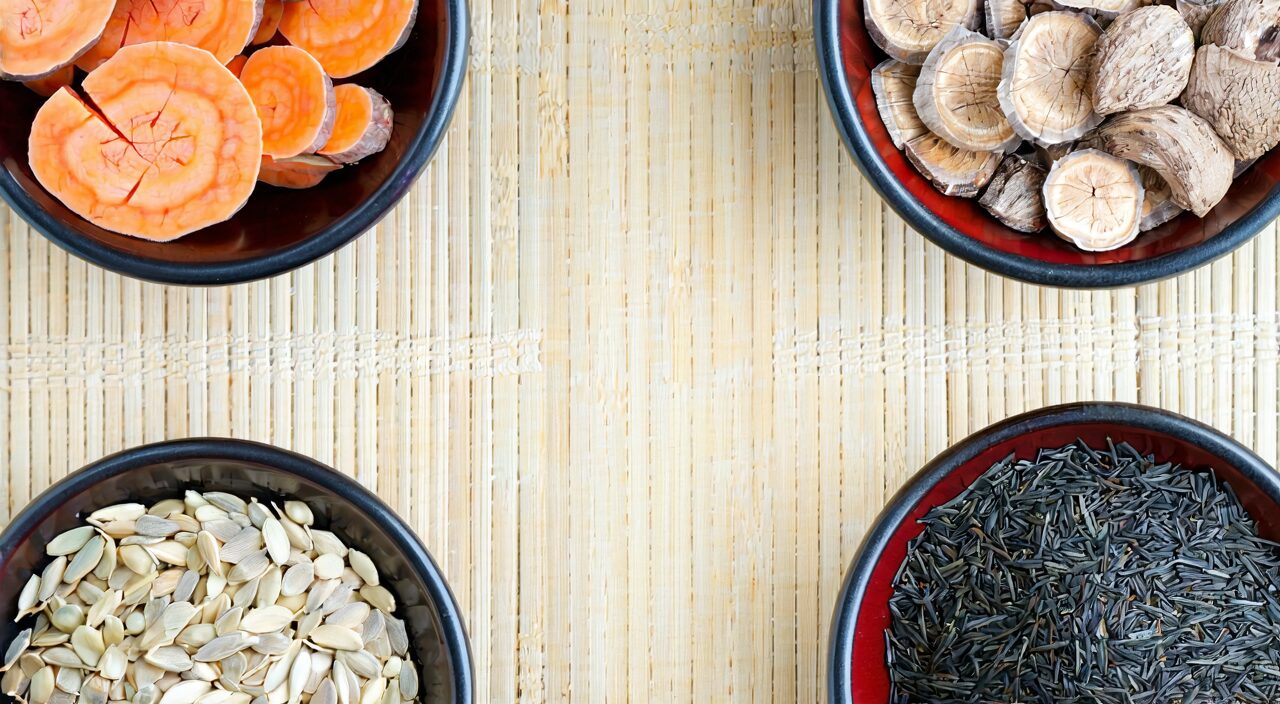
In traditional TCM understanding, lifestyle adjustments are a very important part of constitution regulation. The following several directions are commonly seen in daily care and are provided for reference and understanding. They are not rules that must be followed and do not promise any specific effects.
Dietary Choices
Traditionally, it is believed that for people with a relatively weak spleen and stomach or heavy internal dampness, appropriately consuming some foods that help strengthen the spleen and dispel dampness may be beneficial for improving the body’s condition. Examples include:
- Chinese yam
- Poria
- Coix seed
- White hyacinth bean
- Euryale seed
These ingredients often appear in food therapy combinations. It is important to note that any dietary adjustment should take one’s own digestive capacity into account. Do not eat large amounts of a single type of food simply because “I heard it’s good,” to avoid increasing the burden on the digestive system.
Exercise and Daily Routine
Moderate exercise helps promote the flow of qi and improve the circulation of qi and blood. For a spleen-deficient and phlegm-dampness constitution, traditional concepts tend toward gentle, sustained exercise, such as:
- Walking
- Ba Duan Jin (Eight Brocades)
- Yoga
An important reference when choosing an exercise method is to get the body slightly warm so that the qi mechanism is smooth and harmonious without being excessively draining.
A regular daily routine is equally important. In TCM, nighttime sleep is regarded as an important period for the body to recover yang qi and carry out internal metabolic regulation. Long-term late nights may interfere with this process.
Emotional Regulation
Emotions and spleen-stomach function are closely related. Long-term worry and anxiety tend to affect the spleen’s transportation. Appropriately relieving emotions in daily life through breathing exercises, meditation, communicating with others, and other methods may be helpful for the overall condition. Of course, emotional management is only an auxiliary direction and cannot replace professional psychological intervention.
Traditional Application Directions of Several Common Chinese Patent Medicines
In the long-term practice of TCM, there are some formulas or Chinese patent medicines commonly used in regulating approaches for spleen deficiency, qi deficiency, and phlegm-dampness. The following introduces several common examples, solely as an explanation of their traditional application directions. This does not represent a personal recommendation and does not constitute medical advice.
| Chinese Patent Medicine | Traditional Application Direction | Key Reference Points for Suitability |
|---|---|---|
| Jian Pi Wan (Spleen-Strengthening Pill) | Spleen-stomach weakness, poor appetite and difficulty digesting, epigastric and abdominal distension, fatigue and lack of strength | Easily feeling bloated after eating a small amount, slow digestion accompanied by insufficient energy |
| Xiang Sha Liu Jun Wan (Aucklandia and Amomum Six Gentlemen Pill) | Spleen-stomach qi deficiency with coexisting dampness obstruction and qi stagnation | Epigastric and abdominal bloating, belching, sticky and uncomfortable loose stools, digestion worsening when emotions are low |
| Shen Ling Bai Zhu San (Ginseng, Poria, and Atractylodes Macrocephala Powder) | Spleen deficiency with dampness, poor appetite, loose stools, heavy body sensation | A puffy fat type where spleen deficiency and dampness exuberance with a tendency toward puffiness are more prominent |
Jian Pi Wan (Spleen-Strengthening Pill)
In traditional application, Jian Pi Wan is more often seen in cases of spleen-stomach weakness, poor appetite and difficulty digesting, epigastric and abdominal distension, and fatigue and lack of strength. Its aim is to strengthen the spleen, harmonize the stomach, and promote digestion to remove food stagnation. If one usually feels bloated after eating just a little, digestion is noticeably slow, and this is accompanied by insufficient strength, the direction of this type of formula may be taken into consideration. However, it still needs to be assessed in combination with whether there are notable signs of food accumulation and distension, as well as whether other concurrent symptoms exist.
Xiang Sha Liu Jun Wan (Aucklandia and Amomum Six Gentlemen Pill)
Xiang Sha Liu Jun Wan takes into account the multiple directions of strengthening the spleen, regulating qi, and transforming dampness. Traditionally, it is often used in situations where there is spleen-stomach qi deficiency with coexisting dampness obstruction and qi stagnation, as seen in epigastric and abdominal bloating, belching, sticky and uncomfortable loose stools, and emotional unease. Compared with simply strengthening the spleen, it has a greater characteristic of moving qi and transforming dampness. Whether it is suitable depends heavily on whether there really are signs of qi stagnation and dampness obstruction, such as a pronounced sensation of bloating and clearly worsened digestion when one’s mood is low. Comprehensive judgment based on tongue, pulse, and specific symptoms is still needed.
Shen Ling Bai Zhu San (Ginseng, Poria, and Atractylodes Macrocephala Powder)
Shen Ling Bai Zhu San emphasizes strengthening the spleen, boosting qi, percolating dampness, and stopping diarrhea. Traditionally, it is used for poor appetite, stuffy epigastric distension, loose stools, shortness of breath, fatigue, and a heavy body caused by spleen deficiency with dampness. For a puffy fat type where spleen deficiency, dampness exuberance, and a tendency toward swelling are more prominent, this direction is often mentioned. Because it simultaneously supplements qi and dispels dampness, its applicable scope is relatively broad, but one must still pay attention to pattern differentiation — if dampness is not severe but there is pure qi deficiency, the direction may be different.
It must be specially emphasized that the emphases of these three Chinese patent medicines are not the same; they target different concurrent conditions on the foundation of spleen deficiency. Whether they suit you cannot be determined by just one or two symptoms but should be based on product instructions, individual constitutional characteristics, and the advice of a TCM practitioner or other professional. Arbitrarily mixing them or relying on them long-term may not be conducive to the body’s long-term balance.
When Should You Seek Professional Help?
Many cases of an easy-to-gain physique and relatively low metabolism are indeed related to spleen deficiency, qi deficiency, and phlegm-dampness, but this does not mean a professional assessment can be omitted. If body weight is difficult to control over a long period and the following situations occur simultaneously, it is advisable to consult a doctor or professional promptly:
- Persistent edema that does not subside, especially obvious puffiness of the eyelids and lower limbs in the morning that leaves an indentation when pressed
- Severely reduced physical strength, palpitations, shortness of breath, and chest tightness even with slight activity
- Unexplained rapid weight gain in a short period of time
- Accompanied by obvious mental and physical symptoms such as anxiety, depression, palpitations, or pain
These manifestations can sometimes be related to other endocrine, cardiovascular, or metabolic issues. They require professional diagnosis and systematic intervention and cannot be simply attributed to an “easy-to-gain physique.”
Summary
From the traditional perspective of TCM, looking at an “easy-to-gain physique” does not simply boil it down to excessive calorie intake. Instead, it pays more attention to the state of spleen-stomach transportation, the abundance or decline of qi and blood, and water-dampness metabolism. Commonly seen constitutional tendencies such as spleen deficiency, qi deficiency, and phlegm-dampness may cause manifestations like a relatively low metabolism, a tendency toward puffiness, and fatigue and lack of strength, thus forming the vexing complaint of “gaining weight even by drinking water.”
Understanding these constitutional factors helps avoid blind dieting and instead start from directions such as regulating the spleen and stomach, boosting qi, and transforming dampness to help the body recover its normal transportation and metabolic rhythm.
At the same time, any regulating approach, formula, or consideration of Chinese patent medicines should be carried out under individualized constitutional identification and professional guidance. Never make simple judgments on your own. When the body shows obvious discomfort or is accompanied by other health problems, seeking timely professional help is the safer course of action.