
Er Chen Wan vs. Xiang Sha Liu Jun Wan: Resolving Phlegm-Dampness and Addressing Damp-Phlegm Type Weight Gain

Many people notice that along with weight gain, they often experience heaviness in the body, easy fatigue, a persistently unclear sensation in the throat, and a thick, greasy tongue coating. From the perspective of traditional Chinese medicine, these signs may be related to an excess of internal “phlegm-dampness.” Particularly when the spleen and stomach’s transportation and transformation functions are insufficient, water-dampness cannot be metabolized properly, potentially accumulating over time to form phlegm-dampness, which in turn affects body shape and physical sensations.
In addressing this pattern, the Chinese patent medicines Er Chen Wan and Xiang Sha Liu Jun Wan are frequently mentioned. Both are relevant to the concern of phlegm-dampness, but their therapeutic rationales have different emphases. Understanding the distinction between the two is an important step for individuals troubled by phlegm-dampness.
How TCM Views the Relationship Between Phlegm-Dampness and Weight Gain

Traditional Chinese medicine does not view weight gain simply as an accumulation of calories. Instead, it considers it more from the perspectives of “body fluid metabolism” and “spleen and stomach transportation and transformation.”
When the spleen and stomach functions weaken, water-dampness cannot be transported and transformed promptly and thus stagnates within the body. Over time, it condenses into phlegm, forming phlegm-dampness. Once phlegm-dampness is generated, it not only easily causes feelings of bodily heaviness, oily skin on the head and face, and sticky stools, but it may also lead to significant fat accumulation in areas like the abdomen, waist, and back.
Therefore, in traditional therapeutic approaches, addressing phlegm-dampness type weight gain often involves working from two angles:
- Reducing already formed phlegm-dampness.
- Strengthening the spleen and stomach’s transportation and transformation capacity to prevent the generation of phlegm-dampness at its source.
Er Chen Wan and Xiang Sha Liu Jun Wan can be seen precisely as common choices representing these two directions.
Er Chen Wan: Emphasis on Drying Dampness and Transforming Phlegm
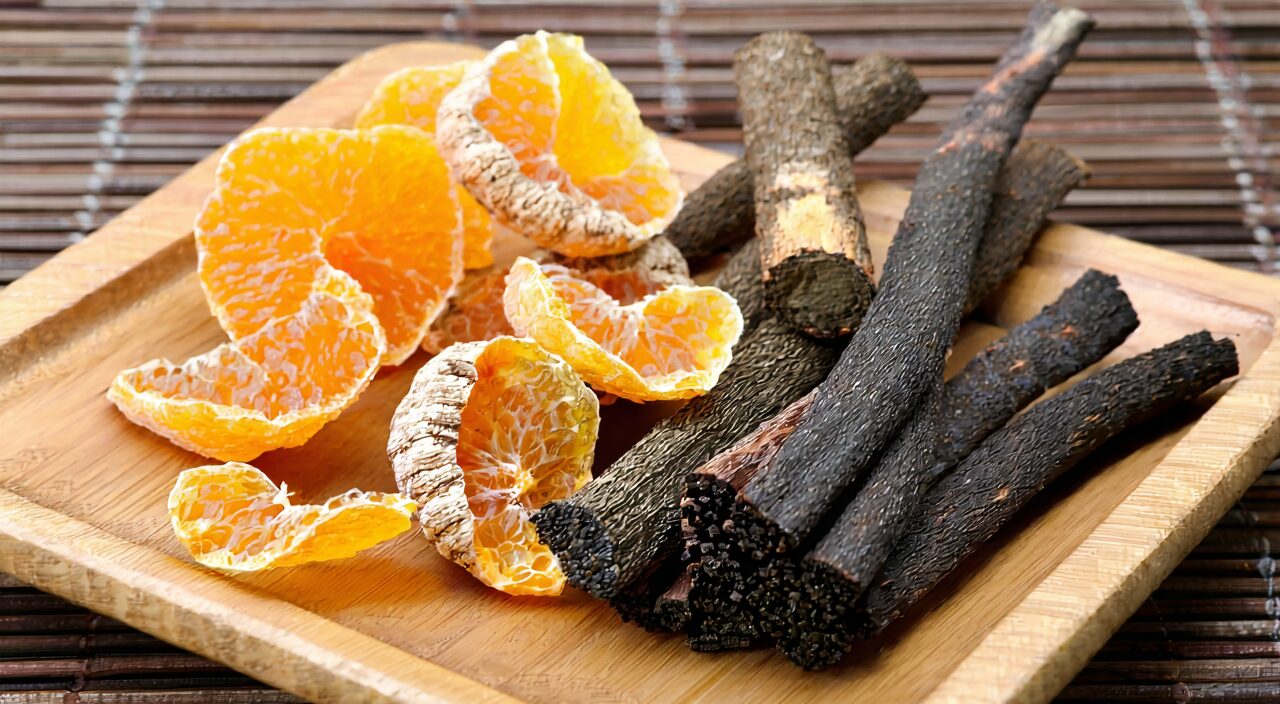
Er Chen Wan is one of the more foundational formulas in traditional Chinese medicine for transforming phlegm. The original formula primarily consists of ingredients like Pinellia (Ban Xia), Tangerine Peel (Chen Pi), Poria (Fu Ling), and Licorice (Gan Cao). It is traditionally considered to have the effects of drying dampness and transforming phlegm, as well as regulating qi and harmonizing the middle burner.
More Suited for Situations Where “Phlegm-Dampness is Already Present”
When an individual’s phlegm-dampness manifestations are pronounced, for example:
- Frequently feeling chest fullness and oppression.
- Coughing with copious phlegm.
- A white, greasy, and thick tongue coating.
- Body heaviness and a lack of motivation to move.
The traditional application of Er Chen Wan tends to point towards these types of manifestations. Its main approach is to reduce phlegm-dampness that has already accumulated in the body by drying dampness, thereby alleviating related discomfort.
For phlegm-dampness type weight gain, if a person is overweight and also presents with significant phlegm, an unclean throat sensation in the morning, a sticky mouth, and heavy limbs, Er Chen Wan might be considered as a potential direction to explore. However, it focuses more on dispelling already formed phlegm-dampness and does not prominently feature direct support for the spleen and stomach’s transportation and transformation functions.
Precautions for Use
Er Chen Wan tends towards warmth and dryness. If an individual has a red tongue with little coating, dry mouth and throat, or belongs to a yin-deficient constitution, it may not be suitable for long-term or sole use. Whether it is appropriate still requires judgment based on personal constitution, symptoms, and professional advice.
Xiang Sha Liu Jun Wan: Fortifying the Spleen and Transforming Dampness While Moving Qi
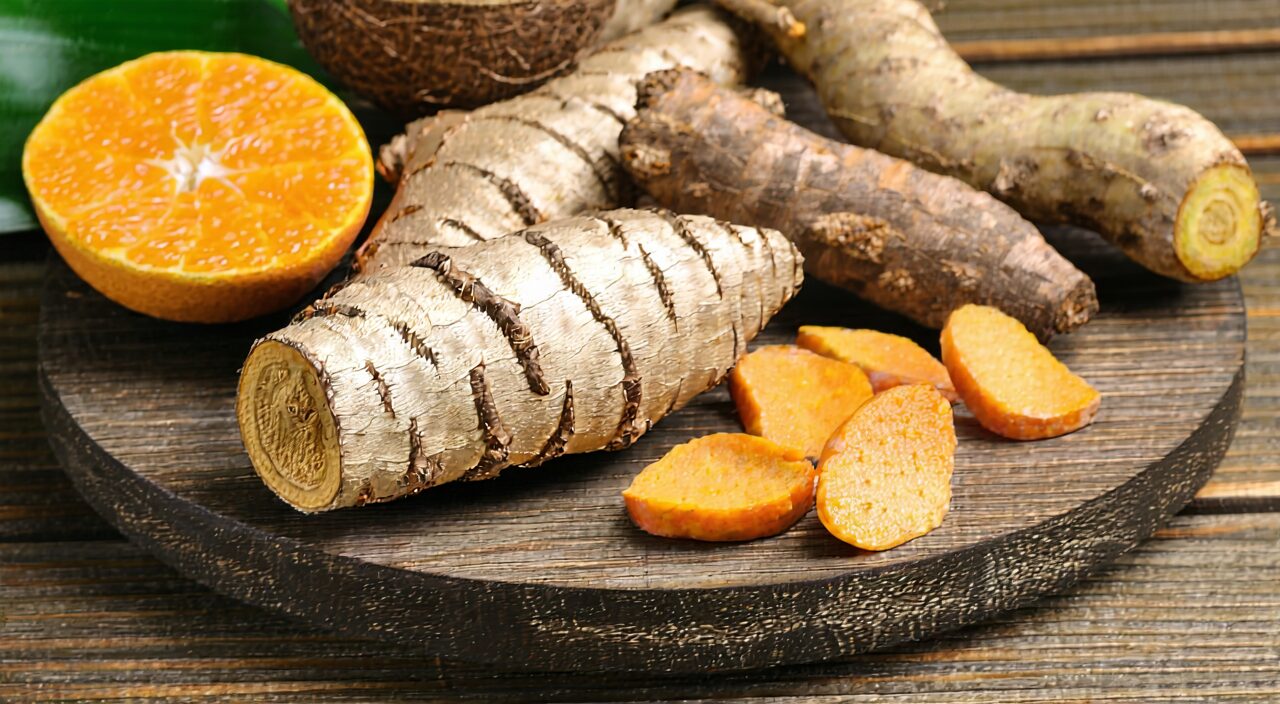
Xiang Sha Liu Jun Wan is based on the Liu Jun Zi Tang formula with the addition of Costus Root (Mu Xiang) and Amomum (Sha Ren). It is traditionally used for various manifestations caused by spleen and stomach qi deficiency and dampness obstruction with qi stagnation. The common composition includes ingredients like Codonopsis (Dang Shen), Atractylodes (Bai Zhu), Poria (Fu Ling), Pinellia (Ban Xia), Tangerine Peel (Chen Pi), Costus Root (Mu Xiang), Amomum (Sha Ren), and Licorice (Gan Cao).
More Suited for Situations of “Insufficient Spleen and Stomach Transport Capacity”
Compared to Er Chen Wan, Xiang Sha Liu Jun Wan not only contains ingredients that transform phlegm and dispel dampness, such as Pinellia, Tangerine Peel, and Poria, but also emphasizes ingredients that boost qi and fortify the spleen, like Codonopsis and Atractylodes. At the same time, Costus Root and Amomum are used to move qi and awaken the spleen. This makes its overall approach more focused on enhancing spleen and stomach motility, allowing water-dampness to be properly transported and transformed before it can generate phlegm-dampness.
If a person with phlegm-dampness type weight gain also presents with significant digestive system symptoms, such as:
- Prone to abdominal bloating after meals.
- Epigastric fullness and discomfort.
- Belching.
- Poor appetite.
- Loose or sticky stools.
- Prominent fatigue and lassitude.
Then, Xiang Sha Liu Jun Wan is often considered as a relevant option in the direction of fortifying the spleen, transforming dampness, and regulating qi to reduce distension. It is more focused on restoring spleen and stomach function, thereby reducing the ongoing generation of phlegm-dampness.
Precautions for Use
Xiang Sha Liu Jun Wan is generally warming in nature. Caution is needed for individuals with internal excess heat, marked damp-heat, or yin deficiency with fire hyperactivity. Additionally, regulating the spleen and stomach often requires a process, and significant changes in body shape may not be observed in the short term. It is important to have reasonable expectations in this regard.
Comparison of Applicable Scenarios for the Two Formulas
To help understand the differences more clearly, a comparison is provided below across several common dimensions. This is not a strict diagnostic criterion but only a reference for preliminary understanding.
| Dimension of Comparison | Er Chen Wan | Xiang Sha Liu Jun Wan |
|---|---|---|
| Focus of Phlegm-Dampness Manifestations | Mainly targets already formed phlegm-dampness, presenting as copious phlegm, chest tightness, body heaviness, thick greasy tongue coating, etc. | More targeted towards phlegm-dampness continuously generated due to spleen-stomach weakness. The phlegm-dampness manifestations are often not as acute as those targeted by Er Chen Wan, but symptoms of weakened digestive function are more prominent. |
| Differences in Spleen-Stomach Symptoms | If only nausea, chest tightness, and coughing with phlegm are caused by phlegm-dampness obstruction, while appetite is largely normal, Er Chen Wan may be considered more often. | If abdominal bloating, poor appetite, and pronounced post-meal indigestion are very evident, the approach of Xiang Sha Liu Jun Wan may be more suitable. |
| Difference in Therapeutic Purpose | Leans more towards “addressing the branch (Biao),” focusing on dispelling existing phlegm-dampness. | Leans more towards “addressing the root (Ben),” focusing on fortifying the spleen to cut off the source of phlegm-dampness. (The term “addressing” here is used within the traditional TCM framework and does not equate to treatment in the modern medical sense). |
It is particularly important to caution that although both Er Chen Wan and Xiang Sha Liu Jun Wan are related to phlegm-dampness, it is not advisable to take multiple similar Chinese patent medicines simultaneously without professional guidance. The two have overlapping ingredients, and combined use might increase unnecessary burden or even cause discomfort. If you need to know whether and how they can be combined, you must consult a TCM practitioner or pharmacist based on your individual situation.
How to Preliminarily Determine the Direction Based on Your Condition

In the absence of professional evaluation, you can start by observing from the following angles as a basis for further understanding. However, the following content cannot replace any form of diagnosis.
Observing Tongue Coating and Phlegm Condition
- If the tongue coating is white, greasy, and thick, with copious phlegm that is easily expectorated, along with a tendency towards being overweight and a marked sensation of bodily heaviness, you might find it helpful to learn more about Er Chen Wan.
- If the tongue coating, though greasy, is thinner, or if the tongue body is plump and enlarged with teeth marks, and signals of poor digestive function are more prominent, the direction of Xiang Sha Liu Jun Wan might be more deserving of attention.
Observing Digestion and Energy Levels
- Prone to bloating after meals, feeling lazy to speak throughout the day, shortness of breath, fatigue, and unformed stools often indicate a tendency towards spleen qi deficiency. In such cases, simply transforming phlegm may not resolve the fundamental problem; starting with fortifying the spleen is likely more necessary, which is the common focus area for Xiang Sha Liu Jun Wan.
- If digestive function is relatively normal, but the individual experiences body heaviness and mental fogginess purely due to phlegm-dampness, then the approach of Er Chen Wan might be more direct.
Regardless of the observed manifestations, whether a specific Chinese patent medicine is ultimately suitable requires a systematic analysis of body constitution, etiology, and the current overall state. Traditional TCM emphasizes pattern identification, and even phlegm-dampness type weight gain may be mixed with factors like qi deficiency, yang deficiency, or damp-heat. These subtle differences can often significantly influence the choice of direction.
Lifestyle Support: Making the Approach More Holistic
Whether you lean towards starting with transforming phlegm or fortifying the spleen, lifestyle integration should not be overlooked. In traditional understanding, the generation of phlegm-dampness is closely linked to improper diet, insufficient exercise, and irregular daily routines.
- Diet: Appropriately reduce the intake of raw, cold, greasy, and overly sweet foods. These foods easily increase the burden on the spleen and stomach, encouraging dampness and generating phlegm.
- Exercise: Regular physical activity helps promote the smooth flow of qi mechanism and has a certain positive effect on the transportation and transformation of phlegm-dampness. However, it should be introduced gradually based on one’s own capacity, and sudden intense exercise should be avoided.
- Daily Routine: Maintaining a regular daily routine and avoiding frequent late nights also holds potential benefits for the recovery of spleen-stomach function and overall metabolism.
These lifestyle adjustments are not achieved overnight but are long-term directions that assist the body in slowly returning to a state of balance. Chinese patent medicines are just one part of the overall approach and should not be simply viewed as a method where “taking them leads to weight loss.”
Situations Requiring Caution
If the problem of overweight or obesity has persisted for a long time, or if it is accompanied by significant chest tightness, palpitations, joint pain, difficulty breathing, or if body image issues are causing marked anxiety or low mood, it is advisable to promptly consult a doctor or relevant professional for a systematic evaluation. Severe, recurring sleep apnea, abnormal blood pressure and blood lipids, and similar conditions also exceed the scope covered by self-directed regulation with Chinese patent medicines and should be managed preferentially through formal medical channels.
For the selection of Chinese patent medicines, whether Er Chen Wan or Xiang Sha Liu Jun Wan, one should carefully read the product instructions, consider one’s own constitution and existing symptoms, and use them under the guidance of a pharmacist or TCM practitioner. Do not use them long-term or in large doses without clearly identifying the underlying cause.
Summary
In traditional Chinese medicine understanding, phlegm-dampness type weight gain is often associated with insufficient spleen and stomach transport capacity and the accumulation of phlegm-dampness within the body. Er Chen Wan and Xiang Sha Liu Jun Wan are two common approaches targeting “already generated phlegm-dampness” and “the spleen-deficiency source of phlegm generation,” respectively. Er Chen Wan emphasizes drying dampness and transforming phlegm, making it more suitable for cases where phlegm-dampness manifestations are obvious but digestive function is still adequate. Xiang Sha Liu Jun Wan emphasizes fortifying the spleen, regulating qi, transforming dampness, and harmonizing the middle burner, making it more suitable for situations where spleen-stomach qi deficiency and qi stagnation with dampness obstruction coexist.
It is crucial to emphasize that these two Chinese patent medicines are not direct weight-loss products. They are options traditionally used to improve phlegm-dampness-related manifestations. Whether they are suitable for an individual depends on a comprehensive assessment of their constitution, symptoms, tongue and pulse diagnosis, and must be judged by a qualified professional. They should not be self-combined or used as a substitute for conventional medical care.
Combining lifestyle adjustments with a deep understanding of one’s own body constitution is the more reliable way to navigate the direction of addressing phlegm-dampness.