
Suan Zao Ren Tang: Who Is It Suitable For? Composition, Effects, and Contraindications

Many people are familiar with Suan Zao Ren Tang, especially when facing problems such as difficulty falling asleep, light sleep, easy waking, and vivid dreams, they often think of this traditional formula. However, in Chinese medicine, the same type of sleep disturbance may stem from very different underlying patterns, and Suan Zao Ren Tang is not suitable for everyone. This article will sort out its composition, indications, situations requiring caution, and the differences from similar formulas, helping readers build a relatively clear framework of understanding.
How Traditional Chinese Medicine Understands Suan Zao Ren Tang
Suan Zao Ren Tang originates from the Jin Gui Yao Lue (Essential Prescriptions of the Golden Cabinet). Its overall approach leans toward “nourishing the blood and calming the mind, clearing heat and relieving restlessness.” It has traditionally been used for a condition known as “insomnia due to deficiency restlessness.”
The ‘deficiency restlessness’ here is not ordinary irritability, but a vague restlessness caused by relative insufficiency of yin and blood, leaving the heart-spirit inadequately nourished. After lying down, the mind cannot quiet down; the more you try to sleep, the more alert you become, possibly accompanied by mild palpitations or a dry mouth but without drinking much water.
The formula’s composition is not complicated; its overall combination focuses on nourishing without overly burdening the body.
Common Composition of Suan Zao Ren Tang
| Herb | Traditional Role in the Formula |
|---|---|
| Suan Zao Ren (Sour Jujube Seed) | Nourishes liver blood, calms the heart and spirit; the primary herb directing the formula. |
| Zhi Mu (Anemarrhena) | Clears deficiency heat, nourishes yin and moistens dryness; helps relieve restlessness. |
| Fu Ling (Poria) | Strengthens the spleen and harmonizes the middle, calms the heart and spirit; settles the mind. |
| Chuan Xiong (Szechuan Lovage Root) | Regulates and smoothes qi and blood, prevents excessive tonification from causing stagnation. |
| Gan Cao (Licorice) | Harmonizes all herbs, while also supporting the middle and moderating urgency. |
The combination of these five herbs focuses on nourishing yin and blood, clearing deficiency heat, and calming the heart-spirit, rather than causing heavy sedation. Therefore, traditionally it is more suited for sleep disorders of a ‘deficiency’ nature, not for those caused by excess energy or intense heat.
Which Presentations May Suan Zao Ren Tang Traditionally Be Suitable For?
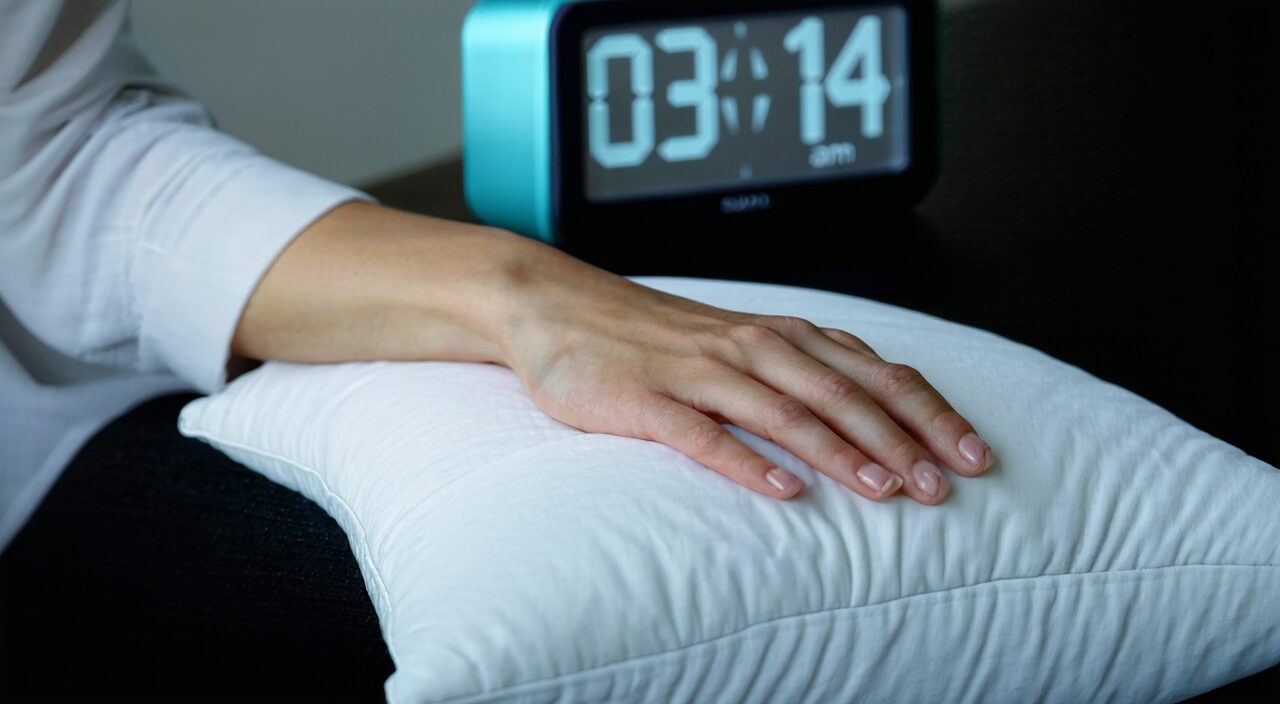
Based on extensive traditional experience, Suan Zao Ren Tang is primarily indicated for the following types of presentations:
- Difficulty falling asleep, racing thoughts after lying down, and becoming more restless the more you try to sleep.
- Unsound sleep, easily waking in the middle of the night, and difficulty falling back asleep after awakening.
- Vivid dreaming; the dreams are not intense but you feel as if an entire drama is playing out all night, leaving you fatigued in the morning.
- An unsettled heart-spirit; easily panicked or inexplicably tense during the day, with a generally thin physique and a lusterless complexion.
- Dry mouth without desire to drink large amounts of water, occasional warmth in the palms and soles, a reddish tongue with little coating or reduced moisture.
If the above manifestations occur together and tongue and pulse diagnosis indicate a pattern of yin-blood deficiency with internal disturbance of deficiency heat, Suan Zao Ren Tang may be considered as a reference point. It must be emphasized that these are only common identification frameworks, not an automatic prescription; suitability still depends on the individual’s overall condition and professional judgment.
Situations Requiring Caution or Avoidance
Suan Zao Ren Tang primarily ‘clears, tonifies, and calms the mind.’ In the following states, traditional practice generally advises against self-administration:
- Excess-heat restlessness type sleep disturbance
The mind feels restless as if on fire, the mouth and throat are extremely dry with a desire for cold water, the face is red, the eyes bloodshot, the tongue coating is yellow and thick, and there may be constipation and dark urine. This belongs to an exuberance of heat—the clearing of deficiency heat in Suan Zao Ren Tang is insufficient, and its nourishing components may even intensify the heat.
- Phlegm-fire harassing the heart
Nightmares, chest oppression, excessive phlegm, heavy-headedness as if wrapped, bitter and sticky mouth, and a yellow, greasy tongue coating. This pattern requires clearing heat and transforming phlegm, calming the mind and settling the consciousness—Suan Zao Ren Tang is not suitable.
- Acute discomfort or organic disorders
If poor sleep is accompanied by pronounced palpitations, chest tightness, breathing difficulty, severe headache, repeated vomiting, black stools, or significant weight loss in a short period, it is necessary to first rule out organic disease; relying solely on formula-based treatment is not advisable.
- Special physiological stages
Pregnant women, breastfeeding women, infants, young children, and those with a history of serious chronic illness should consult a healthcare professional before using any formula.
- Chronic, recurrent, or severe sleep problems
Especially when accompanied by obvious anxiety or depression and a sense of significant life impact, one should seek professional evaluation first, rather than self-selecting a formula.
Differences Between Suan Zao Ren Tang and Similar Formulas
Besides Suan Zao Ren Tang, many other traditional formulas are used for sleep issues, such as Gui Pi Tang, Tian Wang Bu Xin Dan, Bai Zi Yang Xin Wan, and Zhu Sha An Shen Wan. Their approaches differ; comparing them side by side makes the distinctions clearer.
| Formula | Main Approach | Common Reference Presentations | Key Differences from Suan Zao Ren Tang |
|---|---|---|---|
| Gui Pi Tang | Tonifies heart and spleen, replenishes both qi and blood | Falling asleep is not too difficult, but sleep is shallow, with vivid dreaming and easy awakening; fatigue, poor appetite, sallow complexion, forgetfulness and palpitations. | Focuses on ‘heart-spleen deficiency, insufficiency of qi and blood,’ differing from Suan Zao Ren Tang’s emphasis on yin deficiency and deficiency restlessness. |
| Tian Wang Bu Xin Dan | Nourishes yin and blood, supplements the heart and calms the mind | Yin-blood insufficiency, palpitations with anxiety, warm palms and soles, mouth and tongue sores, restless sleep. | Leans more toward nourishing heart and kidney yin, with a stronger effect to clear heat and nourish yin; suitable for chronic cultivation when yin deficiency is present but heat is not severe. |
| Bai Zi Yang Xin Wan | Tonifies qi, nourishes blood, calms the spirit, with a warming and unblocking effect | Heart qi deficiency with cold, easily startled, forgetfulness, aversion to cold, mental fatigue and physical weakness. | Overall warm in nature, opposite to Suan Zao Ren Tang’s clearing of deficiency heat, unsuitable for those with yin deficiency and heat. |
| Zhu Sha An Shen Wan | Clears heart fire, settles fright and calms the spirit | Exuberant heart fire, oppressive heat in the chest, insomnia with vivid dreams, red tongue tip, rapid and forceful pulse. | Focuses on dispelling excess fire, and contains cinnabar; completely different from Suan Zao Ren Tang’s tonifying and calming approach, should not be confused or used casually. |
From this, it can be seen that even among ‘spirit-calming’ formulas, the underlying therapeutic mechanisms vary greatly. Some individuals may use them alternately or in combination, but this must be strictly determined by a professional and not applied based solely on intuition.
Summary
Suan Zao Ren Tang is a classic formula characterized by nourishing the blood and calming the mind, clearing heat and relieving restlessness. Traditionally it is mostly used for insomnia due to deficiency restlessness caused by insufficient yin-blood and internal disturbance of deficiency heat, presenting with difficulty falling asleep, vivid dreaming, and fatigue. Its composition is relatively gentle, but precisely because it tends to tonify while clearing deficiency heat, it may be unsuitable for excess heat, phlegm-fire, acute illnesses, and special populations such as pregnant women.
Among similar formulas, Gui Pi Tang emphasizes heart-spleen deficiency, Tian Wang Bu Xin Dan leans toward nourishing yin and blood, Bai Zi Yang Xin Wan tends to warm and tonify heart qi, and Zhu Sha An Shen Wan specifically targets heart fire. Each direction corresponds to different body constitutions and symptom clusters. Choosing which one requires a comprehensive judgment based on individual manifestations, tongue and pulse findings, among other information.
This article only provides a popular science overview from a traditional Chinese medicine perspective and cannot replace professional diagnosis or treatment advice. If sleep problems persistently affect your daily life, it is advisable to consult a physician or TCM professional in a timely manner to obtain guidance suited to your individual situation.